

Liqueur
Common food
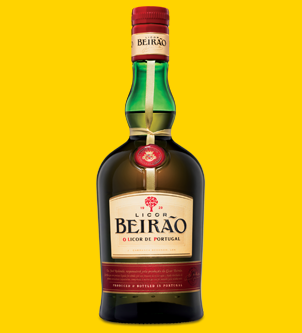
Photo: Wikipedia
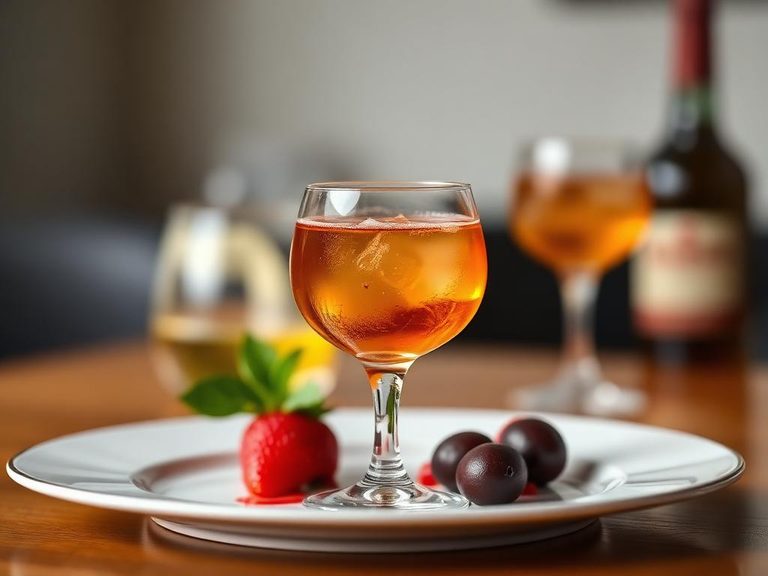
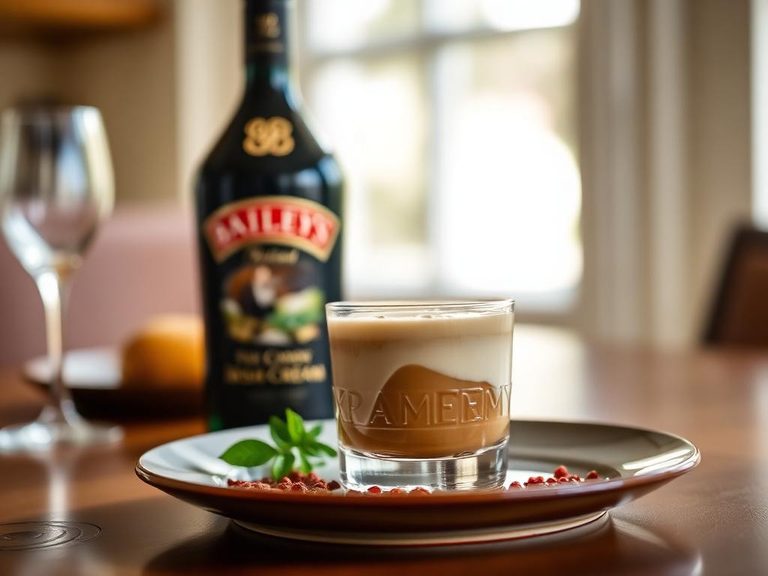
Liqueur is a sweet, often viscous spirit infused with flavors like fruit, herbs, or spices, offering a complex taste profile that ranges from bright and citrusy to rich and creamy. It typically has a smooth, syrupy texture and is characterized by its high sugar content, which provides a quick energy boost but also contributes significantly to its calorie count. Nutritionally, it is almost entirely composed of carbohydrates from sugar, with negligible protein, fat, or fiber, making it a pure source of quick energy and flavor.
Calorie split: 0% protein · 99% carbs · 1% fat
↓ Full nutrition💚 Why it's loved
People love liqueur for its ability to add a burst of flavor and sweetness to drinks and desserts, making it a versatile ingredient in both culinary and social settings. Its rich, aromatic profiles often evoke cultural traditions and celebrations, enhancing the overall experience of meals and gatherings.
⚠️ Watch-outs & how to enjoy it better
Liqueur's high sugar content can lead to blood-sugar spikes, making it less suitable for individuals with diabetes or those monitoring their sugar intake. To counteract this, consider pairing it with protein or fat-rich foods to slow sugar absorption, or opt for smaller portions to manage calorie and sugar intake effectively.
Key benefits
- Provides quick energy from carbohydrates
- Enhances flavor in cocktails and desserts
- Can be used in cooking to add depth to sauces
- Often contains antioxidants from infused fruits or herbs
- Adds a sweet, aromatic element to dishes
🍽️ Popular dishes
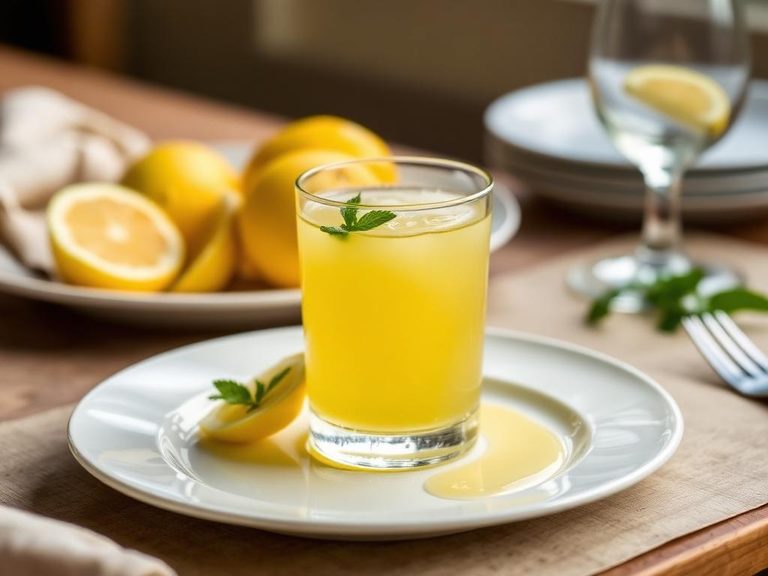
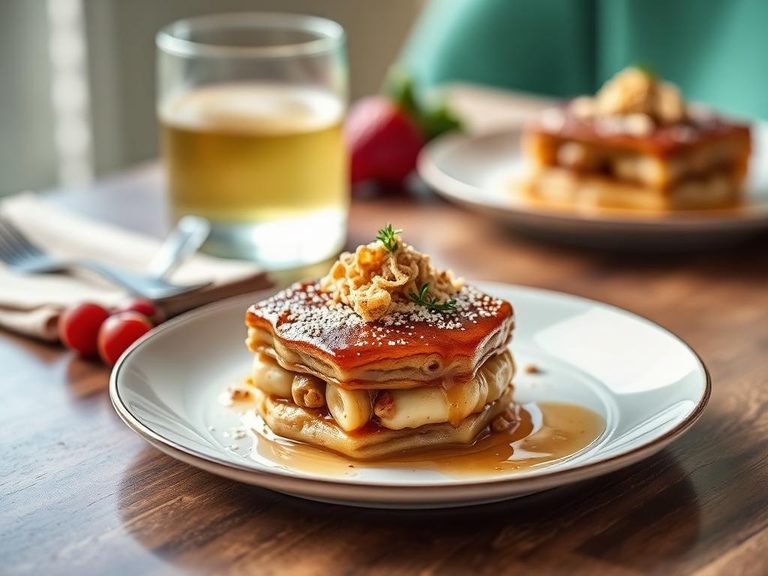
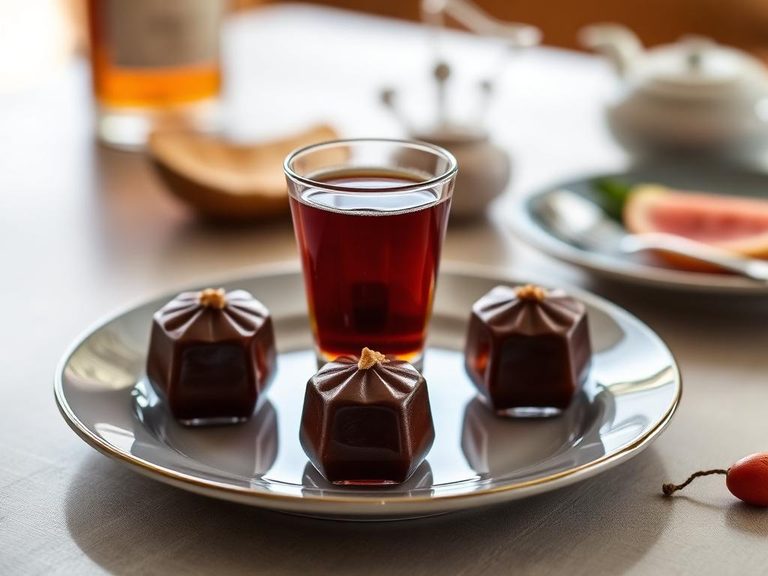
🌍 Where it's eaten
💡 Did you know?
The word 'liqueur' comes from the Latin 'liquor', meaning 'liquid', and the first recorded liqueur was created by monks in the 13th century for medicinal purposes.
Full nutrition (USDA data · scales with serving)
| Water | 45.6 g |
| Energy | 279 kcal |
| Protein | 0.00 g |
| Total lipid (fat) | 0.11 g |
| Carbohydrate, by difference | 33.2 g |
| Fiber, total dietary | 0.00 g |
| Total Sugars | 33.3 g |
| Calcium, Ca | 0.00 mg |
| Iron, Fe | 0.04 mg |
| Magnesium, Mg | 0.00 mg |
| Phosphorus, P | 3.0 mg |
| Potassium, K | 2.0 mg |
| Sodium, Na | 1.0 mg |
| Zinc, Zn | 0.03 mg |
| Copper, Cu | 0.02 mg |
| Selenium, Se | 0.20 ug |
| Vitamin C, total ascorbic acid | 0.00 mg |
| Thiamin | 0.00 mg |
| Riboflavin | 0.01 mg |
| Niacin | 0.01 mg |
| Vitamin B-6 | 0.00 mg |
| Folate, total | 0.00 ug |
| Folic acid | 0.00 ug |
| Folate, food | 0.00 ug |
| Folate, DFE | 0.00 ug |
| Choline, total | 0.00 mg |
| Vitamin B-12 | 0.00 ug |
| Vitamin B-12, added | 0.00 ug |
| Vitamin A, RAE | 0.00 ug |
| Retinol | 0.00 ug |
| Carotene, beta | 0.00 ug |
| Carotene, alpha | 0.00 ug |
| Cryptoxanthin, beta | 0.00 ug |
| Lycopene | 0.00 ug |
| Lutein + zeaxanthin | 0.00 ug |
| Vitamin E (alpha-tocopherol) | 0.00 mg |
| Vitamin E, added | 0.00 mg |
| Vitamin D (D2 + D3) | 0.00 ug |
| Vitamin K (phylloquinone) | 0.00 ug |
| Alcohol, ethyl | 21.0 g |
| Caffeine | 0.00 mg |
| Theobromine | 0.00 mg |
Fat & fatty acid profile (per 100g)
| Fatty acids, total saturated | 0.00 g |
| SFA 4:0 | 0.00 g |
| SFA 6:0 | 0.00 g |
| SFA 8:0 | 0.00 g |
| SFA 10:0 | 0.00 g |
| SFA 12:0 | 0.00 g |
| SFA 14:0 | 0.00 g |
| SFA 16:0 | 0.00 g |
| SFA 18:0 | 0.00 g |
| Fatty acids, total monounsaturated | 0.00 g |
| MUFA 16:1 | 0.00 g |
| MUFA 18:1 | 0.00 g |
| MUFA 20:1 | 0.00 g |
| MUFA 22:1 | 0.00 g |
| Fatty acids, total polyunsaturated | 0.00 g |
| PUFA 18:2 | 0.00 g |
| PUFA 18:3 | 0.00 g |
| PUFA 18:4 | 0.00 g |
| PUFA 20:4 | 0.00 g |
| PUFA 20:5 n-3 (EPA) | 0.00 g |
| PUFA 22:5 n-3 (DPA) | 0.00 g |
| PUFA 22:6 n-3 (DHA) | 0.00 g |
| Cholesterol | 0.00 mg |
Amino acid profile (per 100g)
Estimated from Alcoholic beverage, liqueur, coffee with cream, 34 proof — USDA does not publish this profile for Liqueur.
| Tryptophan | 0.04 g |
| Threonine | 0.13 g |
| Isoleucine | 0.17 g |
| Leucine | 0.28 g |
| Lysine | 0.22 g |
| Methionine | 0.07 g |
| Cystine | 0.03 g |
| Phenylalanine | 0.14 g |
| Tyrosine | 0.14 g |
| Valine | 0.19 g |
| Arginine | 0.10 g |
| Histidine | 0.08 g |
| Alanine | 0.10 g |
| Aspartic acid | 0.21 g |
| Glutamic acid | 0.59 g |
| Glycine | 0.06 g |
| Proline | 0.27 g |
| Serine | 0.15 g |
FAQ
What is the difference between liqueur and liquor?
Liqueur is a sweetened spirit with added flavors, while liquor (or spirit) is a distilled alcoholic beverage without added sugar or flavors.
Can liqueur be used in cooking?
Yes, liqueur is often used in cooking to add sweetness and flavor to desserts, sauces, and marinades.
Is liqueur gluten-free?
Most liqueurs are gluten-free as they are made from fruits, herbs, or spices, but it's best to check the label for any added gluten-containing ingredients.
Nutrient density (calculated · NRF9.3)
Nutrient Rich Foods index: beneficial nutrients (protein, fiber, vitamins, minerals) minus saturated fat, added sugar & sodium, per 100 kcal.
NRF9.3 index — Fulgoni, Keast & Drewnowski, 2009. Computed from USDA nutrients.
Weight-loss friendliness (composite index)
Energy density 2.79 kcal/g · 0% calories from protein · 0.0 g fiber · 33.3 g sugar per 100 g.
Composite of energy density (Rolls et al., 1999), protein & fiber satiety, minus sugar. A calculated heuristic — ranks satiety-per-calorie, not a clinical measure.
Dietary load (calculated from USDA values)
Potential renal acid load. Positive = acid-forming, negative = alkaline-forming.
Sodium-to-potassium ratio: 0.50 (lower is better — aim for ≤ 1)
Sodium:potassium per WHO potassium guidance. Computed from USDA nutrients.