

Liqueur, cream
Common food

Photo: Wikipedia
A rich, velvety liqueur made by blending a base spirit with cream and sugar, resulting in a smooth, dessert-like indulgence. Its signature sweetness and creamy mouthfeel make it a popular choice for sipping neat, over ice, or as a cocktail ingredient. Nutritionally, it is very high in sugar and calories, with minimal protein or fat, offering little beyond pure indulgence.
Calorie split: 0% protein · 84% carbs · 15% fat
↓ Full nutrition💚 Why it's loved
People love it for its luxurious, dessert-in-a-glass experience, offering a convenient way to enjoy a sweet, creamy treat. Its versatility in both sipping and mixing makes it a staple for holiday celebrations, after-dinner drinks, and indulgent cocktails.
⚠️ Watch-outs & how to enjoy it better
The high sugar content (33.48g per 100g) can cause rapid blood-sugar spikes, making it unsuitable for diabetics or those monitoring glycemic impact. To mitigate this, consume in small portions (e.g., a standard 1.5 oz shot) and pair it with a protein or fat source like nuts or cheese to slow sugar absorption. Those with lactose intolerance should also be cautious, as the cream content may trigger symptoms.
Key benefits
- Provides a quick source of energy from simple sugars
- Can be used as a flavor enhancer in coffee, desserts, and cocktails
- Offers a creamy texture without dairy preparation
- Serves as a convenient, shelf-stable dessert ingredient
- Often used in celebratory toasts and social gatherings
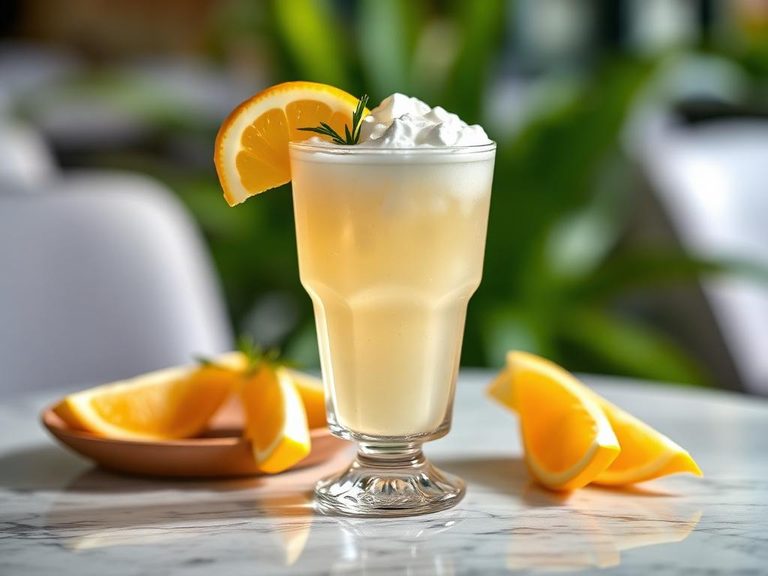
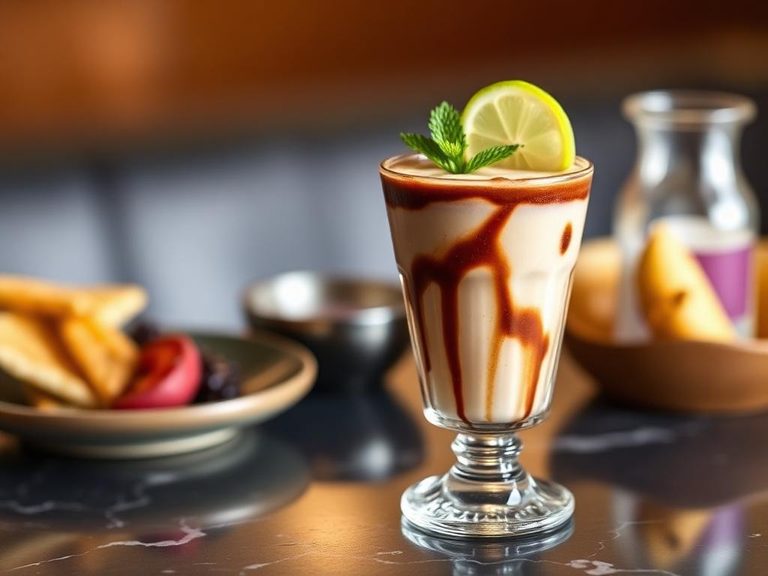
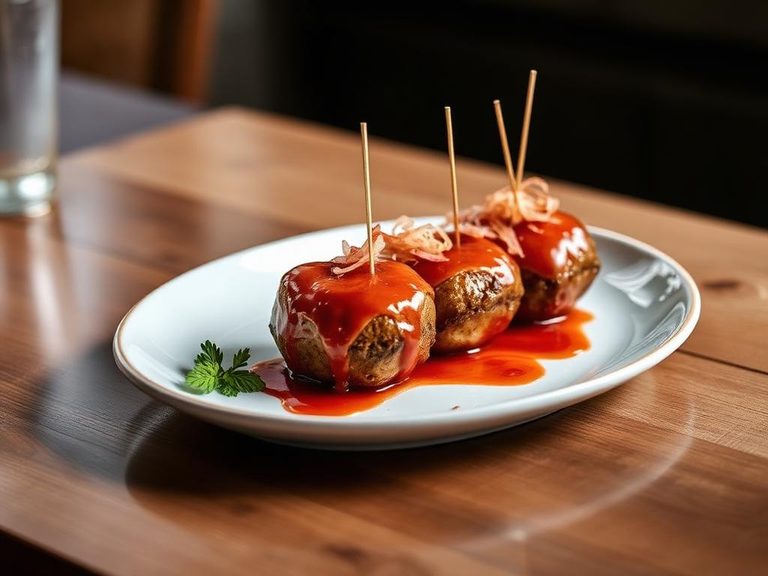
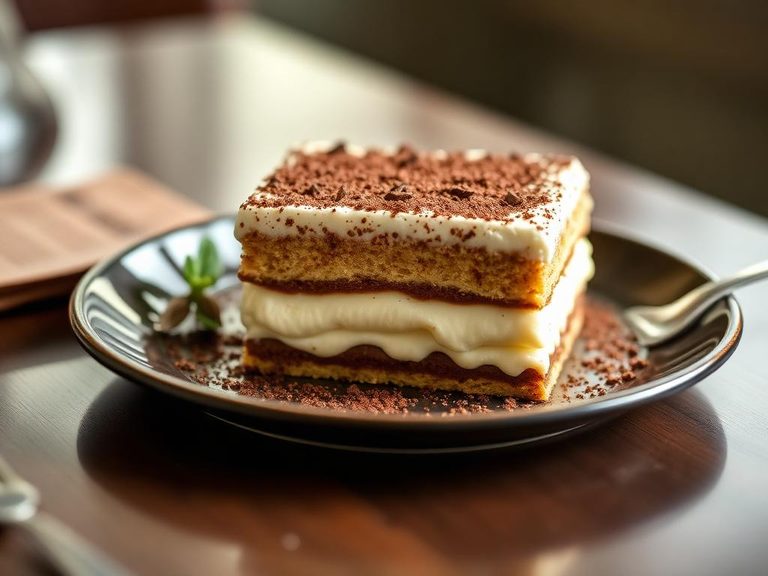
🍽️ Popular dishes
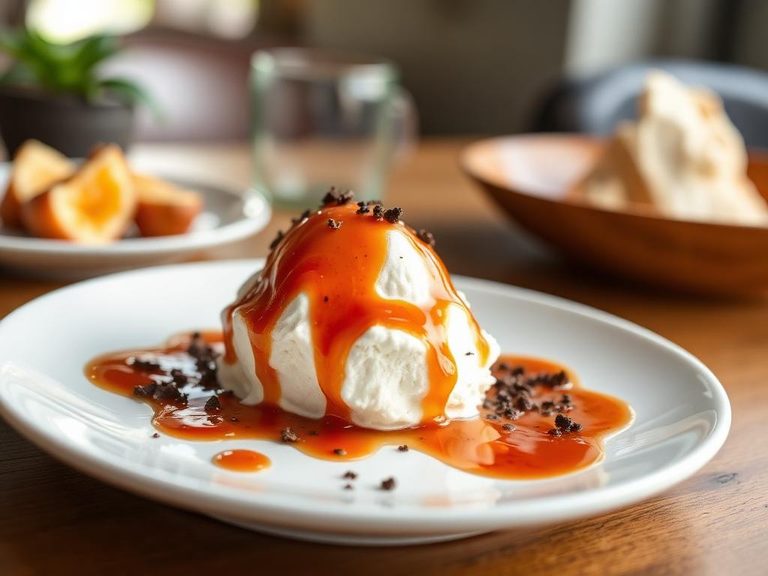
🌍 Where it's eaten
💡 Did you know?
The most famous cream liqueur, Irish Cream, was invented in 1974 specifically for the American market, combining Irish whiskey with cream and a secret blend of flavors.
Full nutrition (USDA data · scales with serving)
| Water | 43.8 g |
| Energy | 296 kcal |
| Protein | 0.15 g |
| Total lipid (fat) | 2.7 g |
| Carbohydrate, by difference | 33.5 g |
| Fiber, total dietary | 0.00 g |
| Total Sugars | 33.5 g |
| Calcium, Ca | 5.0 mg |
| Iron, Fe | 0.04 mg |
| Magnesium, Mg | 0.00 mg |
| Phosphorus, P | 7.0 mg |
| Potassium, K | 9.0 mg |
| Sodium, Na | 2.0 mg |
| Zinc, Zn | 0.04 mg |
| Copper, Cu | 0.01 mg |
| Selenium, Se | 0.40 ug |
| Vitamin C, total ascorbic acid | 0.00 mg |
| Thiamin | 0.01 mg |
| Riboflavin | 0.02 mg |
| Niacin | 0.01 mg |
| Vitamin B-6 | 0.00 mg |
| Folate, total | 0.00 ug |
| Folic acid | 0.00 ug |
| Folate, food | 0.00 ug |
| Folate, DFE | 0.00 ug |
| Choline, total | 1.2 mg |
| Vitamin B-12 | 0.00 ug |
| Vitamin B-12, added | 0.00 ug |
| Vitamin A, RAE | 24.0 ug |
| Retinol | 24.0 ug |
| Carotene, beta | 0.00 ug |
| Carotene, alpha | 0.00 ug |
| Cryptoxanthin, beta | 0.00 ug |
| Lycopene | 0.00 ug |
| Lutein + zeaxanthin | 0.00 ug |
| Vitamin E (alpha-tocopherol) | 0.07 mg |
| Vitamin E, added | 0.00 mg |
| Vitamin D (D2 + D3) | 0.10 ug |
| Vitamin K (phylloquinone) | 0.20 ug |
| Alcohol, ethyl | 19.8 g |
| Caffeine | 0.00 mg |
| Theobromine | 0.00 mg |
Fat & fatty acid profile (per 100g)
| Fatty acids, total saturated | 1.5 g |
| SFA 4:0 | 0.05 g |
| SFA 6:0 | 0.04 g |
| SFA 8:0 | 0.03 g |
| SFA 10:0 | 0.07 g |
| SFA 12:0 | 0.08 g |
| SFA 14:0 | 0.25 g |
| SFA 16:0 | 0.69 g |
| SFA 18:0 | 0.24 g |
| Fatty acids, total monounsaturated | 0.54 g |
| MUFA 16:1 | 0.05 g |
| MUFA 18:1 | 0.59 g |
| MUFA 20:1 | 0.01 g |
| MUFA 22:1 | 0.00 g |
| Fatty acids, total polyunsaturated | 0.12 g |
| PUFA 18:2 | 0.06 g |
| PUFA 18:3 | 0.01 g |
| PUFA 18:4 | 0.00 g |
| PUFA 20:4 | 0.00 g |
| PUFA 20:5 n-3 (EPA) | 0.00 g |
| PUFA 22:5 n-3 (DPA) | 0.00 g |
| PUFA 22:6 n-3 (DHA) | 0.00 g |
| Cholesterol | 8.0 mg |
Amino acid profile (per 100g)
Estimated from Alcoholic beverage, liqueur, coffee with cream, 34 proof — USDA does not publish this profile for Liqueur.
| Tryptophan | 0.04 g |
| Threonine | 0.13 g |
| Isoleucine | 0.17 g |
| Leucine | 0.28 g |
| Lysine | 0.22 g |
| Methionine | 0.07 g |
| Cystine | 0.03 g |
| Phenylalanine | 0.14 g |
| Tyrosine | 0.14 g |
| Valine | 0.19 g |
| Arginine | 0.10 g |
| Histidine | 0.08 g |
| Alanine | 0.10 g |
| Aspartic acid | 0.21 g |
| Glutamic acid | 0.59 g |
| Glycine | 0.06 g |
| Proline | 0.27 g |
| Serine | 0.15 g |
FAQ
Does cream liqueur contain dairy?
Yes, most cream liqueurs contain dairy cream as a primary ingredient, making them unsuitable for vegans and those with lactose intolerance or milk allergies.
How long does an opened bottle last?
Once opened, cream liqueur should be refrigerated and consumed within 6 months for optimal quality, as the dairy content can eventually spoil.
Can it be used in baking?
Absolutely. It adds moisture, sweetness, and flavor to cakes, frostings, and sauces, but its high sugar content means you may need to adjust other sweeteners in the recipe.
Nutrient density (calculated · NRF9.3)
Nutrient Rich Foods index: beneficial nutrients (protein, fiber, vitamins, minerals) minus saturated fat, added sugar & sodium, per 100 kcal.
NRF9.3 index — Fulgoni, Keast & Drewnowski, 2009. Computed from USDA nutrients.
Weight-loss friendliness (composite index)
Energy density 2.96 kcal/g · 0% calories from protein · 0.0 g fiber · 33.5 g sugar per 100 g.
Composite of energy density (Rolls et al., 1999), protein & fiber satiety, minus sugar. A calculated heuristic — ranks satiety-per-calorie, not a clinical measure.
Dietary load (calculated from USDA values)
Potential renal acid load. Positive = acid-forming, negative = alkaline-forming.
Sodium-to-potassium ratio: 0.22 (lower is better — aim for ≤ 1)
Sodium:potassium per WHO potassium guidance. Computed from USDA nutrients.