

Liqueur, coffee flavored
Common food

Photo: Wikipedia
A sweet, potent alcoholic spirit infused with coffee, offering a rich, roasted aroma and a smooth, velvety texture. It delivers a bold coffee flavor balanced by significant sweetness, packing a high carbohydrate load primarily from sugar in a small serving. Nutritionally, it is an indulgence, providing energy with virtually no protein, fat, or fiber.
Calorie split: 0% protein · 98% carbs · 1% fat
↓ Full nutrition💚 Why it's loved
People adore it for its luxurious, dessert-like quality that combines the beloved depth of coffee with a warming alcoholic kick. Its versatility makes it a staple in both classic cocktails and as a decadent pour over ice cream.
⚠️ Watch-outs & how to enjoy it better
Its high sugar content can lead to blood-sugar spikes and contributes empty calories, making it unsuitable for those monitoring sugar intake or managing diabetes. To mitigate this, enjoy it strictly as an occasional treat in small portions, or use it in cocktails balanced with unsweetened mixers or a splash of black coffee.
Key benefits
- Provides a quick source of energy from carbohydrates.
- Offers a concentrated coffee flavor without caffeine (in most versions).
- Enhances the flavor profile of cocktails and desserts.
- Can be enjoyed neat as a digestif after a meal.
🍽️ Popular dishes
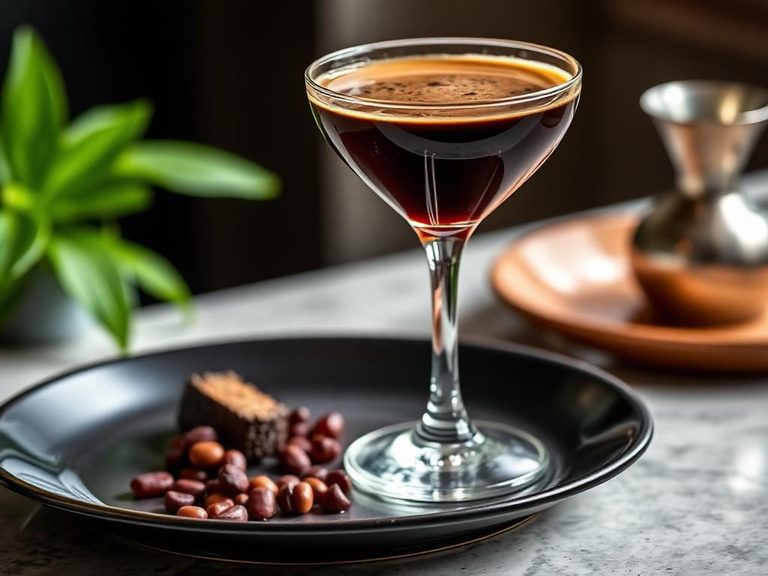
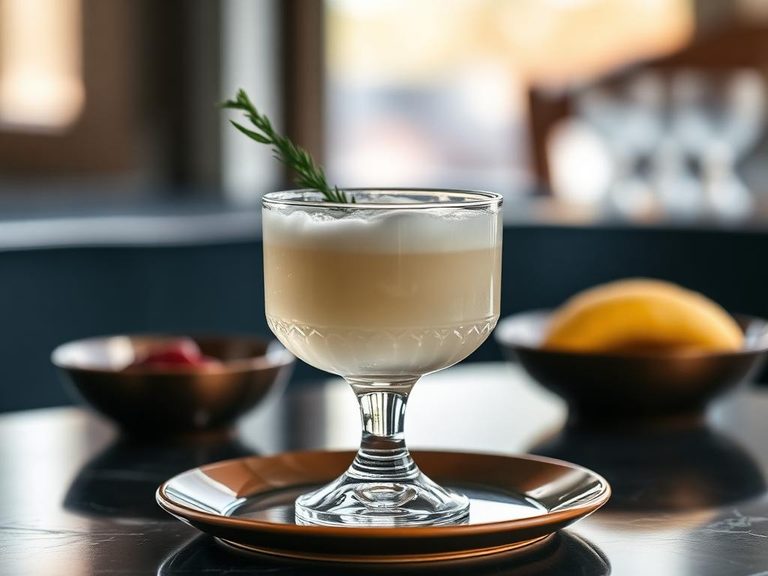
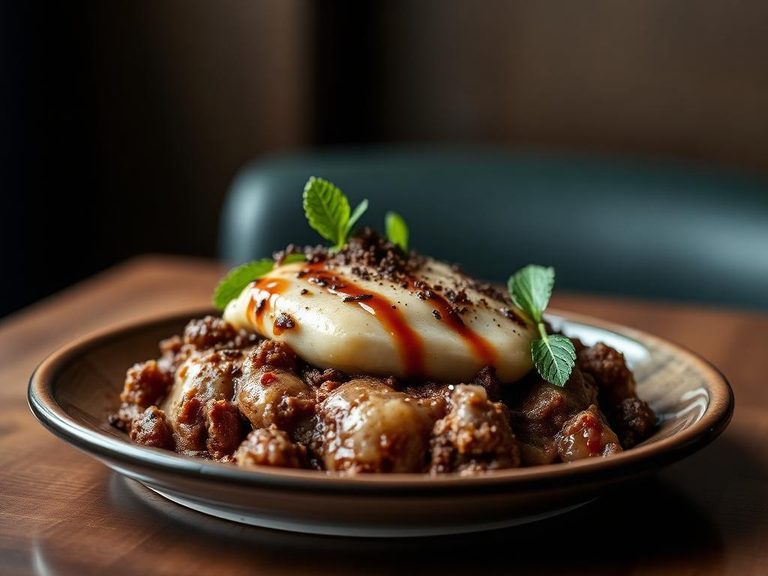
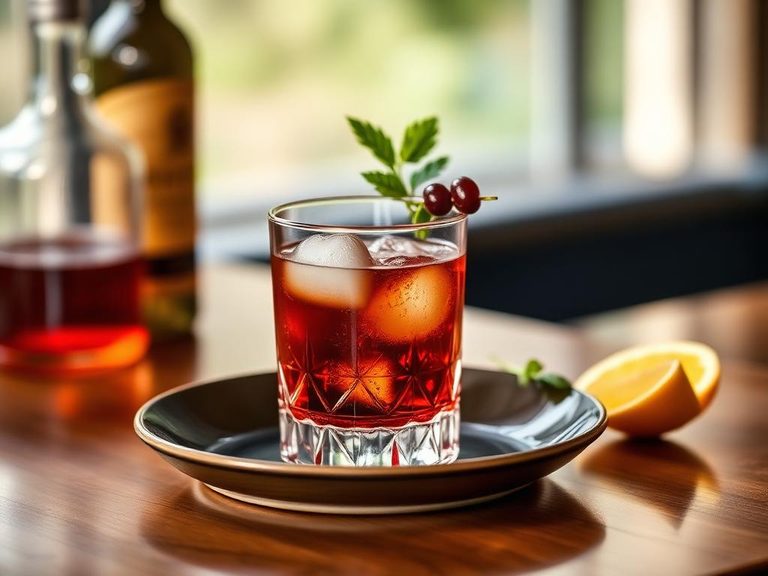
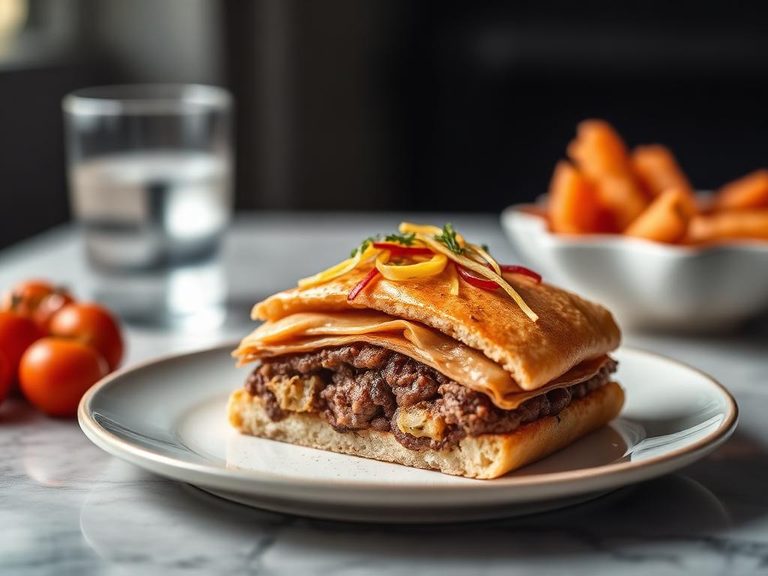
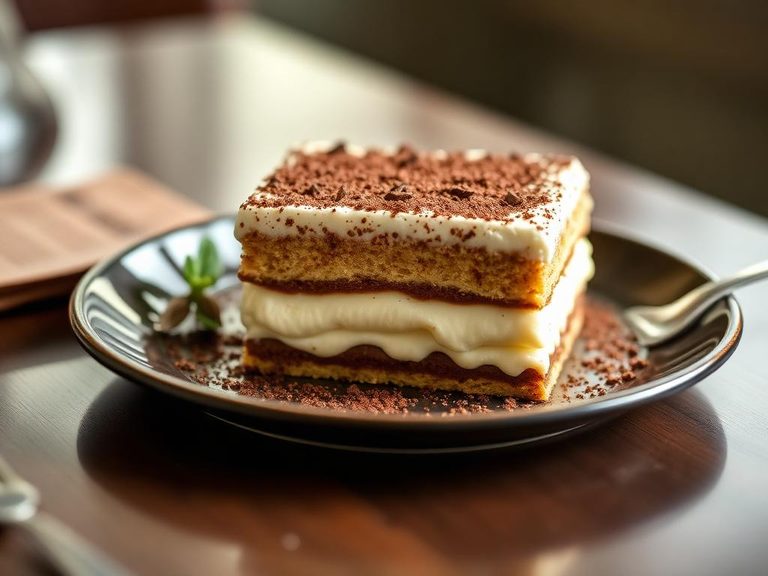
🌍 Where it's eaten
💡 Did you know?
The most famous coffee liqueur, Kahlúa, was created in Mexico in 1936 and is named after a word meaning 'house of the Acolhua people' in the Nahuatl language.
Full nutrition (USDA data · scales with serving)
| Water | 31.0 g |
| Energy | 336 kcal |
| Protein | 0.10 g |
| Total lipid (fat) | 0.30 g |
| Carbohydrate, by difference | 46.8 g |
| Fiber, total dietary | 0.00 g |
| Total Sugars | 38.3 g |
| Calcium, Ca | 1.0 mg |
| Iron, Fe | 0.06 mg |
| Magnesium, Mg | 3.0 mg |
| Phosphorus, P | 6.0 mg |
| Potassium, K | 30.0 mg |
| Sodium, Na | 8.0 mg |
| Zinc, Zn | 0.03 mg |
| Copper, Cu | 0.04 mg |
| Selenium, Se | 0.40 ug |
| Vitamin C, total ascorbic acid | 0.00 mg |
| Thiamin | 0.00 mg |
| Riboflavin | 0.01 mg |
| Niacin | 0.14 mg |
| Vitamin B-6 | 0.00 mg |
| Folate, total | 0.00 ug |
| Folic acid | 0.00 ug |
| Folate, food | 0.00 ug |
| Folate, DFE | 0.00 ug |
| Choline, total | 0.80 mg |
| Vitamin B-12 | 0.00 ug |
| Vitamin B-12, added | 0.00 ug |
| Vitamin A, RAE | 0.00 ug |
| Retinol | 0.00 ug |
| Carotene, beta | 0.00 ug |
| Carotene, alpha | 0.00 ug |
| Cryptoxanthin, beta | 0.00 ug |
| Lycopene | 0.00 ug |
| Lutein + zeaxanthin | 0.00 ug |
| Vitamin E (alpha-tocopherol) | 0.00 mg |
| Vitamin E, added | 0.00 mg |
| Vitamin D (D2 + D3) | 0.00 ug |
| Vitamin K (phylloquinone) | 0.00 ug |
| Alcohol, ethyl | 21.7 g |
| Caffeine | 26.0 mg |
| Theobromine | 0.00 mg |
Fat & fatty acid profile (per 100g)
| Fatty acids, total saturated | 0.11 g |
| SFA 4:0 | 0.00 g |
| SFA 6:0 | 0.00 g |
| SFA 8:0 | 0.00 g |
| SFA 10:0 | 0.00 g |
| SFA 12:0 | 0.00 g |
| SFA 14:0 | 0.00 g |
| SFA 16:0 | 0.08 g |
| SFA 18:0 | 0.02 g |
| Fatty acids, total monounsaturated | 0.02 g |
| MUFA 16:1 | 0.00 g |
| MUFA 18:1 | 0.02 g |
| MUFA 20:1 | 0.00 g |
| MUFA 22:1 | 0.00 g |
| Fatty acids, total polyunsaturated | 0.10 g |
| PUFA 18:2 | 0.10 g |
| PUFA 18:3 | 0.01 g |
| PUFA 18:4 | 0.00 g |
| PUFA 20:4 | 0.00 g |
| PUFA 20:5 n-3 (EPA) | 0.00 g |
| PUFA 22:5 n-3 (DPA) | 0.00 g |
| PUFA 22:6 n-3 (DHA) | 0.00 g |
| Cholesterol | 0.00 mg |
Amino acid profile (per 100g)
Estimated from Alcoholic beverage, liqueur, coffee with cream, 34 proof — USDA does not publish this profile for Liqueur.
| Tryptophan | 0.04 g |
| Threonine | 0.13 g |
| Isoleucine | 0.17 g |
| Leucine | 0.28 g |
| Lysine | 0.22 g |
| Methionine | 0.07 g |
| Cystine | 0.03 g |
| Phenylalanine | 0.14 g |
| Tyrosine | 0.14 g |
| Valine | 0.19 g |
| Arginine | 0.10 g |
| Histidine | 0.08 g |
| Alanine | 0.10 g |
| Aspartic acid | 0.21 g |
| Glutamic acid | 0.59 g |
| Glycine | 0.06 g |
| Proline | 0.27 g |
| Serine | 0.15 g |
FAQ
Does coffee liqueur contain caffeine?
Most traditional coffee liqueurs contain a small amount of naturally occurring caffeine from the coffee beans used in infusion, but typically much less than a cup of coffee. Some brands may be caffeine-free.
What is the main difference between coffee liqueur and Irish cream?
Coffee liqueur is primarily coffee-flavored alcohol and sugar, while Irish cream is a blend of Irish whiskey, cream, sugar, and coffee flavoring, resulting in a creamier, lower-alcohol product.
Can I use coffee liqueur in baking?
Yes, it's excellent for adding depth to chocolate cakes, brownies, and frostings. The alcohol bakes off, leaving behind the rich coffee flavor.
Nutrient density (calculated · NRF9.3)
Nutrient Rich Foods index: beneficial nutrients (protein, fiber, vitamins, minerals) minus saturated fat, added sugar & sodium, per 100 kcal.
NRF9.3 index — Fulgoni, Keast & Drewnowski, 2009. Computed from USDA nutrients.
Weight-loss friendliness (composite index)
Energy density 3.36 kcal/g · 0% calories from protein · 0.0 g fiber · 38.3 g sugar per 100 g.
Composite of energy density (Rolls et al., 1999), protein & fiber satiety, minus sugar. A calculated heuristic — ranks satiety-per-calorie, not a clinical measure.
Dietary load (calculated from USDA values)
Potential renal acid load. Positive = acid-forming, negative = alkaline-forming.
Sodium-to-potassium ratio: 0.27 (lower is better — aim for ≤ 1)
Sodium:potassium per WHO potassium guidance. Computed from USDA nutrients.