

Lima beans, NFS
Common food

Photo: Wikipedia
Lima beans, also known as butter beans, are large, creamy legumes with a starchy, slightly sweet flavor and a smooth, velvety texture when cooked. They are a nutritional powerhouse, offering a solid 7.25g of protein and an impressive 6.5g of dietary fiber per 100g, making them a satisfying and gut-friendly staple.
Calorie split: 17% protein · 46% carbs · 37% fat
↓ Full nutrition💚 Why it's loved
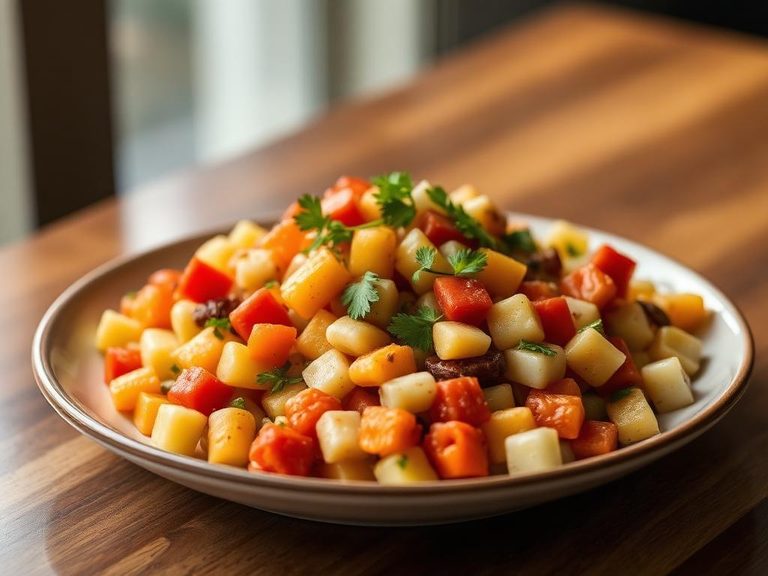
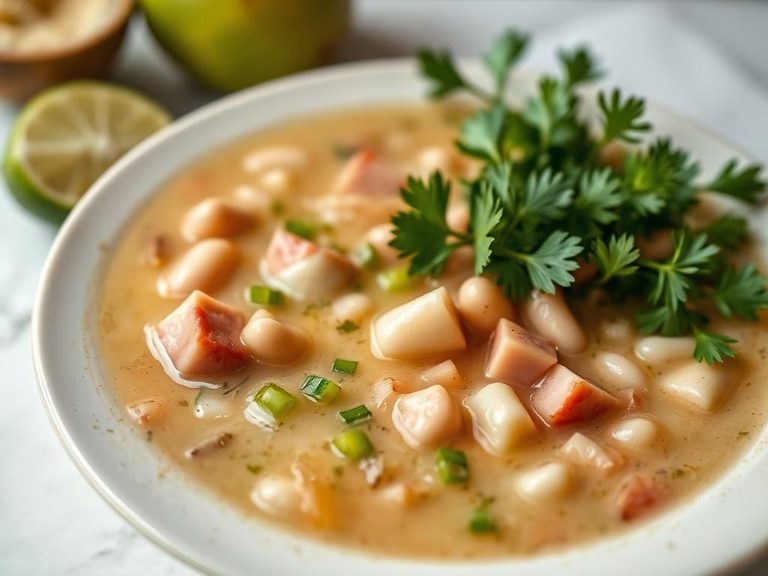
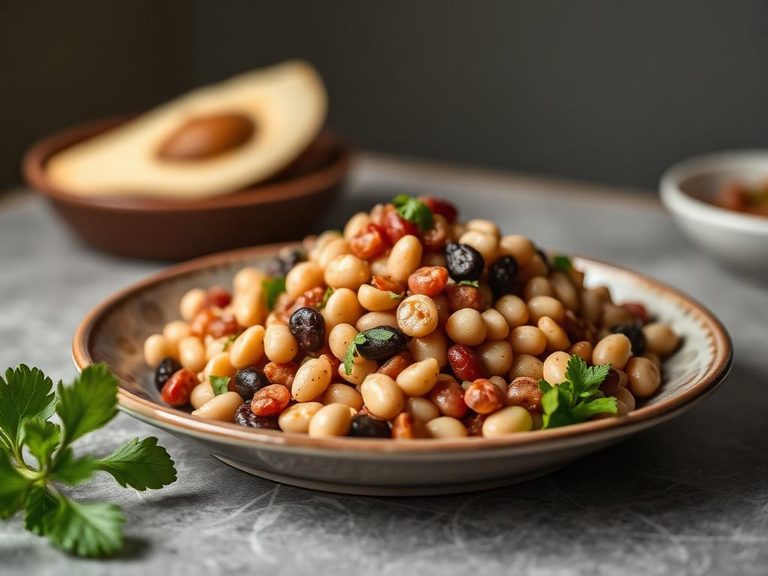
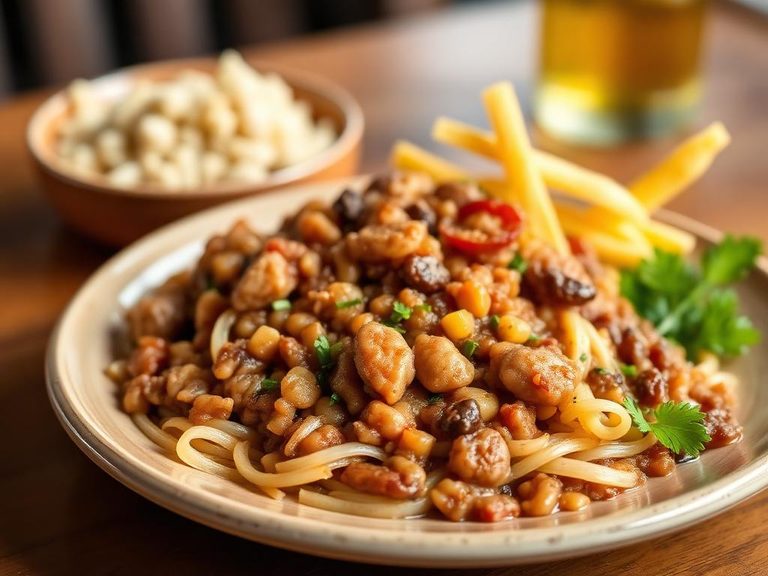
People love lima beans for their uniquely buttery, mild taste that acts as a perfect canvas for savory seasonings like ham, bacon, or herbs. Their versatility allows them to shine in hearty stews, simple sides, or chilled salads, and they hold a special place in Southern U.S. and Mediterranean comfort food traditions.
⚠️ Watch-outs & how to enjoy it better
Some find the texture mealy or the flavor bland if not seasoned well. They contain lectins and oligosaccharides, which can cause digestive discomfort (gas and bloating) in sensitive individuals. To counteract this, ensure they are thoroughly cooked (never eat raw) and consider soaking dried beans overnight, discarding the soak water, to reduce gas-causing compounds.
Key benefits
- Excellent source of plant-based protein
- High in dietary fiber for digestive health
- Rich in iron, potassium, and magnesium
- Provides complex carbohydrates for sustained energy
- Naturally low in sugar and sodium
🍽️ Popular dishes
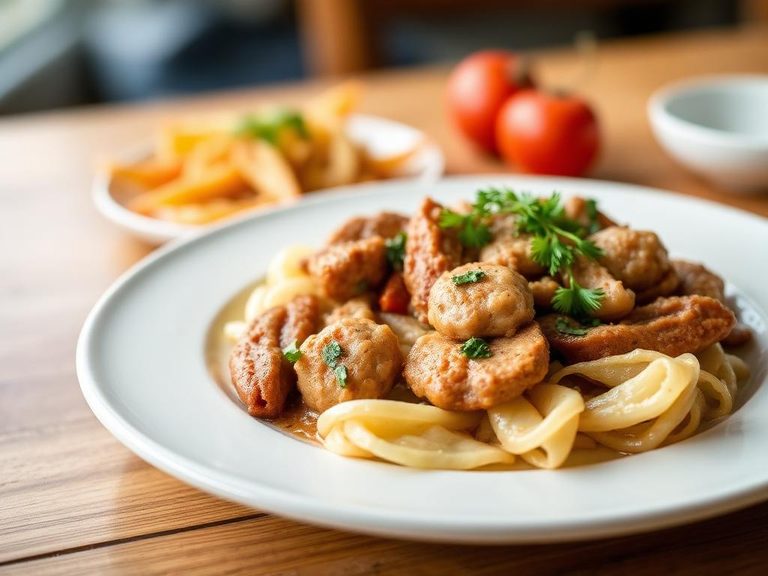
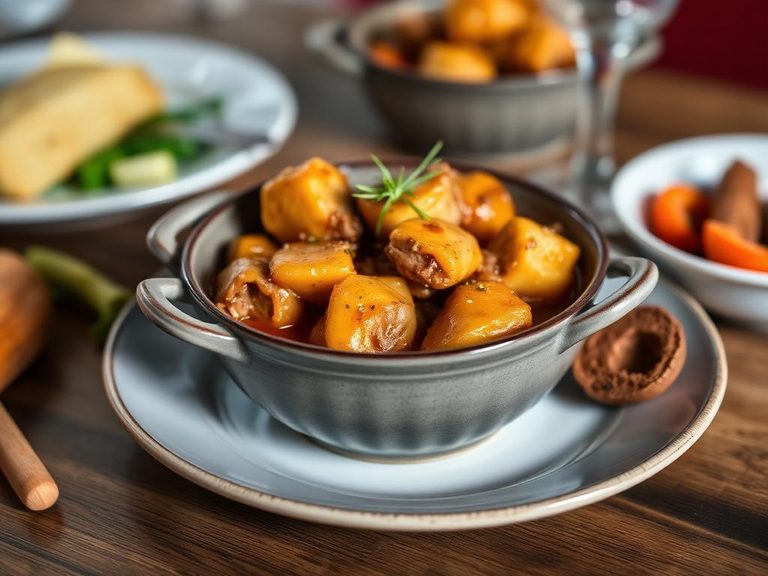
🌍 Where it's eaten
💡 Did you know?
Despite their name, lima beans originated in Peru, not Lima; they were named after the capital city where they were first introduced to the wider world by European traders.
Full nutrition (USDA data · scales with serving)
| Water | 64.9 g |
| Energy | 165 kcal |
| Protein | 7.3 g |
| Total lipid (fat) | 6.9 g |
| Carbohydrate, by difference | 19.4 g |
| Fiber, total dietary | 6.5 g |
| Total Sugars | 2.7 g |
| Calcium, Ca | 16.0 mg |
| Iron, Fe | 2.2 mg |
| Magnesium, Mg | 40.0 mg |
| Phosphorus, P | 103 mg |
| Potassium, K | 472 mg |
| Sodium, Na | 218 mg |
| Zinc, Zn | 0.88 mg |
| Copper, Cu | 0.22 mg |
| Selenium, Se | 4.2 ug |
| Vitamin C, total ascorbic acid | 0.00 mg |
| Thiamin | 0.14 mg |
| Riboflavin | 0.05 mg |
| Niacin | 0.37 mg |
| Vitamin B-6 | 0.14 mg |
| Folate, total | 73.0 ug |
| Folic acid | 0.00 ug |
| Folate, food | 73.0 ug |
| Folate, DFE | 73.0 ug |
| Choline, total | 30.2 mg |
| Vitamin B-12 | 0.00 ug |
| Vitamin B-12, added | 0.00 ug |
| Vitamin A, RAE | 0.00 ug |
| Retinol | 0.00 ug |
| Carotene, beta | 0.00 ug |
| Carotene, alpha | 0.00 ug |
| Cryptoxanthin, beta | 0.00 ug |
| Lycopene | 0.00 ug |
| Lutein + zeaxanthin | 0.00 ug |
| Vitamin E (alpha-tocopherol) | 1.4 mg |
| Vitamin E, added | 0.00 mg |
| Vitamin D (D2 + D3) | 0.00 ug |
| Vitamin K (phylloquinone) | 8.4 ug |
| Alcohol, ethyl | 0.00 g |
| Caffeine | 0.00 mg |
| Theobromine | 0.00 mg |
Fat & fatty acid profile (per 100g)
| Fatty acids, total saturated | 0.95 g |
| SFA 4:0 | 0.00 g |
| SFA 6:0 | 0.00 g |
| SFA 8:0 | 0.00 g |
| SFA 10:0 | 0.00 g |
| SFA 12:0 | 0.00 g |
| SFA 14:0 | 0.00 g |
| SFA 16:0 | 0.69 g |
| SFA 18:0 | 0.20 g |
| Fatty acids, total monounsaturated | 2.8 g |
| MUFA 16:1 | 0.03 g |
| MUFA 18:1 | 2.7 g |
| MUFA 20:1 | 0.04 g |
| MUFA 22:1 | 0.00 g |
| Fatty acids, total polyunsaturated | 2.7 g |
| PUFA 18:2 | 2.3 g |
| PUFA 18:3 | 0.33 g |
| PUFA 18:4 | 0.00 g |
| PUFA 20:4 | 0.00 g |
| PUFA 20:5 n-3 (EPA) | 0.00 g |
| PUFA 22:5 n-3 (DPA) | 0.00 g |
| PUFA 22:6 n-3 (DHA) | 0.00 g |
| Cholesterol | 0.00 mg |
Amino acid profile (per 100g)
Estimated from Lima beans, immature seeds, raw — USDA does not publish this profile for Lima beans.
| Tryptophan | 0.09 g |
| Threonine | 0.29 g |
| Isoleucine | 0.44 g |
| Leucine | 0.54 g |
| Lysine | 0.45 g |
| Methionine | 0.07 g |
| Cystine | 0.08 g |
| Phenylalanine | 0.34 g |
| Tyrosine | 0.22 g |
| Valine | 0.43 g |
| Arginine | 0.46 g |
| Histidine | 0.23 g |
| Alanine | 0.26 g |
| Aspartic acid | 0.73 g |
| Glutamic acid | 0.88 g |
| Glycine | 0.27 g |
| Proline | 0.10 g |
| Serine | 0.43 g |
FAQ
What's the difference between lima beans and butter beans?
They are the same bean (Phaseolus lunatus). 'Butter bean' is the common name in the UK and some other regions, while 'lima bean' is predominant in the United States. Larger, paler varieties are often called butter beans.
Can I eat lima beans straight from the can?
Yes, canned lima beans are fully cooked and safe to eat. However, they are often high in sodium. Rinsing them under water can reduce sodium content by about 40%.
How do I prevent the gas from beans?
Soak dried beans for 8-12 hours, discard the soaking water, and cook them thoroughly. Starting with a small portion and gradually increasing your intake also helps your digestive system adapt.
Nutrient density (calculated · NRF9.3)
Nutrient Rich Foods index: beneficial nutrients (protein, fiber, vitamins, minerals) minus saturated fat, added sugar & sodium, per 100 kcal.
NRF9.3 index — Fulgoni, Keast & Drewnowski, 2009. Computed from USDA nutrients.
Weight-loss friendliness (composite index)
Energy density 1.65 kcal/g · 18% calories from protein · 6.5 g fiber · 2.7 g sugar per 100 g.
Composite of energy density (Rolls et al., 1999), protein & fiber satiety, minus sugar. A calculated heuristic — ranks satiety-per-calorie, not a clinical measure.
Dietary load (calculated from USDA values)
Potential renal acid load. Positive = acid-forming, negative = alkaline-forming.
Sodium-to-potassium ratio: 0.46 (lower is better — aim for ≤ 1)
Sodium:potassium per WHO potassium guidance. Computed from USDA nutrients.