

Lima beans, from canned
Common food

Photo: Wikipedia
Canned lima beans are creamy, buttery legumes with a mild, slightly starchy flavor and a soft, tender texture that holds its shape well. They offer a solid plant-based protein boost (5.86g per 100g) alongside a notable 5.1g of fiber, making them a satisfying, low-sugar (1.3g) addition to savory dishes. Their convenience and consistent texture make them a pantry staple for quick meals.
Calorie split: 19% protein · 60% carbs · 21% fat
↓ Full nutrition💚 Why it's loved
People love them for their uniquely buttery, mild flavor and velvety texture that absorbs seasonings beautifully. They are incredibly versatile, serving as a hearty base for soups, stews, and casseroles, or a simple, comforting side dish.
⚠️ Watch-outs & how to enjoy it better
Some may find their texture overly soft or starchy, and canned versions can be high in sodium, which can affect blood pressure. To counteract this, rinse them thoroughly under water to reduce sodium by up to 40%, and pair them with a source of fat (like olive oil) or acid (like lemon juice) to enhance flavor and balance the meal.
Key benefits
- Excellent source of dietary fiber (5.1g per 100g).
- Good plant-based protein source (5.86g per 100g).
- Naturally low in sugar (1.3g per 100g).
- Provides essential minerals like iron and manganese.
- Convenient, pre-cooked, and shelf-stable.
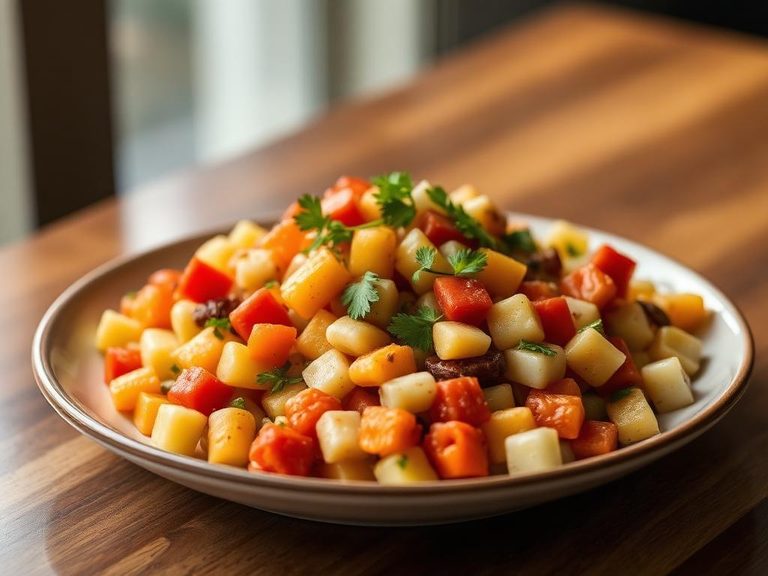
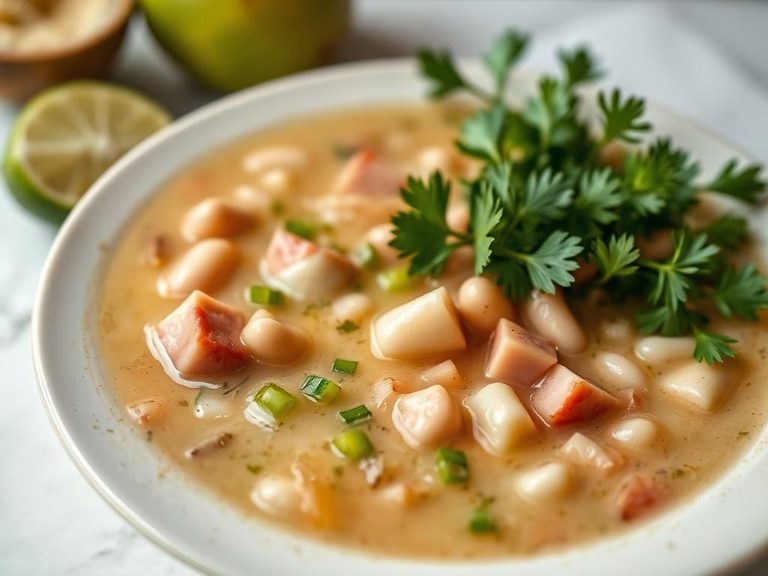
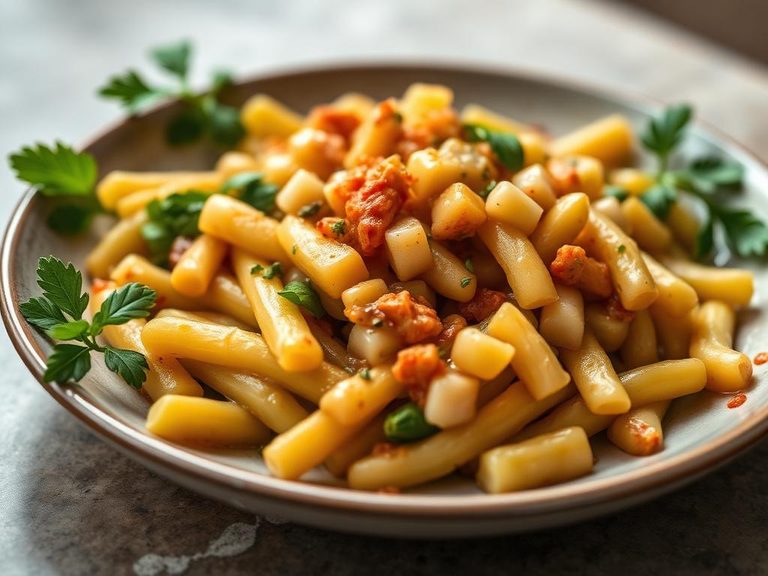
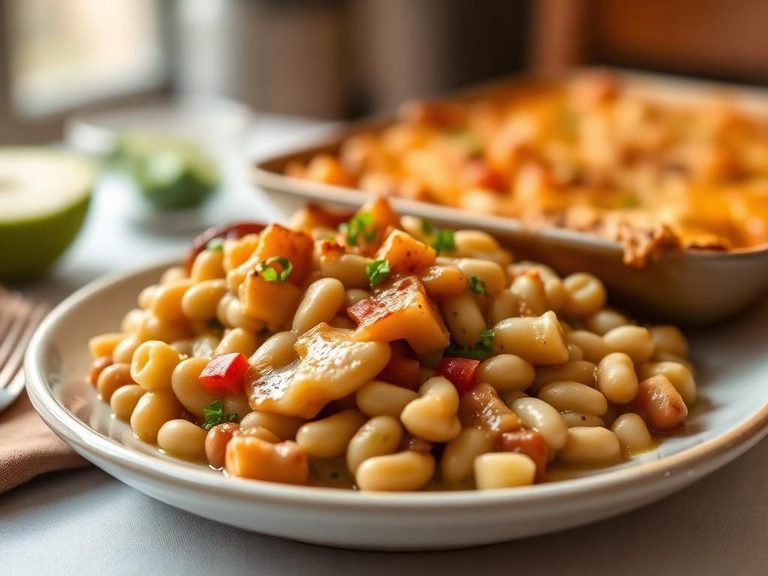
🍽️ Popular dishes
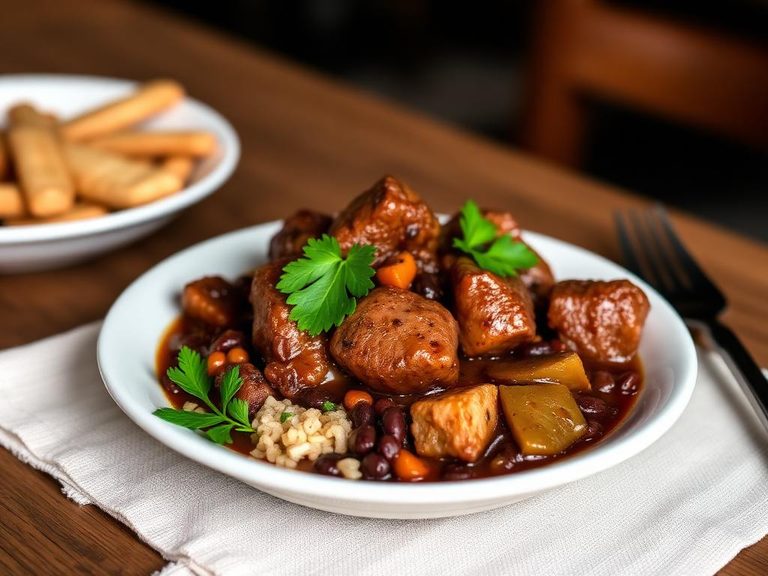
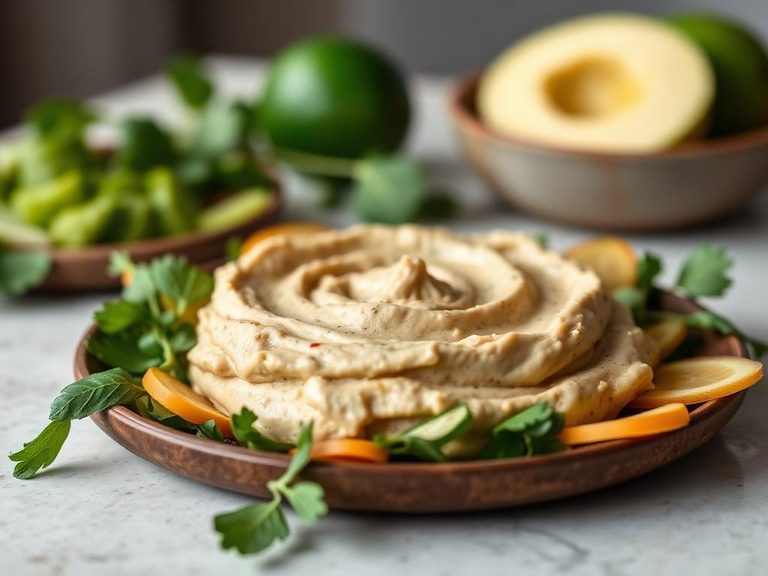
🌍 Where it's eaten
💡 Did you know?
Despite their name, lima beans originated in Peru, not Lima, and were named by European traders who encountered them at the port city of Lima.
Full nutrition (USDA data · scales with serving)
| Water | 70.6 g |
| Energy | 122 kcal |
| Protein | 5.9 g |
| Total lipid (fat) | 2.9 g |
| Carbohydrate, by difference | 18.6 g |
| Fiber, total dietary | 5.1 g |
| Total Sugars | 1.3 g |
| Calcium, Ca | 30.0 mg |
| Iron, Fe | 1.8 mg |
| Magnesium, Mg | 40.0 mg |
| Phosphorus, P | 94.0 mg |
| Potassium, K | 293 mg |
| Sodium, Na | 373 mg |
| Zinc, Zn | 0.71 mg |
| Copper, Cu | 0.16 mg |
| Selenium, Se | 0.60 ug |
| Vitamin C, total ascorbic acid | 12.3 mg |
| Thiamin | 0.07 mg |
| Riboflavin | 0.06 mg |
| Niacin | 1.0 mg |
| Vitamin B-6 | 0.13 mg |
| Folate, total | 20.0 ug |
| Folic acid | 0.00 ug |
| Folate, food | 20.0 ug |
| Folate, DFE | 20.0 ug |
| Choline, total | 35.2 mg |
| Vitamin B-12 | 0.00 ug |
| Vitamin B-12, added | 0.00 ug |
| Vitamin A, RAE | 21.0 ug |
| Retinol | 11.0 ug |
| Carotene, beta | 115 ug |
| Carotene, alpha | 0.00 ug |
| Cryptoxanthin, beta | 0.00 ug |
| Lycopene | 0.00 ug |
| Lutein + zeaxanthin | 0.00 ug |
| Vitamin E (alpha-tocopherol) | 0.66 mg |
| Vitamin E, added | 0.00 mg |
| Vitamin D (D2 + D3) | 0.00 ug |
| Vitamin K (phylloquinone) | 7.0 ug |
| Alcohol, ethyl | 0.00 g |
| Caffeine | 0.00 mg |
| Theobromine | 0.00 mg |
Fat & fatty acid profile (per 100g)
| Fatty acids, total saturated | 0.74 g |
| SFA 4:0 | 0.02 g |
| SFA 6:0 | 0.01 g |
| SFA 8:0 | 0.01 g |
| SFA 10:0 | 0.02 g |
| SFA 12:0 | 0.02 g |
| SFA 14:0 | 0.06 g |
| SFA 16:0 | 0.43 g |
| SFA 18:0 | 0.14 g |
| Fatty acids, total monounsaturated | 0.92 g |
| MUFA 16:1 | 0.01 g |
| MUFA 18:1 | 0.89 g |
| MUFA 20:1 | 0.01 g |
| MUFA 22:1 | 0.00 g |
| Fatty acids, total polyunsaturated | 0.88 g |
| PUFA 18:2 | 0.75 g |
| PUFA 18:3 | 0.13 g |
| PUFA 18:4 | 0.00 g |
| PUFA 20:4 | 0.00 g |
| PUFA 20:5 n-3 (EPA) | 0.00 g |
| PUFA 22:5 n-3 (DPA) | 0.00 g |
| PUFA 22:6 n-3 (DHA) | 0.00 g |
| Cholesterol | 2.0 mg |
Amino acid profile (per 100g)
Estimated from Lima beans, immature seeds, raw — USDA does not publish this profile for Lima beans.
| Tryptophan | 0.09 g |
| Threonine | 0.29 g |
| Isoleucine | 0.44 g |
| Leucine | 0.54 g |
| Lysine | 0.45 g |
| Methionine | 0.07 g |
| Cystine | 0.08 g |
| Phenylalanine | 0.34 g |
| Tyrosine | 0.22 g |
| Valine | 0.43 g |
| Arginine | 0.46 g |
| Histidine | 0.23 g |
| Alanine | 0.26 g |
| Aspartic acid | 0.73 g |
| Glutamic acid | 0.88 g |
| Glycine | 0.27 g |
| Proline | 0.10 g |
| Serine | 0.43 g |
FAQ
Are canned lima beans as nutritious as dried?
Yes, they retain most of their protein, fiber, and minerals. The main difference is higher sodium in the canning liquid, which is easily mitigated by rinsing.
How do I reduce the 'beany' flavor?
Rinsing well helps. Simmering them with aromatics like onion, garlic, bay leaf, or a ham hock can also mellow the flavor and add depth.
Can I use the canning liquid?
It can add body to soups or stews, but be mindful of its salt content. For low-sodium cooking, it's best to discard it and use fresh water or broth.
Nutrient density (calculated · NRF9.3)
Nutrient Rich Foods index: beneficial nutrients (protein, fiber, vitamins, minerals) minus saturated fat, added sugar & sodium, per 100 kcal.
NRF9.3 index — Fulgoni, Keast & Drewnowski, 2009. Computed from USDA nutrients.
Weight-loss friendliness (composite index)
Energy density 1.22 kcal/g · 19% calories from protein · 5.1 g fiber · 1.3 g sugar per 100 g.
Composite of energy density (Rolls et al., 1999), protein & fiber satiety, minus sugar. A calculated heuristic — ranks satiety-per-calorie, not a clinical measure.
Dietary load (calculated from USDA values)
Potential renal acid load. Positive = acid-forming, negative = alkaline-forming.
Sodium-to-potassium ratio: 1.27 (lower is better — aim for ≤ 1)
Sodium:potassium per WHO potassium guidance. Computed from USDA nutrients.