

Lentils, pink or red, raw
Whole food · Legumes and Legume Products

Photo: Wikipedia
Pink or red lentils are small, lens-shaped legumes that cook quickly and break down into a creamy, comforting texture. Their mild, slightly earthy flavor makes them a perfect canvas for bold spices and aromatics. Nutritionally, they are a powerhouse of plant-based protein and fiber while remaining virtually fat-free.
Calorie split: 26% protein · 69% carbs · 5% fat
↓ Full nutrition💚 Why it's loved
People love pink lentils for their incredible convenience—they cook in just 15-20 minutes without soaking and naturally dissolve into a thick, creamy dal or soup. Their mild, nutty flavor readily absorbs spices, making them a versatile staple in kitchens from Mumbai to Istanbul.
⚠️ Watch-outs & how to enjoy it better
Their high fiber and complex carb content can cause digestive gas or bloating for some, especially if introduced suddenly. To counteract this, start with small portions, ensure they are thoroughly cooked, and consider adding digestive spices like cumin, ginger, or asafoetida. They also contain lectins, which are neutralized by proper boiling.
Key benefits
- Excellent source of plant-based protein (23.91g per 100g dry).
- High in dietary fiber (10.8g per 100g) for digestive health.
- Rich in complex carbohydrates for sustained energy.
- Naturally very low in fat (2.17g per 100g).
- Good source of iron and folate.
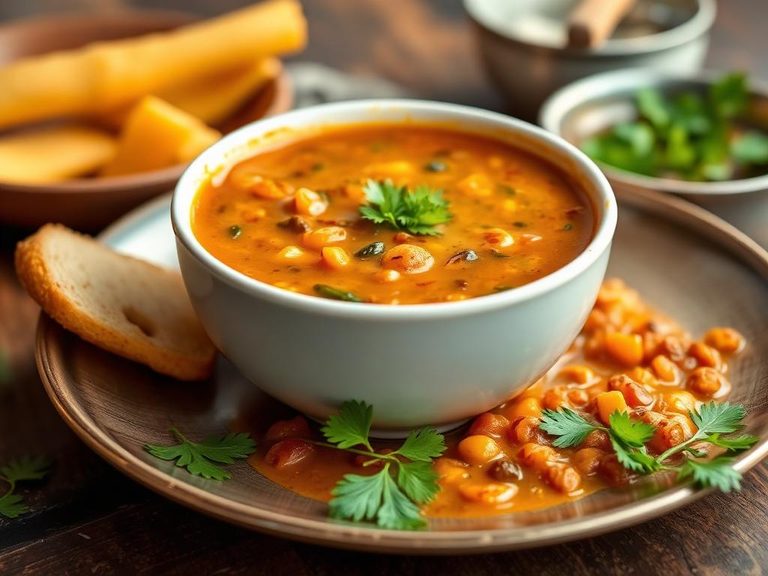
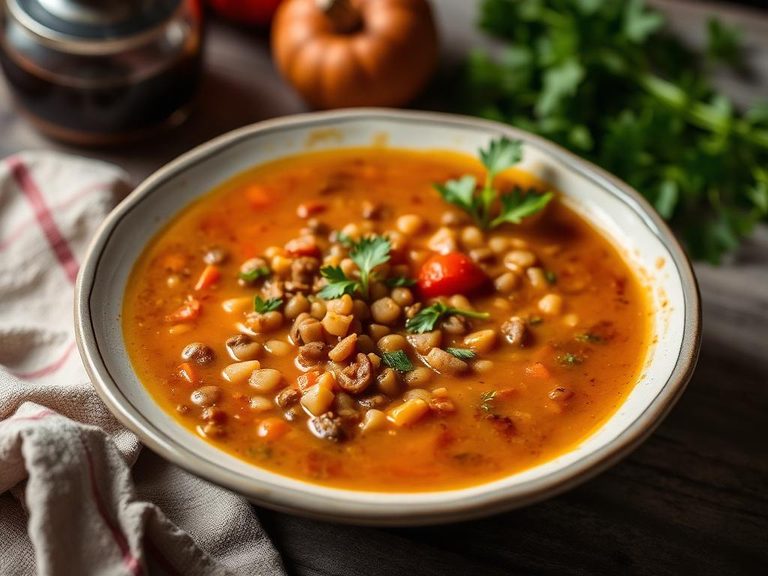
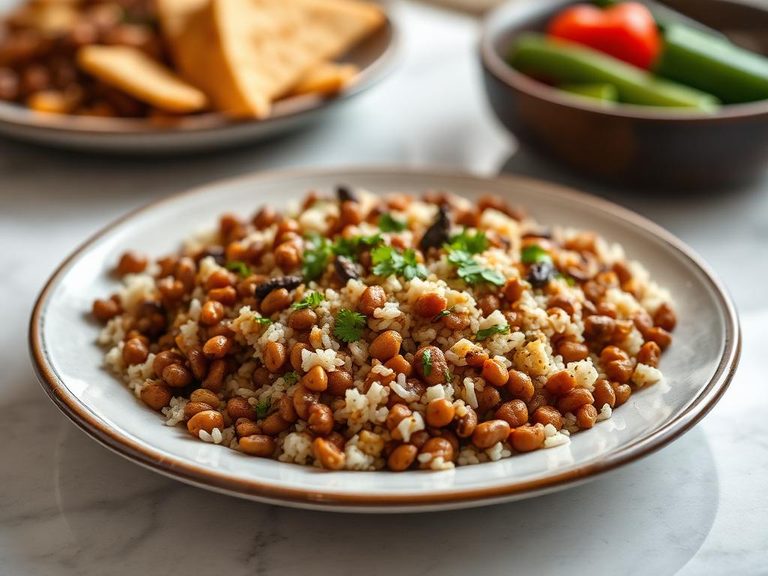
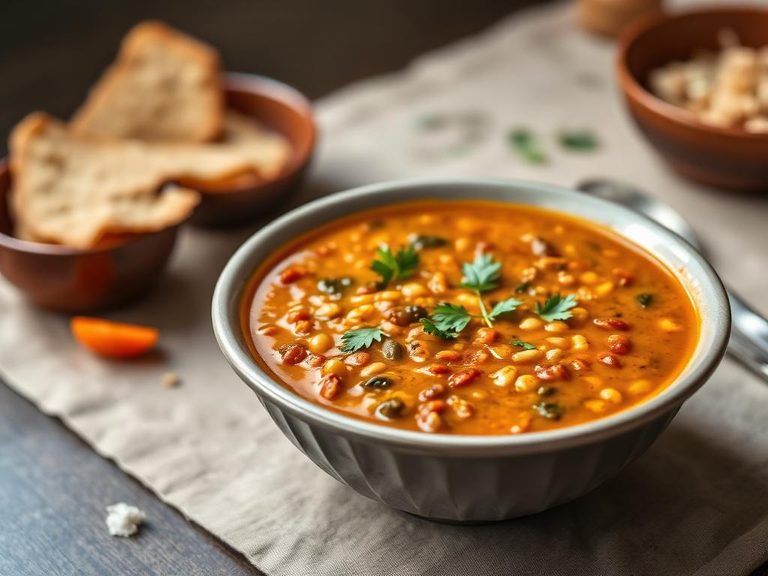
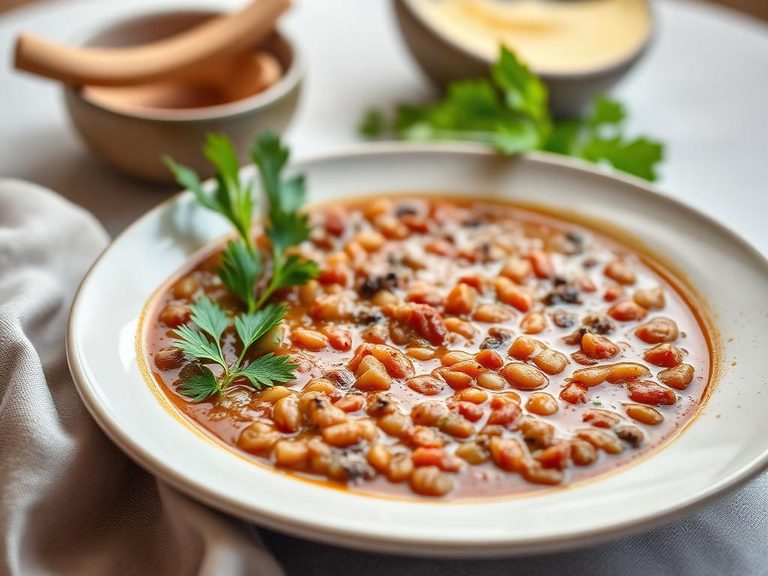
🍽️ Popular dishes
🌍 Where it's eaten
💡 Did you know?
Unlike brown or green lentils, pink and red lentils are actually the same legume (Lens culinaris) but have had their outer seed coat polished off, which is why they cook so fast and lose their shape.
Full nutrition (USDA data · scales with serving)
| Water | 7.8 g |
| Energy | 358 kcal |
| Energy | 1498 kj |
| Protein | 23.9 g |
| Total lipid (fat) | 2.2 g |
| Ash | 3.0 g |
| Carbohydrate, by difference | 63.1 g |
| Fiber, total dietary | 10.8 g |
| Starch | 47.6 g |
| Calcium, Ca | 48.0 mg |
| Iron, Fe | 7.4 mg |
| Magnesium, Mg | 59.0 mg |
| Phosphorus, P | 294 mg |
| Potassium, K | 668 mg |
| Sodium, Na | 7.0 mg |
| Zinc, Zn | 3.6 mg |
| Copper, Cu | 1.3 mg |
| Manganese, Mn | 1.7 mg |
| Selenium, Se | 0.00 ug |
| Vitamin C, total ascorbic acid | 1.7 mg |
| Thiamin | 0.51 mg |
| Riboflavin | 0.11 mg |
| Niacin | 1.5 mg |
| Pantothenic acid | 0.35 mg |
| Vitamin B-6 | 0.40 mg |
| Folate, total | 204 ug |
| Folic acid | 0.00 ug |
| Folate, food | 204 ug |
| Folate, DFE | 204 ug |
| Vitamin B-12 | 0.00 ug |
| Vitamin A, RAE | 3.0 ug |
| Retinol | 0.00 ug |
| Carotene, beta | 35.0 ug |
| Carotene, alpha | 0.00 ug |
| Cryptoxanthin, beta | 0.00 ug |
| Vitamin A, IU | 58.0 iu |
| Vitamin D (D2 + D3), International Units | 0.00 iu |
| Vitamin D (D2 + D3) | 0.00 ug |
Fat & fatty acid profile (per 100g)
| Fatty acids, total saturated | 0.38 g |
| SFA 10:0 | 0.00 g |
| SFA 12:0 | 0.00 g |
| SFA 14:0 | 0.00 g |
| SFA 15:0 | 0.00 g |
| SFA 16:0 | 0.28 g |
| SFA 17:0 | 0.00 g |
| SFA 18:0 | 0.04 g |
| SFA 20:0 | 0.01 g |
| SFA 22:0 | 0.01 g |
| SFA 24:0 | 0.01 g |
| Fatty acids, total monounsaturated | 0.50 g |
| MUFA 18:1 | 0.49 g |
| MUFA 20:1 | 0.01 g |
| Fatty acids, total polyunsaturated | 1.1 g |
| PUFA 18:2 | 0.89 g |
| PUFA 18:3 | 0.25 g |
| Fatty acids, total trans | 0.00 g |
| Cholesterol | 0.00 mg |
| Phytosterols | 57.0 mg |
| Stigmasterol | 4.0 mg |
| Campesterol | 6.0 mg |
| Beta-sitosterol | 47.0 mg |
Amino acid profile (per 100g)
| Tryptophan | 0.22 g |
| Threonine | 0.90 g |
| Isoleucine | 1.1 g |
| Leucine | 1.8 g |
| Lysine | 1.7 g |
| Methionine | 0.21 g |
| Cystine | 0.33 g |
| Phenylalanine | 1.2 g |
| Tyrosine | 0.67 g |
| Valine | 1.2 g |
| Arginine | 1.9 g |
| Histidine | 0.70 g |
| Alanine | 1.0 g |
| Aspartic acid | 2.8 g |
| Glutamic acid | 3.9 g |
| Glycine | 1.0 g |
| Proline | 1.0 g |
| Serine | 1.1 g |
FAQ
Do pink lentils need to be soaked before cooking?
No, they do not require soaking. Their thin, split nature allows them to cook quickly (15-20 minutes) directly in liquid.
What is the difference between pink and red lentils?
They are essentially the same thing. The terms are often used interchangeably, with the color varying slightly from pale pink to deep orange-red depending on the variety and milling.
Why do my lentils turn mushy?
Pink/red lentils are meant to break down and become creamy. If you want some texture, reduce cooking time slightly, but they will not hold their shape like brown or green lentils.
Nutrient density (calculated · NRF9.3)
Nutrient Rich Foods index: beneficial nutrients (protein, fiber, vitamins, minerals) minus saturated fat, added sugar & sodium, per 100 kcal.
NRF9.3 index — Fulgoni, Keast & Drewnowski, 2009. Computed from USDA nutrients.
Weight-loss friendliness (composite index)
Energy density 3.58 kcal/g · 27% calories from protein · 10.8 g fiber · 0.0 g sugar per 100 g.
Composite of energy density (Rolls et al., 1999), protein & fiber satiety, minus sugar. A calculated heuristic — ranks satiety-per-calorie, not a clinical measure.
Dietary load (calculated from USDA values)
Potential renal acid load. Positive = acid-forming, negative = alkaline-forming.
Sodium-to-potassium ratio: 0.01 (lower is better — aim for ≤ 1)
Sodium:potassium per WHO potassium guidance. Computed from USDA nutrients.