

Imitation crab meat
Common food

Photo: Wikipedia
Imitation crab meat, or surimi, is a processed seafood product made from white fish paste, starch, and flavorings designed to mimic the texture and mild sweetness of real crab. Its texture is firm, flaky, and slightly springy, with a clean, oceanic flavor that's less briny than the real thing. Nutritionally, it's a very low-fat, high-protein option, with a modest calorie count of 95 kcal per 100g.
Calorie split: 32% protein · 63% carbs · 4% fat
↓ Full nutrition💚 Why it's loved
People love it for its incredible versatility and convenience—it provides the satisfying taste and texture of crab in salads, sushi, and dips without the high cost or labor of shelling real crab. Its mild flavor makes it a crowd-pleasing ingredient in many cuisines.
⚠️ Watch-outs & how to enjoy it better
It is often high in sodium, which can be a concern for blood pressure, and contains added sugars and starches that can cause quicker blood-sugar spikes compared to whole fish. It is also a common allergen (contains fish and often soy). To counteract, pair it with non-starchy vegetables and healthy fats (like avocado or olive oil) to slow digestion, practice portion control, and rinse it briefly under water to reduce surface sodium.
Key benefits
- High in lean protein for muscle maintenance.
- Very low in fat and calories.
- A budget-friendly seafood alternative.
- Quick-cooking and requires no prep.
- Source of phosphorus and selenium.
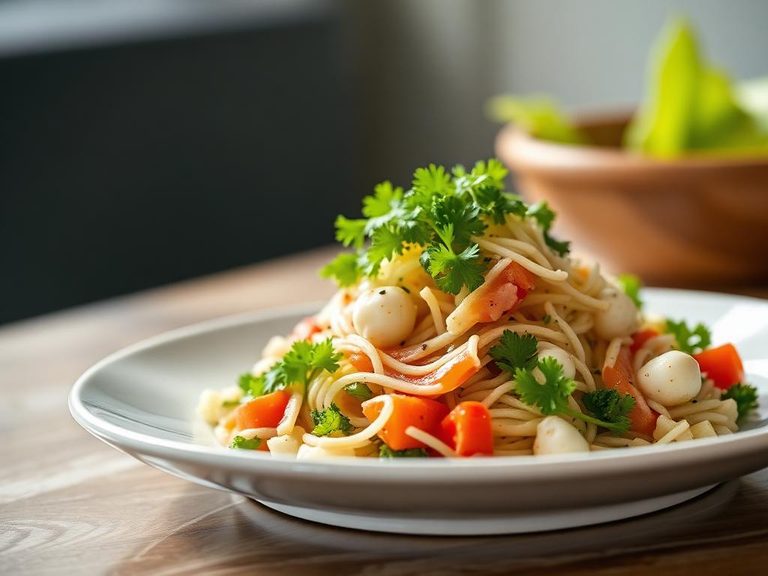
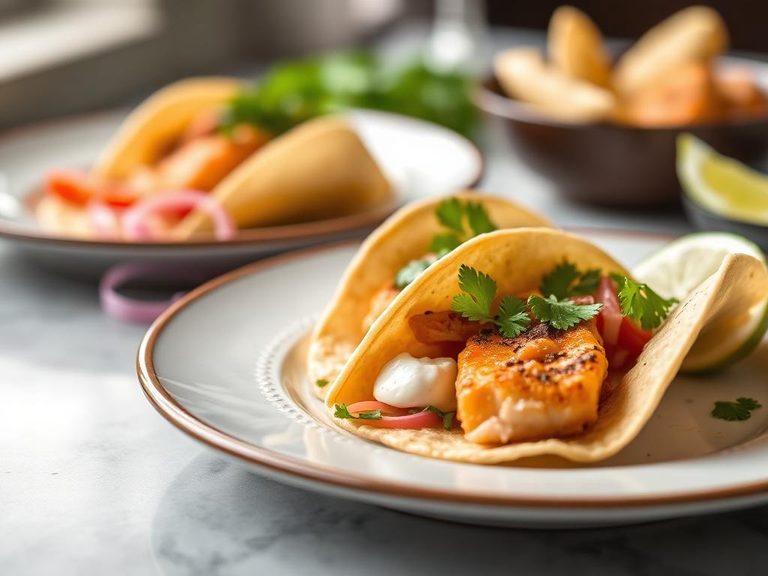
🍽️ Popular dishes
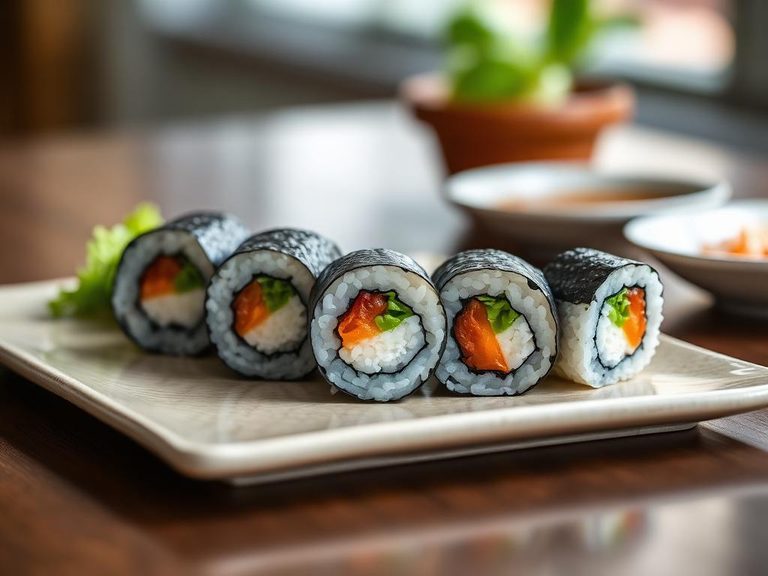
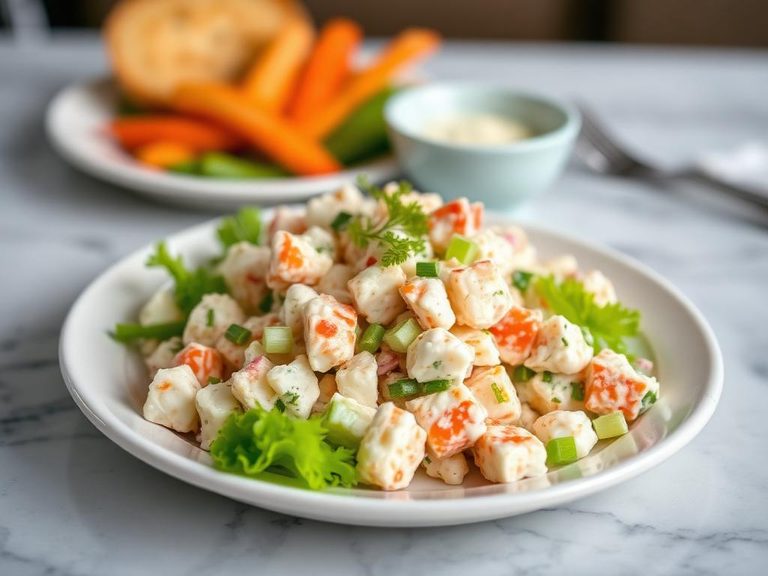
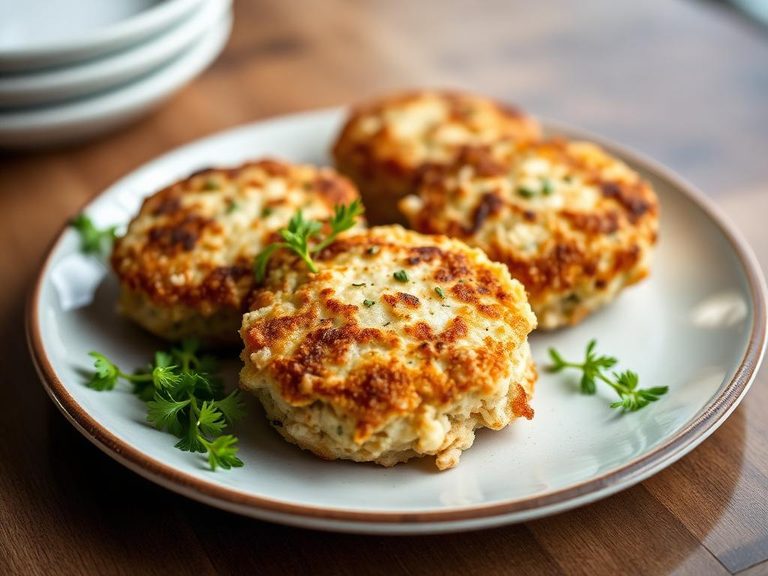
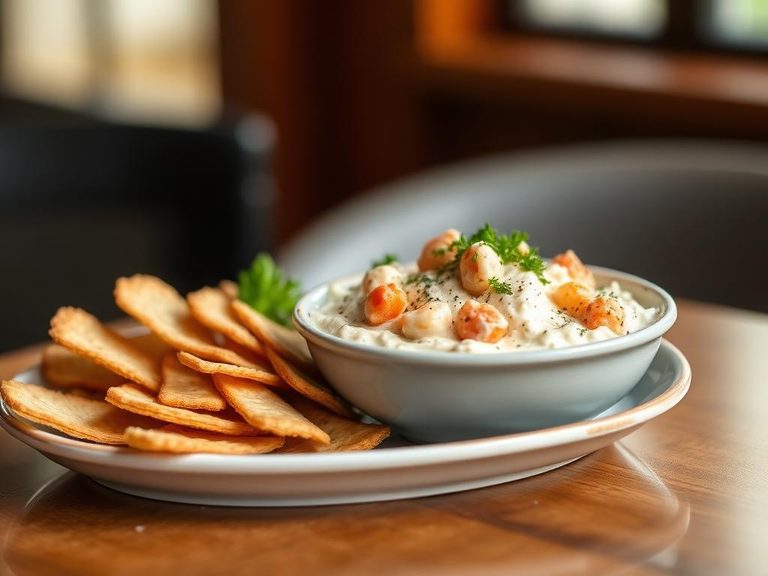
🌍 Where it's eaten
💡 Did you know?
The development of modern surimi technology was significantly advanced in the 1960s by Japanese scientist Dr. Naka Yatsui, who sought to create a stable, affordable alternative to declining snow crab stocks.
Full nutrition (USDA data · scales with serving)
| Water | 74.7 g |
| Energy | 95.0 kcal |
| Protein | 7.6 g |
| Total lipid (fat) | 0.46 g |
| Carbohydrate, by difference | 15.0 g |
| Fiber, total dietary | 0.50 g |
| Total Sugars | 6.3 g |
| Calcium, Ca | 13.0 mg |
| Iron, Fe | 0.39 mg |
| Magnesium, Mg | 43.0 mg |
| Phosphorus, P | 282 mg |
| Potassium, K | 90.0 mg |
| Sodium, Na | 529 mg |
| Zinc, Zn | 0.33 mg |
| Copper, Cu | 0.03 mg |
| Selenium, Se | 22.3 ug |
| Vitamin C, total ascorbic acid | 0.00 mg |
| Thiamin | 0.03 mg |
| Riboflavin | 0.08 mg |
| Niacin | 0.62 mg |
| Vitamin B-6 | 0.13 mg |
| Folate, total | 0.00 ug |
| Folic acid | 0.00 ug |
| Folate, food | 0.00 ug |
| Folate, DFE | 0.00 ug |
| Choline, total | 13.0 mg |
| Vitamin B-12 | 0.57 ug |
| Vitamin B-12, added | 0.00 ug |
| Vitamin A, RAE | 0.00 ug |
| Retinol | 0.00 ug |
| Carotene, beta | 0.00 ug |
| Carotene, alpha | 0.00 ug |
| Cryptoxanthin, beta | 0.00 ug |
| Lycopene | 0.00 ug |
| Lutein + zeaxanthin | 0.00 ug |
| Vitamin E (alpha-tocopherol) | 0.17 mg |
| Vitamin E, added | 0.00 mg |
| Vitamin D (D2 + D3) | 0.00 ug |
| Vitamin K (phylloquinone) | 0.40 ug |
| Alcohol, ethyl | 0.00 g |
| Caffeine | 0.00 mg |
| Theobromine | 0.00 mg |
Fat & fatty acid profile (per 100g)
| Fatty acids, total saturated | 0.22 g |
| SFA 4:0 | 0.00 g |
| SFA 6:0 | 0.00 g |
| SFA 8:0 | 0.00 g |
| SFA 10:0 | 0.00 g |
| SFA 12:0 | 0.02 g |
| SFA 14:0 | 0.02 g |
| SFA 16:0 | 0.11 g |
| SFA 18:0 | 0.05 g |
| Fatty acids, total monounsaturated | 0.28 g |
| MUFA 16:1 | 0.01 g |
| MUFA 18:1 | 0.11 g |
| MUFA 20:1 | 0.00 g |
| MUFA 22:1 | 0.01 g |
| Fatty acids, total polyunsaturated | 0.14 g |
| PUFA 18:2 | 0.01 g |
| PUFA 18:3 | 0.01 g |
| PUFA 18:4 | 0.00 g |
| PUFA 20:4 | 0.00 g |
| PUFA 20:5 n-3 (EPA) | 0.00 g |
| PUFA 22:5 n-3 (DPA) | 0.00 g |
| PUFA 22:6 n-3 (DHA) | 0.03 g |
| Cholesterol | 20.0 mg |
Amino acid profile (per 100g)
Estimated from Crustaceans, crab, alaska king, imitation, made from surimi — USDA does not publish this profile for Imitation crab meat.
| Tryptophan | 0.07 g |
| Threonine | 0.28 g |
| Isoleucine | 0.23 g |
| Leucine | 0.61 g |
| Lysine | 0.71 g |
| Methionine | 0.26 g |
| Cystine | 0.08 g |
| Phenylalanine | 0.26 g |
| Tyrosine | 0.22 g |
| Valine | 0.29 g |
| Arginine | 0.49 g |
| Histidine | 0.16 g |
| Alanine | 0.43 g |
| Aspartic acid | 0.89 g |
| Glutamic acid | 1.4 g |
| Glycine | 0.28 g |
| Proline | 0.33 g |
| Serine | 0.46 g |
FAQ
Is imitation crab meat actually crab?
No. It's primarily made from surimi, a paste of white fish (usually pollock), mixed with starch, egg whites, sugar, and crab flavoring to mimic crab's taste and texture.
Is it healthy?
It can be a healthy part of a diet due to its high protein and low fat content. However, its high sodium and added carbohydrate content mean it should be consumed in moderation, especially by those monitoring blood pressure or blood sugar.
How should I store it?
Keep it refrigerated in its original packaging or an airtight container. Once opened, consume within 3-5 days. It can also be frozen for up to 3 months, though texture may change slightly upon thawing.
Nutrient density (calculated · NRF9.3)
Nutrient Rich Foods index: beneficial nutrients (protein, fiber, vitamins, minerals) minus saturated fat, added sugar & sodium, per 100 kcal.
NRF9.3 index — Fulgoni, Keast & Drewnowski, 2009. Computed from USDA nutrients.
Weight-loss friendliness (composite index)
Energy density 0.95 kcal/g · 32% calories from protein · 0.5 g fiber · 6.3 g sugar per 100 g.
Composite of energy density (Rolls et al., 1999), protein & fiber satiety, minus sugar. A calculated heuristic — ranks satiety-per-calorie, not a clinical measure.
Dietary load (calculated from USDA values)
Potential renal acid load. Positive = acid-forming, negative = alkaline-forming.
Sodium-to-potassium ratio: 5.88 (lower is better — aim for ≤ 1)
Sodium:potassium per WHO potassium guidance. Computed from USDA nutrients.