

Greens, canned, cooked
Common food

Photo: Wikipedia
Canned cooked greens are typically collard, turnip, or mustard greens that have been simmered until tender and preserved in a savory, often smoky, broth. The texture is soft and silky, with a deep, earthy flavor that carries the essence of its cooking liquid. Nutritionally, they are a low-calorie source of fiber and fat-soluble vitamins, with the fat content often coming from added seasoning like bacon or ham hocks.
Calorie split: 13% protein · 26% carbs · 61% fat
↓ Full nutrition💚 Why it's loved
People love them for their comforting, soulful flavor that evokes home cooking and tradition, especially in the American South. They are incredibly versatile, serving as a quick side dish or a flavorful base for stews and casseroles.
⚠️ Watch-outs & how to enjoy it better
The primary downside is often high sodium content from the canning brine and added seasonings, which can be a concern for blood pressure. To counteract this, look for 'low sodium' versions or rinse the greens thoroughly under water before use. They may also contain added fats like pork products; choosing vegetarian canned greens or draining well can reduce saturated fat intake.
Key benefits
- Provides dietary fiber for digestive health
- Rich in vitamins A and K from the leafy greens
- Convenient, shelf-stable vegetable source
- Contains plant-based iron and calcium
- Low in calories per serving
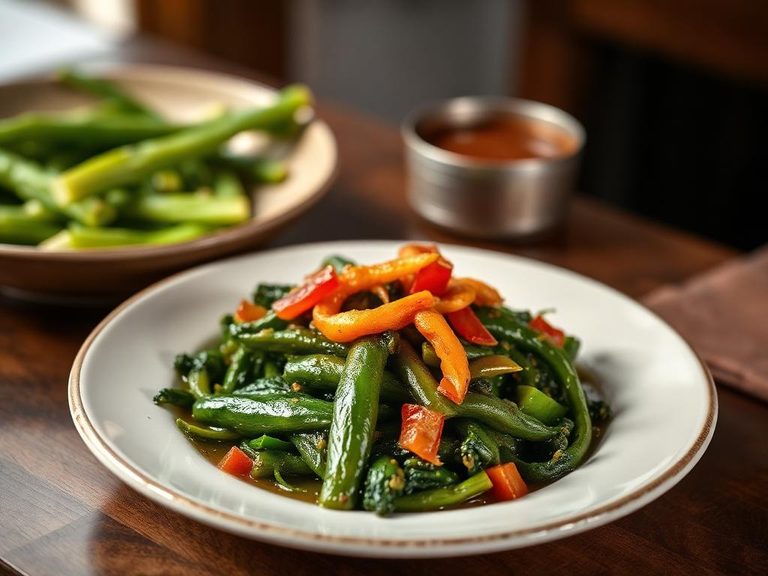
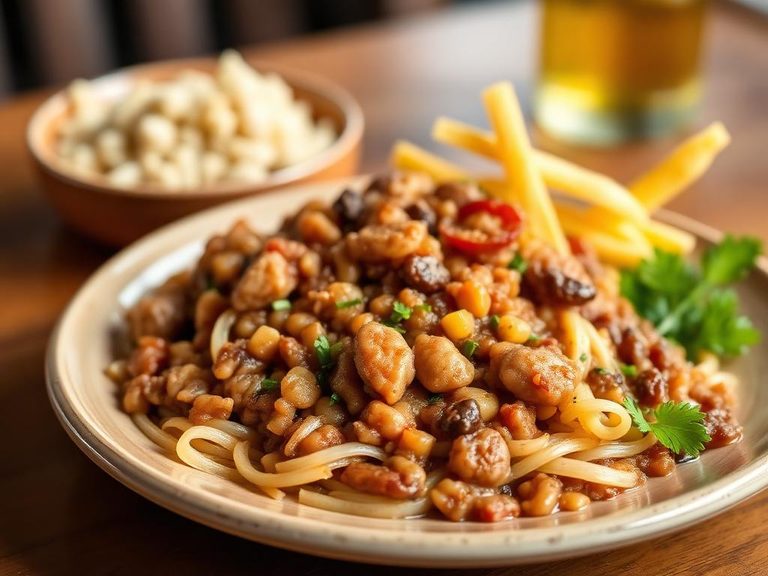
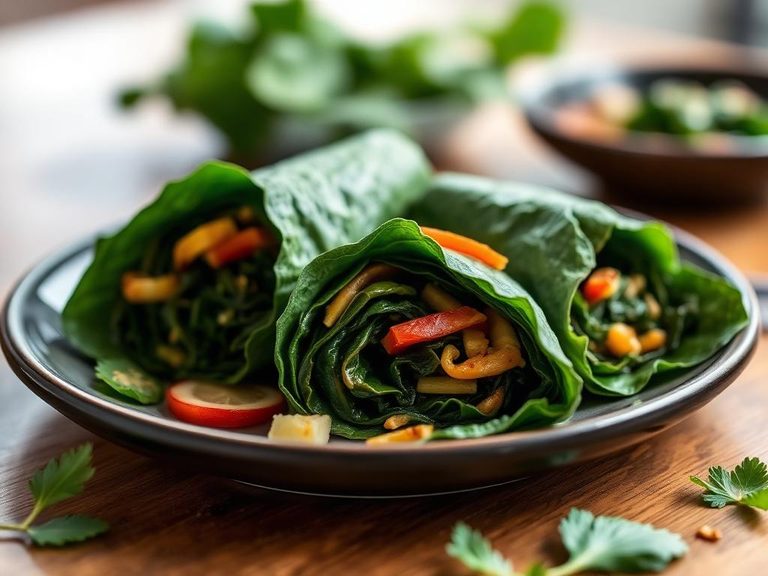
🍽️ Popular dishes

🌍 Where it's eaten
💡 Did you know?
The flavorful liquid left in the can or pot after cooking greens is called 'pot liquor' (or 'potlikker') and is traditionally sopped up with cornbread, as it contains leached-out vitamins and minerals.
Full nutrition (USDA data · scales with serving)
| Water | 91.5 g |
| Energy | 41.0 kcal |
| Protein | 1.3 g |
| Total lipid (fat) | 2.8 g |
| Carbohydrate, by difference | 2.7 g |
| Fiber, total dietary | 1.3 g |
| Total Sugars | 0.41 g |
| Calcium, Ca | 114 mg |
| Iron, Fe | 1.5 mg |
| Magnesium, Mg | 19.0 mg |
| Phosphorus, P | 20.0 mg |
| Potassium, K | 136 mg |
| Sodium, Na | 335 mg |
| Zinc, Zn | 0.22 mg |
| Copper, Cu | 0.08 mg |
| Selenium, Se | 0.70 ug |
| Vitamin C, total ascorbic acid | 14.2 mg |
| Thiamin | 0.01 mg |
| Riboflavin | 0.06 mg |
| Niacin | 0.35 mg |
| Vitamin B-6 | 0.06 mg |
| Folate, total | 84.0 ug |
| Folic acid | 0.00 ug |
| Folate, food | 84.0 ug |
| Folate, DFE | 84.0 ug |
| Choline, total | 0.50 mg |
| Vitamin B-12 | 0.00 ug |
| Vitamin B-12, added | 0.00 ug |
| Vitamin A, RAE | 298 ug |
| Retinol | 11.0 ug |
| Carotene, beta | 3447 ug |
| Carotene, alpha | 0.00 ug |
| Cryptoxanthin, beta | 0.00 ug |
| Lycopene | 0.00 ug |
| Lutein + zeaxanthin | 6350 ug |
| Vitamin E (alpha-tocopherol) | 1.8 mg |
| Vitamin E, added | 0.00 mg |
| Vitamin D (D2 + D3) | 0.00 ug |
| Vitamin K (phylloquinone) | 279 ug |
| Alcohol, ethyl | 0.00 g |
| Caffeine | 0.00 mg |
| Theobromine | 0.00 mg |
Fat & fatty acid profile (per 100g)
| Fatty acids, total saturated | 0.73 g |
| SFA 4:0 | 0.02 g |
| SFA 6:0 | 0.01 g |
| SFA 8:0 | 0.01 g |
| SFA 10:0 | 0.02 g |
| SFA 12:0 | 0.02 g |
| SFA 14:0 | 0.07 g |
| SFA 16:0 | 0.41 g |
| SFA 18:0 | 0.14 g |
| Fatty acids, total monounsaturated | 0.92 g |
| MUFA 16:1 | 0.03 g |
| MUFA 18:1 | 0.87 g |
| MUFA 20:1 | 0.01 g |
| MUFA 22:1 | 0.00 g |
| Fatty acids, total polyunsaturated | 0.84 g |
| PUFA 18:2 | 0.68 g |
| PUFA 18:3 | 0.16 g |
| PUFA 18:4 | 0.00 g |
| PUFA 20:4 | 0.00 g |
| PUFA 20:5 n-3 (EPA) | 0.00 g |
| PUFA 22:5 n-3 (DPA) | 0.00 g |
| PUFA 22:6 n-3 (DHA) | 0.00 g |
| Cholesterol | 2.0 mg |
Amino acid profile (per 100g)
Estimated from Beet greens, cooked, boiled, drained, with salt — USDA does not publish this profile for Greens.
| Tryptophan | 0.04 g |
| Threonine | 0.08 g |
| Isoleucine | 0.05 g |
| Leucine | 0.12 g |
| Lysine | 0.07 g |
| Methionine | 0.02 g |
| Cystine | 0.02 g |
| Phenylalanine | 0.07 g |
| Tyrosine | 0.06 g |
| Valine | 0.08 g |
| Arginine | 0.07 g |
| Histidine | 0.04 g |
| Alanine | 0.10 g |
| Aspartic acid | 0.15 g |
| Glutamic acid | 0.31 g |
| Glycine | 0.09 g |
| Proline | 0.06 g |
| Serine | 0.08 g |
FAQ
What types of greens are usually in the can?
It's most commonly collard greens, but cans may also contain turnip greens, mustard greens, or a mixture. Check the label for specifics.
Why are canned greens sometimes higher in fat than fresh?
Traditional recipes often cook greens with fatty meats like bacon, ham hocks, or salt pork for flavor, and this fat is retained in the can.
How can I use the canned liquid?
The liquid, or 'pot liquor,' is full of flavor and nutrients. Use it as a flavorful cooking liquid for rice or beans, or as a base for a quick soup.
Nutrient density (calculated · NRF9.3)
Nutrient Rich Foods index: beneficial nutrients (protein, fiber, vitamins, minerals) minus saturated fat, added sugar & sodium, per 100 kcal.
NRF9.3 index — Fulgoni, Keast & Drewnowski, 2009. Computed from USDA nutrients.
Weight-loss friendliness (composite index)
Energy density 0.41 kcal/g · 13% calories from protein · 1.3 g fiber · 0.4 g sugar per 100 g.
Composite of energy density (Rolls et al., 1999), protein & fiber satiety, minus sugar. A calculated heuristic — ranks satiety-per-calorie, not a clinical measure.
Dietary load (calculated from USDA values)
Potential renal acid load. Positive = acid-forming, negative = alkaline-forming.
Sodium-to-potassium ratio: 2.46 (lower is better — aim for ≤ 1)
Sodium:potassium per WHO potassium guidance. Computed from USDA nutrients.