

Mixed salad greens, raw
Common food
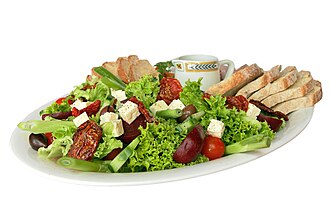
Photo: Wikipedia
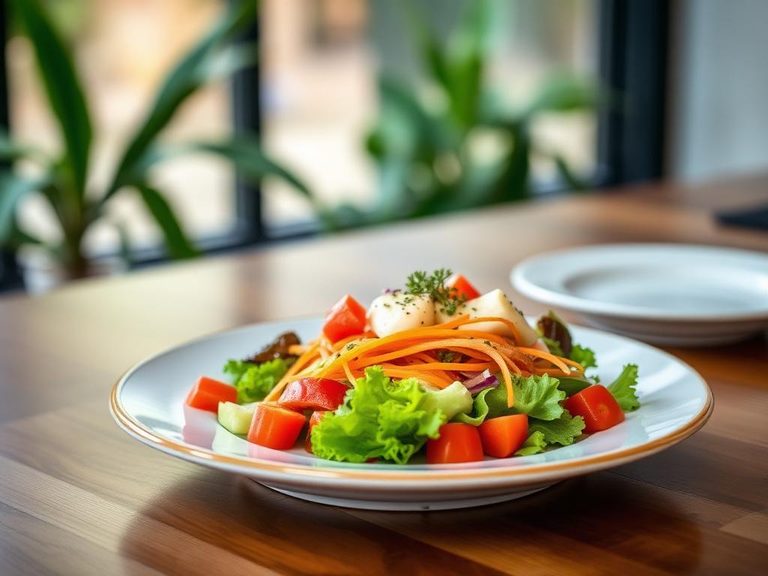
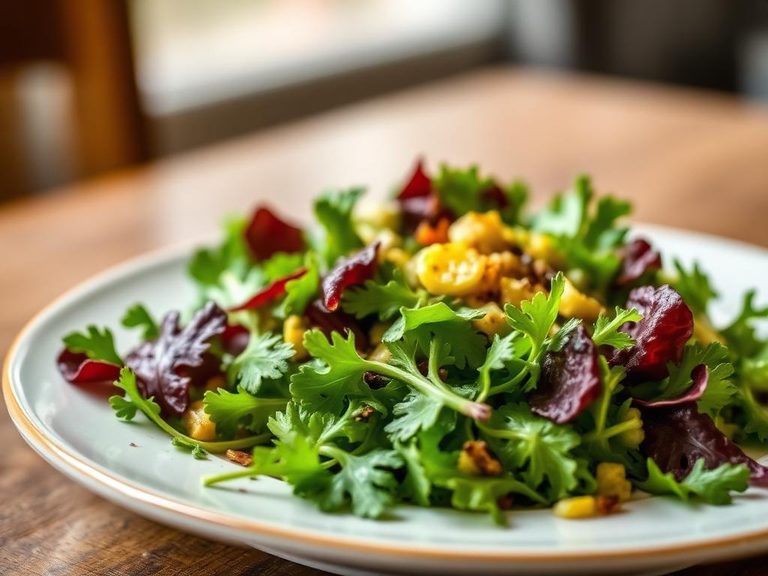
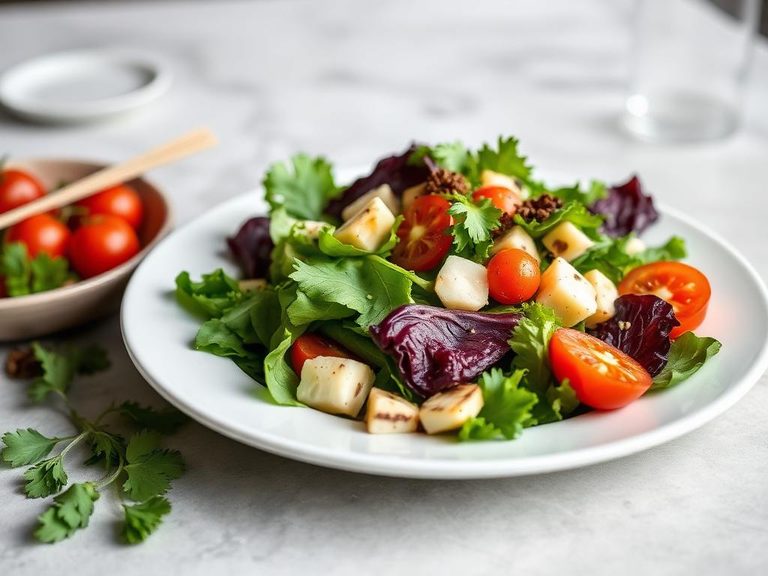
A vibrant, tender mix of young salad leaves—typically including varieties like arugula, spinach, frisée, and radicchio—offering a delicate crunch and a spectrum of flavors from peppery to mildly sweet. This raw, low-calorie base is a nutritional powerhouse, providing essential vitamins and fiber with minimal calories. Its fresh, crisp texture and light taste make it an ideal canvas for a wide range of dressings and toppings.
Calorie split: 25% protein · 66% carbs · 9% fat
↓ Full nutrition💚 Why it's loved
People love mixed greens for their incredible versatility and the way they instantly elevate a meal with color, texture, and freshness. They are a cultural staple in salads worldwide, from a simple French side to a complex Mediterranean mezze platter.
⚠️ Watch-outs & how to enjoy it better
Some individuals may experience digestive discomfort or bloating due to the high fiber content, especially if not accustomed to it. To counteract this, start with smaller portions, ensure thorough chewing, and pair with a healthy fat like olive oil or avocado to aid nutrient absorption and digestion.
Key benefits
- Excellent source of vitamins A, C, and K
- High in dietary fiber for digestive health
- Very low in calories and fat
- Rich in antioxidants and phytonutrients
- Hydrating due to high water content
🍽️ Popular dishes
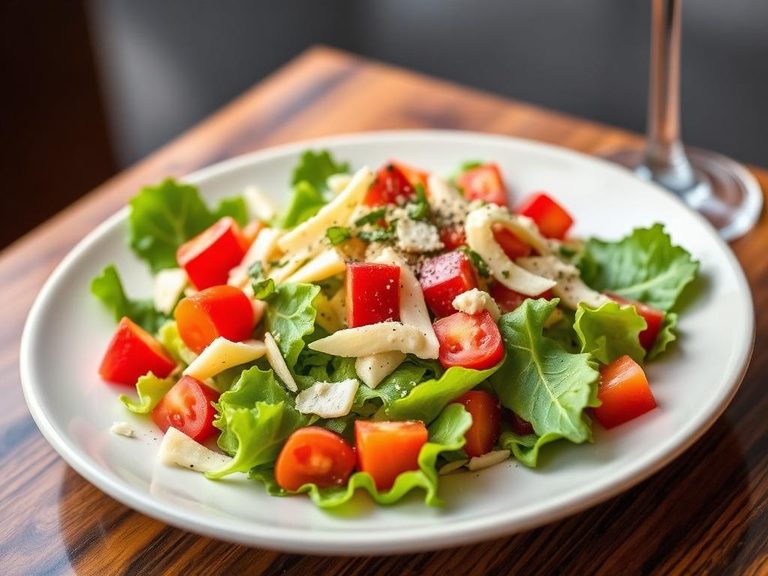
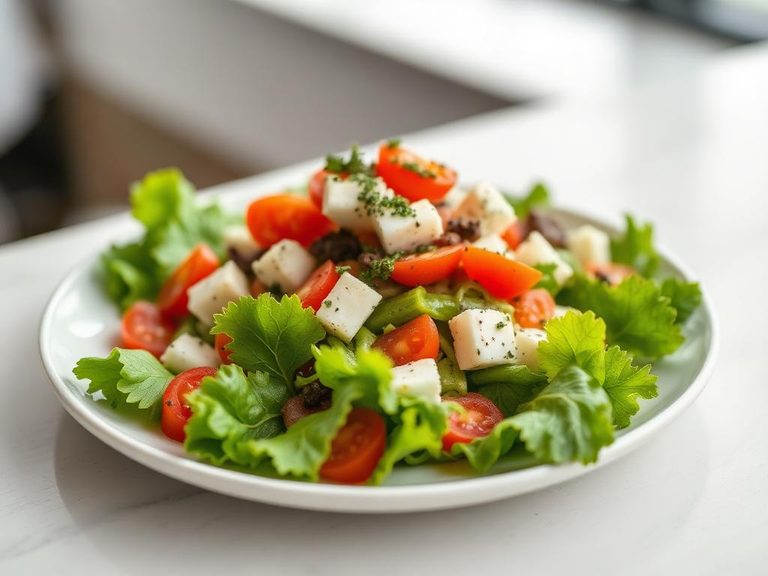
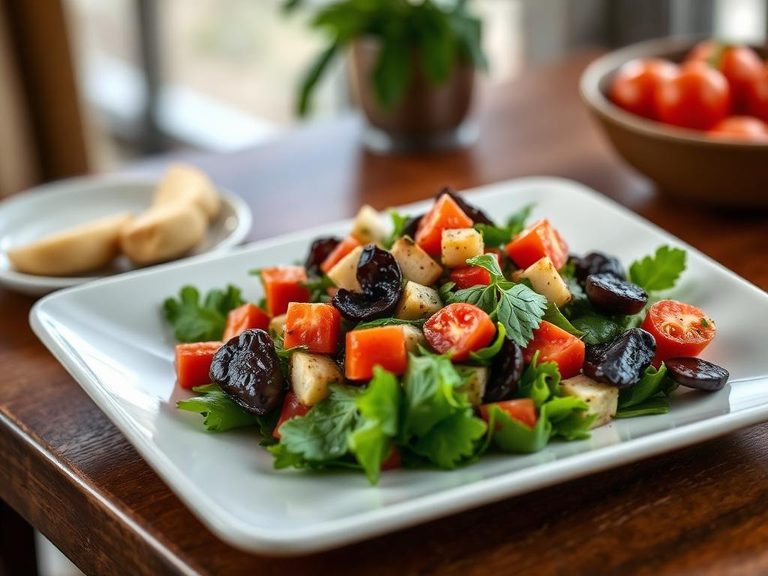
🌍 Where it's eaten
💡 Did you know?
The term 'mesclun' comes from the Provençal word for 'mixture,' and traditionally referred to a mix of young, tender spring greens hand-picked from the garden.
Full nutrition (USDA data · scales with serving)
| Water | 94.3 g |
| Energy | 21.0 kcal |
| Protein | 1.3 g |
| Total lipid (fat) | 0.21 g |
| Carbohydrate, by difference | 3.4 g |
| Fiber, total dietary | 1.4 g |
| Total Sugars | 0.97 g |
| Calcium, Ca | 39.0 mg |
| Iron, Fe | 0.46 mg |
| Magnesium, Mg | 27.0 mg |
| Phosphorus, P | 26.0 mg |
| Potassium, K | 316 mg |
| Sodium, Na | 41.0 mg |
| Zinc, Zn | 0.30 mg |
| Copper, Cu | 0.05 mg |
| Selenium, Se | 0.50 ug |
| Vitamin C, total ascorbic acid | 11.7 mg |
| Thiamin | 0.07 mg |
| Riboflavin | 0.09 mg |
| Niacin | 0.37 mg |
| Vitamin B-6 | 0.09 mg |
| Folate, total | 54.0 ug |
| Folic acid | 0.00 ug |
| Folate, food | 54.0 ug |
| Folate, DFE | 54.0 ug |
| Choline, total | 12.3 mg |
| Vitamin B-12 | 0.00 ug |
| Vitamin B-12, added | 0.00 ug |
| Vitamin A, RAE | 298 ug |
| Retinol | 0.00 ug |
| Carotene, beta | 3573 ug |
| Carotene, alpha | 1.0 ug |
| Cryptoxanthin, beta | 0.00 ug |
| Lycopene | 0.00 ug |
| Lutein + zeaxanthin | 2412 ug |
| Vitamin E (alpha-tocopherol) | 0.54 mg |
| Vitamin E, added | 0.00 mg |
| Vitamin D (D2 + D3) | 0.00 ug |
| Vitamin K (phylloquinone) | 156 ug |
| Alcohol, ethyl | 0.00 g |
| Caffeine | 0.00 mg |
| Theobromine | 0.00 mg |
Fat & fatty acid profile (per 100g)
| Fatty acids, total saturated | 0.03 g |
| SFA 4:0 | 0.00 g |
| SFA 6:0 | 0.00 g |
| SFA 8:0 | 0.00 g |
| SFA 10:0 | 0.00 g |
| SFA 12:0 | 0.00 g |
| SFA 14:0 | 0.00 g |
| SFA 16:0 | 0.03 g |
| SFA 18:0 | 0.00 g |
| Fatty acids, total monounsaturated | 0.01 g |
| MUFA 16:1 | 0.00 g |
| MUFA 18:1 | 0.01 g |
| MUFA 20:1 | 0.00 g |
| MUFA 22:1 | 0.00 g |
| Fatty acids, total polyunsaturated | 0.12 g |
| PUFA 18:2 | 0.03 g |
| PUFA 18:3 | 0.09 g |
| PUFA 18:4 | 0.00 g |
| PUFA 20:4 | 0.00 g |
| PUFA 20:5 n-3 (EPA) | 0.00 g |
| PUFA 22:5 n-3 (DPA) | 0.00 g |
| PUFA 22:6 n-3 (DHA) | 0.00 g |
| Cholesterol | 0.00 mg |
FAQ
How should I store mixed greens to keep them fresh?
Store them unwashed in a breathable container or a plastic bag with a paper towel to absorb excess moisture, in the refrigerator's crisper drawer. They typically last 3-5 days.
Are mixed greens a good source of protein?
While they contain some protein (about 1.3g per 100g), they are not a significant source. They are best paired with protein-rich foods like chicken, beans, or nuts for a balanced meal.
Can I cook mixed greens?
Yes, they can be lightly sautéed or wilted, though they are most commonly eaten raw. Cooking will reduce their volume and soften their texture, making them suitable for warm salads or as a side dish.
Nutrient density (calculated · NRF9.3)
Nutrient Rich Foods index: beneficial nutrients (protein, fiber, vitamins, minerals) minus saturated fat, added sugar & sodium, per 100 kcal.
NRF9.3 index — Fulgoni, Keast & Drewnowski, 2009. Computed from USDA nutrients.
Weight-loss friendliness (composite index)
Energy density 0.21 kcal/g · 25% calories from protein · 1.4 g fiber · 1.0 g sugar per 100 g.
Composite of energy density (Rolls et al., 1999), protein & fiber satiety, minus sugar. A calculated heuristic — ranks satiety-per-calorie, not a clinical measure.
Dietary load (calculated from USDA values)
Potential renal acid load. Positive = acid-forming, negative = alkaline-forming.
Sodium-to-potassium ratio: 0.13 (lower is better — aim for ≤ 1)
Sodium:potassium per WHO potassium guidance. Computed from USDA nutrients.