

Grapefruit juice, red, not fortified, not from concentrate, refrigerated
Whole food · Fruits and Fruit Juices
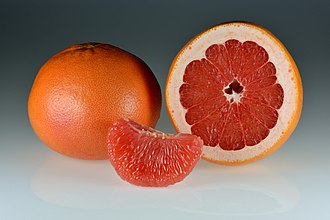
Photo: Wikipedia
This is pure, chilled ruby-red grapefruit juice, squeezed directly from the fruit and never concentrated. It offers a vibrant, tart-sweet flavor with a clean, slightly floral aroma and a smooth, thin texture. Nutritionally, it's a low-calorie powerhouse, delivering a significant dose of vitamin C and antioxidants like lycopene in every sip.
Calorie split: 6% protein · 89% carbs · 6% fat
↓ Full nutrition💚 Why it's loved
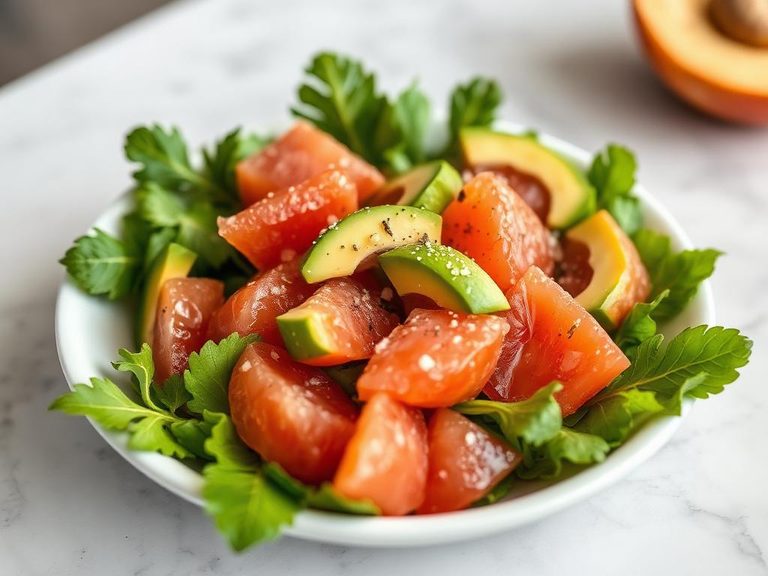
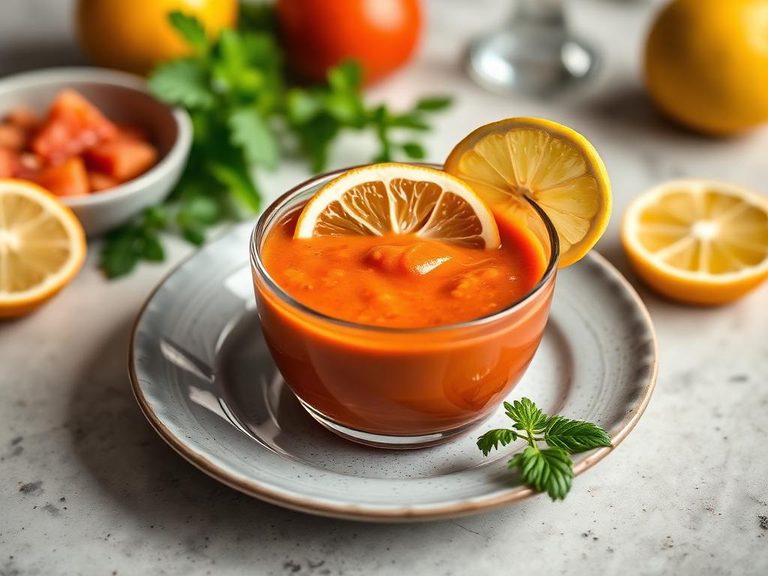
People adore its bold, refreshing tartness that perfectly balances sweet and bitter notes, making it a lively wake-up call for the palate. It's cherished for its versatility, serving as a standalone drink, a cocktail base, or a bright ingredient in salad dressings and marinades.
⚠️ Watch-outs & how to enjoy it better
The juice's high acidity can be harsh on tooth enamel and may trigger heartburn or acid reflux in sensitive individuals. Its natural compounds can interact with certain medications (like statins and blood pressure drugs), so caution is advised. To counteract acidity, drink it through a straw, rinse your mouth with water afterward, and avoid brushing teeth immediately. For medication interactions, consult a healthcare provider.
Key benefits
- Excellent source of immune-supporting vitamin C
- Rich in the antioxidant lycopene, linked to heart health
- Low in calories (41 kcal per 100g)
- Provides hydration and natural electrolytes
- Contains flavonoids like naringin with anti-inflammatory properties
🍽️ Popular dishes

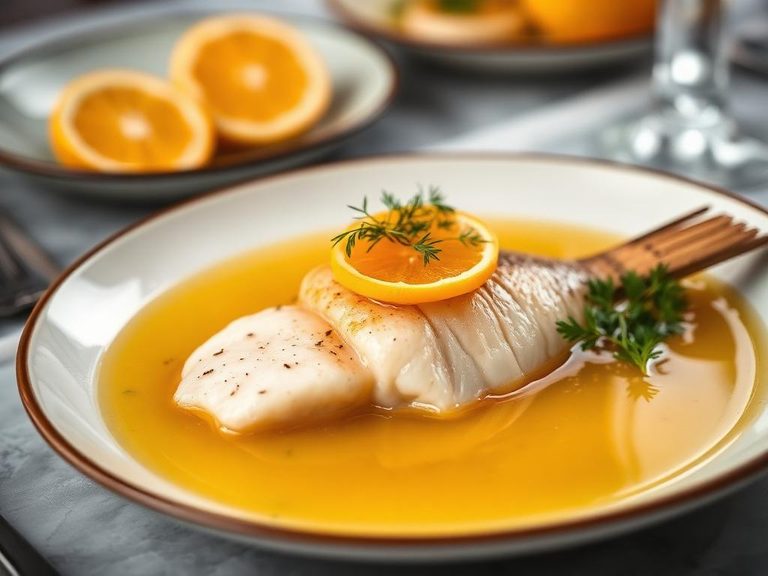
🌍 Where it's eaten
💡 Did you know?
The red color comes from lycopene, the same antioxidant that gives tomatoes their hue, and it's actually a natural mutation of the white grapefruit that was first discovered in Barbados.
Full nutrition (USDA data · scales with serving)
| Water | 89.8 g |
| Energy (Atwater General Factors) | 41.1 kcal |
| Energy (Atwater Specific Factors) | 39.8 kcal |
| Nitrogen | 0.09 g |
| Protein | 0.57 g |
| Total lipid (fat) | 0.27 g |
| Ash | 0.22 g |
| Carbohydrate, by difference | 9.1 g |
| Sugars, Total | 7.1 g |
| Sucrose | 3.2 g |
| Glucose | 1.9 g |
| Fructose | 2.1 g |
| Lactose | 0.00 g |
| Maltose | 0.00 g |
| Galactose | 0.00 g |
| Citric acid | 1075 mg |
| Malic acid | 37.4 mg |
| Oxalic acid | 0.00 mg |
| Quinic acid | 0.00 mg |
| Calcium, Ca | 8.9 mg |
| Iron, Fe | 0.02 mg |
| Magnesium, Mg | 7.7 mg |
| Phosphorus, P | 14.6 mg |
| Potassium, K | 128 mg |
| Sodium, Na | 1.0 mg |
| Zinc, Zn | 0.03 mg |
| Copper, Cu | 0.02 mg |
| Manganese, Mn | 0.02 mg |
| Vitamin C, total ascorbic acid | 24.1 mg |
| Thiamin | 0.03 mg |
| Niacin | 0.02 mg |
| Vitamin B-6 | 0.02 mg |
| Folate, total | 19.0 ug |
Fat & fatty acid profile (per 100g)
Estimated from Grapefruit, sections, canned, juice pack, solids and liquids — USDA does not publish this profile for Grapefruit juice.
| Fatty acids, total saturated | 0.01 g |
| SFA 4:0 | 0.00 g |
| SFA 6:0 | 0.00 g |
| SFA 8:0 | 0.00 g |
| SFA 10:0 | 0.00 g |
| SFA 12:0 | 0.00 g |
| SFA 14:0 | 0.00 g |
| SFA 16:0 | 0.01 g |
| SFA 18:0 | 0.00 g |
| Fatty acids, total monounsaturated | 0.01 g |
| MUFA 16:1 | 0.00 g |
| MUFA 18:1 | 0.01 g |
| MUFA 20:1 | 0.00 g |
| MUFA 22:1 | 0.00 g |
| Fatty acids, total polyunsaturated | 0.02 g |
| PUFA 18:2 | 0.02 g |
| PUFA 18:3 | 0.00 g |
| PUFA 18:4 | 0.00 g |
| PUFA 20:4 | 0.00 g |
| PUFA 20:5 n-3 (EPA) | 0.00 g |
| PUFA 22:5 n-3 (DPA) | 0.00 g |
| PUFA 22:6 n-3 (DHA) | 0.00 g |
| Fatty acids, total trans | 0.00 g |
| Cholesterol | 0.00 mg |
Amino acid profile (per 100g)
Estimated from Grapefruit, sections, canned, juice pack, solids and liquids — USDA does not publish this profile for Grapefruit juice.
| Tryptophan | 0.01 g |
| Threonine | 0.01 g |
| Isoleucine | 0.01 g |
| Leucine | 0.01 g |
| Lysine | 0.02 g |
| Methionine | 0.01 g |
| Cystine | 0.01 g |
| Phenylalanine | 0.04 g |
| Tyrosine | 0.01 g |
| Valine | 0.01 g |
| Arginine | 0.08 g |
| Histidine | 0.01 g |
| Alanine | 0.02 g |
| Aspartic acid | 0.13 g |
| Glutamic acid | 0.18 g |
| Glycine | 0.01 g |
| Proline | 0.06 g |
| Serine | 0.03 g |
FAQ
Why is my grapefruit juice sometimes cloudy?
Cloudiness is natural in not-from-concentrate juice and indicates the presence of fine pulp and suspended solids, which contain fiber and nutrients. It's a sign of minimal processing.
Does grapefruit juice really affect medications?
Yes. Compounds like furanocoumarins can inhibit enzymes that metabolize many drugs, leading to higher, potentially dangerous blood levels. Always check with a doctor or pharmacist if you take prescription medications.
Is the sugar content a concern?
While it contains natural fruit sugars (about 9g per 100g), it lacks added sugars. The fiber in whole fruit is missing, so the sugars are absorbed faster. For blood sugar management, pairing it with protein (like nuts) or healthy fats can help slow absorption.
Nutrient density (calculated · NRF9.3)
Nutrient Rich Foods index: beneficial nutrients (protein, fiber, vitamins, minerals) minus saturated fat, added sugar & sodium, per 100 kcal.
NRF9.3 index — Fulgoni, Keast & Drewnowski, 2009. Computed from USDA nutrients.
Weight-loss friendliness (composite index)
Energy density 0.41 kcal/g · 6% calories from protein · 0.0 g fiber · 0.0 g sugar per 100 g.
Composite of energy density (Rolls et al., 1999), protein & fiber satiety, minus sugar. A calculated heuristic — ranks satiety-per-calorie, not a clinical measure.
Dietary load (calculated from USDA values)
Potential renal acid load. Positive = acid-forming, negative = alkaline-forming.
Sodium-to-potassium ratio: 0.01 (lower is better — aim for ≤ 1)
Sodium:potassium per WHO potassium guidance. Computed from USDA nutrients.