

Fish, pompano, baked or broiled
Common food

Photo: Wikipedia
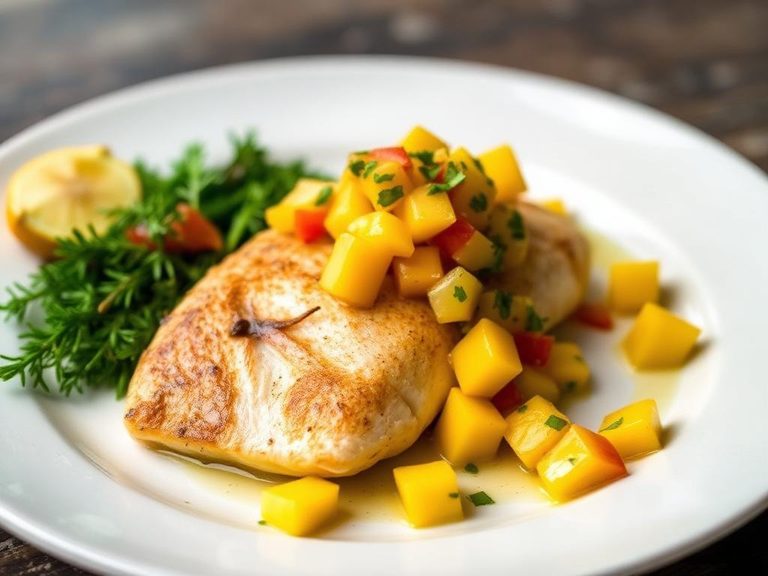
Baked or broiled pompano is a prized Atlantic fish celebrated for its rich, buttery flavor and delicate, flaky texture that melts in the mouth. Its flesh is a striking silver-white, often cooked whole to preserve its natural oils and succulence. Nutritionally, it's a powerhouse of high-quality protein and healthy fats, with virtually no carbohydrates.
Calorie split: 38% protein · 0% carbs · 61% fat
↓ Full nutrition💚 Why it's loved
People love pompano for its uniquely sweet, mild flavor that isn't overly 'fishy,' making it approachable even for those who are seafood-hesitant. Its versatility shines in simple preparations—a quick broil with lemon and herbs allows the fish's natural quality to be the star.
⚠️ Watch-outs & how to enjoy it better
As an oily fish, pompano is high in total fat and calories, which may be a consideration for those on strict low-fat diets. Its rich flavor can be overwhelming if overcooked, leading to a dry texture. To counteract, use precise, high-heat cooking (like broiling) for a short time, and pair with acidic sides like a vinegar-based slaw or citrus salad to cut through the richness.
Key benefits
- Excellent source of complete protein for muscle maintenance
- Rich in heart-healthy monounsaturated fats
- Provides essential omega-3 fatty acids (EPA and DHA)
- Low in carbohydrates, suitable for ketogenic diets
- Good source of selenium and vitamin B12
🍽️ Popular dishes
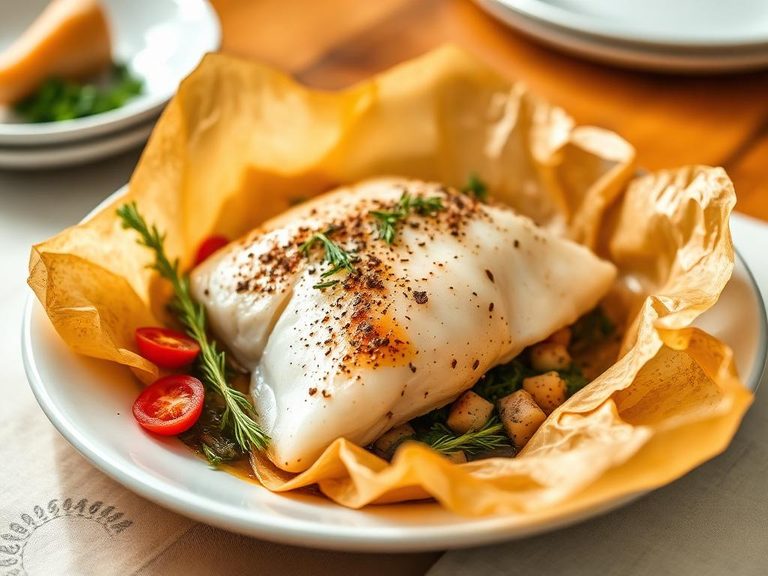
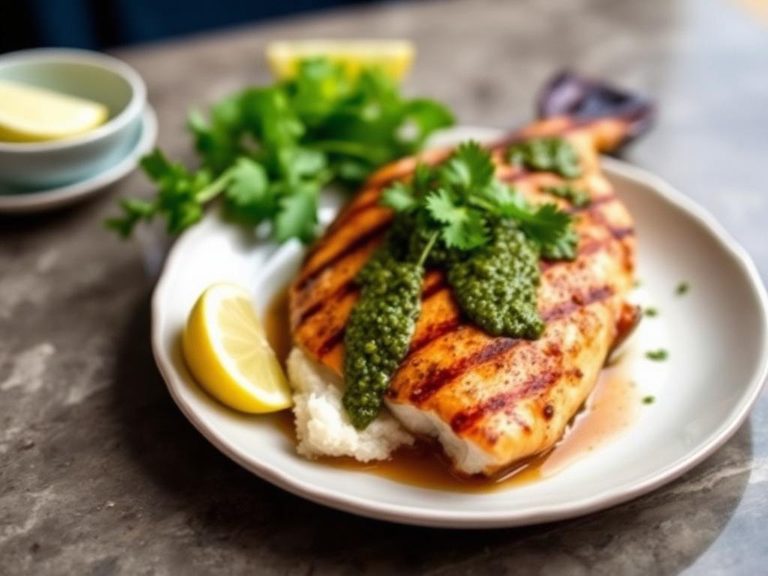
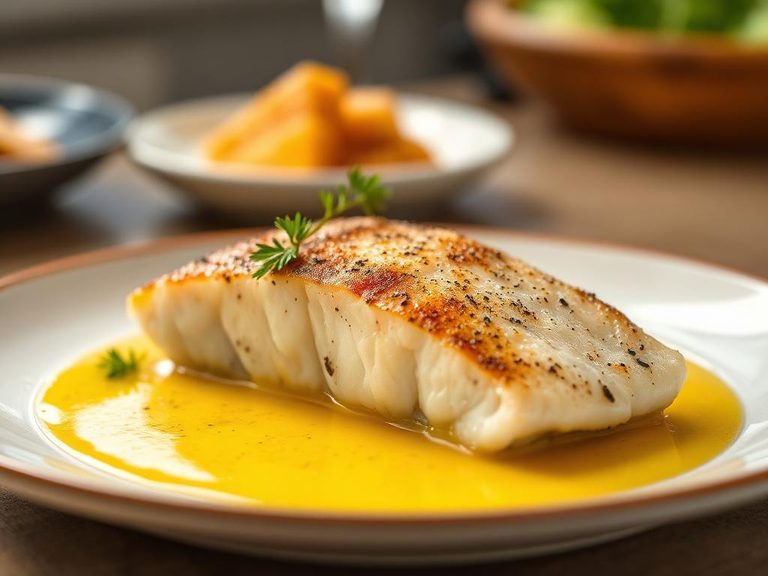
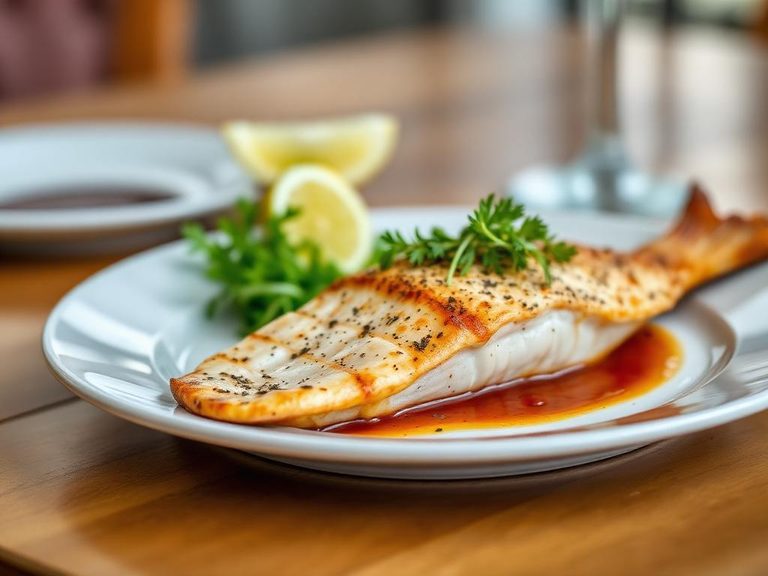
🌍 Where it's eaten
💡 Did you know?
Pompano is so revered in Florida that the annual 'Pompano Beach Pirate Festival' is named after the fish, not a person.
Full nutrition (USDA data · scales with serving)
| Water | 59.0 g |
| Energy | 244 kcal |
| Protein | 23.0 g |
| Total lipid (fat) | 16.3 g |
| Carbohydrate, by difference | 0.01 g |
| Fiber, total dietary | 0.00 g |
| Total Sugars | 0.01 g |
| Calcium, Ca | 28.0 mg |
| Iron, Fe | 0.75 mg |
| Magnesium, Mg | 34.0 mg |
| Phosphorus, P | 243 mg |
| Potassium, K | 474 mg |
| Sodium, Na | 296 mg |
| Zinc, Zn | 0.90 mg |
| Copper, Cu | 0.05 mg |
| Selenium, Se | 45.3 ug |
| Vitamin C, total ascorbic acid | 0.00 mg |
| Thiamin | 0.59 mg |
| Riboflavin | 0.14 mg |
| Niacin | 3.7 mg |
| Vitamin B-6 | 0.25 mg |
| Folate, total | 17.0 ug |
| Folic acid | 0.00 ug |
| Folate, food | 17.0 ug |
| Folate, DFE | 17.0 ug |
| Choline, total | 64.4 mg |
| Vitamin B-12 | 1.4 ug |
| Vitamin B-12, added | 0.00 ug |
| Vitamin A, RAE | 62.0 ug |
| Retinol | 62.0 ug |
| Carotene, beta | 9.0 ug |
| Carotene, alpha | 0.00 ug |
| Cryptoxanthin, beta | 0.00 ug |
| Lycopene | 0.00 ug |
| Lutein + zeaxanthin | 0.00 ug |
| Vitamin E (alpha-tocopherol) | 0.90 mg |
| Vitamin E, added | 0.00 mg |
| Vitamin D (D2 + D3) | 13.7 ug |
| Vitamin K (phylloquinone) | 3.9 ug |
| Alcohol, ethyl | 0.00 g |
| Caffeine | 0.00 mg |
| Theobromine | 0.00 mg |
Fat & fatty acid profile (per 100g)
| Fatty acids, total saturated | 5.5 g |
| SFA 4:0 | 0.03 g |
| SFA 6:0 | 0.02 g |
| SFA 8:0 | 0.01 g |
| SFA 10:0 | 0.03 g |
| SFA 12:0 | 0.04 g |
| SFA 14:0 | 0.62 g |
| SFA 16:0 | 3.4 g |
| SFA 18:0 | 1.3 g |
| Fatty acids, total monounsaturated | 4.8 g |
| MUFA 16:1 | 0.72 g |
| MUFA 18:1 | 4.1 g |
| MUFA 20:1 | 0.02 g |
| MUFA 22:1 | 0.00 g |
| Fatty acids, total polyunsaturated | 2.7 g |
| PUFA 18:2 | 1.3 g |
| PUFA 18:3 | 0.14 g |
| PUFA 18:4 | 0.00 g |
| PUFA 20:4 | 0.31 g |
| PUFA 20:5 n-3 (EPA) | 0.22 g |
| PUFA 22:5 n-3 (DPA) | 0.25 g |
| PUFA 22:6 n-3 (DHA) | 0.49 g |
| Cholesterol | 66.0 mg |
Amino acid profile (per 100g)
Estimated from Fish, fish sticks, frozen, prepared — USDA does not publish this profile for Fish.
| Tryptophan | 0.12 g |
| Threonine | 0.37 g |
| Isoleucine | 0.43 g |
| Leucine | 0.85 g |
| Lysine | 0.80 g |
| Methionine | 0.30 g |
| Phenylalanine | 0.47 g |
| Tyrosine | 0.29 g |
| Valine | 0.50 g |
| Arginine | 0.59 g |
| Histidine | 0.23 g |
| Alanine | 0.55 g |
| Aspartic acid | 0.82 g |
| Glutamic acid | 2.3 g |
| Glycine | 0.47 g |
| Proline | 0.78 g |
| Serine | 0.49 g |
| Hydroxyproline | 0.00 g |
FAQ
Is pompano a sustainable seafood choice?
Sustainability varies by region and fishing method. Look for pompano caught by hook-and-line or from well-managed fisheries. The Monterey Bay Aquarium Seafood Watch is a reliable source for current ratings.
How do I prevent pompano from sticking to the grill or pan?
Ensure the cooking surface is very hot and well-oiled before adding the fish. Pat the fish completely dry with paper towels, and oil the fish itself lightly. For grilling, use a well-seasoned grate or a fish basket.
What's the best way to tell if pompano is cooked through?
The flesh should be opaque and flake easily when tested with a fork at its thickest part. An internal temperature of 145°F (63°C) is the safe standard. The bones should also pull away cleanly from the flesh.
Nutrient density (calculated · NRF9.3)
Nutrient Rich Foods index: beneficial nutrients (protein, fiber, vitamins, minerals) minus saturated fat, added sugar & sodium, per 100 kcal.
NRF9.3 index — Fulgoni, Keast & Drewnowski, 2009. Computed from USDA nutrients.
Weight-loss friendliness (composite index)
Energy density 2.44 kcal/g · 38% calories from protein · 0.0 g fiber · 0.0 g sugar per 100 g.
Composite of energy density (Rolls et al., 1999), protein & fiber satiety, minus sugar. A calculated heuristic — ranks satiety-per-calorie, not a clinical measure.
Dietary load (calculated from USDA values)
Potential renal acid load. Positive = acid-forming, negative = alkaline-forming.
Sodium-to-potassium ratio: 0.62 (lower is better — aim for ≤ 1)
Sodium:potassium per WHO potassium guidance. Computed from USDA nutrients.