

Fish, cisco, raw
Whole food · Finfish and Shellfish Products
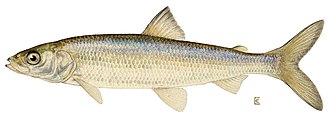
Photo: Wikipedia
Cisco, also known as lake herring, is a lean, cold-water whitefish prized for its firm, fine-grained flesh and clean, subtly sweet flavor. Nutritionally, it is a powerhouse of high-quality protein with virtually no carbohydrates or fat, making it an exceptionally lean protein source.
Calorie split: 82% protein · 0% carbs · 18% fat
↓ Full nutrition💚 Why it's loved
People love cisco for its delicate, non-fishy taste and versatile texture that holds up well to various cooking methods. It's a staple in regional cuisines, often enjoyed fresh, smoked, or as part of traditional celebrations.
⚠️ Watch-outs & how to enjoy it better
Cisco is a common fish allergen, and its lean flesh can dry out if overcooked. To counteract this, cook it quickly with moist-heat methods like poaching or steam, or pair it with a flavorful sauce or healthy fat like olive oil to add moisture and richness.
Key benefits
- Excellent source of lean, complete protein for muscle maintenance.
- Very low in fat and calories, supporting weight management goals.
- Provides essential amino acids without added sugars or carbs.
- A sustainable choice from well-managed Great Lakes fisheries.
🍽️ Popular dishes
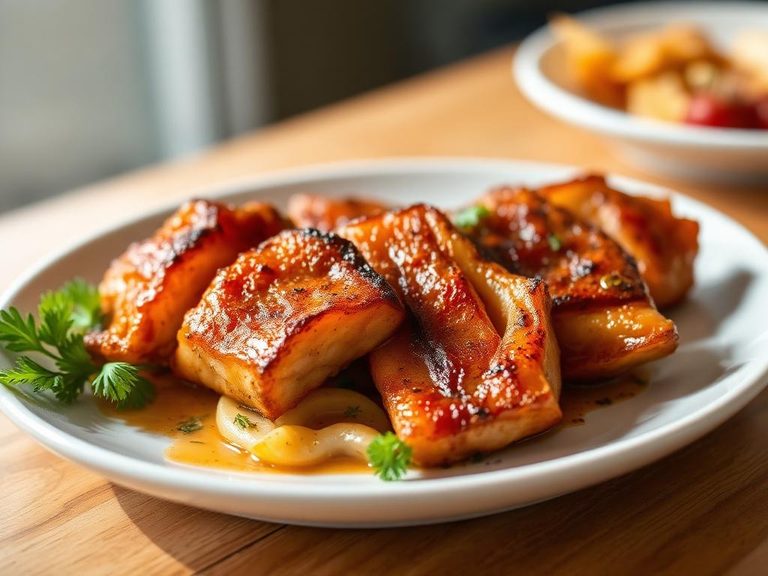
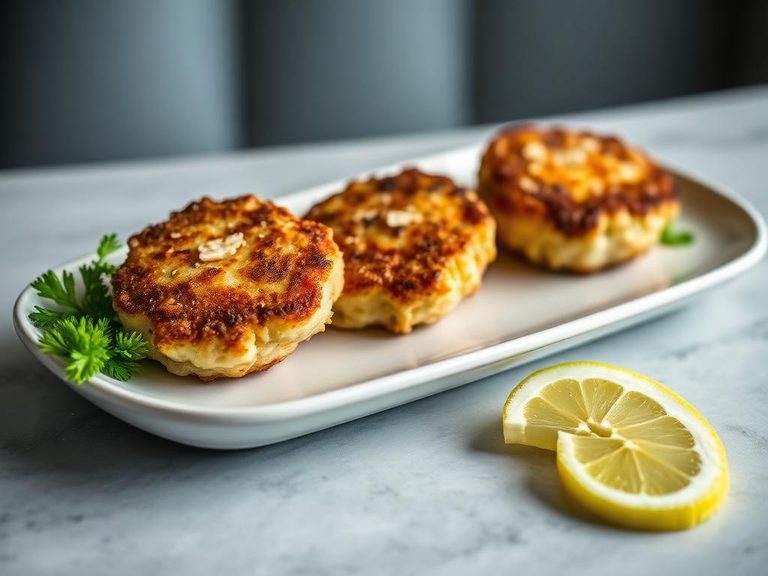
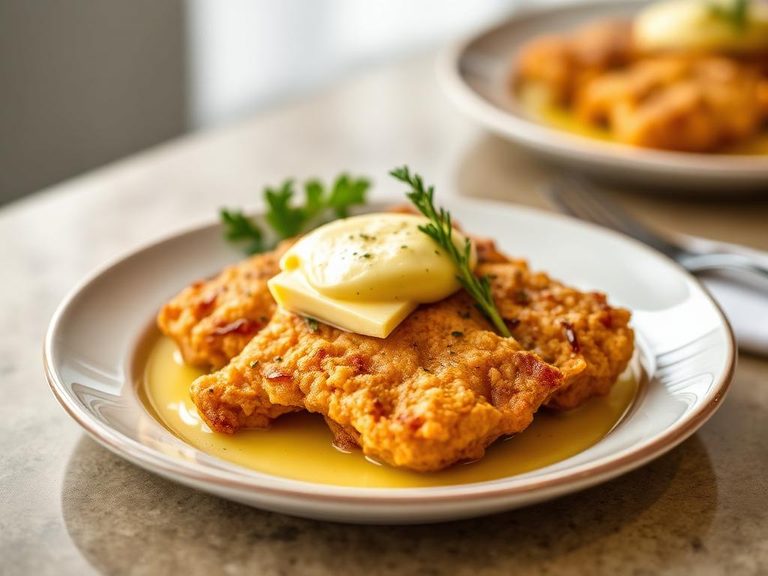
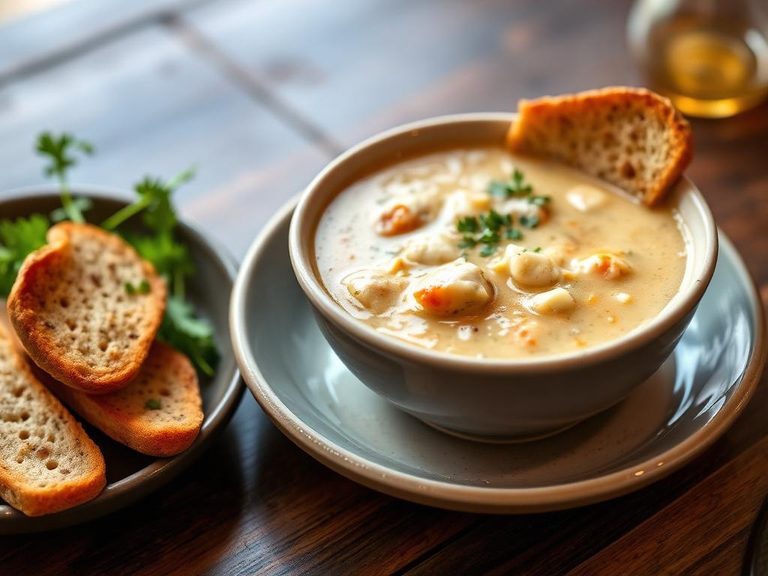
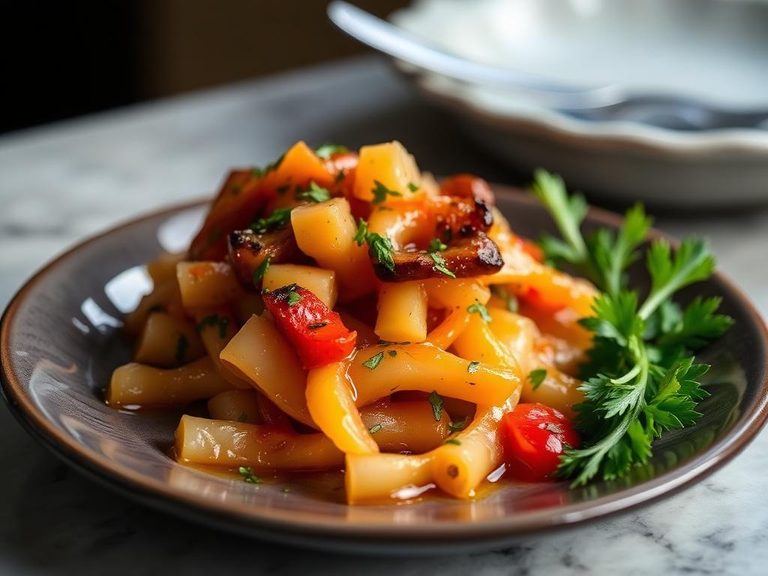
🌍 Where it's eaten
💡 Did you know?
Cisco are a keystone species in the Great Lakes food web, and their populations have fluctuated dramatically, directly impacting the health of top predators like lake trout.
Full nutrition (USDA data · scales with serving)
| Water | 78.9 g |
| Energy | 98.0 kcal |
| Energy | 410 kj |
| Protein | 19.0 g |
| Total lipid (fat) | 1.9 g |
| Ash | 1.2 g |
| Carbohydrate, by difference | 0.00 g |
| Fiber, total dietary | 0.00 g |
| Calcium, Ca | 12.0 mg |
| Iron, Fe | 0.40 mg |
| Magnesium, Mg | 17.0 mg |
| Phosphorus, P | 152 mg |
| Potassium, K | 354 mg |
| Sodium, Na | 55.0 mg |
| Zinc, Zn | 0.37 mg |
| Copper, Cu | 0.07 mg |
| Manganese, Mn | 0.07 mg |
| Selenium, Se | 12.6 ug |
| Vitamin C, total ascorbic acid | 0.00 mg |
| Thiamin | 0.09 mg |
| Riboflavin | 0.10 mg |
| Niacin | 2.5 mg |
| Pantothenic acid | 0.75 mg |
| Vitamin B-6 | 0.30 mg |
| Folate, total | 15.0 ug |
| Folic acid | 0.00 ug |
| Folate, food | 15.0 ug |
| Folate, DFE | 15.0 ug |
| Vitamin B-12 | 1.0 ug |
| Vitamin A, RAE | 30.0 ug |
| Retinol | 30.0 ug |
| Vitamin A, IU | 100 iu |
| Alcohol, ethyl | 0.00 g |
Fat & fatty acid profile (per 100g)
| Fatty acids, total saturated | 0.42 g |
| SFA 4:0 | 0.00 g |
| SFA 6:0 | 0.00 g |
| SFA 8:0 | 0.00 g |
| SFA 10:0 | 0.00 g |
| SFA 12:0 | 0.00 g |
| SFA 14:0 | 0.09 g |
| SFA 16:0 | 0.28 g |
| SFA 18:0 | 0.05 g |
| Fatty acids, total monounsaturated | 0.47 g |
| MUFA 16:1 | 0.11 g |
| MUFA 18:1 | 0.29 g |
| MUFA 20:1 | 0.02 g |
| MUFA 22:1 | 0.04 g |
| Fatty acids, total polyunsaturated | 0.61 g |
| PUFA 18:2 | 0.07 g |
| PUFA 18:3 | 0.06 g |
| PUFA 18:4 | 0.03 g |
| PUFA 20:4 | 0.06 g |
| PUFA 20:5 n-3 (EPA) | 0.10 g |
| PUFA 22:5 n-3 (DPA) | 0.05 g |
| PUFA 22:6 n-3 (DHA) | 0.26 g |
| Cholesterol | 50.0 mg |
Amino acid profile (per 100g)
| Tryptophan | 0.21 g |
| Threonine | 0.83 g |
| Isoleucine | 0.88 g |
| Leucine | 1.5 g |
| Lysine | 1.7 g |
| Methionine | 0.56 g |
| Cystine | 0.20 g |
| Phenylalanine | 0.74 g |
| Tyrosine | 0.64 g |
| Valine | 0.98 g |
| Arginine | 1.1 g |
| Histidine | 0.56 g |
| Alanine | 1.1 g |
| Aspartic acid | 1.9 g |
| Glutamic acid | 2.8 g |
| Glycine | 0.91 g |
| Proline | 0.67 g |
| Serine | 0.78 g |
FAQ
What does cisco taste like?
Cisco has a mild, clean, and subtly sweet flavor with a firm, flaky texture. It is less 'fishy' than many other species, making it appealing to those who prefer milder seafood.
Is cisco the same as lake herring?
Yes, 'cisco' and 'lake herring' are common names for the same species (Coregonus artedi). The name 'lake herring' is a misnomer as it is not a true herring.
How should I cook frozen cisco?
Thaw it gently in the refrigerator overnight. For best results, pat it dry, season, and cook using methods like baking, broiling, or pan-searing to prevent it from becoming watery.
Nutrient density (calculated · NRF9.3)
Nutrient Rich Foods index: beneficial nutrients (protein, fiber, vitamins, minerals) minus saturated fat, added sugar & sodium, per 100 kcal.
NRF9.3 index — Fulgoni, Keast & Drewnowski, 2009. Computed from USDA nutrients.
Weight-loss friendliness (composite index)
Energy density 0.98 kcal/g · 78% calories from protein · 0.0 g fiber · 0.0 g sugar per 100 g.
Composite of energy density (Rolls et al., 1999), protein & fiber satiety, minus sugar. A calculated heuristic — ranks satiety-per-calorie, not a clinical measure.
Dietary load (calculated from USDA values)
Potential renal acid load. Positive = acid-forming, negative = alkaline-forming.
Sodium-to-potassium ratio: 0.16 (lower is better — aim for ≤ 1)
Sodium:potassium per WHO potassium guidance. Computed from USDA nutrients.