

Egg white omelet, scrambled, or fried, no added fat
Common food

Photo: Wikipedia
This is a lean, protein-packed preparation of egg whites cooked without any added fat, resulting in a soft, slightly springy texture and a clean, mild flavor. It's a staple for those seeking pure protein, delivering over 10 grams per 100 grams with virtually no fat or carbohydrates. The result is a light, neutral-tasting base that readily absorbs the flavors of other ingredients.
Calorie split: 82% protein · 18% carbs · 0% fat
↓ Full nutrition💚 Why it's loved
People love it as a versatile, high-protein canvas that can be seasoned simply or loaded with vegetables, making it a go-to for clean eating and muscle-building diets. Its mild taste and fluffy texture provide a satisfying, guilt-free foundation for countless meals.
⚠️ Watch-outs & how to enjoy it better
On its own, the texture can be perceived as slightly rubbery or bland compared to whole eggs. As a concentrated protein source, some individuals may experience digestive discomfort if consumed in very large quantities without other foods. To counteract this, pair it with a source of healthy fat (like avocado or a sprinkle of cheese) and fiber-rich vegetables to improve satiety and flavor complexity.
Key benefits
- Excellent source of high-quality, complete protein
- Extremely low in calories and fat
- Contains no cholesterol or dietary fat
- Rich in selenium, a key antioxidant mineral
- Provides riboflavin (vitamin B2) for energy metabolism
🍽️ Popular dishes
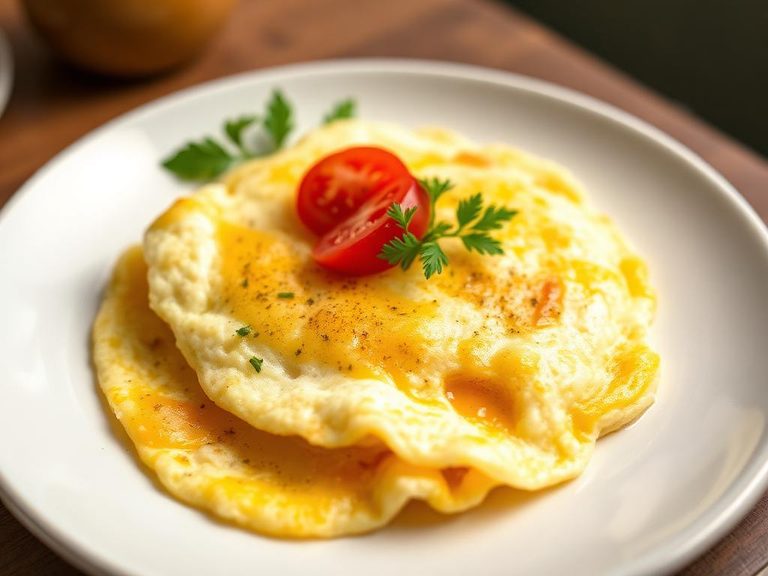
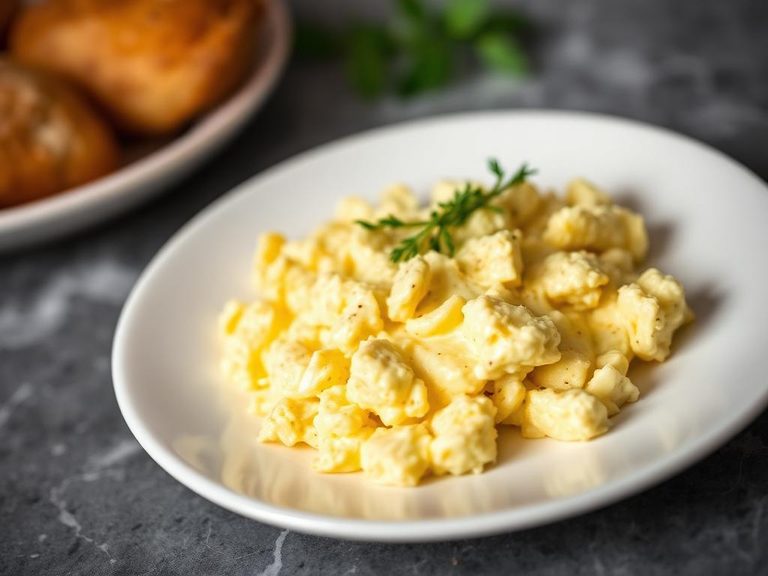
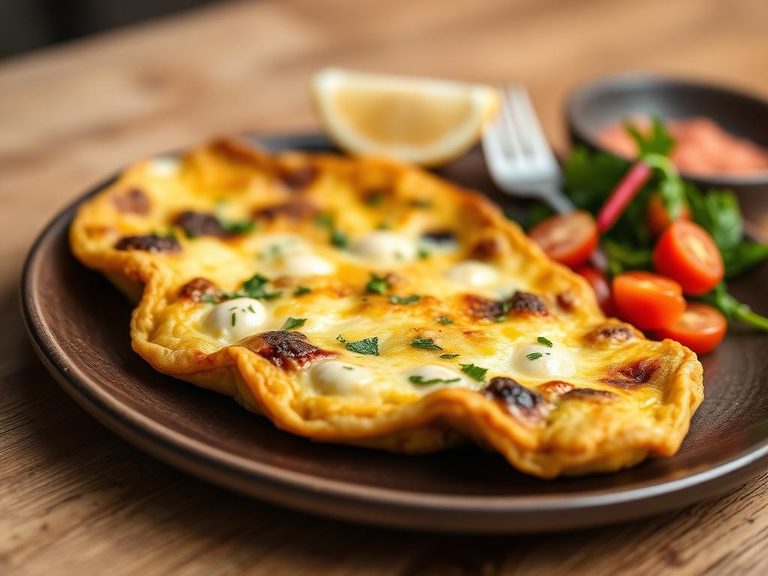

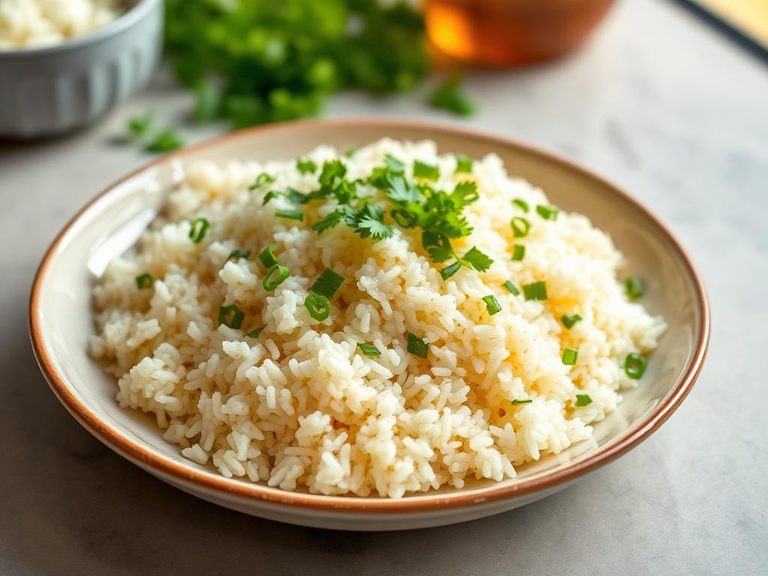
🌍 Where it's eaten
💡 Did you know?
The foam created by whisking egg whites is a stable protein foam called a 'meringue,' which is the foundation for light-as-air desserts like pavlova and angel food cake.
Full nutrition (USDA data · scales with serving)
| Water | 86.0 g |
| Energy | 52.0 kcal |
| Protein | 10.7 g |
| Total lipid (fat) | 0.00 g |
| Carbohydrate, by difference | 2.4 g |
| Fiber, total dietary | 0.00 g |
| Total Sugars | 0.71 g |
| Calcium, Ca | 7.0 mg |
| Iron, Fe | 0.08 mg |
| Magnesium, Mg | 11.0 mg |
| Phosphorus, P | 15.0 mg |
| Potassium, K | 163 mg |
| Sodium, Na | 281 mg |
| Zinc, Zn | 0.03 mg |
| Copper, Cu | 0.02 mg |
| Selenium, Se | 17.8 ug |
| Vitamin C, total ascorbic acid | 0.00 mg |
| Thiamin | 0.00 mg |
| Riboflavin | 0.37 mg |
| Niacin | 0.09 mg |
| Vitamin B-6 | 0.01 mg |
| Folate, total | 3.0 ug |
| Folic acid | 0.00 ug |
| Folate, food | 3.0 ug |
| Folate, DFE | 3.0 ug |
| Choline, total | 0.90 mg |
| Vitamin B-12 | 0.07 ug |
| Vitamin B-12, added | 0.00 ug |
| Vitamin A, RAE | 0.00 ug |
| Retinol | 0.00 ug |
| Carotene, beta | 0.00 ug |
| Carotene, alpha | 0.00 ug |
| Cryptoxanthin, beta | 0.00 ug |
| Lycopene | 0.00 ug |
| Lutein + zeaxanthin | 0.00 ug |
| Vitamin E (alpha-tocopherol) | 0.00 mg |
| Vitamin E, added | 0.00 mg |
| Vitamin D (D2 + D3) | 0.00 ug |
| Vitamin K (phylloquinone) | 0.00 ug |
| Alcohol, ethyl | 0.00 g |
| Caffeine | 0.00 mg |
| Theobromine | 0.00 mg |
Fat & fatty acid profile (per 100g)
| Fatty acids, total saturated | 0.00 g |
| SFA 4:0 | 0.00 g |
| SFA 6:0 | 0.00 g |
| SFA 8:0 | 0.00 g |
| SFA 10:0 | 0.00 g |
| SFA 12:0 | 0.00 g |
| SFA 14:0 | 0.00 g |
| SFA 16:0 | 0.00 g |
| SFA 18:0 | 0.00 g |
| Fatty acids, total monounsaturated | 0.00 g |
| MUFA 16:1 | 0.00 g |
| MUFA 18:1 | 0.00 g |
| MUFA 20:1 | 0.00 g |
| MUFA 22:1 | 0.00 g |
| Fatty acids, total polyunsaturated | 0.00 g |
| PUFA 18:2 | 0.00 g |
| PUFA 18:3 | 0.00 g |
| PUFA 18:4 | 0.00 g |
| PUFA 20:4 | 0.00 g |
| PUFA 20:5 n-3 (EPA) | 0.00 g |
| PUFA 22:5 n-3 (DPA) | 0.00 g |
| PUFA 22:6 n-3 (DHA) | 0.00 g |
| Cholesterol | 0.00 mg |
Amino acid profile (per 100g)
Estimated from Fish, whitefish, eggs (Alaska Native) — USDA does not publish this profile for Egg white omelet.
| Tryptophan | 0.28 g |
| Threonine | 1.0 g |
| Isoleucine | 1.1 g |
| Leucine | 1.6 g |
| Lysine | 1.6 g |
| Methionine | 0.56 g |
| Cystine | 0.23 g |
| Phenylalanine | 0.90 g |
| Tyrosine | 0.76 g |
| Valine | 1.3 g |
| Arginine | 1.1 g |
| Histidine | 0.53 g |
| Alanine | 1.6 g |
| Aspartic acid | 1.6 g |
| Glutamic acid | 2.2 g |
| Glycine | 0.50 g |
| Proline | 1.1 g |
| Serine | 1.2 g |
FAQ
Is there a difference in nutrition between raw and cooked egg whites?
Cooking makes the proteins more digestible and reduces the avidin content, which can interfere with biotin absorption. The core nutritional profile (high protein, low fat/carb) remains largely the same.
Why are egg whites sometimes pasteurized?
Pasteurization heats the whites to kill potential pathogens like Salmonella, making them safe for use in recipes that don't involve cooking, such as meringues or homemade mayonnaise.
Can I get sick from eating too many egg whites?
While very rare, consuming extremely high amounts of raw egg whites could lead to a biotin deficiency due to the protein avidin. Cooking neutralizes avidin. For most people, eating several egg whites as part of a balanced diet is perfectly safe.
Nutrient density (calculated · NRF9.3)
Nutrient Rich Foods index: beneficial nutrients (protein, fiber, vitamins, minerals) minus saturated fat, added sugar & sodium, per 100 kcal.
NRF9.3 index — Fulgoni, Keast & Drewnowski, 2009. Computed from USDA nutrients.
Weight-loss friendliness (composite index)
Energy density 0.52 kcal/g · 82% calories from protein · 0.0 g fiber · 0.7 g sugar per 100 g.
Composite of energy density (Rolls et al., 1999), protein & fiber satiety, minus sugar. A calculated heuristic — ranks satiety-per-calorie, not a clinical measure.
Dietary load (calculated from USDA values)
Potential renal acid load. Positive = acid-forming, negative = alkaline-forming.
Sodium-to-potassium ratio: 1.72 (lower is better — aim for ≤ 1)
Sodium:potassium per WHO potassium guidance. Computed from USDA nutrients.