

Cream cheese, regular, plain
Common food
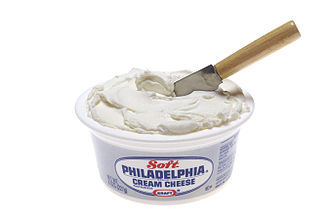
Photo: Wikipedia
Cream cheese is a soft, fresh cheese with a rich, tangy flavor and a smooth, spreadable texture that coats the palate. It's a high-fat, low-carb dairy product, with nearly all its calories coming from its signature creamy fat content. Its mild tanginess makes it a versatile base for both sweet and savory preparations.
Calorie split: 7% protein · 5% carbs · 88% fat
↓ Full nutrition💚 Why it's loved
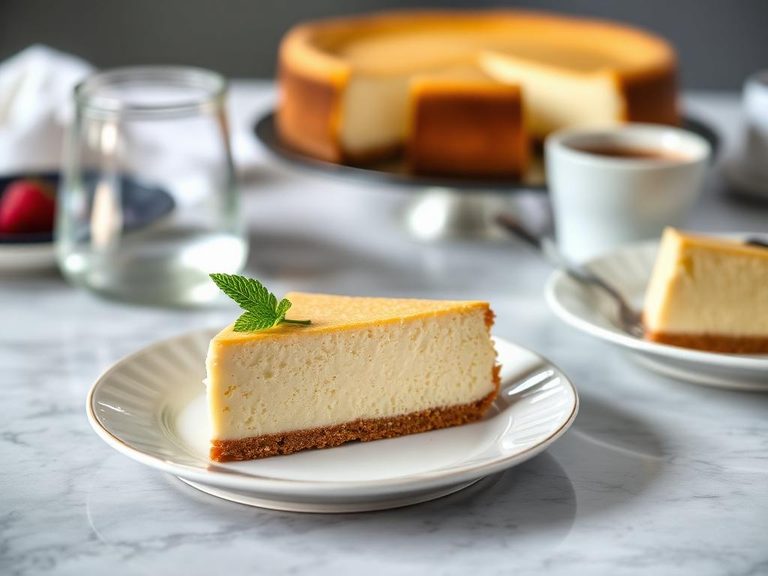
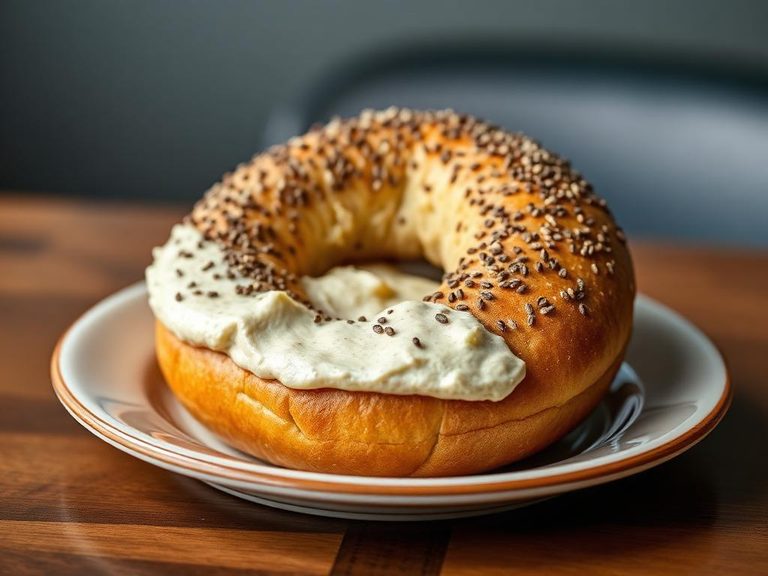
People love it for its luxurious, velvety texture that melts on the tongue and its perfect balance of richness and mild tang. Its incredible versatility allows it to be the star of a bagel topping, a creamy pasta sauce base, or a decadent cheesecake filling.
⚠️ Watch-outs & how to enjoy it better
Its high saturated fat and calorie density can be a concern for heart-health diets if consumed in excess. Those monitoring blood sugar should note it's often paired with high-carb foods like bagels or sugary frostings; pairing it with fiber-rich vegetables or lean protein can create a more balanced snack. As a dairy product, it's a common allergen for those with milk sensitivities.
Key benefits
- Excellent source of calcium for bone health
- High-fat content provides sustained energy
- Low in carbohydrates, suitable for keto diets
- Provides a small amount of protein
- Versatile ingredient for both sweet and savory dishes
🍽️ Popular dishes
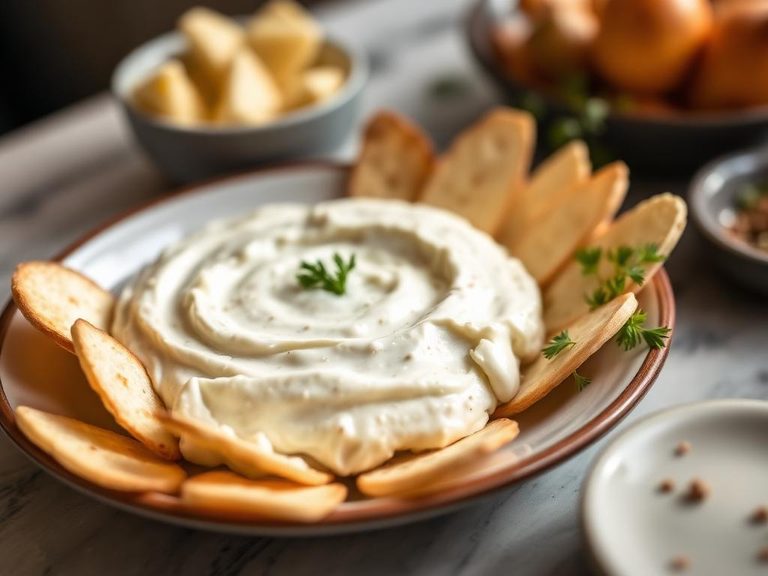
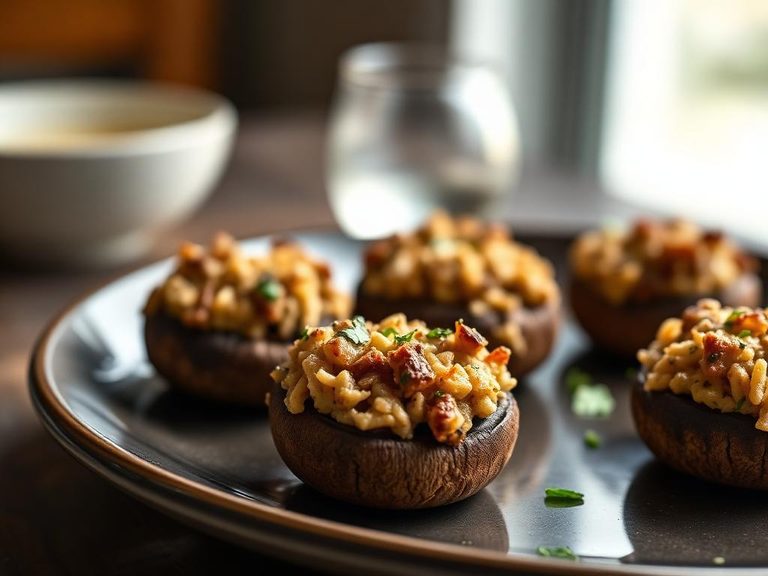

🌍 Where it's eaten
💡 Did you know?
Cream cheese was first made in 1872 by William Lawrence in Chester, New York, who was trying to replicate the French cheese Neufchâtel and accidentally created a richer, creamier version.
Full nutrition (USDA data · scales with serving)
| Water | 54.7 g |
| Energy | 343 kcal |
| Protein | 5.8 g |
| Total lipid (fat) | 33.5 g |
| Carbohydrate, by difference | 4.6 g |
| Fiber, total dietary | 0.00 g |
| Total Sugars | 3.8 g |
| Calcium, Ca | 97.0 mg |
| Iron, Fe | 0.00 mg |
| Magnesium, Mg | 9.0 mg |
| Phosphorus, P | 108 mg |
| Potassium, K | 125 mg |
| Sodium, Na | 368 mg |
| Zinc, Zn | 0.59 mg |
| Copper, Cu | 0.00 mg |
| Selenium, Se | 8.6 ug |
| Vitamin C, total ascorbic acid | 0.00 mg |
| Thiamin | 0.04 mg |
| Riboflavin | 0.23 mg |
| Niacin | 0.09 mg |
| Vitamin B-6 | 0.04 mg |
| Folate, total | 9.0 ug |
| Folic acid | 0.00 ug |
| Folate, food | 9.0 ug |
| Folate, DFE | 9.0 ug |
| Choline, total | 26.8 mg |
| Vitamin B-12 | 0.00 ug |
| Vitamin B-12, added | 0.00 ug |
| Vitamin A, RAE | 274 ug |
| Retinol | 274 ug |
| Carotene, beta | 0.00 ug |
| Carotene, alpha | 0.00 ug |
| Cryptoxanthin, beta | 0.00 ug |
| Lycopene | 0.00 ug |
| Lutein + zeaxanthin | 7.0 ug |
| Vitamin E (alpha-tocopherol) | 0.86 mg |
| Vitamin E, added | 0.00 mg |
| Vitamin D (D2 + D3) | 0.00 ug |
| Vitamin K (phylloquinone) | 2.1 ug |
| Alcohol, ethyl | 0.00 g |
| Caffeine | 0.00 mg |
| Theobromine | 0.00 mg |
Fat & fatty acid profile (per 100g)
| Fatty acids, total saturated | 19.7 g |
| SFA 4:0 | 0.72 g |
| SFA 6:0 | 0.59 g |
| SFA 8:0 | 0.37 g |
| SFA 10:0 | 0.87 g |
| SFA 12:0 | 1.0 g |
| SFA 14:0 | 3.2 g |
| SFA 16:0 | 9.2 g |
| SFA 18:0 | 3.0 g |
| Fatty acids, total monounsaturated | 6.9 g |
| MUFA 16:1 | 0.65 g |
| MUFA 18:1 | 7.8 g |
| MUFA 20:1 | 0.06 g |
| MUFA 22:1 | 0.00 g |
| Fatty acids, total polyunsaturated | 1.5 g |
| PUFA 18:2 | 0.71 g |
| PUFA 18:3 | 0.13 g |
| PUFA 18:4 | 0.00 g |
| PUFA 20:4 | 0.05 g |
| PUFA 20:5 n-3 (EPA) | 0.01 g |
| PUFA 22:5 n-3 (DPA) | 0.02 g |
| PUFA 22:6 n-3 (DHA) | 0.00 g |
| Cholesterol | 101 mg |
Amino acid profile (per 100g)
Estimated from Cheese, cream, low fat — USDA does not publish this profile for Cream cheese.
| Tryptophan | 0.09 g |
| Threonine | 0.31 g |
| Isoleucine | 0.43 g |
| Leucine | 0.87 g |
| Lysine | 0.75 g |
| Methionine | 0.25 g |
| Cystine | 0.06 g |
| Phenylalanine | 0.38 g |
| Tyrosine | 0.40 g |
| Valine | 0.52 g |
| Arginine | 0.31 g |
| Histidine | 0.23 g |
| Alanine | 0.24 g |
| Aspartic acid | 0.68 g |
| Glutamic acid | 1.7 g |
| Glycine | 0.19 g |
| Proline | 0.88 g |
| Serine | 0.49 g |
| Hydroxyproline | 0.00 g |
FAQ
What's the difference between cream cheese and Neufchâtel cheese?
Cream cheese is made with milk and cream, giving it a higher fat content (about 33%) and richer taste. Neufchâtel is a French cheese made only with milk, resulting in a lower fat content (about 20%) and a slightly grainier texture.
Is cream cheese gluten-free?
Plain, unflavored cream cheese is naturally gluten-free. However, flavored varieties, dips, or pre-made cheesecakes may contain gluten-based additives, so always check the label.
Can I freeze cream cheese?
Freezing is not recommended for plain cream cheese as it will become crumbly and watery upon thawing, ruining the smooth texture. It can be used in cooked dishes like casseroles or dips after freezing, but not as a spread.
Nutrient density (calculated · NRF9.3)
Nutrient Rich Foods index: beneficial nutrients (protein, fiber, vitamins, minerals) minus saturated fat, added sugar & sodium, per 100 kcal.
NRF9.3 index — Fulgoni, Keast & Drewnowski, 2009. Computed from USDA nutrients.
Weight-loss friendliness (composite index)
Energy density 3.43 kcal/g · 7% calories from protein · 0.0 g fiber · 3.8 g sugar per 100 g.
Composite of energy density (Rolls et al., 1999), protein & fiber satiety, minus sugar. A calculated heuristic — ranks satiety-per-calorie, not a clinical measure.
Dietary load (calculated from USDA values)
Potential renal acid load. Positive = acid-forming, negative = alkaline-forming.
Sodium-to-potassium ratio: 2.94 (lower is better — aim for ≤ 1)
Sodium:potassium per WHO potassium guidance. Computed from USDA nutrients.