

Cream cheese, light
Common food

Photo: Wikipedia
Light cream cheese is a softened, spreadable fresh cheese with a tangy, mild flavor and a smooth, creamy texture. It's made by blending cream and milk, then cultured and strained, resulting in a product that's lighter than its full-fat counterpart. Nutritionally, it offers a good source of protein and calcium with significantly reduced fat and calories.
Calorie split: 14% protein · 9% carbs · 78% fat
↓ Full nutrition💚 Why it's loved
People love its rich, creamy mouthfeel and mild tang that enhances flavors without overpowering them. Its incredible versatility makes it a staple for everything from bagel spreads and cheesecakes to savory dips and frosting.
⚠️ Watch-outs & how to enjoy it better
It can be higher in sodium than some might expect, and for those monitoring blood sugar, the added sugars in flavored varieties can cause spikes. To counteract, opt for plain versions, pair with high-fiber foods like vegetables or whole-grain crackers, and practice portion control.
Key benefits
- Lower in calories and fat than regular cream cheese
- Good source of protein for muscle maintenance
- Provides calcium for bone health
- Versatile base for both sweet and savory dishes
- Often contains probiotics from the culturing process
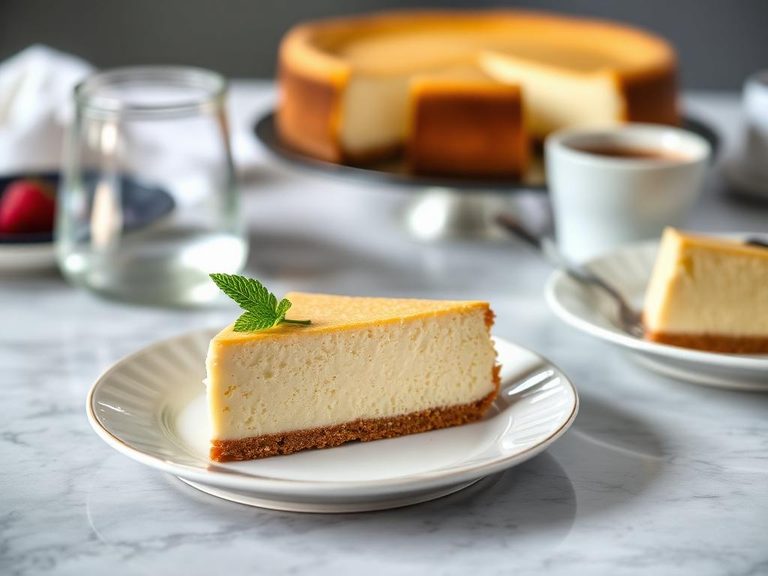
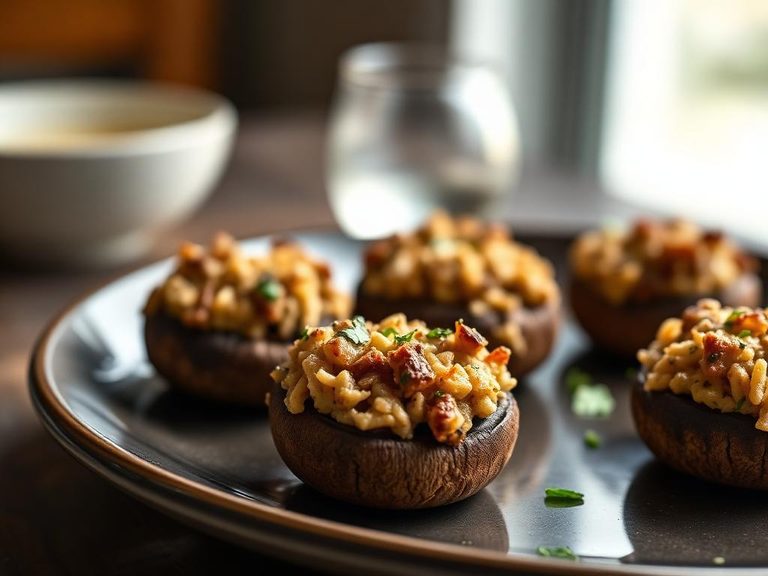
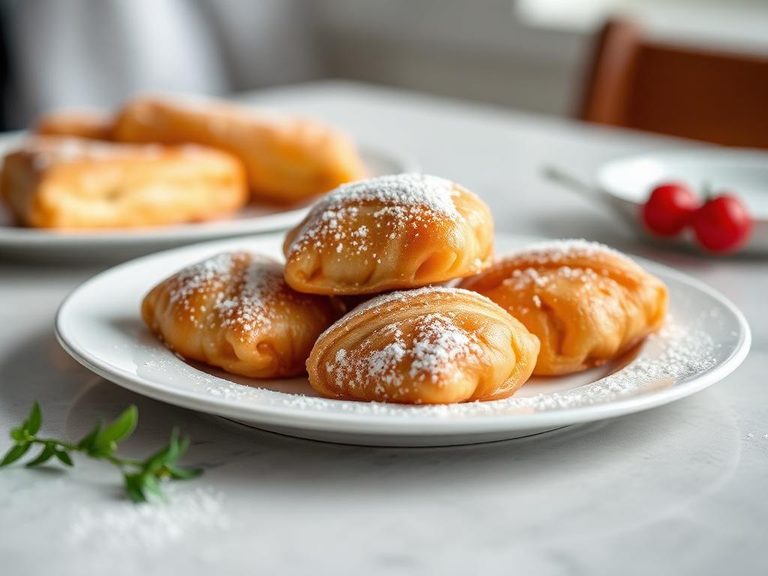
🍽️ Popular dishes



🌍 Where it's eaten
💡 Did you know?
The modern block-style cream cheese we know was first made in 1872 by William Lawrence in New York, but it was a later marketing effort by a rival, James L. Kraft, that popularized the name 'Philadelphia' for his brand, associating it with the city's reputation for high-quality food.
Full nutrition (USDA data · scales with serving)
| Water | 60.4 g |
| Energy | 264 kcal |
| Protein | 9.1 g |
| Total lipid (fat) | 22.7 g |
| Carbohydrate, by difference | 5.6 g |
| Fiber, total dietary | 0.00 g |
| Total Sugars | 4.3 g |
| Calcium, Ca | 182 mg |
| Iron, Fe | 0.06 mg |
| Magnesium, Mg | 13.0 mg |
| Phosphorus, P | 246 mg |
| Potassium, K | 176 mg |
| Sodium, Na | 479 mg |
| Zinc, Zn | 0.89 mg |
| Copper, Cu | 0.01 mg |
| Selenium, Se | 7.4 ug |
| Vitamin C, total ascorbic acid | 0.00 mg |
| Thiamin | 0.04 mg |
| Riboflavin | 0.24 mg |
| Niacin | 0.14 mg |
| Vitamin B-6 | 0.04 mg |
| Folate, total | 18.0 ug |
| Folic acid | 0.00 ug |
| Folate, food | 18.0 ug |
| Folate, DFE | 18.0 ug |
| Choline, total | 39.6 mg |
| Vitamin B-12 | 0.32 ug |
| Vitamin B-12, added | 0.00 ug |
| Vitamin A, RAE | 186 ug |
| Retinol | 186 ug |
| Carotene, beta | 4.0 ug |
| Carotene, alpha | 0.00 ug |
| Cryptoxanthin, beta | 0.00 ug |
| Lycopene | 0.00 ug |
| Lutein + zeaxanthin | 5.0 ug |
| Vitamin E (alpha-tocopherol) | 0.58 mg |
| Vitamin E, added | 0.00 mg |
| Vitamin D (D2 + D3) | 0.00 ug |
| Vitamin K (phylloquinone) | 1.5 ug |
| Alcohol, ethyl | 0.00 g |
| Caffeine | 0.00 mg |
| Theobromine | 0.00 mg |
Fat & fatty acid profile (per 100g)
| Fatty acids, total saturated | 13.3 g |
| SFA 4:0 | 0.50 g |
| SFA 6:0 | 0.40 g |
| SFA 8:0 | 0.26 g |
| SFA 10:0 | 0.59 g |
| SFA 12:0 | 0.69 g |
| SFA 14:0 | 2.2 g |
| SFA 16:0 | 6.2 g |
| SFA 18:0 | 2.0 g |
| Fatty acids, total monounsaturated | 4.7 g |
| MUFA 16:1 | 0.44 g |
| MUFA 18:1 | 5.3 g |
| MUFA 20:1 | 0.04 g |
| MUFA 22:1 | 0.00 g |
| Fatty acids, total polyunsaturated | 1.0 g |
| PUFA 18:2 | 0.49 g |
| PUFA 18:3 | 0.09 g |
| PUFA 18:4 | 0.00 g |
| PUFA 20:4 | 0.04 g |
| PUFA 20:5 n-3 (EPA) | 0.01 g |
| PUFA 22:5 n-3 (DPA) | 0.01 g |
| PUFA 22:6 n-3 (DHA) | 0.00 g |
| Cholesterol | 71.0 mg |
Amino acid profile (per 100g)
Estimated from Cheese, cream, low fat — USDA does not publish this profile for Cream cheese.
| Tryptophan | 0.09 g |
| Threonine | 0.31 g |
| Isoleucine | 0.43 g |
| Leucine | 0.87 g |
| Lysine | 0.75 g |
| Methionine | 0.25 g |
| Cystine | 0.06 g |
| Phenylalanine | 0.38 g |
| Tyrosine | 0.40 g |
| Valine | 0.52 g |
| Arginine | 0.31 g |
| Histidine | 0.23 g |
| Alanine | 0.24 g |
| Aspartic acid | 0.68 g |
| Glutamic acid | 1.7 g |
| Glycine | 0.19 g |
| Proline | 0.88 g |
| Serine | 0.49 g |
| Hydroxyproline | 0.00 g |
FAQ
Is light cream cheese the same as Neufchâtel?
They are similar but not identical. Neufchâtel is a French cheese that is naturally lower in fat. Light cream cheese is made by reducing the fat content of standard cream cheese, often with added stabilizers. Neufchâtel typically has a slightly grainier texture.
Can I substitute light cream cheese for regular in baking?
Yes, but with adjustments. Since it has a higher moisture content, it can make baked goods like cheesecake slightly less dense. It's best used in recipes specifically developed for reduced-fat cream cheese, or you may need to slightly reduce other liquids.
How should I store it once opened?
Keep it tightly wrapped in its original packaging or an airtight container in the refrigerator. It will typically stay fresh for about 10 days after opening. For longer storage, you can freeze it, though the texture may become slightly crumbly upon thawing.
Nutrient density (calculated · NRF9.3)
Nutrient Rich Foods index: beneficial nutrients (protein, fiber, vitamins, minerals) minus saturated fat, added sugar & sodium, per 100 kcal.
NRF9.3 index — Fulgoni, Keast & Drewnowski, 2009. Computed from USDA nutrients.
Weight-loss friendliness (composite index)
Energy density 2.64 kcal/g · 14% calories from protein · 0.0 g fiber · 4.3 g sugar per 100 g.
Composite of energy density (Rolls et al., 1999), protein & fiber satiety, minus sugar. A calculated heuristic — ranks satiety-per-calorie, not a clinical measure.
Dietary load (calculated from USDA values)
Potential renal acid load. Positive = acid-forming, negative = alkaline-forming.
Sodium-to-potassium ratio: 2.72 (lower is better — aim for ≤ 1)
Sodium:potassium per WHO potassium guidance. Computed from USDA nutrients.