

Coconut water, sweetened
Common food

Photo: Wikipedia
Sweetened coconut water is the clear, slightly viscous liquid from young green coconuts, enhanced with added sugar. It offers a distinct tropical flavor that is both sweet and subtly nutty, with a refreshing, light texture. Nutritionally, it is primarily a source of quick-digesting carbohydrates, providing 37 kcal and 8.78g of sugar per 100g.
Calorie split: 2% protein · 97% carbs · 0% fat
↓ Full nutrition💚 Why it's loved
People love it for its uniquely refreshing, sweet-tropical taste that instantly evokes a beachside vibe. Its versatility makes it a favorite chilled drink, a cocktail mixer, or a flavorful ingredient in desserts and marinades.
⚠️ Watch-outs & how to enjoy it better
The significant added sugar content can lead to blood-sugar spikes, making it a poor choice for those monitoring glucose levels or managing diabetes. To mitigate this, consume it in small portions (e.g., 100ml) and pair it with a source of protein or healthy fat (like nuts) to slow sugar absorption. It is also a high-sugar beverage, so moderation is key for general health.
Key benefits
- Provides quick energy from natural and added sugars.
- Contains electrolytes like potassium and magnesium.
- Offers hydration with a pleasant flavor.
- A popular base for tropical cocktails and mocktails.
- Used in some traditional remedies for rehydration.
🍽️ Popular dishes
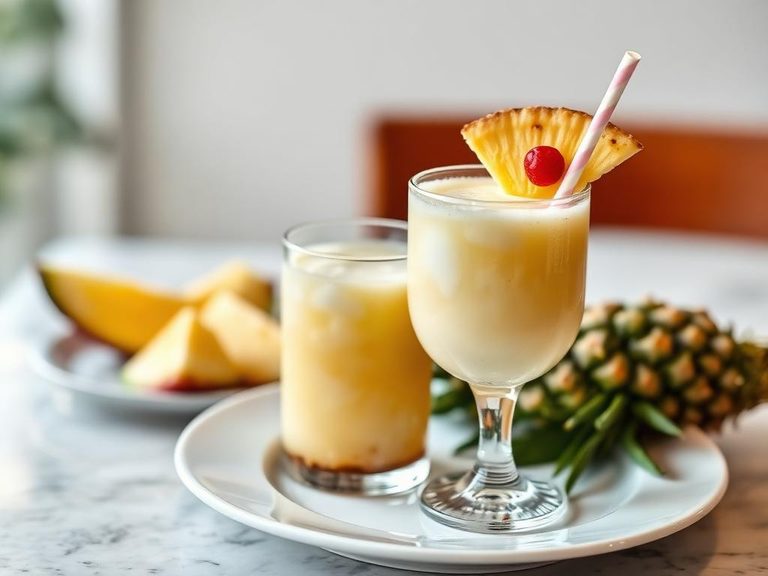
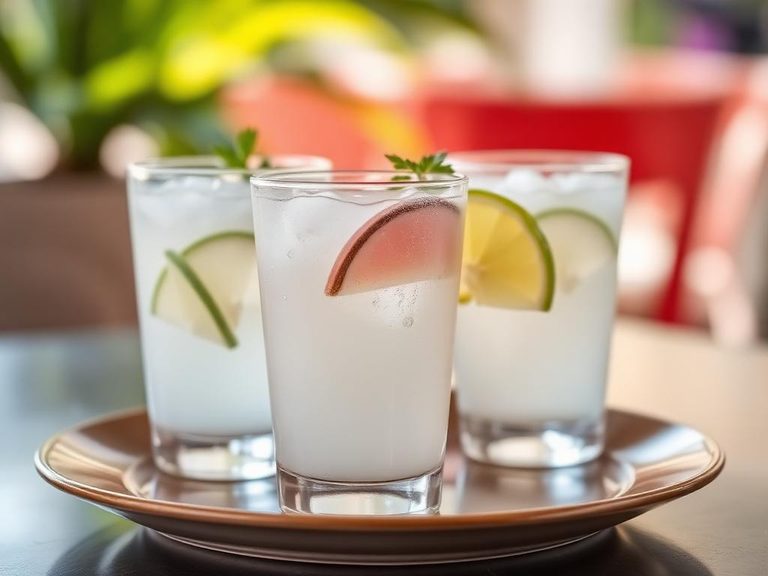
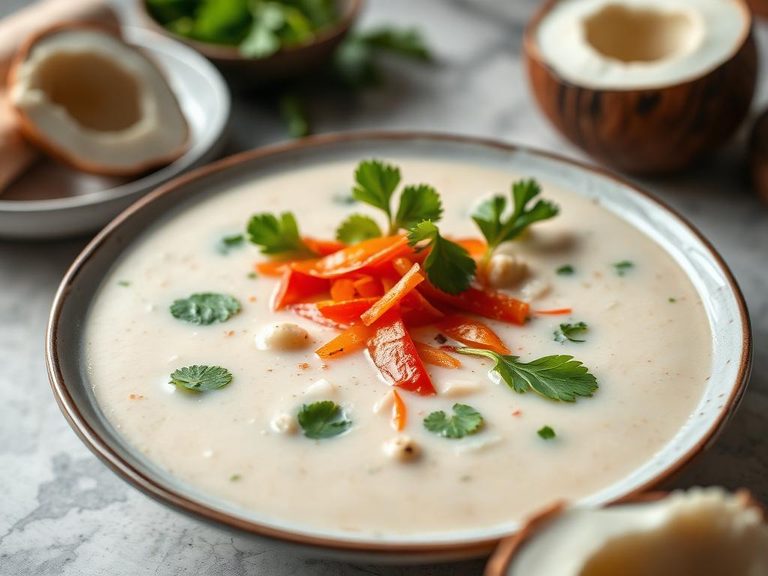
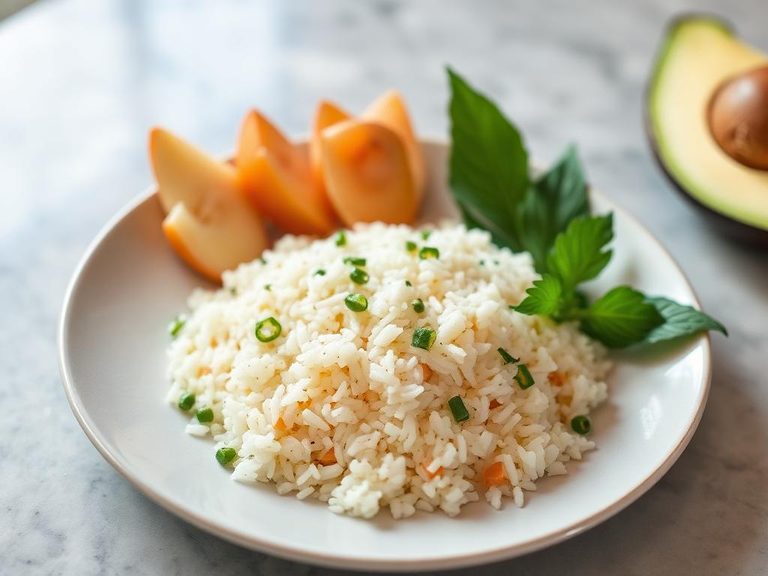

🌍 Where it's eaten
💡 Did you know?
The sugar in sweetened coconut water is often added to mimic the natural sweetness of the very sweetest 'king' coconuts, which can have a naturally higher sugar content than standard varieties.
Full nutrition (USDA data · scales with serving)
| Water | 90.2 g |
| Energy | 37.0 kcal |
| Protein | 0.21 g |
| Total lipid (fat) | 0.02 g |
| Carbohydrate, by difference | 9.1 g |
| Fiber, total dietary | 0.00 g |
| Total Sugars | 8.8 g |
| Calcium, Ca | 7.0 mg |
| Iron, Fe | 0.03 mg |
| Magnesium, Mg | 6.0 mg |
| Phosphorus, P | 5.0 mg |
| Potassium, K | 157 mg |
| Sodium, Na | 25.0 mg |
| Zinc, Zn | 0.02 mg |
| Copper, Cu | 0.01 mg |
| Selenium, Se | 0.00 ug |
| Vitamin C, total ascorbic acid | 9.4 mg |
| Thiamin | 0.03 mg |
| Riboflavin | 0.00 mg |
| Niacin | 0.00 mg |
| Vitamin B-6 | 0.00 mg |
| Folate, total | 0.00 ug |
| Folic acid | 0.00 ug |
| Folate, food | 0.00 ug |
| Folate, DFE | 0.00 ug |
| Choline, total | 0.00 mg |
| Vitamin B-12 | 0.00 ug |
| Vitamin B-12, added | 0.00 ug |
| Vitamin A, RAE | 0.00 ug |
| Retinol | 0.00 ug |
| Carotene, beta | 0.00 ug |
| Carotene, alpha | 0.00 ug |
| Cryptoxanthin, beta | 0.00 ug |
| Lycopene | 0.00 ug |
| Lutein + zeaxanthin | 0.00 ug |
| Vitamin E (alpha-tocopherol) | 0.00 mg |
| Vitamin E, added | 0.00 mg |
| Vitamin D (D2 + D3) | 0.00 ug |
| Vitamin K (phylloquinone) | 0.00 ug |
| Alcohol, ethyl | 0.00 g |
| Caffeine | 0.00 mg |
| Theobromine | 0.00 mg |
Fat & fatty acid profile (per 100g)
| Fatty acids, total saturated | 0.00 g |
| SFA 4:0 | 0.00 g |
| SFA 6:0 | 0.00 g |
| SFA 8:0 | 0.00 g |
| SFA 10:0 | 0.00 g |
| SFA 12:0 | 0.00 g |
| SFA 14:0 | 0.00 g |
| SFA 16:0 | 0.00 g |
| SFA 18:0 | 0.00 g |
| Fatty acids, total monounsaturated | 0.00 g |
| MUFA 16:1 | 0.00 g |
| MUFA 18:1 | 0.00 g |
| MUFA 20:1 | 0.00 g |
| MUFA 22:1 | 0.00 g |
| Fatty acids, total polyunsaturated | 0.00 g |
| PUFA 18:2 | 0.00 g |
| PUFA 18:3 | 0.00 g |
| PUFA 18:4 | 0.00 g |
| PUFA 20:4 | 0.00 g |
| PUFA 20:5 n-3 (EPA) | 0.00 g |
| PUFA 22:5 n-3 (DPA) | 0.00 g |
| PUFA 22:6 n-3 (DHA) | 0.00 g |
| Cholesterol | 0.00 mg |
Amino acid profile (per 100g)
Estimated from Nuts, coconut meat, dried (desiccated), sweetened, shredded — USDA does not publish this profile for Coconut water.
| Tryptophan | 0.03 g |
| Threonine | 0.10 g |
| Isoleucine | 0.11 g |
| Leucine | 0.21 g |
| Lysine | 0.13 g |
| Methionine | 0.05 g |
| Cystine | 0.06 g |
| Phenylalanine | 0.15 g |
| Tyrosine | 0.09 g |
| Valine | 0.17 g |
| Arginine | 0.47 g |
| Histidine | 0.07 g |
| Alanine | 0.15 g |
| Aspartic acid | 0.28 g |
| Glutamic acid | 0.66 g |
| Glycine | 0.14 g |
| Proline | 0.12 g |
| Serine | 0.15 g |
FAQ
How does sweetened coconut water differ from plain coconut water?
Sweetened coconut water has added sugars (like cane sugar or high-fructose corn syrup) to enhance its sweetness, significantly increasing its calorie and sugar content compared to plain, unsweetened varieties.
Is it a good sports drink alternative?
While it contains electrolytes like potassium, its high sugar content and lower sodium level compared to most sports drinks make it less ideal for intense, prolonged exercise where rapid sodium replacement is needed. It's better for light activity or casual hydration.
Can I cook with it?
Yes, it's used in various cuisines to add a sweet, tropical note to dishes like rice, stews, and desserts. However, be mindful that its added sugar can caramelize or burn quickly during high-heat cooking.
Nutrient density (calculated · NRF9.3)
Nutrient Rich Foods index: beneficial nutrients (protein, fiber, vitamins, minerals) minus saturated fat, added sugar & sodium, per 100 kcal.
NRF9.3 index — Fulgoni, Keast & Drewnowski, 2009. Computed from USDA nutrients.
Weight-loss friendliness (composite index)
Energy density 0.37 kcal/g · 2% calories from protein · 0.0 g fiber · 8.8 g sugar per 100 g.
Composite of energy density (Rolls et al., 1999), protein & fiber satiety, minus sugar. A calculated heuristic — ranks satiety-per-calorie, not a clinical measure.
Dietary load (calculated from USDA values)
Potential renal acid load. Positive = acid-forming, negative = alkaline-forming.
Sodium-to-potassium ratio: 0.16 (lower is better — aim for ≤ 1)
Sodium:potassium per WHO potassium guidance. Computed from USDA nutrients.