

Cheese spread, cream cheese
Common food

Photo: Wikipedia
Cream cheese spread is a smooth, rich, and tangy dairy product with a velvety, spreadable texture. It's prized for its mild, slightly sweet flavor and high fat content, which makes it a luxurious base for both sweet and savory dishes. Nutritionally, it's a dense source of calories and fat, with a modest amount of protein.
Calorie split: 9% protein · 5% carbs · 86% fat
↓ Full nutrition💚 Why it's loved
People adore it for its incredibly creamy, luxurious mouthfeel and its ability to instantly elevate bagels, dips, and frostings. Its mild tanginess is a perfect canvas for both sweet and savory flavors, making it a kitchen staple.
⚠️ Watch-outs & how to enjoy it better
Its high saturated fat and calorie density can be a concern for heart health or weight management if consumed in excess. For those watching sodium or lactose intake, it can be problematic. Tip: Use it as a flavorful accent rather than the main ingredient, and pair it with fiber-rich foods like whole-grain toast or vegetable sticks.
Key benefits
- Provides a quick source of energy from its high fat content.
- Contains calcium and phosphorus, which support bone health.
- Offers a small amount of high-quality protein.
- Its smooth texture makes it an easy-to-digest food for some.
- Acts as a versatile base for both sweet and savory recipes.
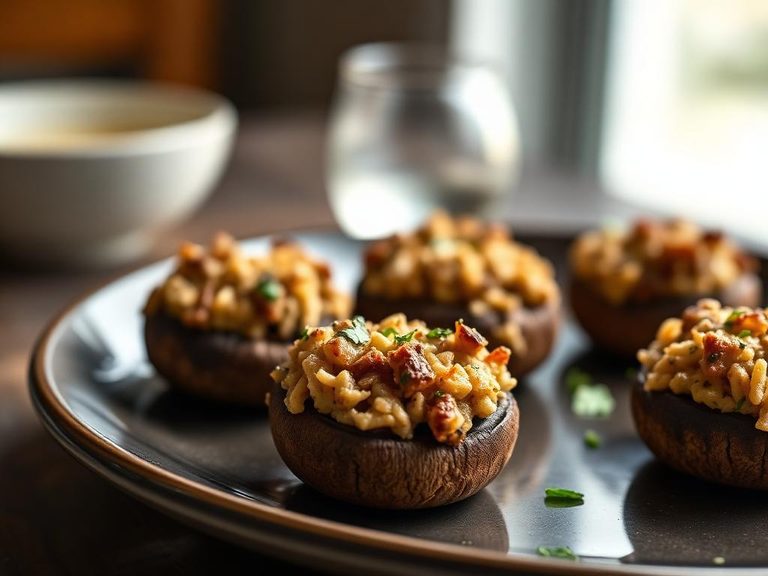
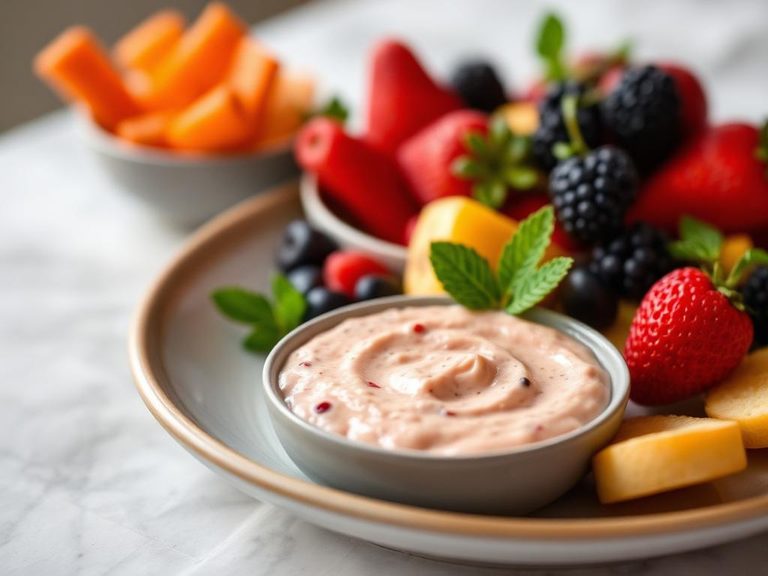
🍽️ Popular dishes



🌍 Where it's eaten
💡 Did you know?
The first mass-produced cream cheese was developed in 1872 by William Lawrence in Chester, New York, after he accidentally stumbled upon a way to make a richer, creamier cheese than the standard Neufchâtel.
Full nutrition (USDA data · scales with serving)
| Water | 58.5 g |
| Energy | 295 kcal |
| Protein | 7.1 g |
| Total lipid (fat) | 28.6 g |
| Carbohydrate, by difference | 3.5 g |
| Fiber, total dietary | 0.00 g |
| Total Sugars | 3.5 g |
| Calcium, Ca | 71.0 mg |
| Iron, Fe | 1.1 mg |
| Magnesium, Mg | 6.0 mg |
| Phosphorus, P | 91.0 mg |
| Potassium, K | 112 mg |
| Sodium, Na | 436 mg |
| Zinc, Zn | 0.51 mg |
| Copper, Cu | 0.01 mg |
| Selenium, Se | 2.7 ug |
| Vitamin C, total ascorbic acid | 0.00 mg |
| Thiamin | 0.02 mg |
| Riboflavin | 0.19 mg |
| Niacin | 0.95 mg |
| Vitamin B-6 | 0.04 mg |
| Folate, total | 12.0 ug |
| Folic acid | 0.00 ug |
| Folate, food | 12.0 ug |
| Folate, DFE | 12.0 ug |
| Choline, total | 27.2 mg |
| Vitamin B-12 | 0.40 ug |
| Vitamin B-12, added | 0.00 ug |
| Vitamin A, RAE | 302 ug |
| Retinol | 300 ug |
| Carotene, beta | 19.0 ug |
| Carotene, alpha | 0.00 ug |
| Cryptoxanthin, beta | 0.00 ug |
| Lycopene | 0.00 ug |
| Lutein + zeaxanthin | 0.00 ug |
| Vitamin E (alpha-tocopherol) | 0.77 mg |
| Vitamin E, added | 0.00 mg |
| Vitamin D (D2 + D3) | 0.50 ug |
| Vitamin K (phylloquinone) | 2.4 ug |
| Alcohol, ethyl | 0.00 g |
| Caffeine | 0.00 mg |
| Theobromine | 0.00 mg |
Fat & fatty acid profile (per 100g)
| Fatty acids, total saturated | 18.0 g |
| SFA 4:0 | 0.82 g |
| SFA 6:0 | 0.24 g |
| SFA 8:0 | 0.28 g |
| SFA 10:0 | 0.55 g |
| SFA 12:0 | 0.38 g |
| SFA 14:0 | 3.0 g |
| SFA 16:0 | 8.6 g |
| SFA 18:0 | 3.3 g |
| Fatty acids, total monounsaturated | 8.1 g |
| MUFA 16:1 | 0.80 g |
| MUFA 18:1 | 6.9 g |
| MUFA 20:1 | 0.00 g |
| MUFA 22:1 | 0.00 g |
| Fatty acids, total polyunsaturated | 1.0 g |
| PUFA 18:2 | 0.63 g |
| PUFA 18:3 | 0.40 g |
| PUFA 18:4 | 0.00 g |
| PUFA 20:4 | 0.00 g |
| PUFA 20:5 n-3 (EPA) | 0.00 g |
| PUFA 22:5 n-3 (DPA) | 0.00 g |
| PUFA 22:6 n-3 (DHA) | 0.00 g |
| Cholesterol | 90.0 mg |
Amino acid profile (per 100g)
Estimated from Cheese spread, pasteurized process, American — USDA does not publish this profile for Cheese spread.
| Tryptophan | 0.24 g |
| Threonine | 0.63 g |
| Isoleucine | 0.83 g |
| Leucine | 1.8 g |
| Lysine | 1.5 g |
| Methionine | 0.54 g |
| Cystine | 0.10 g |
| Phenylalanine | 0.93 g |
| Tyrosine | 0.89 g |
| Valine | 1.4 g |
| Arginine | 0.55 g |
| Histidine | 0.51 g |
| Alanine | 0.60 g |
| Aspartic acid | 1.1 g |
| Glutamic acid | 3.5 g |
| Glycine | 0.31 g |
| Proline | 2.3 g |
| Serine | 1.0 g |
FAQ
What's the difference between cream cheese and Neufchâtel?
Cream cheese has a higher fat content (about 33%), making it richer and denser. Neufchâtel is a French cheese with a lower fat content (about 23%), giving it a slightly grainier, less creamy texture.
Can I use cream cheese in cooking?
Yes, but with care. It's excellent stirred into sauces, soups, or pasta dishes at the end of cooking to add creaminess. Boiling it can cause it to separate or become grainy.
Is cream cheese gluten-free?
Plain cream cheese is naturally gluten-free. However, flavored varieties or those used in prepared dishes (like crab rangoon) may contain gluten, so always check the label.
Nutrient density (calculated · NRF9.3)
Nutrient Rich Foods index: beneficial nutrients (protein, fiber, vitamins, minerals) minus saturated fat, added sugar & sodium, per 100 kcal.
NRF9.3 index — Fulgoni, Keast & Drewnowski, 2009. Computed from USDA nutrients.
Weight-loss friendliness (composite index)
Energy density 2.95 kcal/g · 10% calories from protein · 0.0 g fiber · 3.5 g sugar per 100 g.
Composite of energy density (Rolls et al., 1999), protein & fiber satiety, minus sugar. A calculated heuristic — ranks satiety-per-calorie, not a clinical measure.
Dietary load (calculated from USDA values)
Potential renal acid load. Positive = acid-forming, negative = alkaline-forming.
Sodium-to-potassium ratio: 3.89 (lower is better — aim for ≤ 1)
Sodium:potassium per WHO potassium guidance. Computed from USDA nutrients.