

Cassava, cooked
Common food
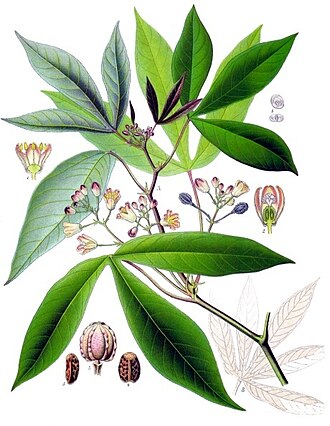
Photo: Wikipedia
Cassava, when cooked, transforms into a starchy, dense, and slightly chewy staple with a mild, subtly sweet flavor reminiscent of a potato but with a distinct, earthy undertone. Its texture is uniquely versatile, becoming soft and fluffy when boiled or mashed, yet delightfully crispy when fried into chips or fritters. Nutritionally, it's a powerhouse of energy-dense carbohydrates, providing nearly 40 grams per 100g serving, making it a critical fuel source for millions.
Calorie split: 3% protein · 83% carbs · 14% fat
↓ Full nutrition💚 Why it's loved
People cherish cassava for its incredible culinary adaptability—it can be boiled, fried, baked, or ground into flour to create everything from fluffy breads to chewy dumplings. Its mild flavor acts as a perfect canvas for bold spices and sauces, and it holds deep cultural significance as a life-sustaining food in many global cuisines.
⚠️ Watch-outs & how to enjoy it better
Cassava is very high in carbohydrates and has a high glycemic index, which can cause rapid blood-sugar spikes if eaten alone in large portions. To counteract this, always pair it with a source of protein (like beans or meat) or healthy fat (like avocado or oil) and practice portion control. Crucially, raw cassava contains cyanogenic glycosides; it must be properly peeled, soaked, and thoroughly cooked to be safe for consumption.
Key benefits
- Excellent source of quick-release energy due to high carbohydrate content.
- Naturally gluten-free, making it a safe staple for those with celiac disease.
- Good source of resistant starch, which can support gut health.
- Provides essential minerals like potassium and manganese.
- A resilient, drought-tolerant crop crucial for food security in tropical regions.
🍽️ Popular dishes
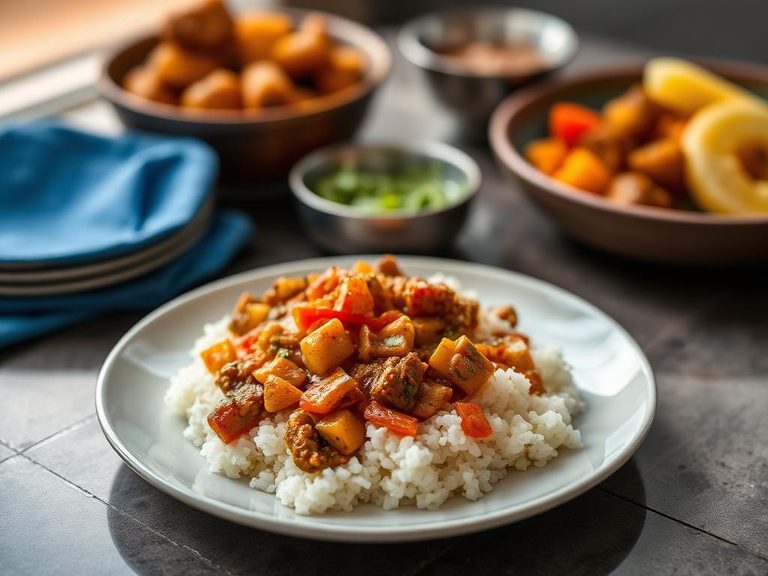
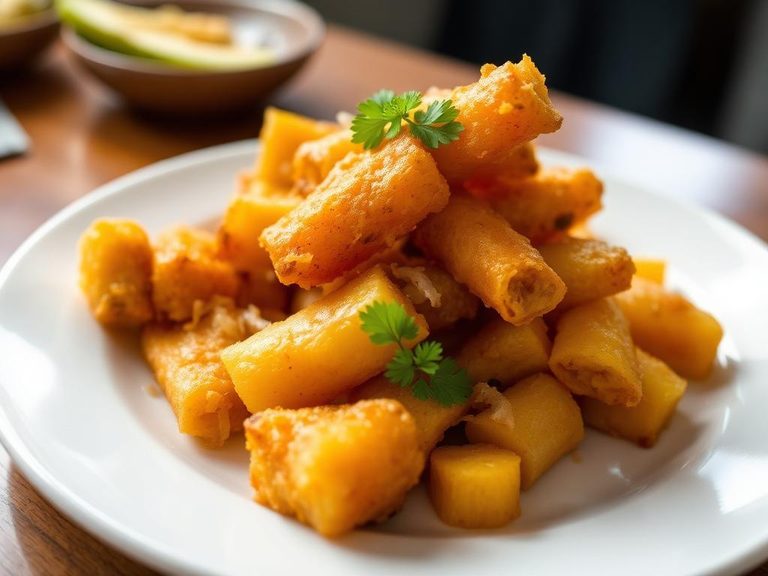
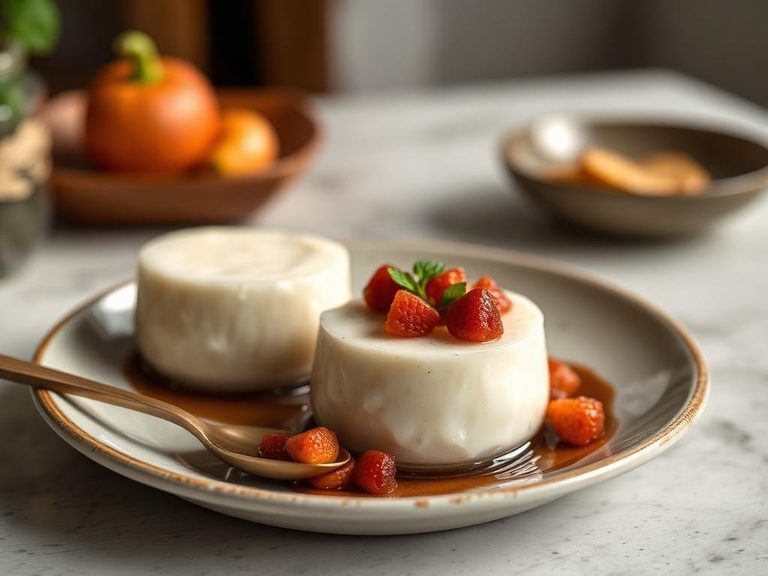
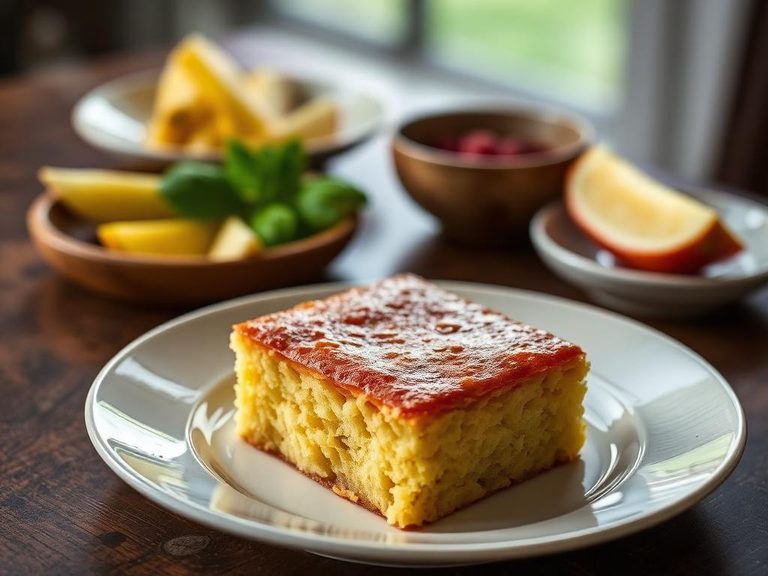
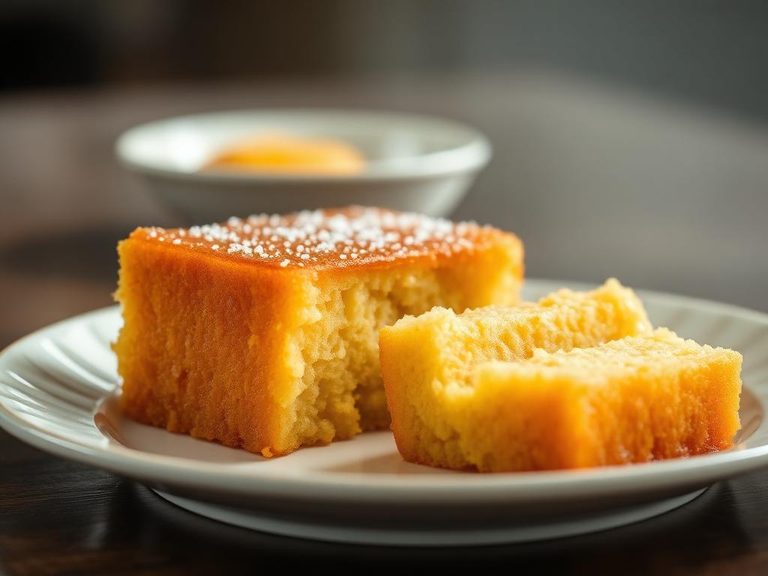
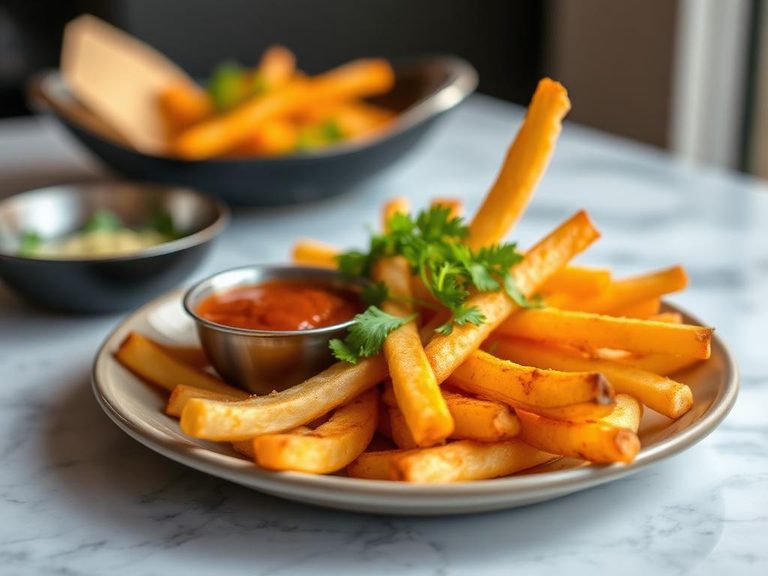
🌍 Where it's eaten
💡 Did you know?
Cassava is the primary source of tapioca, the starchy pearls used in bubble tea and puddings, which are extracted from the cassava root's starchy pulp.
Full nutrition (USDA data · scales with serving)
| Water | 55.0 g |
| Energy | 191 kcal |
| Protein | 1.4 g |
| Total lipid (fat) | 3.0 g |
| Carbohydrate, by difference | 39.6 g |
| Fiber, total dietary | 1.9 g |
| Total Sugars | 1.8 g |
| Calcium, Ca | 17.0 mg |
| Iron, Fe | 0.28 mg |
| Magnesium, Mg | 22.0 mg |
| Phosphorus, P | 28.0 mg |
| Potassium, K | 282 mg |
| Sodium, Na | 145 mg |
| Zinc, Zn | 0.36 mg |
| Copper, Cu | 0.10 mg |
| Selenium, Se | 0.70 ug |
| Vitamin C, total ascorbic acid | 18.2 mg |
| Thiamin | 0.08 mg |
| Riboflavin | 0.05 mg |
| Niacin | 0.84 mg |
| Vitamin B-6 | 0.10 mg |
| Folate, total | 24.0 ug |
| Folic acid | 0.00 ug |
| Folate, food | 24.0 ug |
| Folate, DFE | 24.0 ug |
| Choline, total | 24.9 mg |
| Vitamin B-12 | 0.00 ug |
| Vitamin B-12, added | 0.00 ug |
| Vitamin A, RAE | 13.0 ug |
| Retinol | 12.0 ug |
| Carotene, beta | 13.0 ug |
| Carotene, alpha | 0.00 ug |
| Cryptoxanthin, beta | 0.00 ug |
| Lycopene | 0.00 ug |
| Lutein + zeaxanthin | 0.00 ug |
| Vitamin E (alpha-tocopherol) | 0.61 mg |
| Vitamin E, added | 0.00 mg |
| Vitamin D (D2 + D3) | 0.00 ug |
| Vitamin K (phylloquinone) | 4.2 ug |
| Alcohol, ethyl | 0.00 g |
| Caffeine | 0.00 mg |
| Theobromine | 0.00 mg |
Fat & fatty acid profile (per 100g)
| Fatty acids, total saturated | 0.79 g |
| SFA 4:0 | 0.02 g |
| SFA 6:0 | 0.01 g |
| SFA 8:0 | 0.01 g |
| SFA 10:0 | 0.02 g |
| SFA 12:0 | 0.02 g |
| SFA 14:0 | 0.07 g |
| SFA 16:0 | 0.46 g |
| SFA 18:0 | 0.15 g |
| Fatty acids, total monounsaturated | 1.0 g |
| MUFA 16:1 | 0.01 g |
| MUFA 18:1 | 1.0 g |
| MUFA 20:1 | 0.01 g |
| MUFA 22:1 | 0.00 g |
| Fatty acids, total polyunsaturated | 0.83 g |
| PUFA 18:2 | 0.73 g |
| PUFA 18:3 | 0.10 g |
| PUFA 18:4 | 0.00 g |
| PUFA 20:4 | 0.00 g |
| PUFA 20:5 n-3 (EPA) | 0.00 g |
| PUFA 22:5 n-3 (DPA) | 0.00 g |
| PUFA 22:6 n-3 (DHA) | 0.00 g |
| Cholesterol | 2.0 mg |
Amino acid profile (per 100g)
Estimated from Cassava, raw — USDA does not publish this profile for Cassava.
| Tryptophan | 0.02 g |
| Threonine | 0.03 g |
| Isoleucine | 0.03 g |
| Leucine | 0.04 g |
| Lysine | 0.04 g |
| Methionine | 0.01 g |
| Cystine | 0.03 g |
| Phenylalanine | 0.03 g |
| Tyrosine | 0.02 g |
| Valine | 0.04 g |
| Arginine | 0.14 g |
| Histidine | 0.02 g |
| Alanine | 0.04 g |
| Aspartic acid | 0.08 g |
| Glutamic acid | 0.21 g |
| Glycine | 0.03 g |
| Proline | 0.03 g |
| Serine | 0.03 g |
FAQ
Is cooked cassava the same as yuca?
Yes, 'yuca' is the common Spanish name for the cassava root. When you see 'yuca frita' on a menu, it's fried cassava. The terms are often used interchangeably in culinary contexts.
Why is cassava sometimes called 'manioc'?
'Manioc' is another name for cassava, derived from the indigenous Tupi language of Brazil. It's more commonly used in French-speaking regions and parts of Africa.
Can I eat cassava raw?
No, never. Raw cassava contains compounds that can release cyanide. It must be properly prepared—peeled, soaked, and cooked thoroughly—to remove these toxins and make it safe to eat.
Nutrient density (calculated · NRF9.3)
Nutrient Rich Foods index: beneficial nutrients (protein, fiber, vitamins, minerals) minus saturated fat, added sugar & sodium, per 100 kcal.
NRF9.3 index — Fulgoni, Keast & Drewnowski, 2009. Computed from USDA nutrients.
Weight-loss friendliness (composite index)
Energy density 1.91 kcal/g · 3% calories from protein · 1.9 g fiber · 1.8 g sugar per 100 g.
Composite of energy density (Rolls et al., 1999), protein & fiber satiety, minus sugar. A calculated heuristic — ranks satiety-per-calorie, not a clinical measure.
Dietary load (calculated from USDA values)
Potential renal acid load. Positive = acid-forming, negative = alkaline-forming.
Sodium-to-potassium ratio: 0.51 (lower is better — aim for ≤ 1)
Sodium:potassium per WHO potassium guidance. Computed from USDA nutrients.