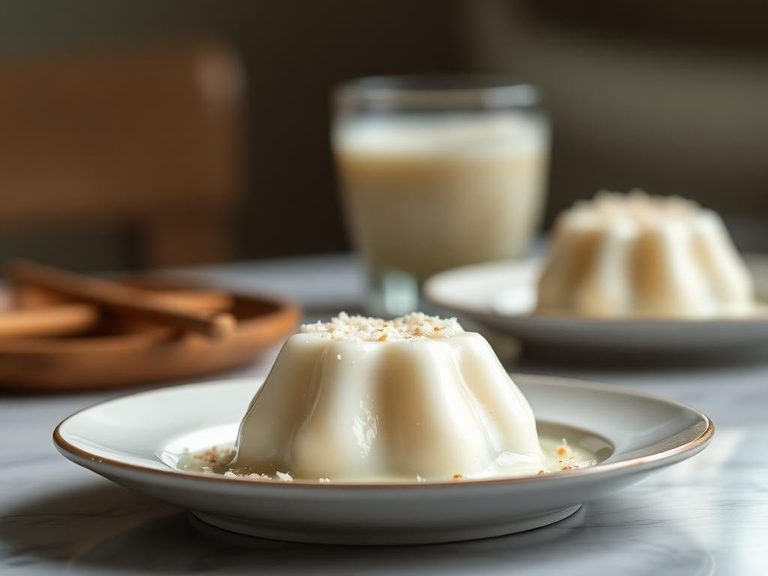
Tapioca Pudding (Global)
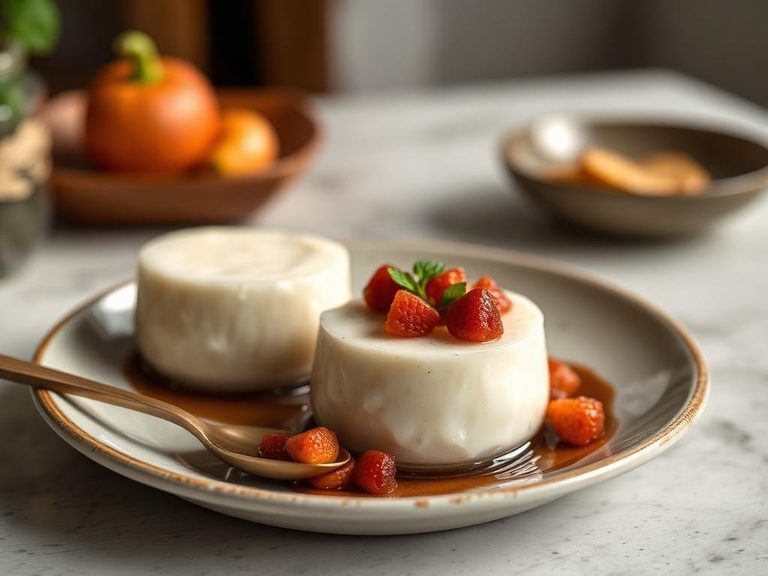
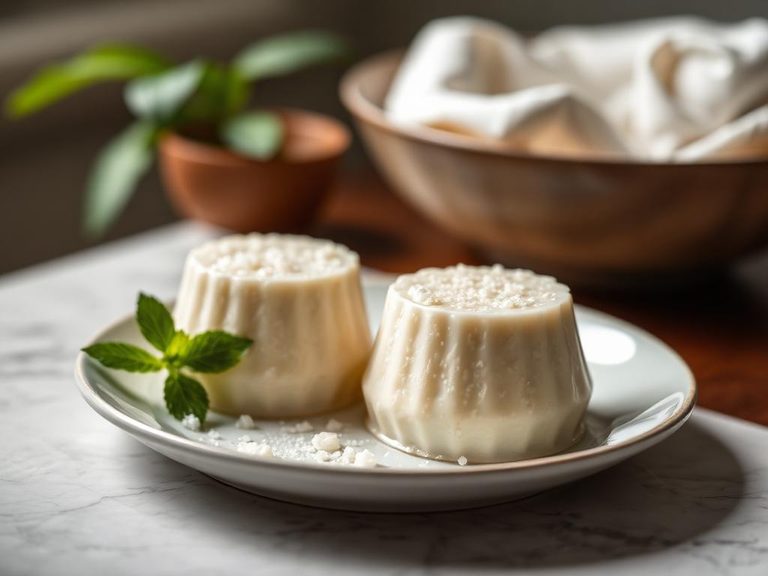
Tapioca pudding is a creamy, comforting dessert made from tapioca pearls (derived from the cassava root), milk, sugar, and often eggs or vanilla. It has roots in Brazil, the cassava's homeland, but has become a beloved treat worldwide, with popular variations in Southeast Asia, the Caribbean, and the United States.
🍽️ Nutrition at a glance
This dish is primarily a source of carbohydrates from the tapioca and added sugar, with moderate fat and protein if made with whole milk and eggs. A typical one-cup serving provides roughly 300-400 calories, offering quick energy along with some calcium and iron.
Nutrition breakdown
| Calories | 320 kcal |
| Protein | 4.5 g |
| Carbs | 58 g |
| Fat | 8 g |
| Fiber | 1.5 g |
| Sugar | 28 g |
| Sodium | 120 mg |
| Calcium | 150 mg |
| Phosphorus | 180 mg |
| Potassium | 250 mg |
| Magnesium | 35 mg |
| Iron | 1.8 mg |
| Vitamin B1 (Thiamine) | 0.15 mg |
| Vitamin B2 (Riboflavin) | 0.2 mg |
| Vitamin A | 75 mcg RAE |
Per 1 cup (240 g) · estimated, varies by recipe
💡 What's interesting
Tapioca pearls are a unique starch that gelatinizes when cooked, creating the pudding's signature chewy, translucent texture without any gluten. Nutritionally, cassava is a vital calorie-dense staple crop for millions in tropical regions, making this dessert a sweet transformation of a key food security ingredient.