

Flour, cassava
Whole food · Vegetables and Vegetable Products
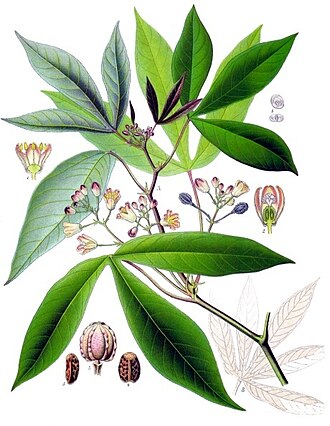
Photo: Wikipedia
Cassava flour is a fine, creamy-white powder made from the whole, peeled, and dried root of the cassava plant. It has a mild, slightly nutty flavor and a uniquely elastic, chewy texture when used in baking, making it a popular gluten-free alternative to wheat flour. Nutritionally, it is a dense source of carbohydrates, providing quick energy with minimal protein or fat.
Calorie split: 1% protein · 98% carbs · 1% fat
↓ Full nutrition💚 Why it's loved
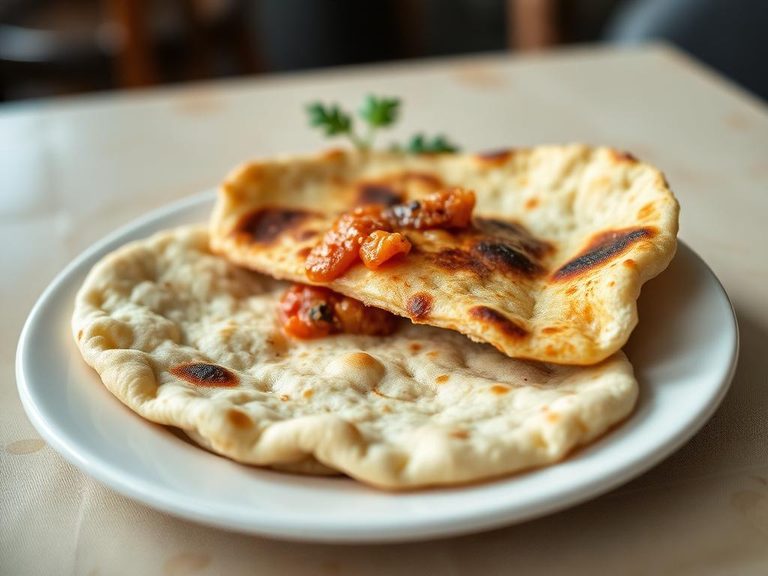
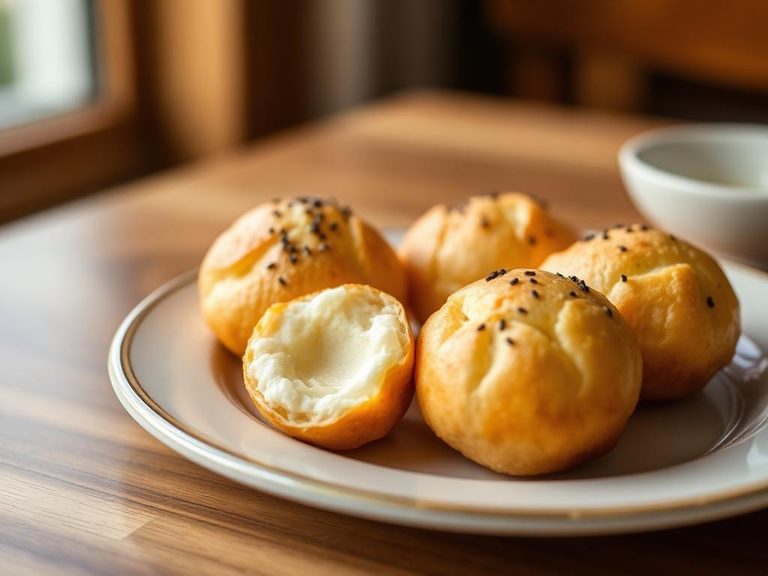
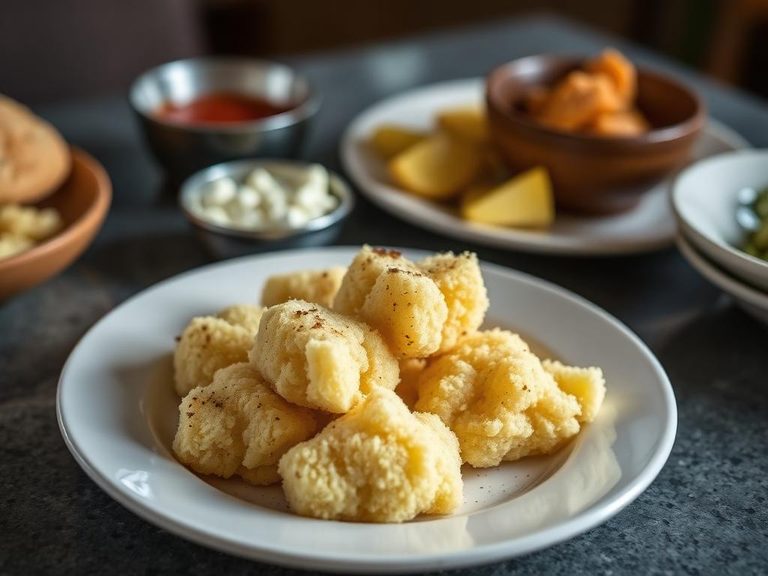
People love cassava flour for its ability to mimic the texture of wheat flour in gluten-free baking, yielding soft, non-gritty results. It's a staple in many cultures, forming the basis of beloved comfort foods from flatbreads to dumplings.
⚠️ Watch-outs & how to enjoy it better
Its high carbohydrate content can cause rapid blood sugar spikes, so it's not ideal for low-carb diets or those managing diabetes. To counteract this, pair it with protein or healthy fats (like eggs or avocado) and practice portion control. Raw cassava contains naturally occurring cyanide compounds, but commercial flours are always processed (cooked and dried) to remove them safely.
Key benefits
- Naturally gluten-free and grain-free
- Good source of dietary fiber for digestive health
- Provides a quick, starchy energy source
- Contains resistant starch which may support gut health
- Versatile base for both sweet and savory cooking
🍽️ Popular dishes
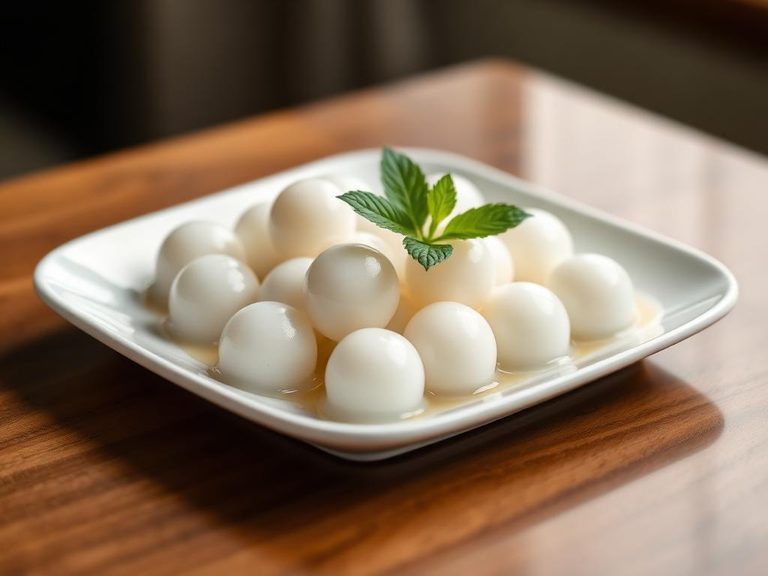
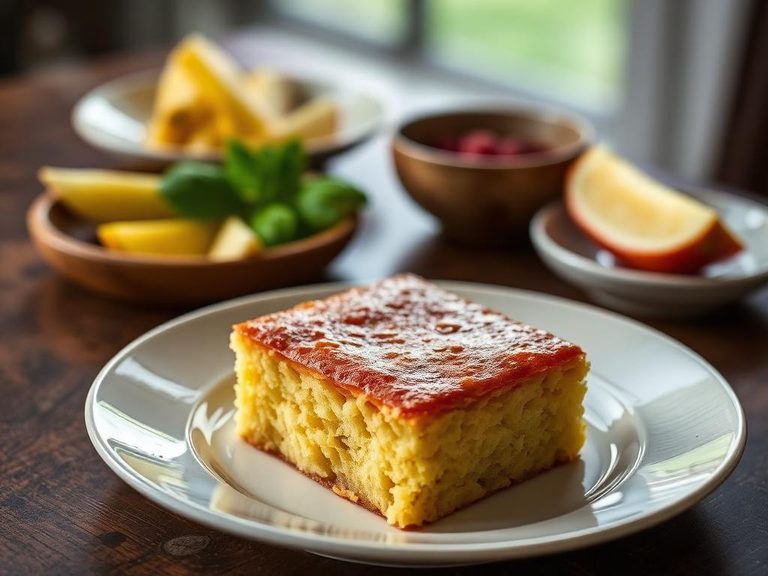
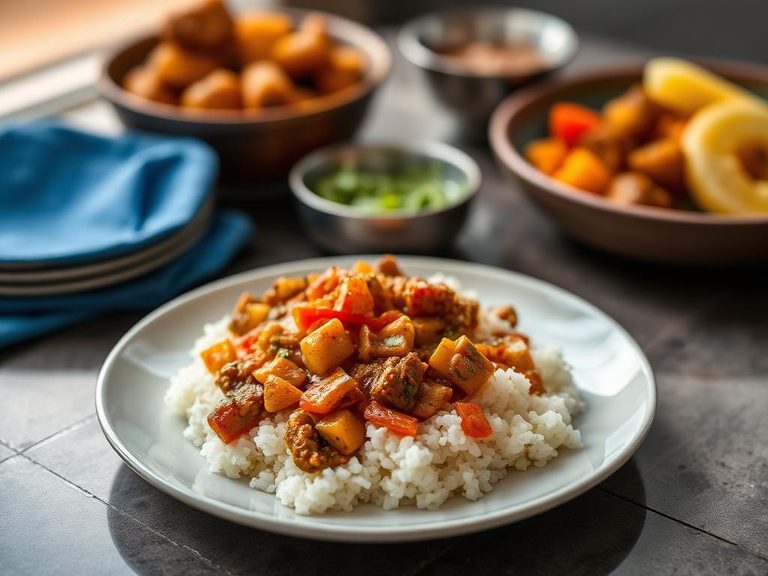
🌍 Where it's eaten
💡 Did you know?
Cassava is the third-largest source of carbohydrates in the tropics after rice and maize, and its roots can be left in the ground for up to two years as a natural, living food storage system.
Full nutrition (USDA data · scales with serving)
| Water | 10.6 g |
| Energy (Atwater General Factors) | 357 kcal |
| Energy (Atwater Specific Factors) | 359 kcal |
| Nitrogen | 0.16 g |
| Protein | 0.92 g |
| Total lipid (fat) | 0.49 g |
| Ash | 0.71 g |
| Carbohydrate, by difference | 87.3 g |
| Fiber, total dietary | 4.8 g |
| Total dietary fiber (AOAC 2011.25) | 7.7 g |
| High Molecular Weight Dietary Fiber (HMWDF) | 6.3 g |
| Low Molecular Weight Dietary Fiber (LMWDF) | 1.4 g |
| Beta-glucan | 0.00 g |
| Starch | 79.7 g |
| Calcium, Ca | 74.5 mg |
| Iron, Fe | 4.0 mg |
| Magnesium, Mg | 33.6 mg |
| Phosphorus, P | 39.2 mg |
| Potassium, K | 198 mg |
| Sodium, Na | 13.1 mg |
| Zinc, Zn | 0.41 mg |
| Copper, Cu | 0.08 mg |
| Manganese, Mn | 0.40 mg |
| Selenium, Se | 0.00 ug |
| Molybdenum, Mo | 2.5 ug |
| Thiamin | 0.05 mg |
| Riboflavin | 0.07 mg |
| Niacin | 0.60 mg |
| Vitamin B-6 | 0.05 mg |
| Biotin | 0.52 ug |
Fat & fatty acid profile (per 100g)
Estimated from Potato flour — USDA does not publish this profile for Flour.
| Fatty acids, total saturated | 0.09 g |
| SFA 4:0 | 0.00 g |
| SFA 6:0 | 0.00 g |
| SFA 8:0 | 0.00 g |
| SFA 10:0 | 0.00 g |
| SFA 12:0 | 0.01 g |
| SFA 14:0 | 0.00 g |
| SFA 16:0 | 0.06 g |
| SFA 18:0 | 0.01 g |
| Fatty acids, total monounsaturated | 0.01 g |
| MUFA 16:1 | 0.00 g |
| MUFA 18:1 | 0.00 g |
| MUFA 20:1 | 0.00 g |
| MUFA 22:1 | 0.00 g |
| Fatty acids, total polyunsaturated | 0.15 g |
| PUFA 18:2 | 0.11 g |
| PUFA 18:3 | 0.04 g |
| PUFA 18:4 | 0.00 g |
| PUFA 20:4 | 0.00 g |
| PUFA 20:5 n-3 (EPA) | 0.00 g |
| PUFA 22:5 n-3 (DPA) | 0.00 g |
| PUFA 22:6 n-3 (DHA) | 0.00 g |
| Fatty acids, total trans | 0.00 g |
| Cholesterol | 0.00 mg |
Amino acid profile (per 100g)
Estimated from Potato flour — USDA does not publish this profile for Flour.
| Tryptophan | 0.12 g |
| Threonine | 0.28 g |
| Isoleucine | 0.30 g |
| Leucine | 0.42 g |
| Lysine | 0.41 g |
| Methionine | 0.11 g |
| Cystine | 0.07 g |
| Phenylalanine | 0.32 g |
| Tyrosine | 0.22 g |
| Valine | 0.36 g |
| Arginine | 0.37 g |
| Histidine | 0.17 g |
| Alanine | 0.33 g |
| Aspartic acid | 1.2 g |
| Glutamic acid | 0.93 g |
| Glycine | 0.26 g |
| Proline | 0.27 g |
| Serine | 0.23 g |
FAQ
Is cassava flour the same as tapioca flour?
No. Cassava flour is made from the whole root, while tapioca flour (or starch) is extracted from the starchy liquid only. Cassava flour has more fiber and a different texture.
Can I substitute it 1:1 for wheat flour?
Not always. It absorbs more liquid and can be denser. Many recipes are specifically developed for it, but for general baking, start with a 1:1 substitution but reduce other liquids slightly.
Is it safe to eat raw?
No. Raw cassava root contains compounds that can release cyanide. Commercial cassava flour is always processed (cooked, dried, milled) to make it completely safe.
Nutrient density (calculated · NRF9.3)
Nutrient Rich Foods index: beneficial nutrients (protein, fiber, vitamins, minerals) minus saturated fat, added sugar & sodium, per 100 kcal.
NRF9.3 index — Fulgoni, Keast & Drewnowski, 2009. Computed from USDA nutrients.
Weight-loss friendliness (composite index)
Energy density 3.57 kcal/g · 1% calories from protein · 4.8 g fiber · 0.0 g sugar per 100 g.
Composite of energy density (Rolls et al., 1999), protein & fiber satiety, minus sugar. A calculated heuristic — ranks satiety-per-calorie, not a clinical measure.
Dietary load (calculated from USDA values)
Potential renal acid load. Positive = acid-forming, negative = alkaline-forming.
Sodium-to-potassium ratio: 0.07 (lower is better — aim for ≤ 1)
Sodium:potassium per WHO potassium guidance. Computed from USDA nutrients.