

Candy, non chocolate, other, NFS
Common food
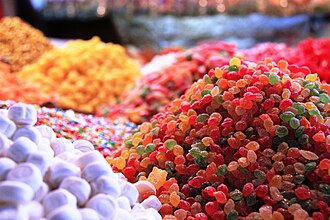
Photo: Wikipedia
This is a catch-all category for non-chocolate confections like hard candies, gummies, and licorice, defined by its near-pure carbohydrate composition. Expect a spectrum of textures from a glassy, shattering crunch to a soft, chewy bounce, all delivering an intense, straightforward sweetness. Nutritionally, it's essentially 96% sugar by weight, providing a rapid burst of energy with virtually no protein, fat, or fiber.
Calorie split: 0% protein · 97% carbs · 3% fat
↓ Full nutrition💚 Why it's loved
People love these candies for their nostalgic, pure sweetness and the tactile pleasure of their varied textures, from a satisfying crunch to a slow chew. They are a universal, affordable, and shelf-stable treat that transcends cultures, often tied to specific holidays, childhood memories, or regional traditions.
⚠️ Watch-outs & how to enjoy it better
The primary downside is the extreme sugar concentration, which can cause a sharp blood glucose spike followed by a crash, and contributes to dental cavities. Those managing diabetes, insulin resistance, or trying to reduce added sugar intake should be cautious. To counteract, pair a small portion with a source of protein or fat (like nuts or cheese) to slow absorption, and practice strict portion control.
Key benefits
- Provides quick energy for immediate fuel
- Can aid in rapid glucose correction for hypoglycemia
- Offers a simple, portable morale boost or treat
- Useful in culinary applications for decoration or glaze
🍽️ Popular dishes
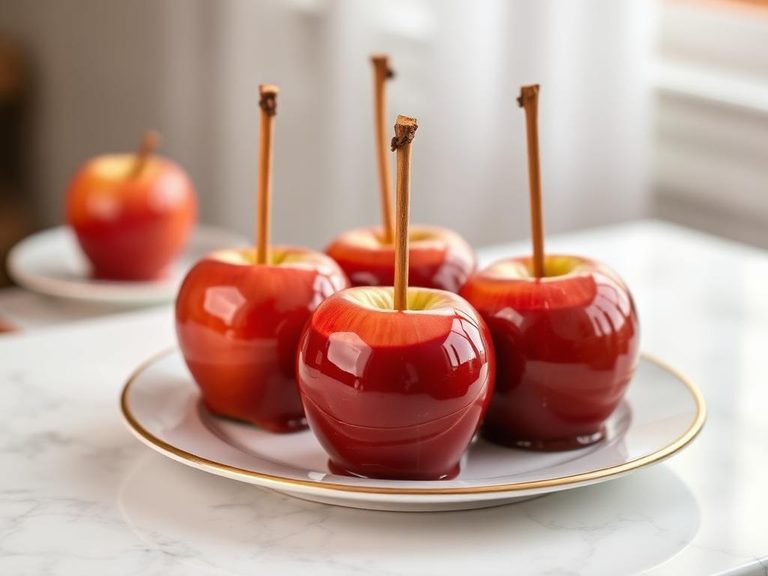
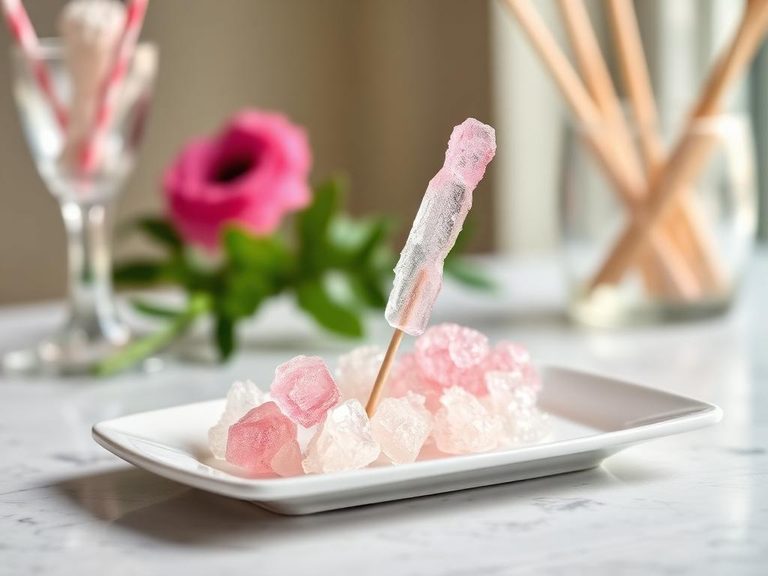
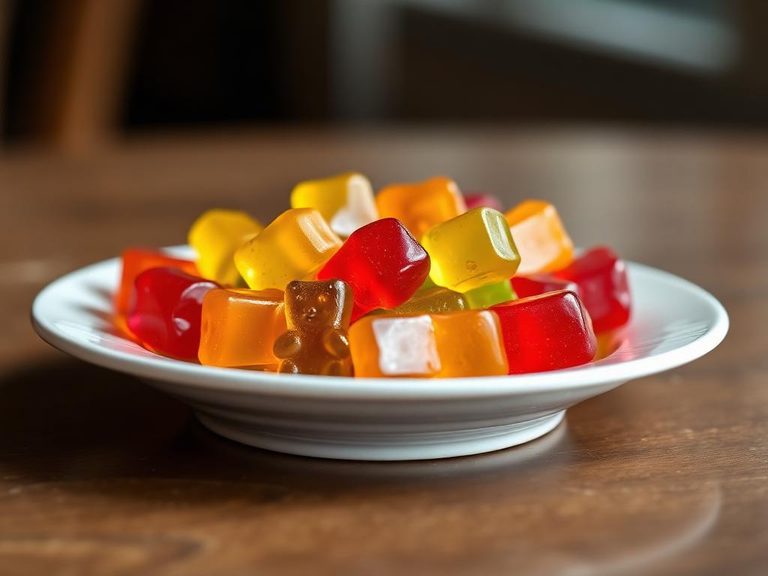
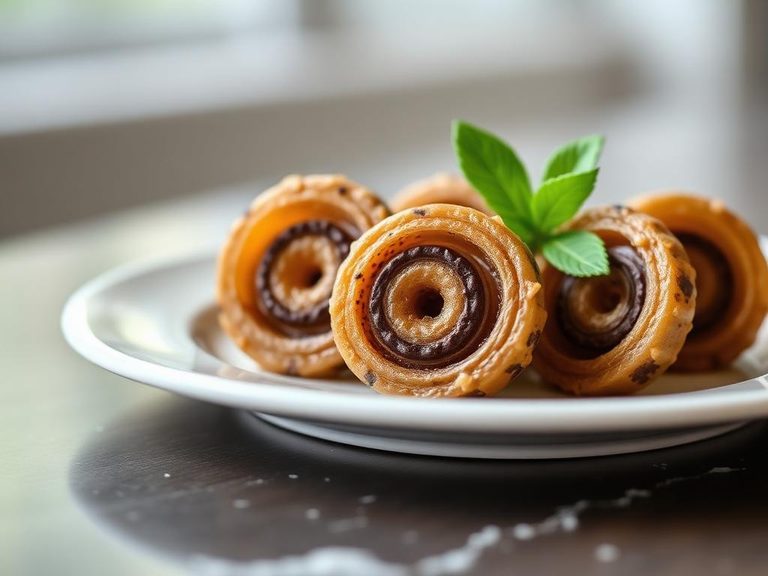
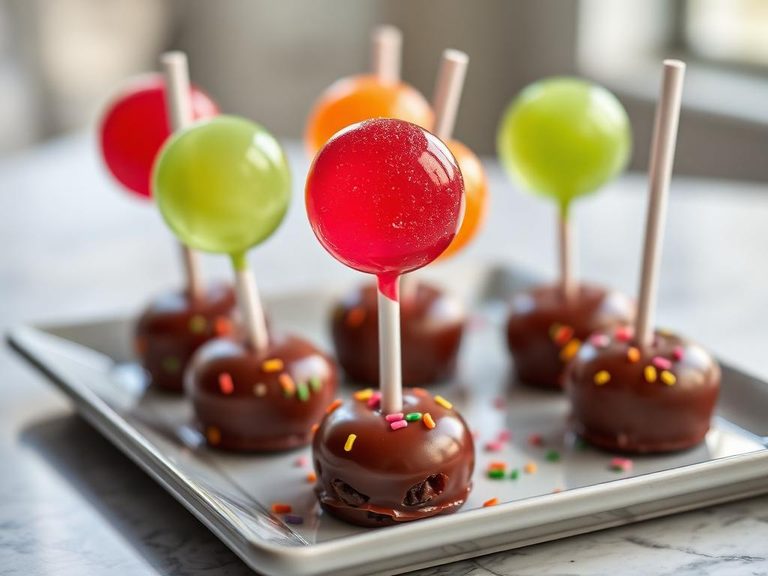
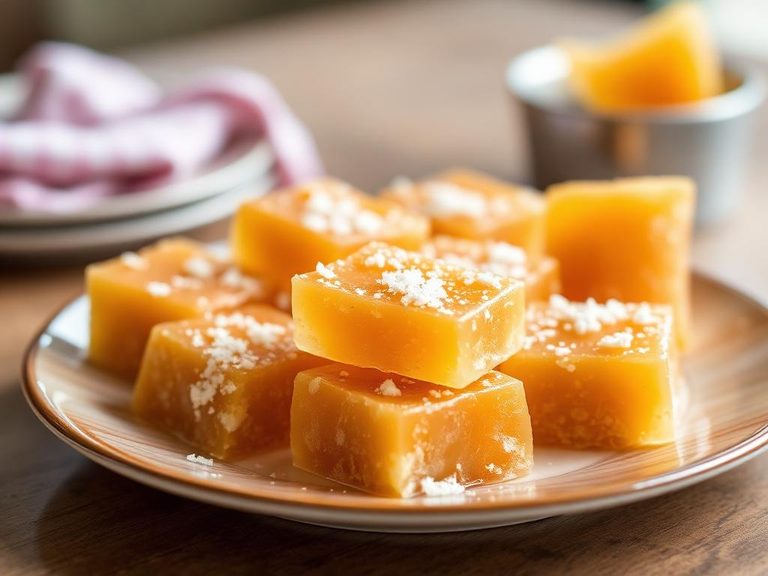
🌍 Where it's eaten
💡 Did you know?
The category 'NFS' stands for 'Not Further Specified,' a USDA designation for a composite of similar foods, meaning this nutritional profile is an average of dozens of different candies, from butterscotch to jelly beans.
Full nutrition (USDA data · scales with serving)
| Water | 2.8 g |
| Energy | 394 kcal |
| Protein | 0.05 g |
| Total lipid (fat) | 1.1 g |
| Carbohydrate, by difference | 95.7 g |
| Fiber, total dietary | 0.00 g |
| Total Sugars | 64.6 g |
| Calcium, Ca | 3.0 mg |
| Iron, Fe | 0.25 mg |
| Magnesium, Mg | 2.0 mg |
| Phosphorus, P | 2.0 mg |
| Potassium, K | 4.0 mg |
| Sodium, Na | 32.0 mg |
| Zinc, Zn | 0.01 mg |
| Copper, Cu | 0.02 mg |
| Selenium, Se | 0.70 ug |
| Vitamin C, total ascorbic acid | 0.00 mg |
| Thiamin | 0.00 mg |
| Riboflavin | 0.01 mg |
| Niacin | 0.01 mg |
| Vitamin B-6 | 0.00 mg |
| Folate, total | 0.00 ug |
| Folic acid | 0.00 ug |
| Folate, food | 0.00 ug |
| Folate, DFE | 0.00 ug |
| Choline, total | 0.00 mg |
| Vitamin B-12 | 0.00 ug |
| Vitamin B-12, added | 0.00 ug |
| Vitamin A, RAE | 0.00 ug |
| Retinol | 0.00 ug |
| Carotene, beta | 0.00 ug |
| Carotene, alpha | 0.00 ug |
| Cryptoxanthin, beta | 0.00 ug |
| Lycopene | 0.00 ug |
| Lutein + zeaxanthin | 1.0 ug |
| Vitamin E (alpha-tocopherol) | 0.04 mg |
| Vitamin E, added | 0.00 mg |
| Vitamin D (D2 + D3) | 0.00 ug |
| Vitamin K (phylloquinone) | 0.30 ug |
| Alcohol, ethyl | 0.00 g |
| Caffeine | 0.00 mg |
| Theobromine | 0.00 mg |
Fat & fatty acid profile (per 100g)
| Fatty acids, total saturated | 0.97 g |
| SFA 4:0 | 0.00 g |
| SFA 6:0 | 0.00 g |
| SFA 8:0 | 0.04 g |
| SFA 10:0 | 0.03 g |
| SFA 12:0 | 0.44 g |
| SFA 14:0 | 0.15 g |
| SFA 16:0 | 0.09 g |
| SFA 18:0 | 0.21 g |
| Fatty acids, total monounsaturated | 0.00 g |
| MUFA 16:1 | 0.00 g |
| MUFA 18:1 | 0.00 g |
| MUFA 20:1 | 0.00 g |
| MUFA 22:1 | 0.00 g |
| Fatty acids, total polyunsaturated | 0.00 g |
| PUFA 18:2 | 0.00 g |
| PUFA 18:3 | 0.00 g |
| PUFA 18:4 | 0.00 g |
| PUFA 20:4 | 0.00 g |
| PUFA 20:5 n-3 (EPA) | 0.00 g |
| PUFA 22:5 n-3 (DPA) | 0.00 g |
| PUFA 22:6 n-3 (DHA) | 0.00 g |
| Cholesterol | 0.00 mg |
Amino acid profile (per 100g)
Estimated from Oil, industrial, coconut, principal uses candy coatings, oil sprays, roasting nuts — USDA does not publish this profile for Candy.
| Tryptophan | 0.00 g |
| Threonine | 0.00 g |
| Isoleucine | 0.00 g |
| Leucine | 0.00 g |
| Lysine | 0.00 g |
| Methionine | 0.00 g |
| Cystine | 0.00 g |
| Phenylalanine | 0.00 g |
| Tyrosine | 0.00 g |
| Valine | 0.00 g |
| Arginine | 0.00 g |
| Histidine | 0.00 g |
| Alanine | 0.00 g |
| Aspartic acid | 0.00 g |
| Glutamic acid | 0.00 g |
| Glycine | 0.00 g |
| Proline | 0.00 g |
| Serine | 0.00 g |
FAQ
Why is there 0g of fiber listed?
Most non-chocolate candies are made from refined sugars, corn syrup, and gelatin or pectin, which contain no significant dietary fiber. The carbohydrate content is almost entirely simple sugars.
Is this the same as 'sugar'?
Not exactly. While sugar is the main ingredient, this category includes candies with added flavorings, colorings, acids (for sourness), and texturizers like gelatin or starch, which alter the taste and physical properties beyond plain sugar.
How can I enjoy this without a sugar crash?
Consume a small portion alongside a balanced meal or snack containing protein, fat, and fiber (e.g., a piece of cheese or a handful of nuts). This slows the digestion and absorption of the sugar, leading to a more gradual energy release.
Nutrient density (calculated · NRF9.3)
Nutrient Rich Foods index: beneficial nutrients (protein, fiber, vitamins, minerals) minus saturated fat, added sugar & sodium, per 100 kcal.
NRF9.3 index — Fulgoni, Keast & Drewnowski, 2009. Computed from USDA nutrients.
Weight-loss friendliness (composite index)
Energy density 3.94 kcal/g · 0% calories from protein · 0.0 g fiber · 64.6 g sugar per 100 g.
Composite of energy density (Rolls et al., 1999), protein & fiber satiety, minus sugar. A calculated heuristic — ranks satiety-per-calorie, not a clinical measure.
Dietary load (calculated from USDA values)
Potential renal acid load. Positive = acid-forming, negative = alkaline-forming.
Sodium-to-potassium ratio: 8.00 (lower is better — aim for ≤ 1)
Sodium:potassium per WHO potassium guidance. Computed from USDA nutrients.