

Butter, NFS
Common food
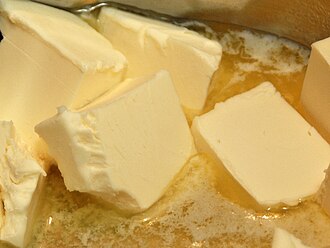
Photo: Wikipedia
Butter is the rich, creamy, golden-yellow fat churned from cream, prized for its smooth, melt-in-your-mouth texture and deep, savory flavor. Nutritionally, it is almost pure fat, providing a dense source of energy with negligible protein and carbohydrates. Its high saturated fat content is its defining nutritional characteristic.
Calorie split: 0% protein · 0% carbs · 100% fat
↓ Full nutrition💚 Why it's loved
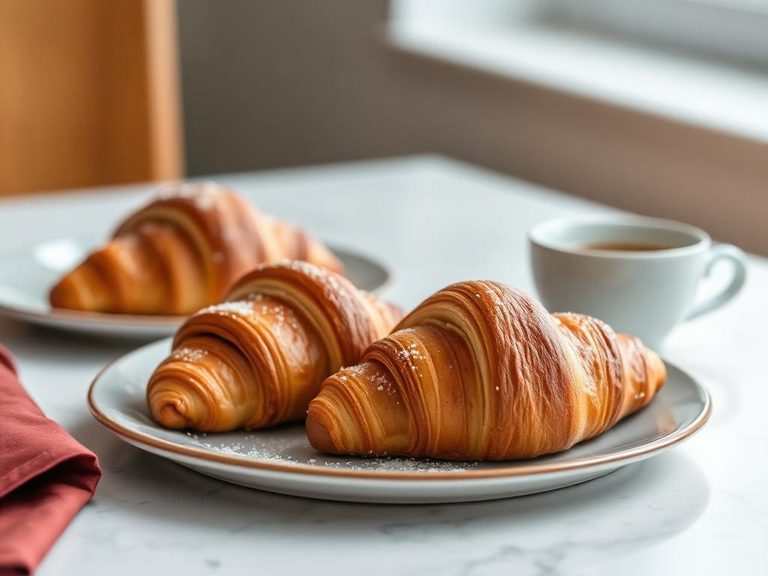
People adore butter for its unparalleled ability to add luxurious richness and a comforting, savory depth to food, from a simple slice of bread to complex sauces. Its cultural significance in baking, from croissants to cookies, makes it a symbol of homemade quality and indulgence.
⚠️ Watch-outs & how to enjoy it better
Due to its high saturated fat and calorie density, excessive consumption can contribute to elevated cholesterol levels and weight gain. Those monitoring heart health or calorie intake should use it sparingly. A practical tip is to use it as a flavor enhancer rather than a primary cooking fat, or to pair it with high-fiber foods to slow digestion.
Key benefits
- Excellent source of fat-soluble vitamins A, D, E, and K.
- Provides conjugated linoleic acid (CLA), a naturally occurring fatty acid.
- Enhances the absorption of fat-soluble nutrients from other foods.
- A traditional, shelf-stable cooking fat with a high smoke point when clarified.
- Adds richness, flavor, and texture to both sweet and savory dishes.
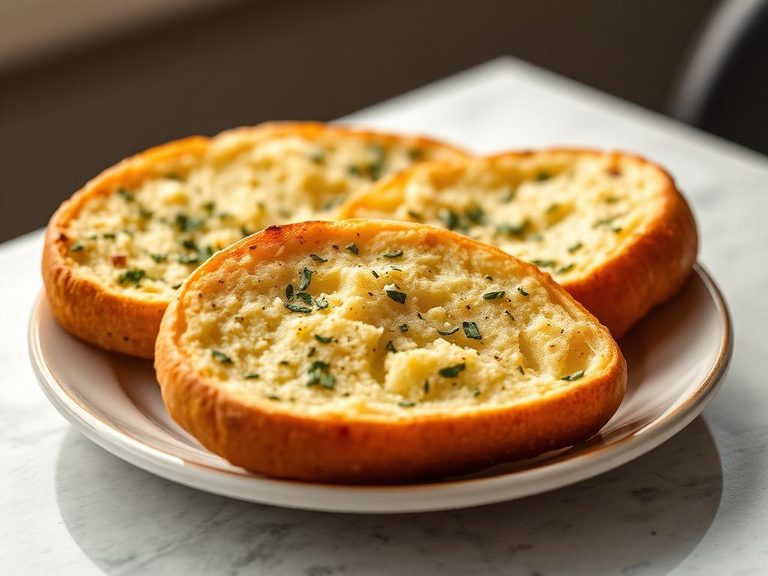
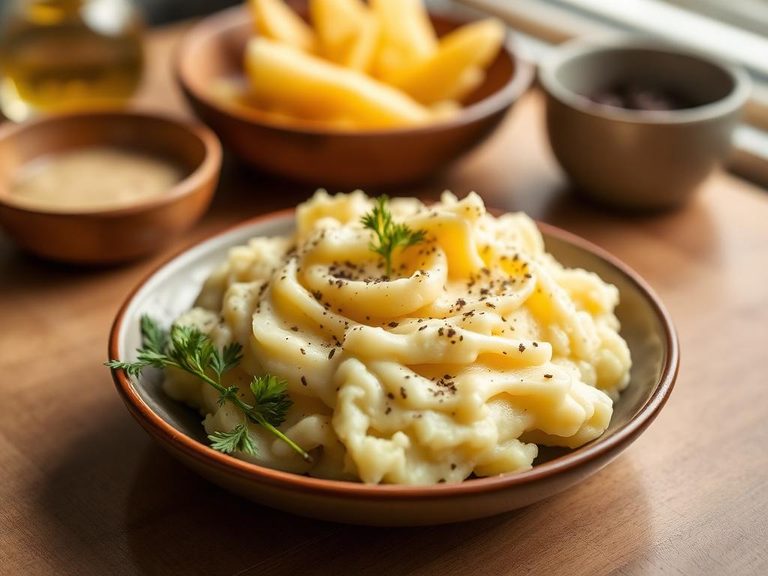
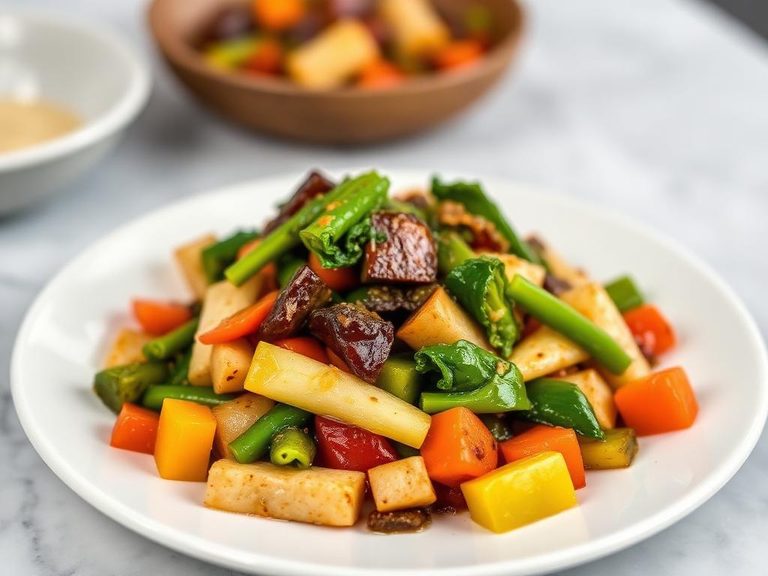
🍽️ Popular dishes
🌍 Where it's eaten
💡 Did you know?
The yellow color of butter comes from beta-carotene, a pigment in the grass and feed cows eat; butter from grass-fed cows is often a deeper yellow.
Full nutrition (USDA data · scales with serving)
| Water | 15.8 g |
| Energy | 743 kcal |
| Protein | 0.85 g |
| Total lipid (fat) | 82.2 g |
| Carbohydrate, by difference | 0.06 g |
| Fiber, total dietary | 0.00 g |
| Total Sugars | 0.58 g |
| Calcium, Ca | 21.0 mg |
| Iron, Fe | 0.06 mg |
| Magnesium, Mg | 2.0 mg |
| Phosphorus, P | 22.0 mg |
| Potassium, K | 23.0 mg |
| Sodium, Na | 524 mg |
| Zinc, Zn | 0.07 mg |
| Copper, Cu | 0.01 mg |
| Selenium, Se | 0.00 ug |
| Vitamin C, total ascorbic acid | 0.00 mg |
| Thiamin | 0.01 mg |
| Riboflavin | 0.00 mg |
| Niacin | 0.00 mg |
| Vitamin B-6 | 0.00 mg |
| Folate, total | 5.0 ug |
| Folic acid | 0.00 ug |
| Folate, food | 5.0 ug |
| Folate, DFE | 5.0 ug |
| Choline, total | 18.8 mg |
| Vitamin B-12 | 0.00 ug |
| Vitamin B-12, added | 0.00 ug |
| Vitamin A, RAE | 758 ug |
| Retinol | 744 ug |
| Carotene, beta | 168 ug |
| Carotene, alpha | 2.0 ug |
| Cryptoxanthin, beta | 8.0 ug |
| Lycopene | 0.00 ug |
| Lutein + zeaxanthin | 0.00 ug |
| Vitamin E (alpha-tocopherol) | 0.00 mg |
| Vitamin E, added | 0.00 mg |
| Vitamin D (D2 + D3) | 0.40 ug |
| Vitamin K (phylloquinone) | 7.0 ug |
| Alcohol, ethyl | 0.00 g |
| Caffeine | 0.00 mg |
| Theobromine | 0.00 mg |
Fat & fatty acid profile (per 100g)
| Fatty acids, total saturated | 45.6 g |
| SFA 4:0 | 2.0 g |
| SFA 6:0 | 1.4 g |
| SFA 8:0 | 0.84 g |
| SFA 10:0 | 1.9 g |
| SFA 12:0 | 2.2 g |
| SFA 14:0 | 7.2 g |
| SFA 16:0 | 21.2 g |
| SFA 18:0 | 7.4 g |
| Fatty acids, total monounsaturated | 16.9 g |
| MUFA 16:1 | 1.00 g |
| MUFA 18:1 | 15.0 g |
| MUFA 20:1 | 0.12 g |
| MUFA 22:1 | 0.00 g |
| Fatty acids, total polyunsaturated | 2.5 g |
| PUFA 18:2 | 2.3 g |
| PUFA 18:3 | 0.33 g |
| PUFA 18:4 | 0.01 g |
| PUFA 20:4 | 0.10 g |
| PUFA 20:5 n-3 (EPA) | 0.02 g |
| PUFA 22:5 n-3 (DPA) | 0.04 g |
| PUFA 22:6 n-3 (DHA) | 0.00 g |
| Cholesterol | 235 mg |
Amino acid profile (per 100g)
Estimated from Waffles, buttermilk, frozen, ready-to-heat — USDA does not publish this profile for Butter.
| Tryptophan | 0.07 g |
| Threonine | 0.23 g |
| Isoleucine | 0.28 g |
| Leucine | 0.49 g |
| Lysine | 0.30 g |
| Methionine | 0.13 g |
| Cystine | 0.15 g |
| Phenylalanine | 0.30 g |
| Tyrosine | 0.15 g |
| Valine | 0.33 g |
| Arginine | 0.28 g |
| Histidine | 0.14 g |
| Alanine | 0.25 g |
| Aspartic acid | 0.41 g |
| Glutamic acid | 1.6 g |
| Glycine | 0.21 g |
| Proline | 0.56 g |
| Serine | 0.35 g |
FAQ
What is the difference between salted and unsalted butter?
Salted butter contains added salt for flavor and preservation, while unsalted butter is pure cream, allowing the cook to control the salt content in a recipe.
What is clarified butter or ghee?
Clarified butter is butter with the milk solids and water removed, leaving pure butterfat. Ghee is a type of clarified butter where the milk solids are toasted before removal, giving it a nuttier flavor.
Can I substitute butter with oil in baking?
You can often substitute oil for butter in a 1:1 ratio by volume, but the texture will change. Oil makes a moister, denser crumb, while butter creates a lighter, flakier texture and provides a distinct flavor.
Nutrient density (calculated · NRF9.3)
Nutrient Rich Foods index: beneficial nutrients (protein, fiber, vitamins, minerals) minus saturated fat, added sugar & sodium, per 100 kcal.
NRF9.3 index — Fulgoni, Keast & Drewnowski, 2009. Computed from USDA nutrients.
Weight-loss friendliness (composite index)
Energy density 7.43 kcal/g · 0% calories from protein · 0.0 g fiber · 0.6 g sugar per 100 g.
Composite of energy density (Rolls et al., 1999), protein & fiber satiety, minus sugar. A calculated heuristic — ranks satiety-per-calorie, not a clinical measure.
Dietary load (calculated from USDA values)
Potential renal acid load. Positive = acid-forming, negative = alkaline-forming.
Sodium-to-potassium ratio: 22.78 (lower is better — aim for ≤ 1)
Sodium:potassium per WHO potassium guidance. Computed from USDA nutrients.