

Butter, light
Common food

Photo: Wikipedia
Light butter is a reduced-fat spread made by blending butter with water, offering a familiar creamy texture with a slightly lighter mouthfeel and milder flavor. It's designed to provide the buttery taste people enjoy while cutting the fat and calorie content by nearly half compared to regular butter. This makes it a popular choice for those seeking a more moderate option for spreading and light cooking.
Calorie split: 3% protein · 0% carbs · 97% fat
↓ Full nutrition💚 Why it's loved
People love light butter for delivering that essential, creamy butter flavor on toast or vegetables without the full calorie load of the original. Its versatility in both spreading and sautéing makes it a practical staple in many kitchens.
⚠️ Watch-outs & how to enjoy it better
The primary downside is its high fat content, which is still significant, and it's not suitable for those with dairy allergies or lactose intolerance. To manage intake, use it sparingly and pair it with fiber-rich foods like whole-grain toast or steamed vegetables to increase satiety.
Key benefits
- Contains about 40% fewer calories and fat than regular butter
- Provides a source of fat-soluble vitamins like Vitamin A
- Offers a familiar butter flavor for calorie-conscious cooking
- Can be used as a 1:1 substitute in many recipes
- Helps with portion control for fat intake
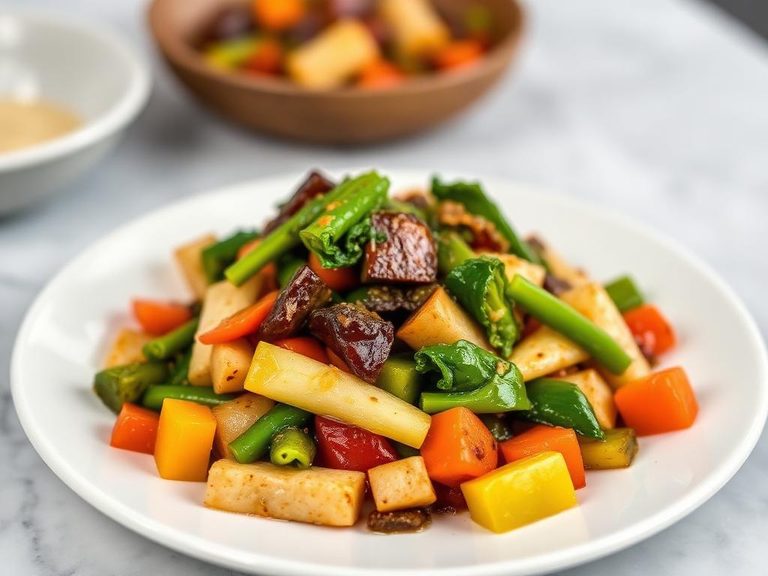
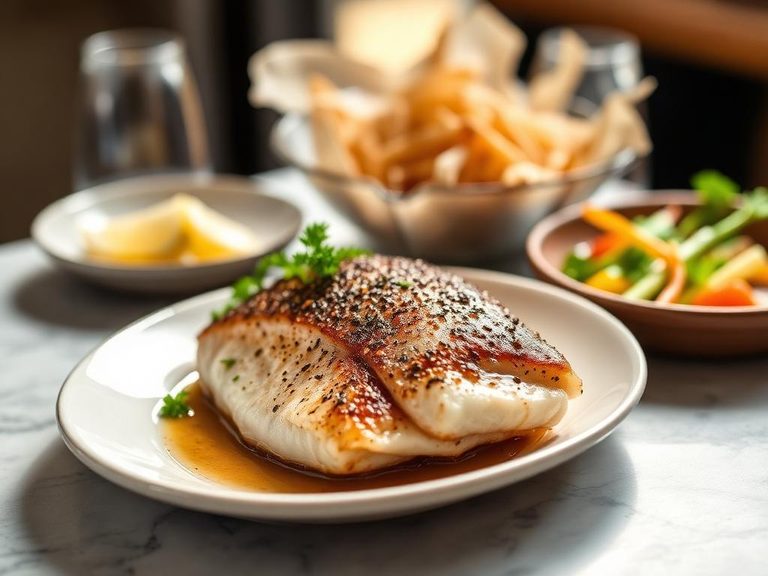
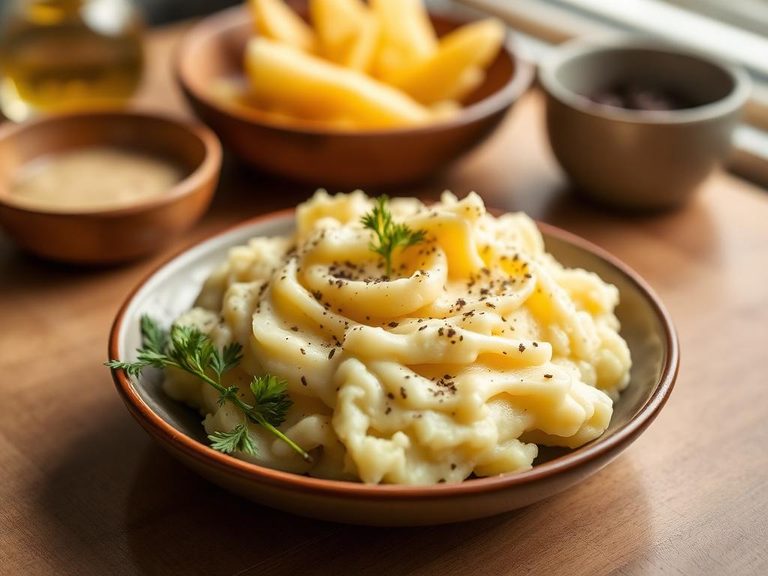
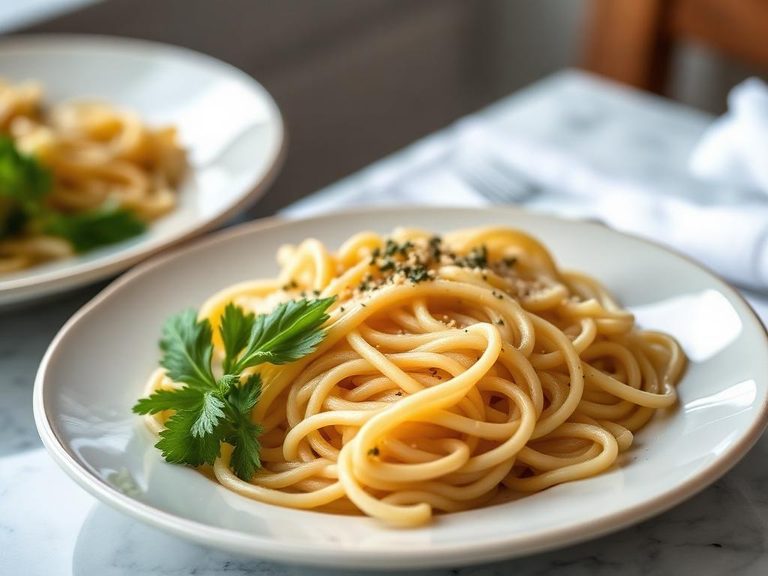
🍽️ Popular dishes
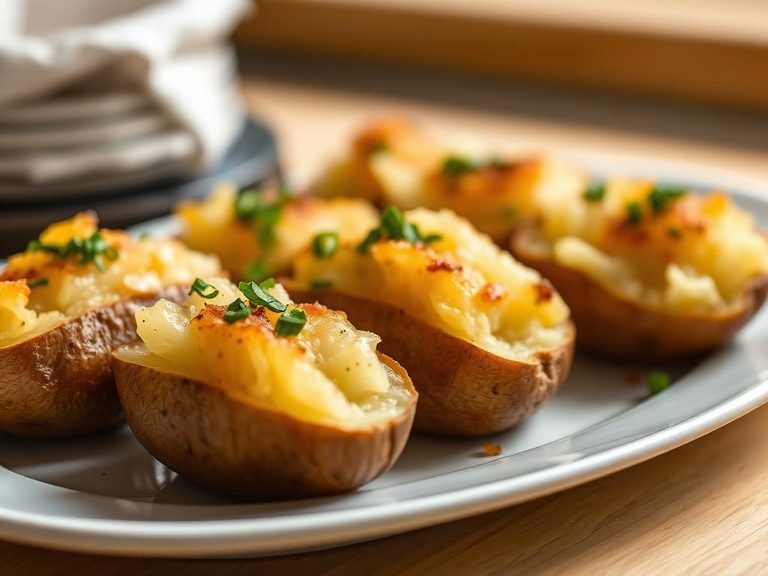
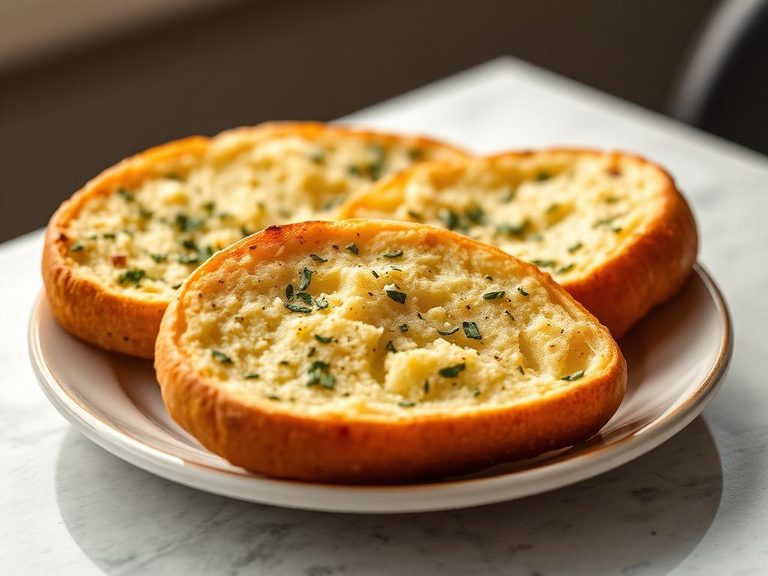
🌍 Where it's eaten
💡 Did you know?
Light butter must legally contain at least 40% butterfat, which is exactly half the minimum fat content required for a product to be simply called 'butter' in the United States.
Full nutrition (USDA data · scales with serving)
| Water | 42.1 g |
| Energy | 499 kcal |
| Protein | 3.3 g |
| Total lipid (fat) | 55.1 g |
| Carbohydrate, by difference | 0.00 g |
| Fiber, total dietary | 0.00 g |
| Total Sugars | 0.00 g |
| Calcium, Ca | 48.0 mg |
| Iron, Fe | 1.1 mg |
| Magnesium, Mg | 5.0 mg |
| Phosphorus, P | 34.0 mg |
| Potassium, K | 71.0 mg |
| Sodium, Na | 450 mg |
| Zinc, Zn | 0.26 mg |
| Copper, Cu | 0.00 mg |
| Selenium, Se | 1.0 ug |
| Vitamin C, total ascorbic acid | 0.00 mg |
| Thiamin | 0.01 mg |
| Riboflavin | 0.07 mg |
| Niacin | 0.02 mg |
| Vitamin B-6 | 0.01 mg |
| Folate, total | 1.0 ug |
| Folic acid | 0.00 ug |
| Folate, food | 1.0 ug |
| Folate, DFE | 1.0 ug |
| Choline, total | 12.9 mg |
| Vitamin B-12 | 0.13 ug |
| Vitamin B-12, added | 0.00 ug |
| Vitamin A, RAE | 465 ug |
| Retinol | 456 ug |
| Carotene, beta | 107 ug |
| Carotene, alpha | 0.00 ug |
| Cryptoxanthin, beta | 0.00 ug |
| Lycopene | 0.00 ug |
| Lutein + zeaxanthin | 0.00 ug |
| Vitamin E (alpha-tocopherol) | 1.6 mg |
| Vitamin E, added | 0.00 mg |
| Vitamin D (D2 + D3) | 0.00 ug |
| Vitamin K (phylloquinone) | 4.8 ug |
| Alcohol, ethyl | 0.00 g |
| Caffeine | 0.00 mg |
| Theobromine | 0.00 mg |
Fat & fatty acid profile (per 100g)
| Fatty acids, total saturated | 34.3 g |
| SFA 4:0 | 1.8 g |
| SFA 6:0 | 1.1 g |
| SFA 8:0 | 0.62 g |
| SFA 10:0 | 1.4 g |
| SFA 12:0 | 1.6 g |
| SFA 14:0 | 5.5 g |
| SFA 16:0 | 14.5 g |
| SFA 18:0 | 6.7 g |
| Fatty acids, total monounsaturated | 15.9 g |
| MUFA 16:1 | 1.2 g |
| MUFA 18:1 | 13.9 g |
| MUFA 20:1 | 0.00 g |
| MUFA 22:1 | 0.00 g |
| Fatty acids, total polyunsaturated | 2.0 g |
| PUFA 18:2 | 1.2 g |
| PUFA 18:3 | 0.80 g |
| PUFA 18:4 | 0.00 g |
| PUFA 20:4 | 0.00 g |
| PUFA 20:5 n-3 (EPA) | 0.00 g |
| PUFA 22:5 n-3 (DPA) | 0.00 g |
| PUFA 22:6 n-3 (DHA) | 0.00 g |
| Cholesterol | 106 mg |
Amino acid profile (per 100g)
Estimated from Waffles, buttermilk, frozen, ready-to-heat — USDA does not publish this profile for Butter.
| Tryptophan | 0.07 g |
| Threonine | 0.23 g |
| Isoleucine | 0.28 g |
| Leucine | 0.49 g |
| Lysine | 0.30 g |
| Methionine | 0.13 g |
| Cystine | 0.15 g |
| Phenylalanine | 0.30 g |
| Tyrosine | 0.15 g |
| Valine | 0.33 g |
| Arginine | 0.28 g |
| Histidine | 0.14 g |
| Alanine | 0.25 g |
| Aspartic acid | 0.41 g |
| Glutamic acid | 1.6 g |
| Glycine | 0.21 g |
| Proline | 0.56 g |
| Serine | 0.35 g |
FAQ
Can I bake with light butter instead of regular butter?
You can, but results may differ. Light butter has more water, which can affect texture, potentially making baked goods less tender or flaky. It's best for recipes where butter is a flavoring, not the primary structural fat, like in some muffins or quick breads.
Why is light butter lower in calories?
It's lower in calories because a portion of the milkfat in regular butter is replaced with water and sometimes other emulsifiers. This dilutes the fat concentration, reducing the calories per gram.
Is light butter healthier than margarine?
It depends on the specific product. Light butter is still a dairy product with natural butter flavor. Margarine is plant-based and can vary widely in fat composition (some have healthier unsaturated fats). Check labels for trans fats and overall fat profile.
Nutrient density (calculated · NRF9.3)
Nutrient Rich Foods index: beneficial nutrients (protein, fiber, vitamins, minerals) minus saturated fat, added sugar & sodium, per 100 kcal.
NRF9.3 index — Fulgoni, Keast & Drewnowski, 2009. Computed from USDA nutrients.
Weight-loss friendliness (composite index)
Energy density 4.99 kcal/g · 3% calories from protein · 0.0 g fiber · 0.0 g sugar per 100 g.
Composite of energy density (Rolls et al., 1999), protein & fiber satiety, minus sugar. A calculated heuristic — ranks satiety-per-calorie, not a clinical measure.
Dietary load (calculated from USDA values)
Potential renal acid load. Positive = acid-forming, negative = alkaline-forming.
Sodium-to-potassium ratio: 6.34 (lower is better — aim for ≤ 1)
Sodium:potassium per WHO potassium guidance. Computed from USDA nutrients.