

Bread, Cuban, toasted
Common food

Photo: Wikipedia
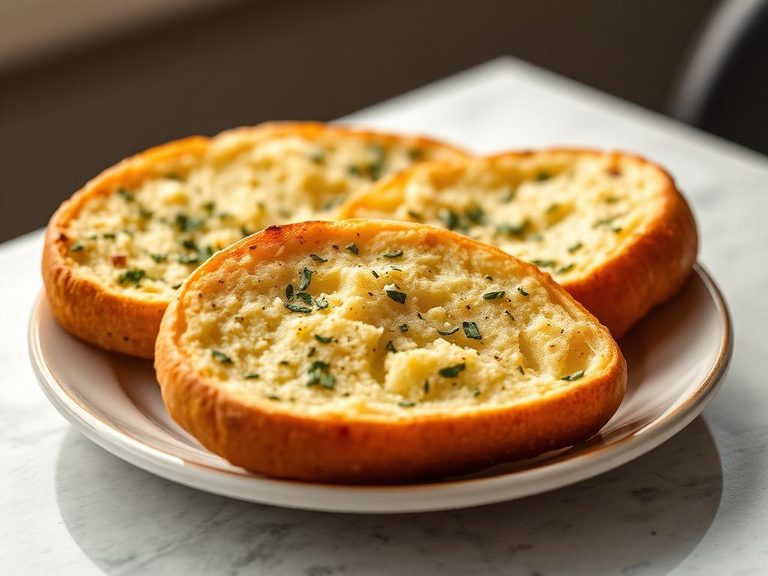
Cuban bread, when toasted, transforms into a golden, crisp canvas with a subtle, yeasty sweetness and a satisfying crunch. Its airy, open crumb structure makes it ideal for soaking up flavors while maintaining a sturdy bite. Nutritionally, it's a carb-dense energy source, providing quick fuel with a modest protein boost.
Calorie split: 16% protein · 76% carbs · 8% fat
↓ Full nutrition💚 Why it's loved
People adore its perfect balance of a crisp, golden exterior and a soft, chewy interior, which makes it the ideal vehicle for both savory and sweet toppings. Its mild, slightly sweet flavor is deeply tied to Cuban culinary culture, evoking comfort and tradition.
⚠️ Watch-outs & how to enjoy it better
As a refined carbohydrate, it can cause rapid blood-sugar spikes, especially when eaten alone. To counteract this, pair it with protein (like eggs or ham) or healthy fats (like avocado) to slow digestion. Those monitoring sodium intake should be aware that some commercial versions can be high in salt.
Key benefits
- Provides quick, accessible energy from complex carbohydrates
- Offers a modest protein content (11.81g/100g) for a bread
- Low in fat, making it a lean carbohydrate option
- Toasting enhances texture and may improve digestibility for some
🍽️ Popular dishes
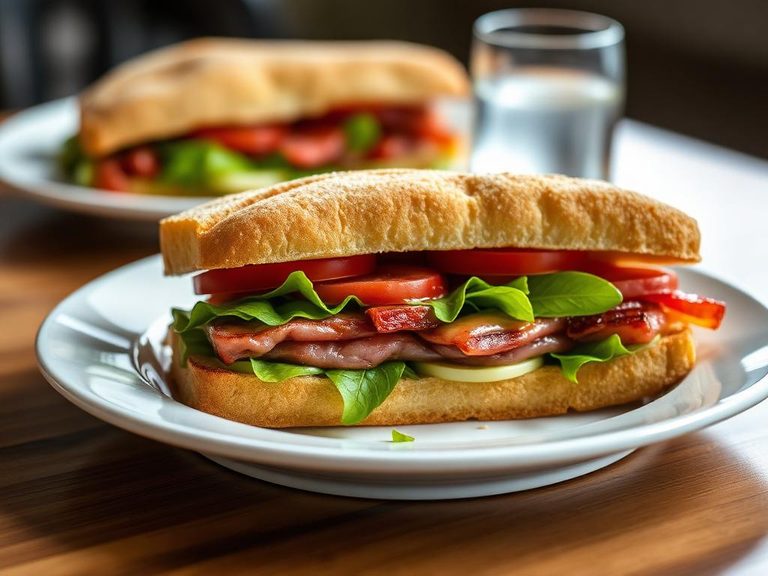
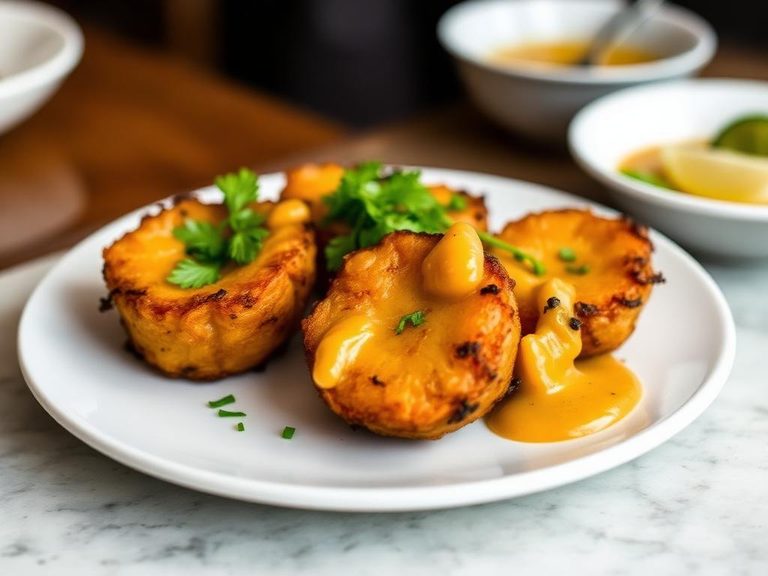
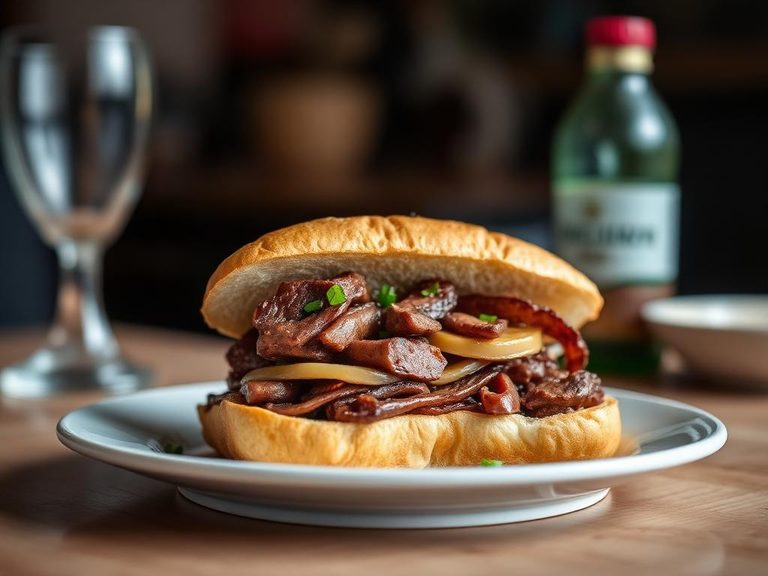
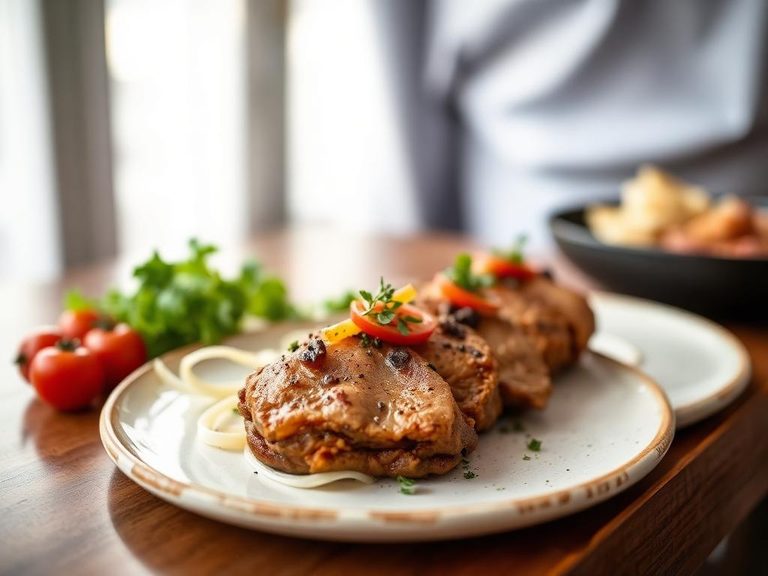
🌍 Where it's eaten
💡 Did you know?
Authentic Cuban bread is traditionally baked with a small amount of lard, which contributes to its distinctive flavor and tender crumb, a practice that dates back to its Spanish colonial roots.
Full nutrition (USDA data · scales with serving)
| Water | 26.4 g |
| Energy | 299 kcal |
| Protein | 11.8 g |
| Total lipid (fat) | 2.7 g |
| Carbohydrate, by difference | 57.0 g |
| Fiber, total dietary | 2.4 g |
| Total Sugars | 5.1 g |
| Calcium, Ca | 57.0 mg |
| Iron, Fe | 4.3 mg |
| Magnesium, Mg | 35.0 mg |
| Phosphorus, P | 115 mg |
| Potassium, K | 129 mg |
| Sodium, Na | 662 mg |
| Zinc, Zn | 1.1 mg |
| Copper, Cu | 0.17 mg |
| Selenium, Se | 31.4 ug |
| Vitamin C, total ascorbic acid | 0.00 mg |
| Thiamin | 0.62 mg |
| Riboflavin | 0.47 mg |
| Niacin | 5.3 mg |
| Vitamin B-6 | 0.12 mg |
| Folate, total | 115 ug |
| Folic acid | 89.0 ug |
| Folate, food | 26.0 ug |
| Folate, DFE | 177 ug |
| Choline, total | 8.8 mg |
| Vitamin B-12 | 0.00 ug |
| Vitamin B-12, added | 0.00 ug |
| Vitamin A, RAE | 0.00 ug |
| Retinol | 0.00 ug |
| Carotene, beta | 0.00 ug |
| Carotene, alpha | 0.00 ug |
| Cryptoxanthin, beta | 0.00 ug |
| Lycopene | 0.00 ug |
| Lutein + zeaxanthin | 47.0 ug |
| Vitamin E (alpha-tocopherol) | 0.23 mg |
| Vitamin E, added | 0.00 mg |
| Vitamin D (D2 + D3) | 0.00 ug |
| Vitamin K (phylloquinone) | 0.80 ug |
| Alcohol, ethyl | 0.00 g |
| Caffeine | 0.00 mg |
| Theobromine | 0.00 mg |
Fat & fatty acid profile (per 100g)
| Fatty acids, total saturated | 0.58 g |
| SFA 4:0 | 0.00 g |
| SFA 6:0 | 0.00 g |
| SFA 8:0 | 0.00 g |
| SFA 10:0 | 0.00 g |
| SFA 12:0 | 0.00 g |
| SFA 14:0 | 0.01 g |
| SFA 16:0 | 0.40 g |
| SFA 18:0 | 0.15 g |
| Fatty acids, total monounsaturated | 0.40 g |
| MUFA 16:1 | 0.01 g |
| MUFA 18:1 | 0.38 g |
| MUFA 20:1 | 0.01 g |
| MUFA 22:1 | 0.00 g |
| Fatty acids, total polyunsaturated | 0.94 g |
| PUFA 18:2 | 0.87 g |
| PUFA 18:3 | 0.07 g |
| PUFA 18:4 | 0.00 g |
| PUFA 20:4 | 0.00 g |
| PUFA 20:5 n-3 (EPA) | 0.00 g |
| PUFA 22:5 n-3 (DPA) | 0.00 g |
| PUFA 22:6 n-3 (DHA) | 0.00 g |
| Cholesterol | 0.00 mg |
Amino acid profile (per 100g)
Estimated from Bread, salvadoran sweet cheese (quesadilla salvadorena) — USDA does not publish this profile for Bread.
| Tryptophan | 0.07 g |
| Threonine | 0.21 g |
| Isoleucine | 0.30 g |
| Leucine | 0.65 g |
| Lysine | 0.50 g |
| Methionine | 0.28 g |
| Cystine | 0.06 g |
| Phenylalanine | 0.37 g |
| Tyrosine | 0.23 g |
| Valine | 0.43 g |
| Arginine | 0.25 g |
| Histidine | 0.15 g |
| Alanine | 0.36 g |
| Aspartic acid | 0.59 g |
| Glutamic acid | 1.3 g |
| Glycine | 0.20 g |
| Proline | 0.83 g |
| Serine | 0.45 g |
| Hydroxyproline | 0.00 g |
FAQ
How is Cuban bread different from French or Italian bread?
Cuban bread is typically softer, with a slightly sweet flavor from a touch of sugar or lard, and a thinner, crispier crust when toasted. It's designed to be pressed for sandwiches without becoming overly tough.
Can I make Cuban bread at home?
Yes, but authentic recipes often require a long fermentation and a specific technique of scoring the top with a palmetto leaf or a sharp blade before baking to achieve its signature split.
Why is it called 'Cuban' bread if it's popular in Florida?
The bread was brought to Florida by Cuban immigrants in the early 20th century, particularly in Tampa's Ybor City. It became a staple of the local cuisine and is now intrinsically linked to both Cuban heritage and Floribbean food culture.
Nutrient density (calculated · NRF9.3)
Nutrient Rich Foods index: beneficial nutrients (protein, fiber, vitamins, minerals) minus saturated fat, added sugar & sodium, per 100 kcal.
NRF9.3 index — Fulgoni, Keast & Drewnowski, 2009. Computed from USDA nutrients.
Weight-loss friendliness (composite index)
Energy density 2.99 kcal/g · 16% calories from protein · 2.4 g fiber · 5.1 g sugar per 100 g.
Composite of energy density (Rolls et al., 1999), protein & fiber satiety, minus sugar. A calculated heuristic — ranks satiety-per-calorie, not a clinical measure.
Dietary load (calculated from USDA values)
Potential renal acid load. Positive = acid-forming, negative = alkaline-forming.
Sodium-to-potassium ratio: 5.13 (lower is better — aim for ≤ 1)
Sodium:potassium per WHO potassium guidance. Computed from USDA nutrients.