

Beverages, Protein powder soy based
Whole food · Beverages

Photo: Wikipedia
Soy protein powder is a finely milled, plant-based supplement with a neutral, slightly beany taste and a smooth, chalky texture when mixed. It's a nutritional powerhouse, packing over 55 grams of protein per 100g while being remarkably low in fat. This makes it a go-to for a concentrated protein boost without excessive calories.
Calorie split: 57% protein · 30% carbs · 13% fat
↓ Full nutrition💚 Why it's loved
People love it for its incredible versatility as a neutral-flavored protein booster that blends seamlessly into smoothies, oatmeal, and baked goods. It's a staple in vegan and vegetarian diets, offering a convenient and affordable way to meet high protein needs.
⚠️ Watch-outs & how to enjoy it better
Some may find the taste overly earthy or beany, and it can cause digestive discomfort like bloating in sensitive individuals. To counteract this, start with small portions, blend it with strong flavors like cocoa or fruit, and ensure you mix it thoroughly to avoid a gritty texture.
Key benefits
- Excellent source of complete plant protein
- Naturally low in saturated fat
- Contains dietary fiber for digestive health
- A common allergen-free alternative to whey for many
- Supports muscle maintenance and growth
🍽️ Popular dishes
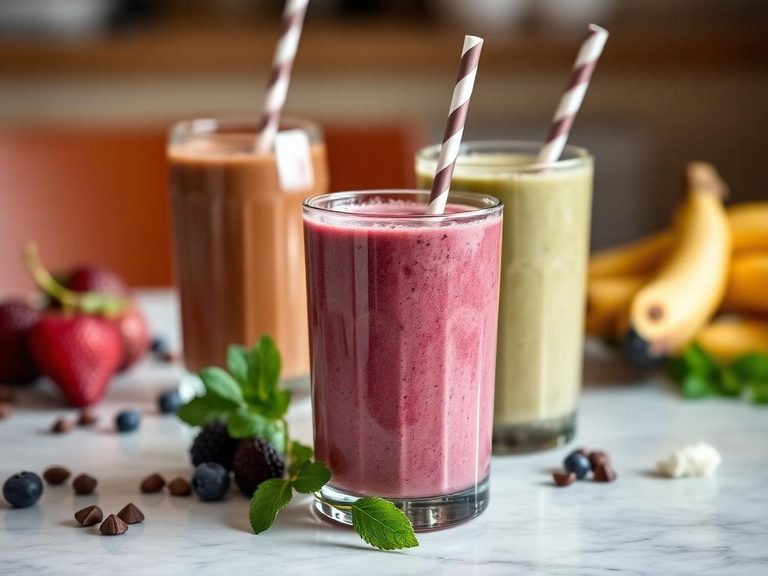
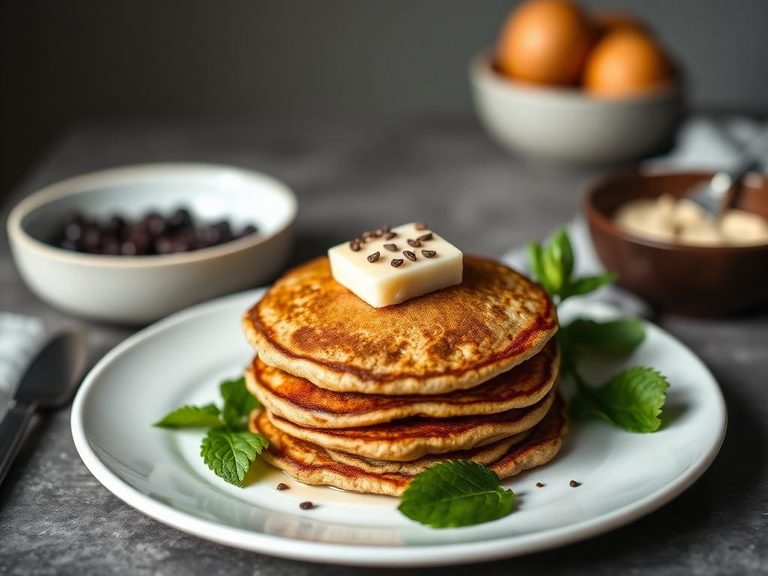
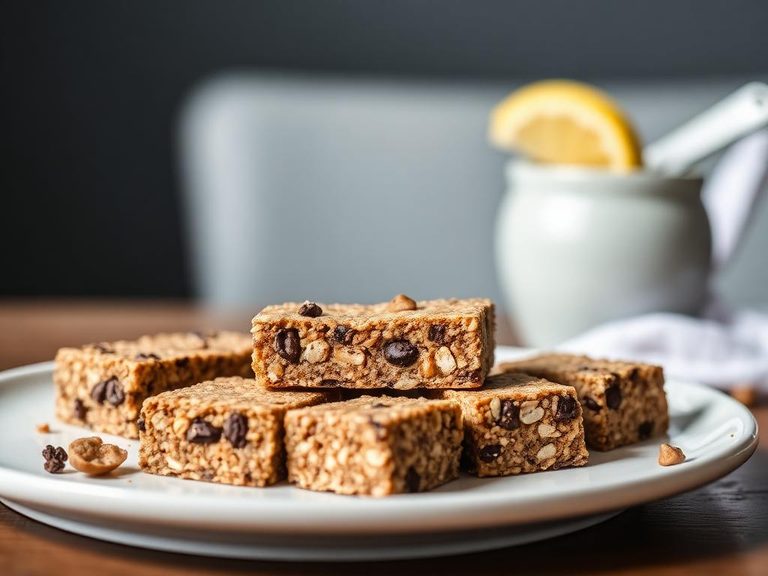
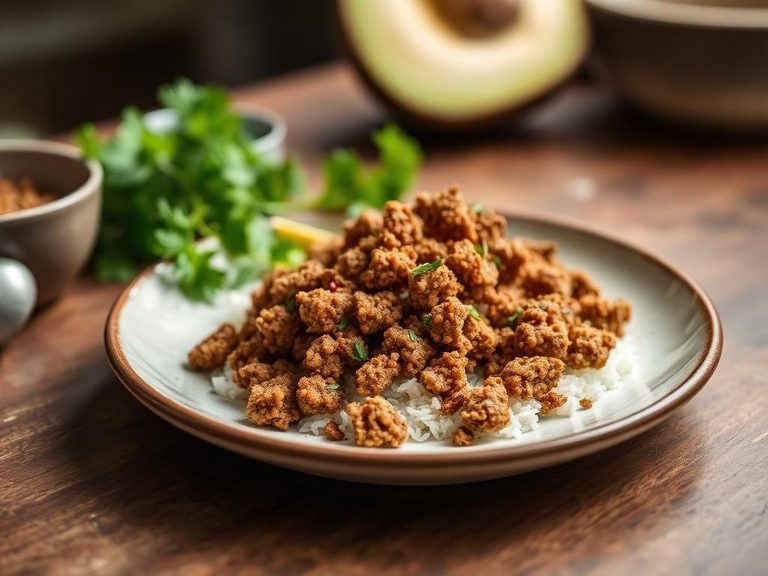
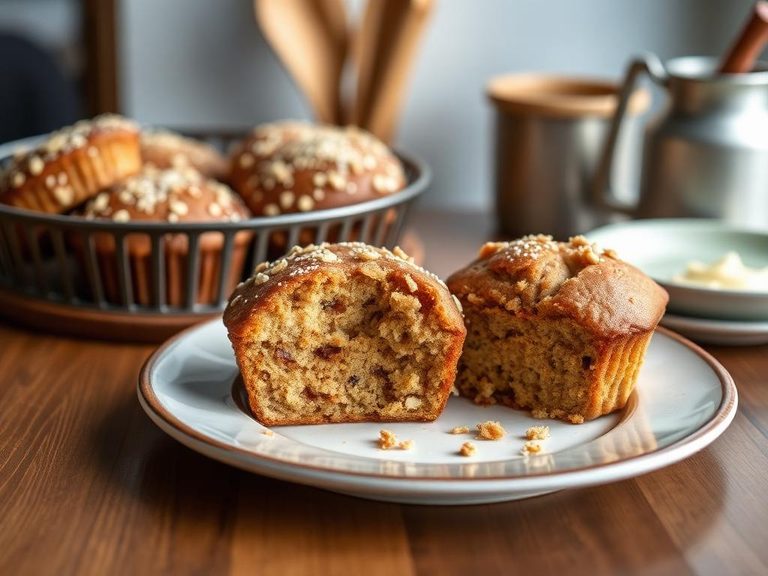
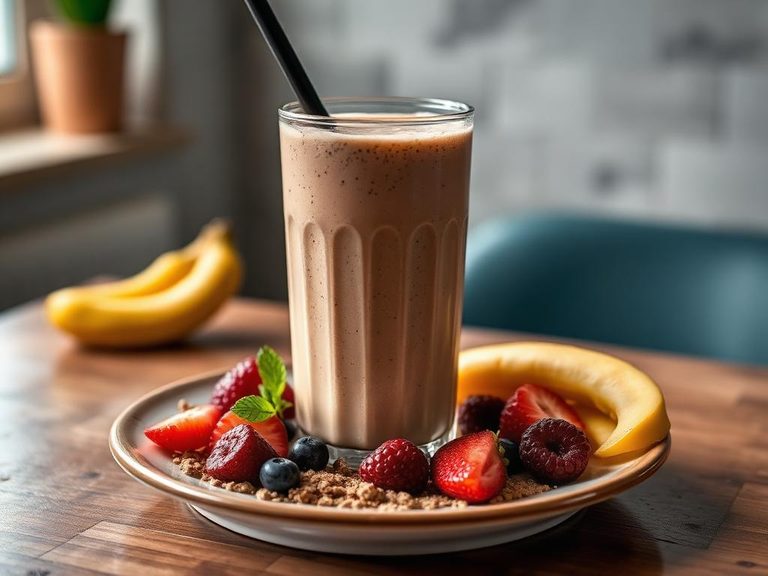
🌍 Where it's eaten
💡 Did you know?
Soy is one of the few plant foods considered a 'complete protein,' meaning it contains all nine essential amino acids our bodies cannot make on their own.
Full nutrition (USDA data · scales with serving)
| Water | 4.1 g |
| Energy | 388 kcal |
| Energy | 1622 kj |
| Protein | 55.6 g |
| Total lipid (fat) | 5.6 g |
| Ash | 5.9 g |
| Carbohydrate, by difference | 28.9 g |
| Fiber, total dietary | 6.7 g |
| Total Sugars | 22.2 g |
| Calcium, Ca | 178 mg |
| Iron, Fe | 12.0 mg |
| Magnesium, Mg | 64.0 mg |
| Phosphorus, P | 1272 mg |
| Potassium, K | 933 mg |
| Sodium, Na | 733 mg |
| Zinc, Zn | 6.6 mg |
| Copper, Cu | 2.6 mg |
| Selenium, Se | 1.3 ug |
| Vitamin C, total ascorbic acid | 0.00 mg |
| Thiamin | 0.29 mg |
| Riboflavin | 0.16 mg |
| Niacin | 2.4 mg |
| Vitamin B-6 | 0.16 mg |
| Folate, total | 289 ug |
| Folic acid | 0.00 ug |
| Folate, food | 289 ug |
| Folate, DFE | 289 ug |
| Choline, total | 313 mg |
| Vitamin B-12 | 0.00 ug |
| Vitamin B-12, added | 0.00 ug |
| Vitamin A, RAE | 0.00 ug |
| Retinol | 0.00 ug |
| Carotene, beta | 0.00 ug |
| Carotene, alpha | 0.00 ug |
| Cryptoxanthin, beta | 0.00 ug |
| Vitamin A, IU | 0.00 iu |
| Lycopene | 0.00 ug |
| Lutein + zeaxanthin | 0.00 ug |
| Vitamin E (alpha-tocopherol) | 0.00 mg |
| Vitamin E, added | 0.00 mg |
| Vitamin D (D2 + D3), International Units | 0.00 iu |
| Vitamin D (D2 + D3) | 0.00 ug |
| Vitamin K (phylloquinone) | 0.00 ug |
| Alcohol, ethyl | 0.00 g |
| Caffeine | 0.00 mg |
| Theobromine | 0.00 mg |
Fat & fatty acid profile (per 100g)
| Fatty acids, total saturated | 1.1 g |
| SFA 4:0 | 0.00 g |
| SFA 6:0 | 0.00 g |
| SFA 8:0 | 0.00 g |
| SFA 10:0 | 0.00 g |
| SFA 12:0 | 0.00 g |
| SFA 14:0 | 0.01 g |
| SFA 16:0 | 0.51 g |
| SFA 18:0 | 0.17 g |
| Fatty acids, total monounsaturated | 1.1 g |
| MUFA 16:1 | 0.01 g |
| MUFA 18:1 | 1.0 g |
| MUFA 20:1 | 0.00 g |
| MUFA 22:1 | 0.00 g |
| Fatty acids, total polyunsaturated | 2.7 g |
| PUFA 18:2 | 2.4 g |
| PUFA 18:3 | 0.32 g |
| PUFA 18:4 | 0.00 g |
| PUFA 20:4 | 0.00 g |
| PUFA 20:5 n-3 (EPA) | 0.00 g |
| PUFA 22:5 n-3 (DPA) | 0.00 g |
| PUFA 22:6 n-3 (DHA) | 0.00 g |
| Fatty acids, total trans | 0.00 g |
| Cholesterol | 0.00 mg |
Amino acid profile (per 100g)
| Tryptophan | 0.72 g |
| Threonine | 2.2 g |
| Isoleucine | 2.8 g |
| Leucine | 4.6 g |
| Lysine | 3.6 g |
| Methionine | 0.72 g |
| Cystine | 0.72 g |
| Phenylalanine | 3.0 g |
| Tyrosine | 2.2 g |
| Valine | 2.8 g |
| Arginine | 4.3 g |
| Histidine | 1.5 g |
| Alanine | 2.4 g |
| Aspartic acid | 6.6 g |
| Glutamic acid | 10.8 g |
| Glycine | 2.4 g |
| Proline | 2.9 g |
| Serine | 3.0 g |
FAQ
Is soy protein powder as effective as whey for muscle building?
Yes, studies show soy protein can support muscle growth and repair comparably to whey protein when total protein intake is matched.
Why does my soy protein shake sometimes taste bitter?
The bitterness can come from naturally occurring compounds in soy. Blending with sweet fruits like banana or pineapple, or a dash of vanilla, effectively masks it.
Can I use soy protein powder in baking?
Absolutely. It's great in pancakes, muffins, and energy balls. Note that it absorbs more liquid than flour, so you may need to adjust other ingredients slightly.
Nutrient density (calculated · NRF9.3)
Nutrient Rich Foods index: beneficial nutrients (protein, fiber, vitamins, minerals) minus saturated fat, added sugar & sodium, per 100 kcal.
NRF9.3 index — Fulgoni, Keast & Drewnowski, 2009. Computed from USDA nutrients.
Weight-loss friendliness (composite index)
Energy density 3.88 kcal/g · 57% calories from protein · 6.7 g fiber · 22.2 g sugar per 100 g.
Composite of energy density (Rolls et al., 1999), protein & fiber satiety, minus sugar. A calculated heuristic — ranks satiety-per-calorie, not a clinical measure.
Dietary load (calculated from USDA values)
Potential renal acid load. Positive = acid-forming, negative = alkaline-forming.
Sodium-to-potassium ratio: 0.79 (lower is better — aim for ≤ 1)
Sodium:potassium per WHO potassium guidance. Computed from USDA nutrients.