

Beef, Australian, imported, Wagyu, loin, tenderloin steak/roast, boneless, separable lean and fat, Aust. marble score 4/5, raw
Whole food · Beef Products

Photo: Wikipedia
This is a premium cut of Australian Wagyu beef, specifically the tenderloin, known for its exceptional tenderness and fine, web-like marbling that melts into a buttery, rich flavor. As a lean cut with a moderate fat content, it offers a high-protein, low-carb nutritional profile, making it a centerpiece for a luxurious yet macro-friendly meal. The raw meat has a deep red color with intricate white fat streaks, promising a juicy and flavorful result when cooked.
Calorie split: 38% protein · 0% carbs · 62% fat
↓ Full nutrition💚 Why it's loved
People adore it for its unparalleled tenderness and the deep, umami-rich flavor that comes from its signature marbling. It's a versatile star for both simple preparations like a pan-seared steak and elaborate roasts, symbolizing culinary luxury and celebration.
⚠️ Watch-outs & how to enjoy it better
The primary downside is its high cost, making it a special-occasion purchase rather than an everyday protein. As a red meat, it should be consumed in moderation, and those watching saturated fat intake should be mindful of portion sizes. To counteract this, pair it with fiber-rich vegetables like roasted asparagus or a fresh salad, and practice portion control by focusing on a 118g (4-ounce) serving.
Key benefits
- Excellent source of high-quality protein for muscle maintenance and satiety.
- Provides essential nutrients like iron, zinc, and B vitamins (especially B12).
- Contains monounsaturated fats, which can be part of a heart-healthy diet in moderation.
- Naturally low in carbohydrates and sugars, suitable for low-carb or ketogenic diets.
🍽️ Popular dishes
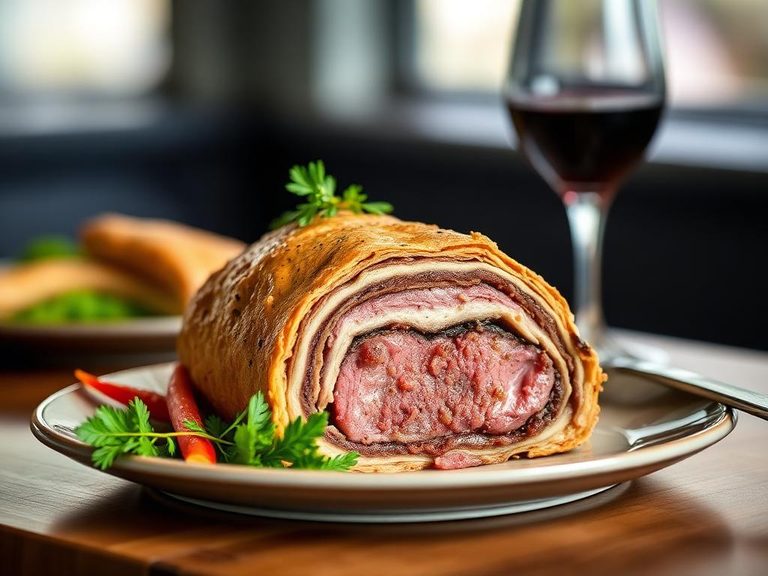
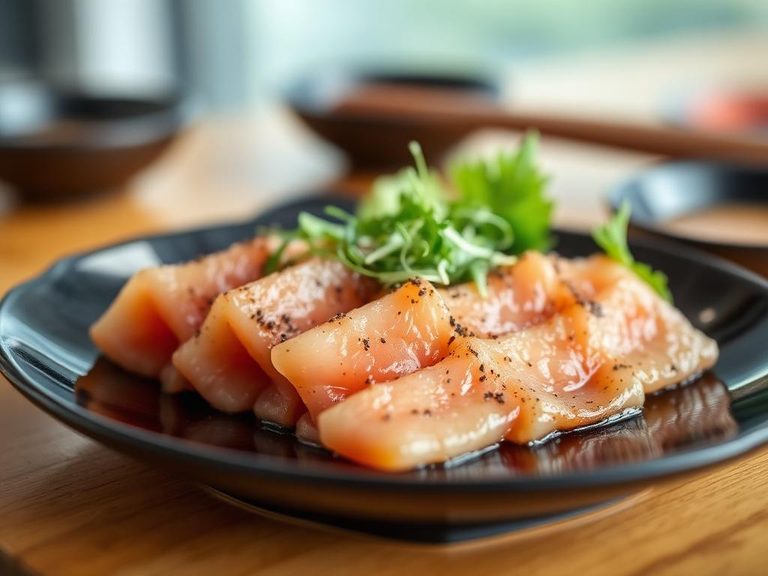
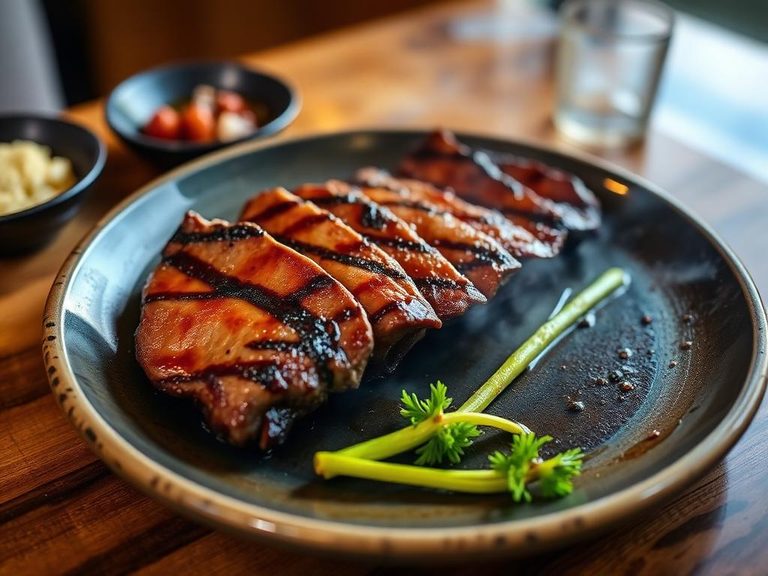
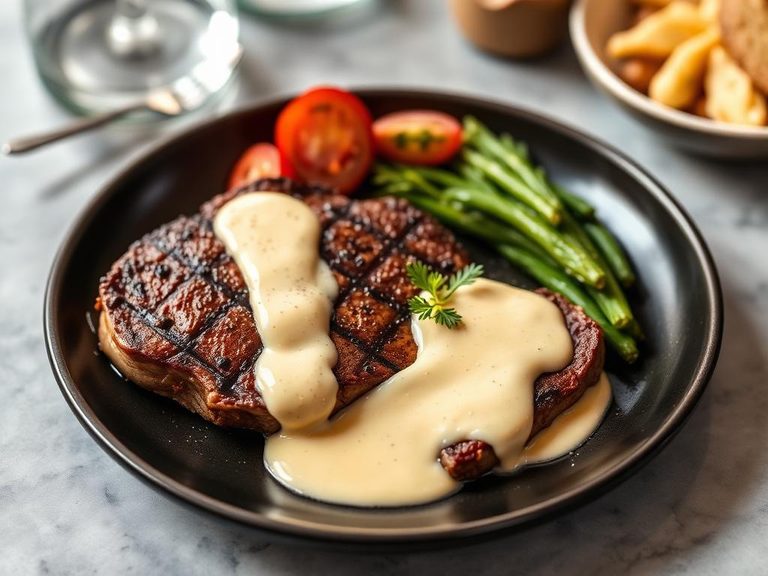
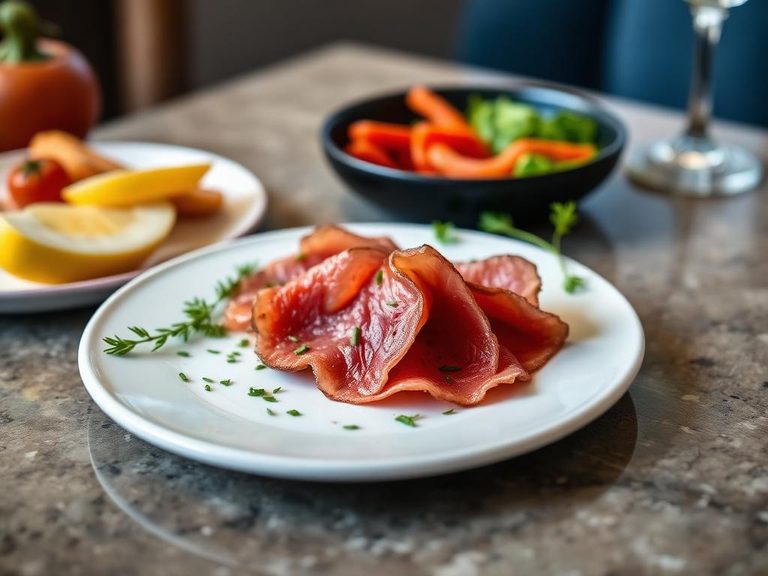
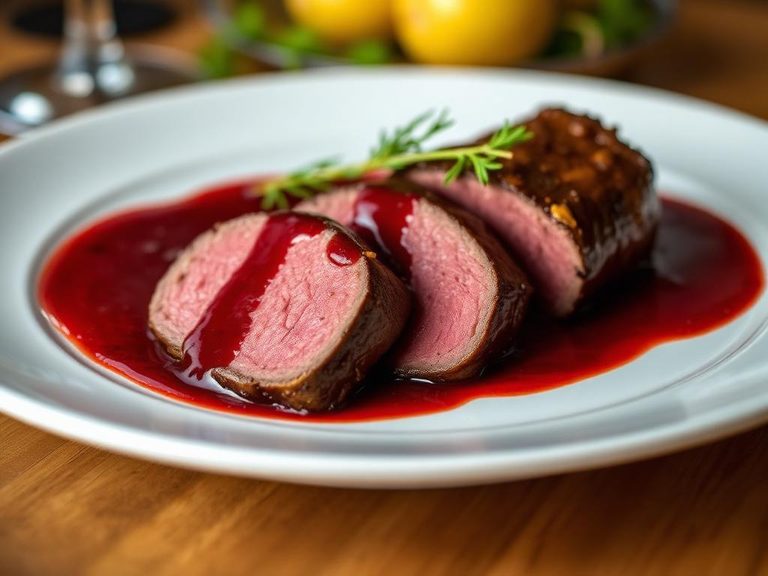
🌍 Where it's eaten
💡 Did you know?
Despite its luxurious reputation, the tenderloin is actually one of the least exercised muscles on the cow, which is precisely why it's so tender.
Full nutrition (USDA data · scales with serving)
| Water | 65.2 g |
| Energy | 206 kcal |
| Energy | 860 kj |
| Protein | 19.7 g |
| Total lipid (fat) | 14.1 g |
| Ash | 1.0 g |
| Carbohydrate, by difference | 0.00 g |
| Fiber, total dietary | 0.00 g |
| Total Sugars | 0.00 g |
| Sucrose | 0.00 g |
| Glucose | 0.00 g |
| Fructose | 0.00 g |
| Lactose | 0.00 g |
| Maltose | 0.00 g |
| Galactose | 0.00 g |
| Calcium, Ca | 4.0 mg |
| Iron, Fe | 2.2 mg |
| Sodium, Na | 63.0 mg |
| Vitamin C, total ascorbic acid | 0.00 mg |
| Vitamin A, RAE | 1.0 ug |
| Retinol | 1.0 ug |
| Carotene, beta | 0.00 ug |
| Carotene, alpha | 0.00 ug |
| Cryptoxanthin, beta | 0.00 ug |
| Vitamin A, IU | 3.0 iu |
| Lycopene | 0.00 ug |
| Lutein + zeaxanthin | 0.00 ug |
| Alcohol, ethyl | 0.00 g |
| Caffeine | 0.00 mg |
| Theobromine | 0.00 mg |
Fat & fatty acid profile (per 100g)
| Fatty acids, total saturated | 6.1 g |
| SFA 4:0 | 0.00 g |
| SFA 6:0 | 0.00 g |
| SFA 8:0 | 0.00 g |
| SFA 10:0 | 0.01 g |
| SFA 12:0 | 0.01 g |
| SFA 14:0 | 0.40 g |
| SFA 15:0 | 0.07 g |
| SFA 16:0 | 3.5 g |
| SFA 17:0 | 0.19 g |
| SFA 18:0 | 1.9 g |
| SFA 20:0 | 0.01 g |
| SFA 22:0 | 0.01 g |
| SFA 24:0 | 0.00 g |
| Fatty acids, total monounsaturated | 6.2 g |
| MUFA 14:1 | 0.08 g |
| MUFA 16:1 | 0.37 g |
| MUFA 18:1 | 5.7 g |
| MUFA 18:1-11 t (18:1t n-7) | 0.09 g |
| MUFA 20:1 | 0.02 g |
| Fatty acids, total polyunsaturated | 0.53 g |
| PUFA 18:2 | 0.41 g |
| PUFA 18:3 | 0.03 g |
| PUFA 18:4 | 0.00 g |
| PUFA 20:2 n-6 c,c | 0.01 g |
| PUFA 20:3 | 0.00 g |
| PUFA 20:4 | 0.06 g |
| PUFA 20:5 n-3 (EPA) | 0.01 g |
| PUFA 22:5 n-3 (DPA) | 0.01 g |
| Fatty acids, total trans | 0.56 g |
| Cholesterol | 60.0 mg |
Amino acid profile (per 100g)
| Tryptophan | 0.22 g |
| Threonine | 0.88 g |
| Isoleucine | 0.85 g |
| Leucine | 1.6 g |
| Lysine | 1.8 g |
| Methionine | 0.57 g |
| Cystine | 0.21 g |
| Phenylalanine | 0.76 g |
| Tyrosine | 0.69 g |
| Valine | 0.90 g |
| Arginine | 1.3 g |
| Histidine | 0.64 g |
| Alanine | 1.1 g |
| Aspartic acid | 1.8 g |
| Glutamic acid | 3.2 g |
| Glycine | 0.87 g |
| Proline | 0.80 g |
| Serine | 0.77 g |
| Hydroxyproline | 0.10 g |
FAQ
How does the Australian marble score 4/5 compare to Japanese A5 Wagyu?
An Australian score of 4/5 indicates very good marbling, rich flavor, and tenderness. It is generally less intensely marbled than the highest Japanese A5 grade, which can be extremely rich and fatty, making Australian Wagyu a balanced choice for those who enjoy beefy flavor with luxurious texture.
What's the best way to cook this tenderloin to preserve its quality?
Given its tenderness and marbling, quick, high-heat methods are ideal. Pan-searing to a perfect medium-rare (130-135°F / 54-57°C internal temp) and then resting it thoroughly is a classic approach. It also excels on a hot grill or under a broiler.
Is this cut suitable for slow cooking or braising?
No. The tenderloin is a lean, tender cut that would dry out and become tough with long, slow cooking. It's best cooked quickly to a lower internal temperature to retain its moisture and buttery texture.
Nutrient density (calculated · NRF9.3)
Nutrient Rich Foods index: beneficial nutrients (protein, fiber, vitamins, minerals) minus saturated fat, added sugar & sodium, per 100 kcal.
NRF9.3 index — Fulgoni, Keast & Drewnowski, 2009. Computed from USDA nutrients.
Weight-loss friendliness (composite index)
Energy density 2.06 kcal/g · 38% calories from protein · 0.0 g fiber · 0.0 g sugar per 100 g.
Composite of energy density (Rolls et al., 1999), protein & fiber satiety, minus sugar. A calculated heuristic — ranks satiety-per-calorie, not a clinical measure.