

Beef, Australian, imported, grass-fed, round, bottom round steak/roast, boneless, separable lean only, raw
Whole food · Beef Products
This is a lean, boneless cut from the rear leg of grass-fed Australian cattle, prized for its fine grain and robust, beefy flavor. When raw, it presents a deep ruby-red color with minimal marbling, promising a tender yet firm texture once cooked properly. Nutritionally, it's a protein powerhouse with a very low fat profile, making it a staple for high-protein, low-carb diets.
Calorie split: 66% protein · 0% carbs · 34% fat
↓ Full nutrition💚 Why it's loved
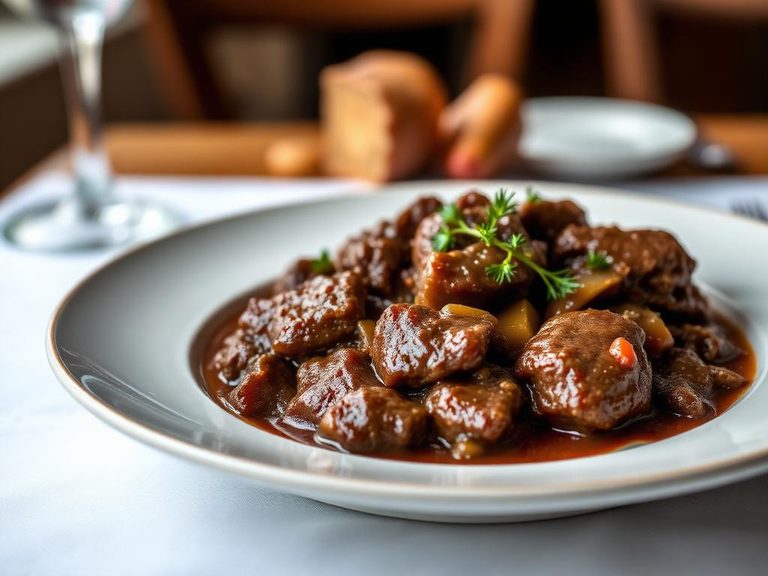
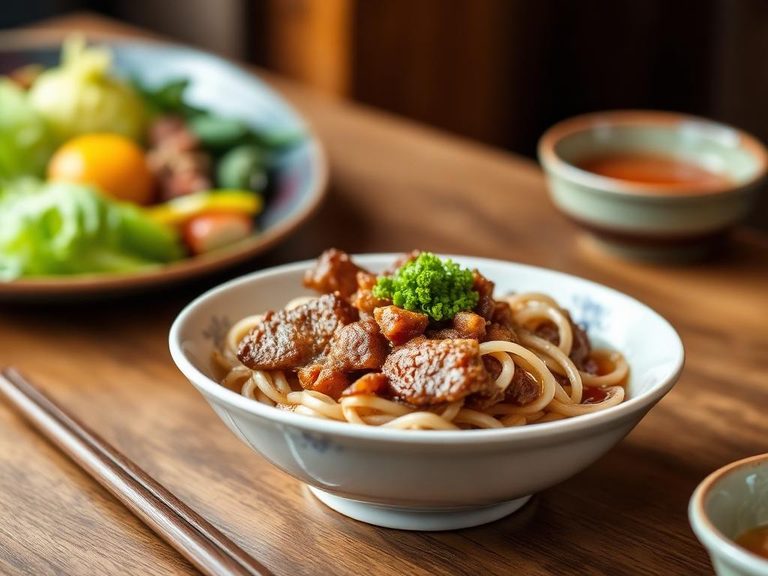
It's loved for its clean, pronounced beef flavor that isn't masked by heavy fat, and its remarkable versatility—it holds its shape beautifully for slow braising or can be sliced thin for quick searing. In many cultures, it's the go-to cut for hearty, comforting roasts and stews that feed a crowd.
⚠️ Watch-outs & how to enjoy it better
Its leanness can be a drawback; overcooking easily turns it tough and dry, which can be disappointing for novice cooks. Those watching their sodium intake should be cautious with pre-marinated or processed versions, and it's a common allergen (red meat allergy). To counteract dryness, use a meat thermometer, cook to medium-rare or medium, and always let it rest before slicing. For sodium, choose unseasoned cuts and flavor with herbs, spices, or acidic marinades.
Key benefits
- Excellent source of complete protein for muscle maintenance and repair.
- Very low in fat, especially saturated fat, compared to other beef cuts.
- Rich in essential minerals like zinc, iron (as heme), and B vitamins (B12, B6).
- Grass-fed origin may offer a slightly better omega-3 fatty acid profile.
- Zero carbohydrates, making it ideal for ketogenic and diabetic-friendly diets.
🍽️ Popular dishes
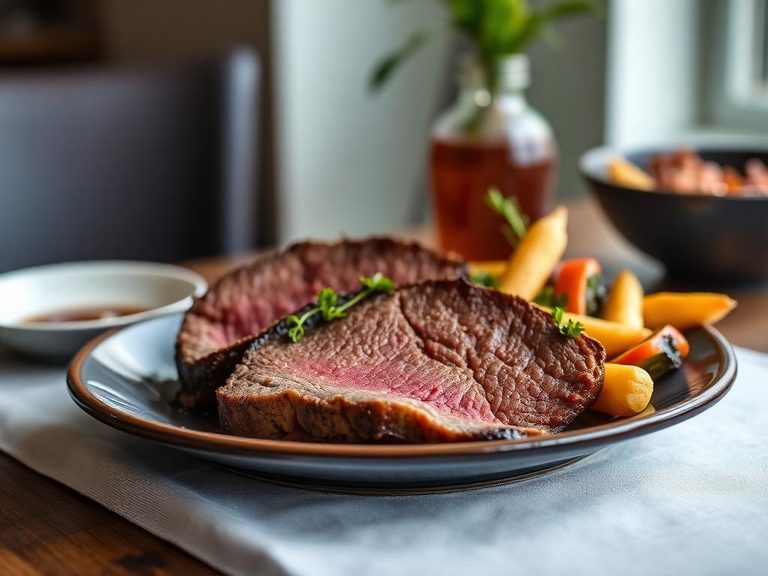
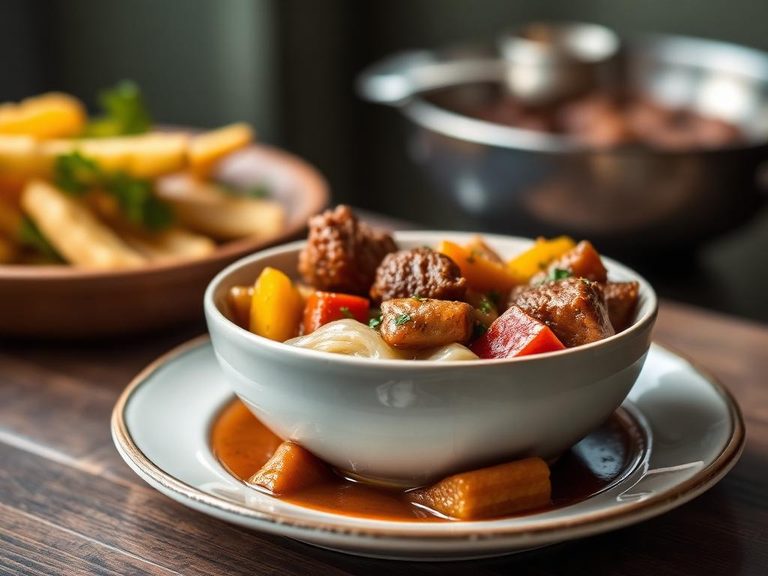
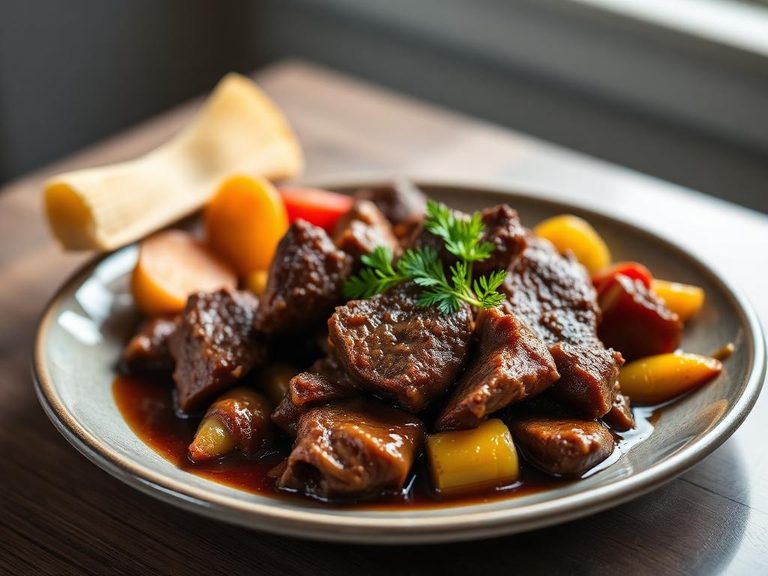
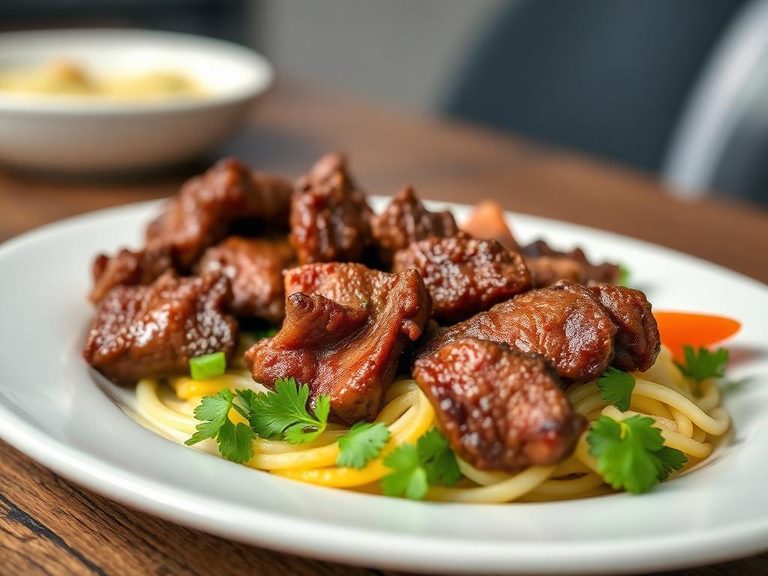
🌍 Where it's eaten
💡 Did you know?
The 'round' in its name comes from the large, roughly circular shape of the entire primal cut from the cow's hindquarter, which is then subdivided into more specific steaks and roasts like this bottom round.
Full nutrition (USDA data · scales with serving)
| Water | 73.3 g |
| Energy | 130 kcal |
| Energy | 544 kj |
| Protein | 21.4 g |
| Total lipid (fat) | 4.9 g |
| Ash | 1.1 g |
| Carbohydrate, by difference | 0.00 g |
| Fiber, total dietary | 0.00 g |
| Total Sugars | 0.00 g |
| Calcium, Ca | 4.0 mg |
| Iron, Fe | 2.1 mg |
| Sodium, Na | 71.0 mg |
| Vitamin C, total ascorbic acid | 0.00 mg |
| Vitamin A, RAE | 0.00 ug |
| Carotene, beta | 0.00 ug |
| Carotene, alpha | 0.00 ug |
| Cryptoxanthin, beta | 0.00 ug |
| Vitamin A, IU | 0.00 iu |
| Lycopene | 0.00 ug |
| Lutein + zeaxanthin | 0.00 ug |
| Alcohol, ethyl | 0.00 g |
| Caffeine | 0.00 mg |
| Theobromine | 0.00 mg |
Fat & fatty acid profile (per 100g)
| Fatty acids, total saturated | 2.0 g |
| SFA 4:0 | 0.00 g |
| SFA 6:0 | 0.00 g |
| SFA 8:0 | 0.00 g |
| SFA 10:0 | 0.01 g |
| SFA 12:0 | 0.01 g |
| SFA 14:0 | 0.13 g |
| SFA 15:0 | 0.02 g |
| SFA 16:0 | 1.1 g |
| SFA 17:0 | 0.05 g |
| SFA 18:0 | 0.63 g |
| SFA 20:0 | 0.01 g |
| SFA 22:0 | 0.01 g |
| Fatty acids, total monounsaturated | 2.1 g |
| MUFA 14:1 | 0.04 g |
| MUFA 16:1 | 0.19 g |
| MUFA 18:1 | 1.9 g |
| MUFA 18:1 c | 1.8 g |
| MUFA 20:1 | 0.01 g |
| Fatty acids, total polyunsaturated | 0.35 g |
| PUFA 18:2 | 0.18 g |
| PUFA 18:2 n-6 c,c | 0.14 g |
| PUFA 18:3 | 0.06 g |
| PUFA 18:3 n-3 c,c,c (ALA) | 0.05 g |
| PUFA 18:3i | 0.01 g |
| PUFA 18:4 | 0.00 g |
| PUFA 20:4 | 0.05 g |
| PUFA 20:5 n-3 (EPA) | 0.03 g |
| PUFA 22:5 n-3 (DPA) | 0.04 g |
| Fatty acids, total trans | 0.18 g |
| Fatty acids, total trans-monoenoic | 0.14 g |
| TFA 18:1 t | 0.14 g |
| TFA 18:2 t not further defined | 0.04 g |
| Fatty acids, total trans-polyenoic | 0.04 g |
| Cholesterol | 54.0 mg |
Amino acid profile (per 100g)
| Tryptophan | 0.24 g |
| Threonine | 0.97 g |
| Isoleucine | 0.94 g |
| Leucine | 1.8 g |
| Lysine | 1.9 g |
| Methionine | 0.62 g |
| Cystine | 0.23 g |
| Phenylalanine | 0.83 g |
| Tyrosine | 0.76 g |
| Valine | 0.99 g |
| Arginine | 1.4 g |
| Histidine | 0.71 g |
| Alanine | 1.2 g |
| Aspartic acid | 2.0 g |
| Glutamic acid | 3.5 g |
| Glycine | 0.95 g |
| Proline | 0.88 g |
| Serine | 0.84 g |
| Hydroxyproline | 0.11 g |
FAQ
How is bottom round different from top round?
Bottom round is slightly tougher and leaner than top round, as it comes from a more worked muscle. It's often better for slow-cooking methods like braising, while top round can be more suitable for quick-cooking if sliced very thin.
What's the best way to cook it to avoid toughness?
For steaks, quick searing to medium-rare is key. For roasts, low-and-slow methods like braising or pot roasting break down connective tissue. Always slice against the grain to shorten muscle fibers and improve tenderness.
Is grass-fed Australian beef different from grain-fed?
Yes, grass-fed beef typically has a leaner profile, a slightly more mineral or 'grassy' flavor, and may contain higher levels of certain nutrients like omega-3s and antioxidants compared to grain-finished beef.
Nutrient density (calculated · NRF9.3)
Nutrient Rich Foods index: beneficial nutrients (protein, fiber, vitamins, minerals) minus saturated fat, added sugar & sodium, per 100 kcal.
NRF9.3 index — Fulgoni, Keast & Drewnowski, 2009. Computed from USDA nutrients.
Weight-loss friendliness (composite index)
Energy density 1.30 kcal/g · 66% calories from protein · 0.0 g fiber · 0.0 g sugar per 100 g.
Composite of energy density (Rolls et al., 1999), protein & fiber satiety, minus sugar. A calculated heuristic — ranks satiety-per-calorie, not a clinical measure.