

Beaver
Common food

Photo: Wikipedia
Beaver meat is a dense, lean, and surprisingly mild red game meat, often compared to dark turkey or rabbit with a subtle, sweet, and slightly earthy flavor from its herbivorous diet. Its texture is firm and fine-grained, becoming tender when slow-cooked, and it's an exceptional source of high-quality protein with virtually no carbohydrates. Nutritionally, it stands out for its impressive protein-to-fat ratio, making it a powerhouse for muscle maintenance and satiety.
Calorie split: 69% protein · 0% carbs · 31% fat
↓ Full nutrition💚 Why it's loved
People cherish beaver for its unique, clean flavor that absorbs marinades and smokes beautifully, making it a prized ingredient in rustic and gourmet cuisine. Its cultural significance in North American frontier history and Indigenous traditions adds a layer of heritage to the dining experience.
⚠️ Watch-outs & how to enjoy it better
The strong, gamey taste can be off-putting to those accustomed to milder meats, and improper cooking can result in a tough, chewy texture. To counter this, always marinate the meat for several hours or overnight to tenderize and mellow the flavor, and use slow, moist cooking methods like braising or stewing. Those with a sensitive palate should start with milder preparations like smoked beaver or in a rich stew.
Key benefits
- Extremely high in complete protein (34.57g per 100g).
- Very low in fat and carbohydrates, ideal for lean diets.
- Rich in essential minerals like iron and B vitamins.
- Sustainable wild game, often sourced from managed populations.
- Naturally free from common allergens like gluten and dairy.
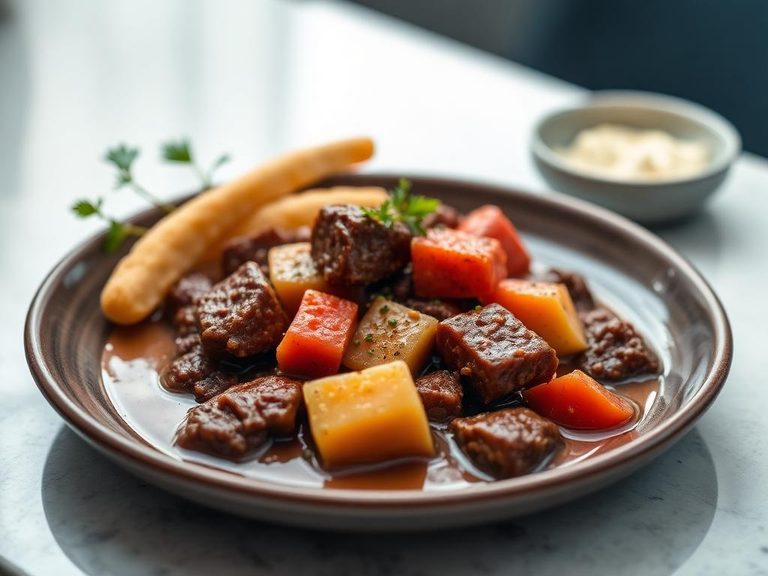
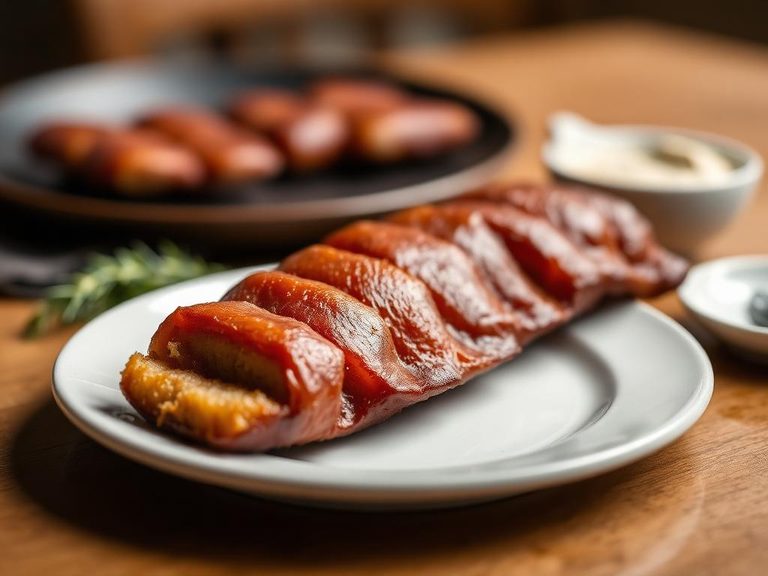
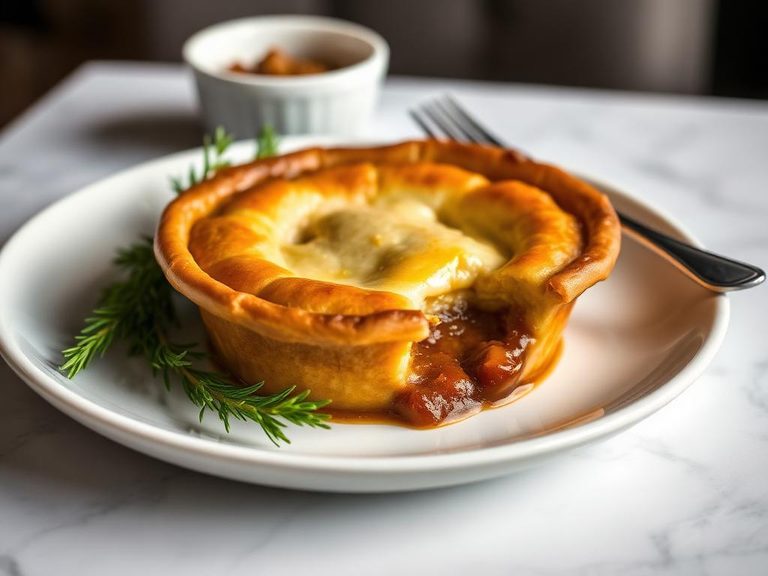
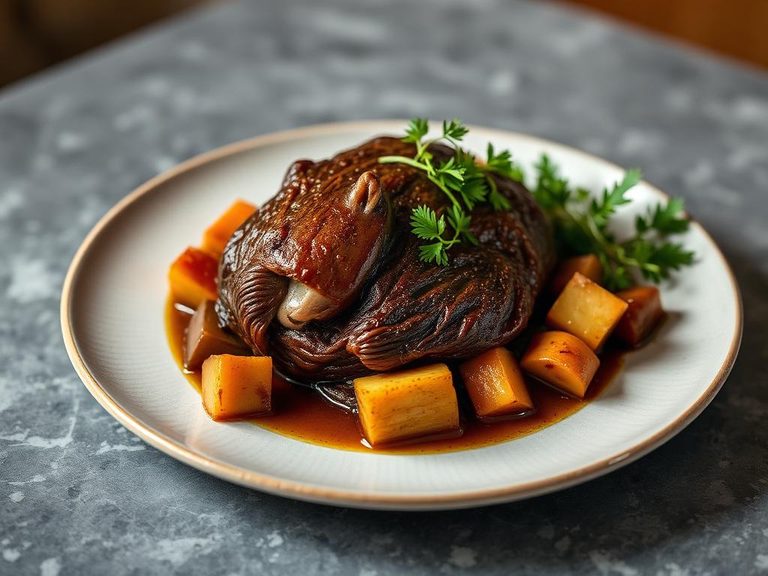
🍽️ Popular dishes
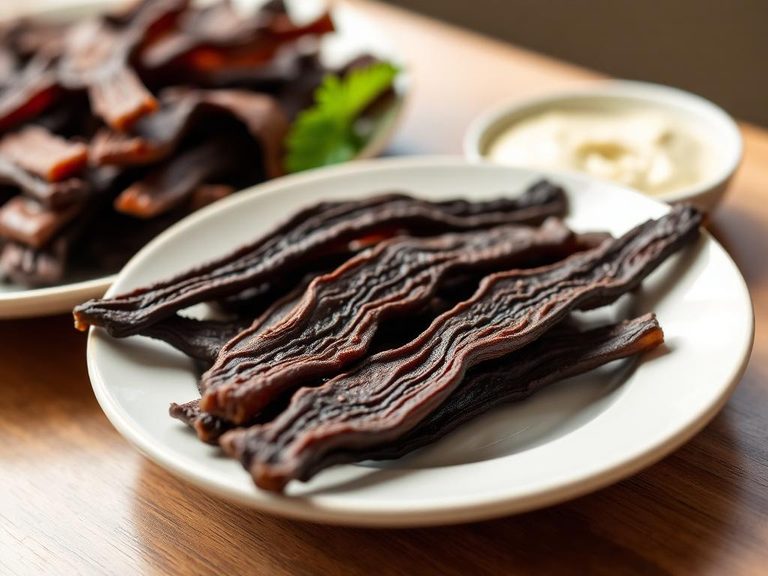
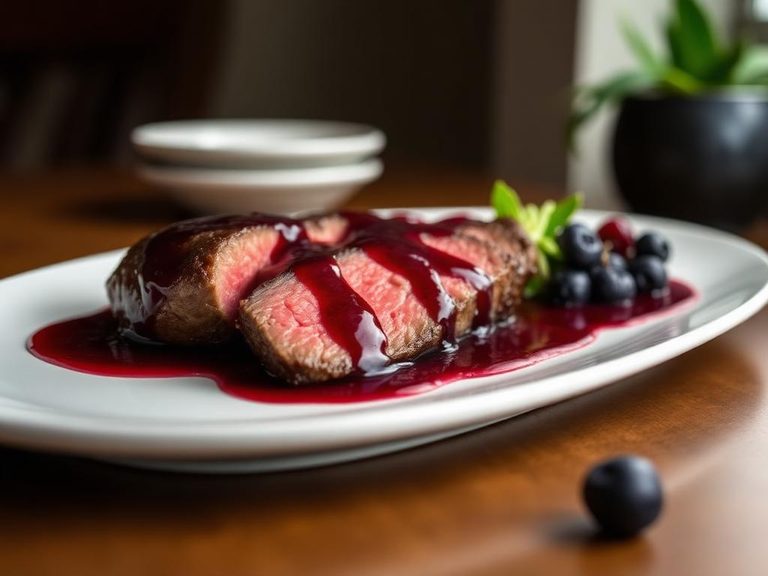
🌍 Where it's eaten
💡 Did you know?
The beaver's tail, a prized delicacy, is not just meat but a thick layer of fat and skin that was historically rendered into oil (castoreum) used in perfumes and flavorings.
Full nutrition (USDA data · scales with serving)
| Water | 57.5 g |
| Energy | 210 kcal |
| Protein | 34.6 g |
| Total lipid (fat) | 6.9 g |
| Carbohydrate, by difference | 0.00 g |
| Fiber, total dietary | 0.00 g |
| Total Sugars | 0.00 g |
| Calcium, Ca | 22.0 mg |
| Iron, Fe | 9.9 mg |
| Magnesium, Mg | 29.0 mg |
| Phosphorus, P | 290 mg |
| Potassium, K | 400 mg |
| Sodium, Na | 366 mg |
| Zinc, Zn | 2.3 mg |
| Copper, Cu | 0.19 mg |
| Selenium, Se | 42.8 ug |
| Vitamin C, total ascorbic acid | 3.0 mg |
| Thiamin | 0.05 mg |
| Riboflavin | 0.31 mg |
| Niacin | 2.2 mg |
| Vitamin B-6 | 0.47 mg |
| Folate, total | 11.0 ug |
| Folic acid | 0.00 ug |
| Folate, food | 11.0 ug |
| Folate, DFE | 11.0 ug |
| Choline, total | 129 mg |
| Vitamin B-12 | 8.2 ug |
| Vitamin B-12, added | 0.00 ug |
| Vitamin A, RAE | 0.00 ug |
| Retinol | 0.00 ug |
| Carotene, beta | 0.00 ug |
| Carotene, alpha | 0.00 ug |
| Cryptoxanthin, beta | 0.00 ug |
| Lycopene | 0.00 ug |
| Lutein + zeaxanthin | 0.00 ug |
| Vitamin E (alpha-tocopherol) | 0.45 mg |
| Vitamin E, added | 0.00 mg |
| Vitamin D (D2 + D3) | 0.00 ug |
| Vitamin K (phylloquinone) | 1.6 ug |
| Alcohol, ethyl | 0.00 g |
| Caffeine | 0.00 mg |
| Theobromine | 0.00 mg |
Fat & fatty acid profile (per 100g)
| Fatty acids, total saturated | 2.1 g |
| SFA 4:0 | 0.00 g |
| SFA 6:0 | 0.00 g |
| SFA 8:0 | 0.00 g |
| SFA 10:0 | 0.00 g |
| SFA 12:0 | 0.00 g |
| SFA 14:0 | 0.18 g |
| SFA 16:0 | 1.6 g |
| SFA 18:0 | 0.32 g |
| Fatty acids, total monounsaturated | 1.9 g |
| MUFA 16:1 | 0.24 g |
| MUFA 18:1 | 1.6 g |
| MUFA 20:1 | 0.00 g |
| MUFA 22:1 | 0.00 g |
| Fatty acids, total polyunsaturated | 1.3 g |
| PUFA 18:2 | 1.1 g |
| PUFA 18:3 | 0.28 g |
| PUFA 18:4 | 0.00 g |
| PUFA 20:4 | 0.00 g |
| PUFA 20:5 n-3 (EPA) | 0.00 g |
| PUFA 22:5 n-3 (DPA) | 0.00 g |
| PUFA 22:6 n-3 (DHA) | 0.00 g |
| Cholesterol | 116 mg |
Amino acid profile (per 100g)
Estimated from Game meat, beaver, raw — USDA does not publish this profile for Beaver.
| Threonine | 0.92 g |
| Isoleucine | 1.0 g |
| Leucine | 1.9 g |
| Lysine | 2.2 g |
| Methionine | 0.55 g |
| Phenylalanine | 0.98 g |
| Tyrosine | 0.75 g |
| Valine | 0.98 g |
| Arginine | 1.5 g |
| Histidine | 0.95 g |
| Alanine | 1.1 g |
| Aspartic acid | 1.9 g |
| Glutamic acid | 3.4 g |
| Glycine | 0.91 g |
| Proline | 0.86 g |
| Serine | 0.80 g |
FAQ
Does beaver taste like fish?
No, despite being a semi-aquatic rodent, beaver meat tastes like a mild, slightly sweet red game meat, more akin to dark turkey or rabbit. Its flavor comes from its diet of bark and vegetation, not from the water.
How do you cook beaver to make it tender?
The key is low and slow. Braising, stewing, or slow-roasting in liquid (like broth, wine, or cider) for 2-3 hours breaks down the connective tissue and results in tender, pull-apart meat. Quick, high-heat methods like grilling can make it tough.
Is eating beaver legal and sustainable?
Yes, in many regions with healthy beaver populations (like parts of Canada and the US), regulated hunting and trapping are legal and considered a sustainable way to manage animal numbers. Always source it from reputable, legal suppliers.
Nutrient density (calculated · NRF9.3)
Nutrient Rich Foods index: beneficial nutrients (protein, fiber, vitamins, minerals) minus saturated fat, added sugar & sodium, per 100 kcal.
NRF9.3 index — Fulgoni, Keast & Drewnowski, 2009. Computed from USDA nutrients.
Weight-loss friendliness (composite index)
Energy density 2.10 kcal/g · 66% calories from protein · 0.0 g fiber · 0.0 g sugar per 100 g.
Composite of energy density (Rolls et al., 1999), protein & fiber satiety, minus sugar. A calculated heuristic — ranks satiety-per-calorie, not a clinical measure.
Dietary load (calculated from USDA values)
Potential renal acid load. Positive = acid-forming, negative = alkaline-forming.
Sodium-to-potassium ratio: 0.92 (lower is better — aim for ≤ 1)
Sodium:potassium per WHO potassium guidance. Computed from USDA nutrients.