Beaver stew
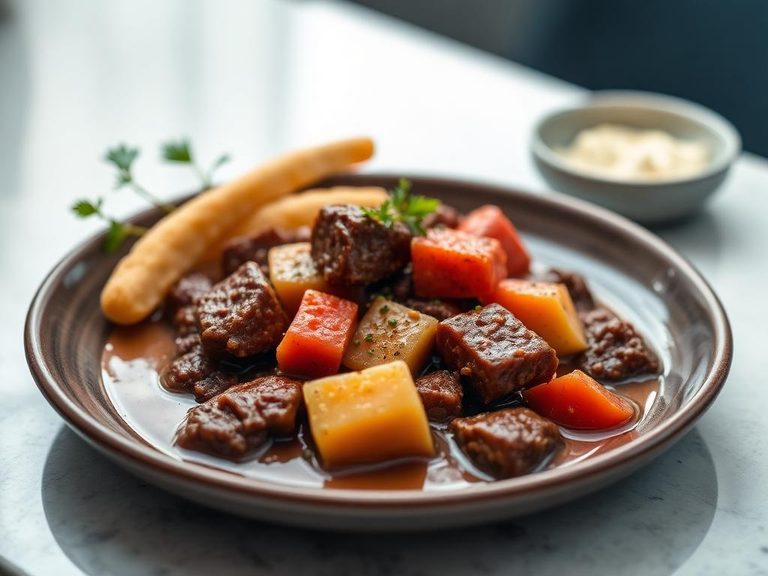
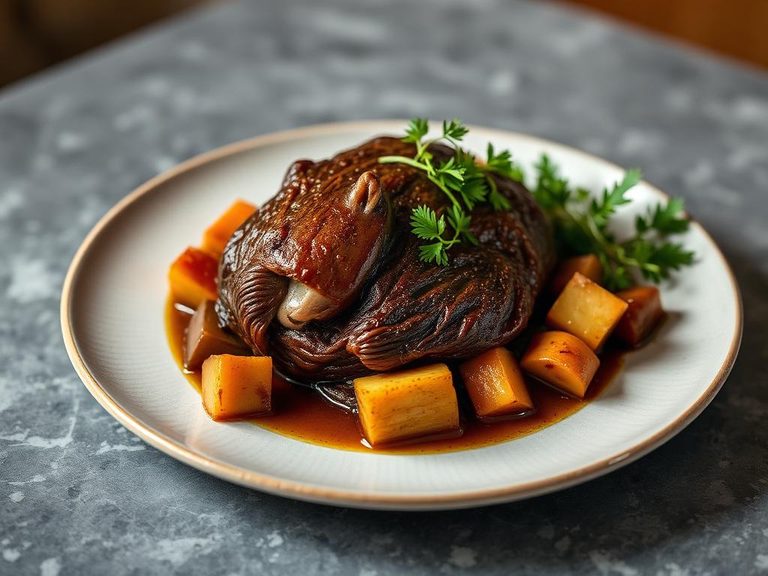
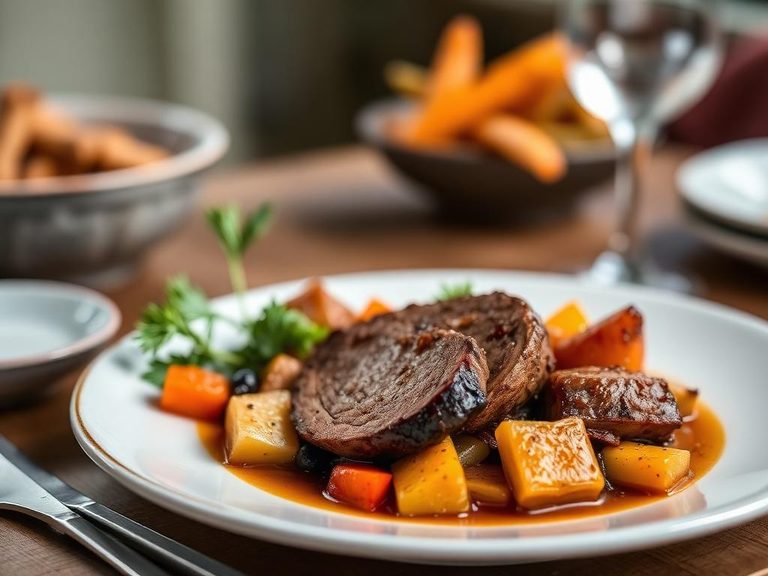
Beaver stew is a hearty, traditional North American dish, often associated with Indigenous cuisines and early frontier cooking. It typically features slow-cooked beaver meat, a lean and dark red game meat, simmered with root vegetables like potatoes, carrots, and onions in a savory broth. The dish is known for its rich, deep flavor and is a way to utilize a locally sourced, sustainable protein.
🍽️ Nutrition at a glance
Beaver stew is a high-protein, low-carbohydrate dish, with the meat providing a significant amount of lean protein and essential minerals. A typical serving offers a good source of iron and B vitamins, with a moderate calorie count, generally ranging from 300 to 400 kcal per serving depending on the recipe and portion size.
Nutrition breakdown
| Calories | 350 kcal |
| Protein | 38 g |
| Carbs | 18 g |
| Fat | 12 g |
| Fiber | 4 g |
| Sugar | 6 g |
| Sodium | 680 mg |
| Iron | 4.2 mg |
| Zinc | 6.8 mg |
| Vitamin B12 | 2.1 mcg |
| Niacin (B3) | 8.5 mg |
| Phosphorus | 320 mg |
| Selenium | 28 mcg |
| Potassium | 620 mg |
| Vitamin B6 | 0.7 mg |
Per 1.5 cups (360 g) · estimated, varies by recipe
💡 What's interesting
Culturally, beaver stew is a unique example of nose-to-tail eating and utilizing wild game, reflecting historical practices of sustainability and resourcefulness in North American wilderness cooking. Nutritionally, beaver meat is exceptionally lean and high in protein, making it a dense source of energy with a lower fat content compared to many domesticated meats.