Smoked Beaver Tail
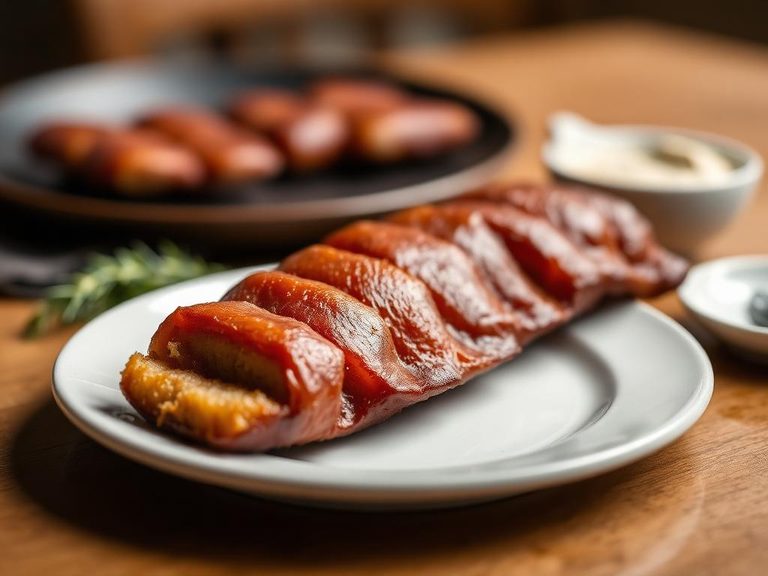
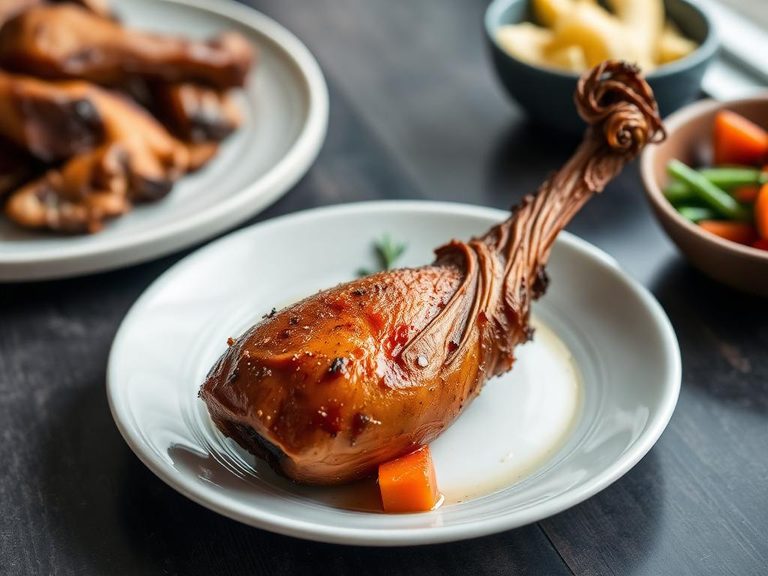
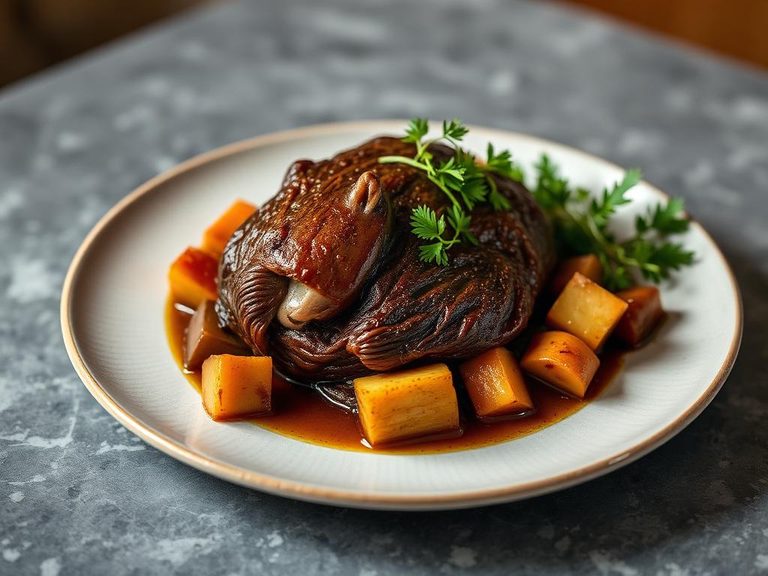
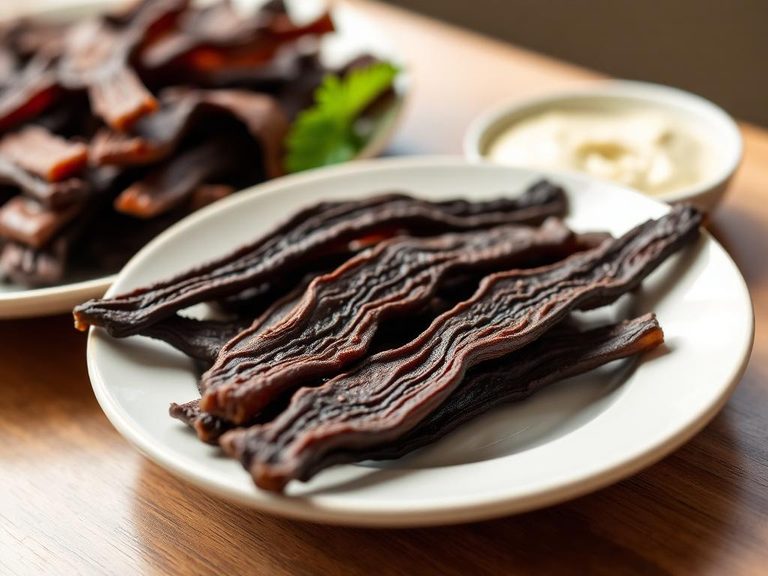
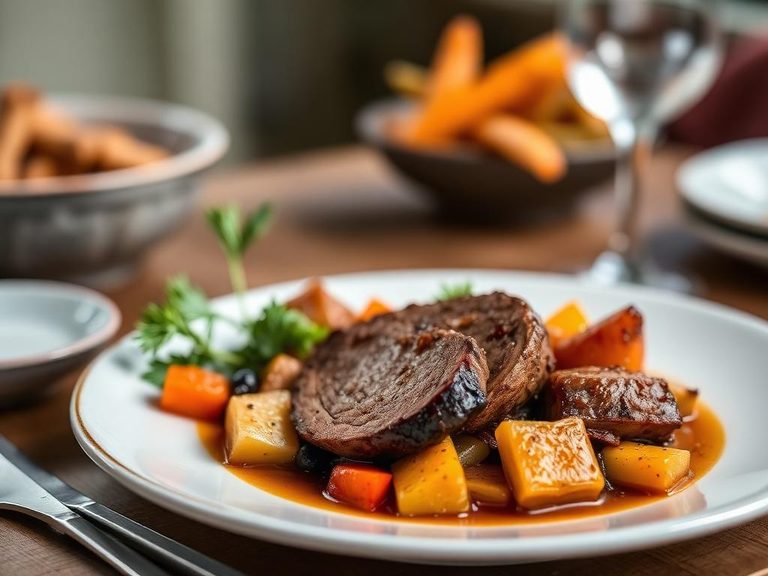
Smoked Beaver Tail is a traditional dish made from the tail of a beaver, which is rich in fat and connective tissue. It is typically cured and then smoked, resulting in a dense, flavorful, and chewy delicacy. This dish is historically associated with Indigenous cultures and early fur traders in North America, particularly in Canada and the northern United States.
🍽️ Nutrition at a glance
It is very high in fat and protein, with virtually no carbohydrates. A single serving provides a significant amount of calories, primarily from fat, and is a good source of minerals like iron and phosphorus.
Nutrition breakdown
| Calories | 450 kcal |
| Protein | 12 g |
| Carbs | 0 g |
| Fat | 45 g |
| Fiber | 0 g |
| Sugar | 0 g |
| Sodium | 680 mg |
| Iron | 2.5 mg |
| Phosphorus | 180 mg |
| Zinc | 3.2 mg |
| Niacin (B3) | 4.0 mg |
| Vitamin B12 | 1.8 mcg |
| Selenium | 12 mcg |
| Potassium | 210 mg |
| Sodium | 680 mg |
Per 1 piece (100 g) · estimated, varies by recipe
💡 What's interesting
Culturally, it represents a historical survival food and a utilization of the entire animal. Nutritionally, its extremely high fat content made it a valuable, energy-dense food source for long winters and strenuous outdoor activities.