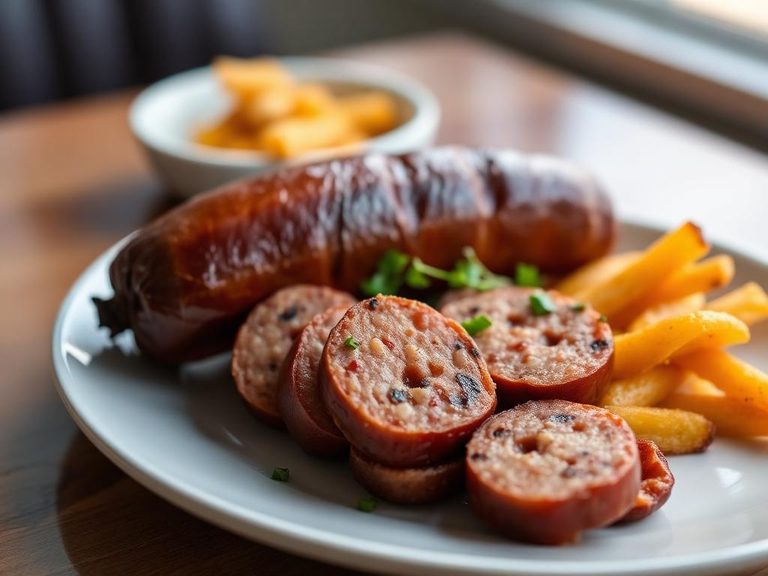
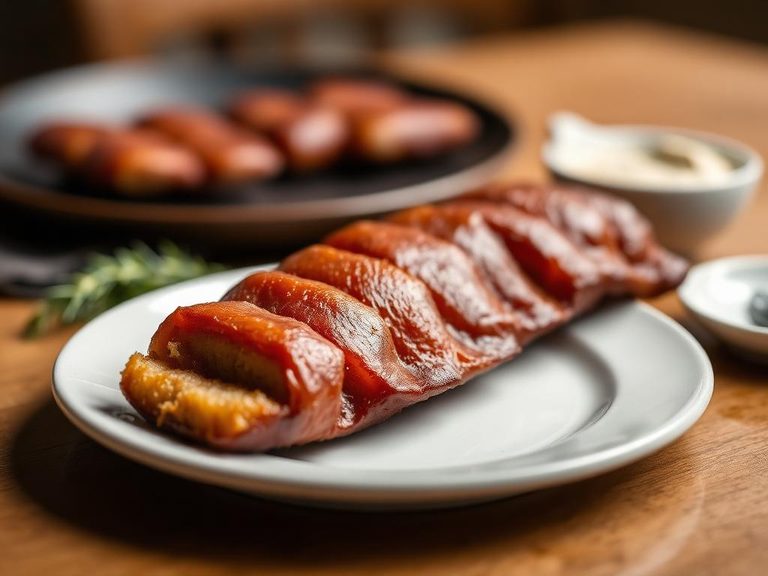
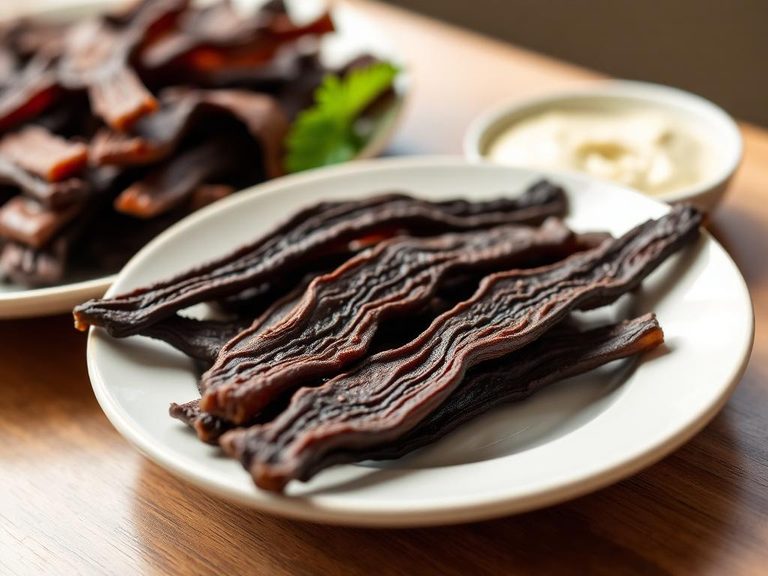
Beaver 'Steak' with Berry Reduction
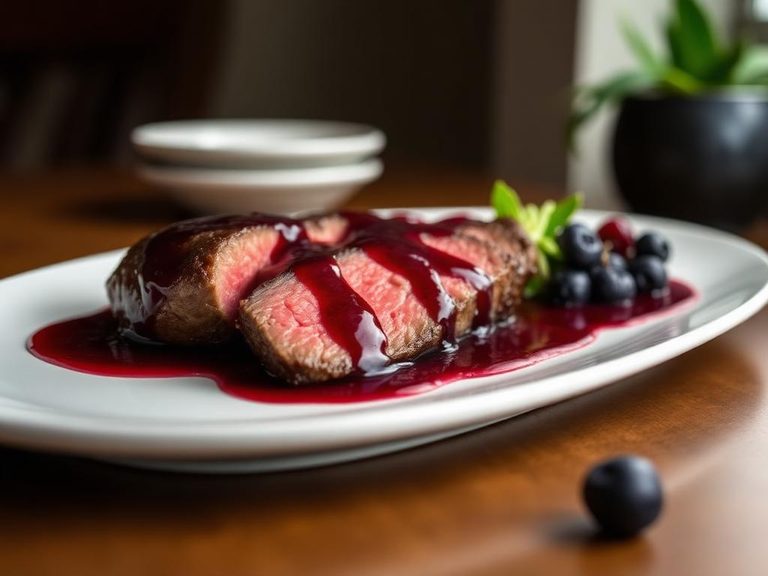
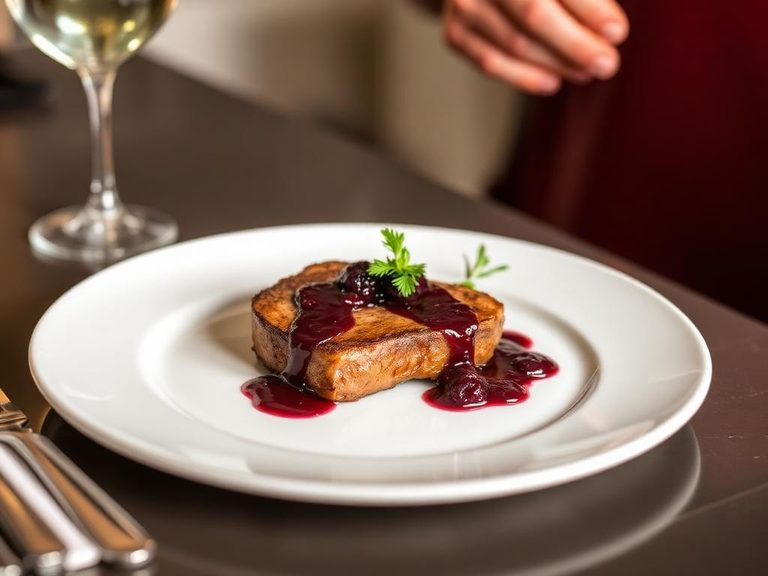
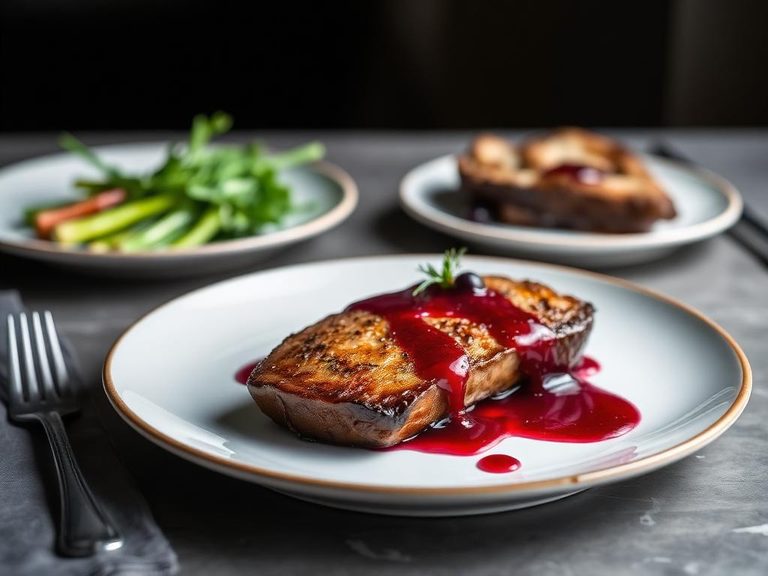
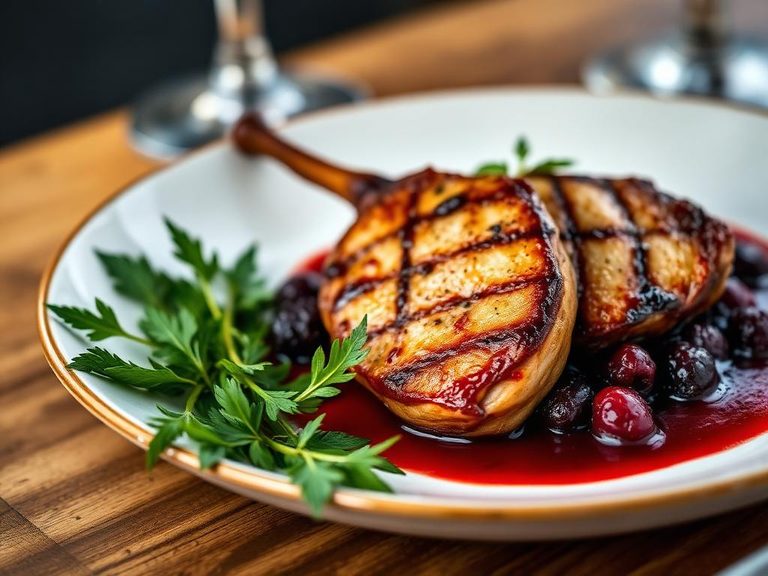
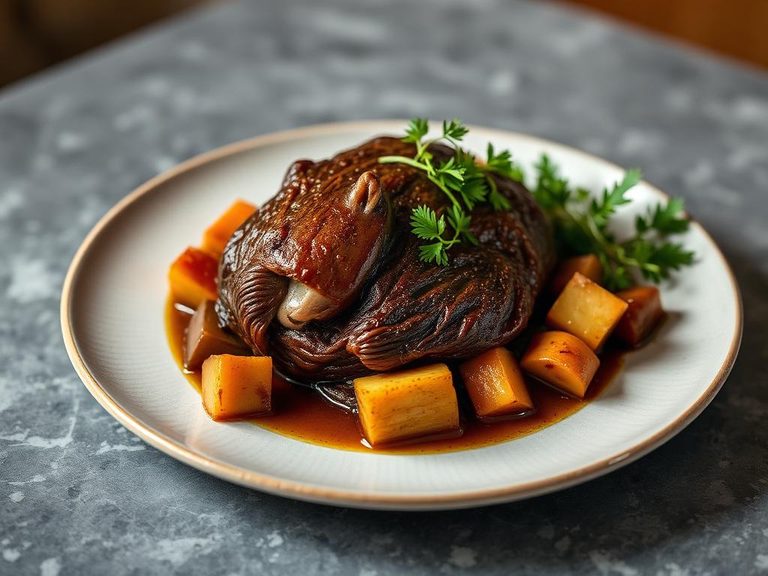
Beaver 'Steak' with Berry Reduction is a rustic, game-centric dish featuring slow-cooked or pan-seared beaver meat, traditionally prepared by Indigenous peoples and early settlers in North America. The dish is characterized by its rich, dark meat paired with a tangy, sweet reduction made from wild berries such as cranberries, blueberries, or huckleberries. It is a specialty often associated with the Pacific Northwest and other regions where beaver is a sustainable, foraged protein source.
🍽️ Nutrition at a glance
This dish is exceptionally high in protein and low in carbohydrates, providing a lean yet energy-dense meal with a moderate amount of healthy fats. It is a good source of iron, zinc, and B vitamins, with a typical serving containing roughly 300-400 calories.
Nutrition breakdown
| Calories | 350 kcal |
| Protein | 35 g |
| Carbs | 15 g |
| Fat | 15 g |
| Fiber | 3 g |
| Sugar | 10 g |
| Sodium | 180 mg |
| Iron | 4.5 mg |
| Zinc | 5.2 mg |
| Vitamin B12 | 3.8 mcg |
| Niacin (B3) | 6.5 mg |
| Phosphorus | 280 mg |
| Potassium | 420 mg |
| Vitamin C | 12 mg |
| Selenium | 25 mcg |
Per 1 serving (150 g cooked beaver meat with 60 g berry reduction) · estimated, varies by recipe
💡 What's interesting
Beaver meat is a traditional, sustainable food source for many Indigenous communities, and the use of wild berries in the reduction highlights the deep connection between the dish and the local ecosystem. Nutritionally, it is a rare example of a dish that combines lean, wild game protein with the antioxidant-rich benefits of native berries.