

Game meat, beaver, raw
Whole food · Lamb, Veal, and Game Products

Photo: Wikipedia
Beaver meat is a lean, dark red game meat with a flavor profile often compared to a rich, slightly sweet blend of beef and rabbit, with a tender, fine-grained texture when cooked properly. Its exceptionally high protein content (24g per 100g) and very low fat make it a powerhouse for muscle maintenance and a lean alternative to traditional red meats. The meat is prized for its clean, earthy taste that absorbs marinades and smoky flavors beautifully.
Calorie split: 69% protein · 0% carbs · 31% fat
↓ Full nutrition💚 Why it's loved
People love beaver for its unique, rich flavor that is more complex than chicken or pork, often described as having a subtle sweetness and a texture that is both tender and satisfying. It is celebrated in traditional and rustic cuisines for its ability to take on bold flavors from smoking, braising, or grilling, making it a versatile centerpiece for hearty, flavorful dishes.
⚠️ Watch-outs & how to enjoy it better
Beaver meat can be tough and gamey if not prepared correctly, requiring slow cooking methods like braising or smoking to tenderize it. Those new to game meats may find the strong, earthy flavor and dense texture unfamiliar or off-putting. To counteract toughness, marinate the meat overnight in acidic or enzymatic liquids (like vinegar or wine) and cook it low and slow; for the strong flavor, pair it with robust sauces, root vegetables, or sweet glazes to balance the taste.
Key benefits
- Extremely high in protein for muscle repair and satiety.
- Very low in fat and carbohydrates, making it a lean protein source.
- Rich in iron and B vitamins, supporting energy metabolism.
- A sustainable, wild-harvested protein source.
- Naturally free from common allergens like gluten and dairy.
🍽️ Popular dishes
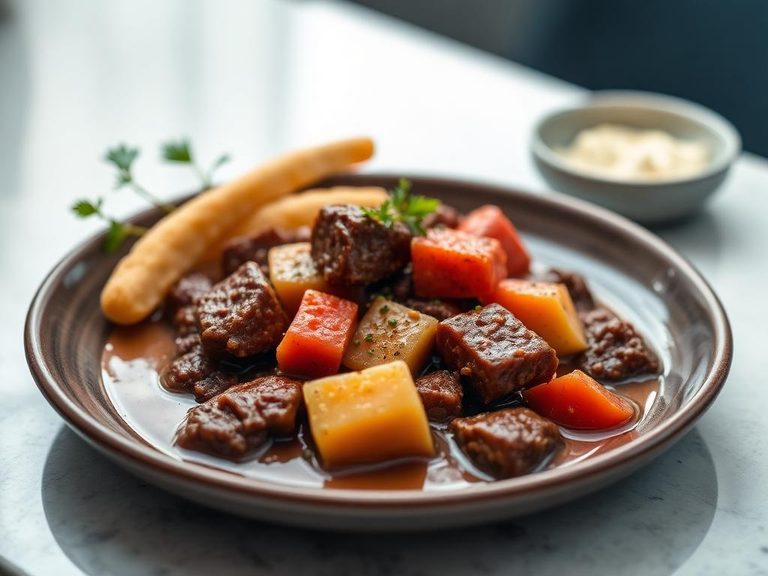 Beaver Stew (a classic North American and European dish)
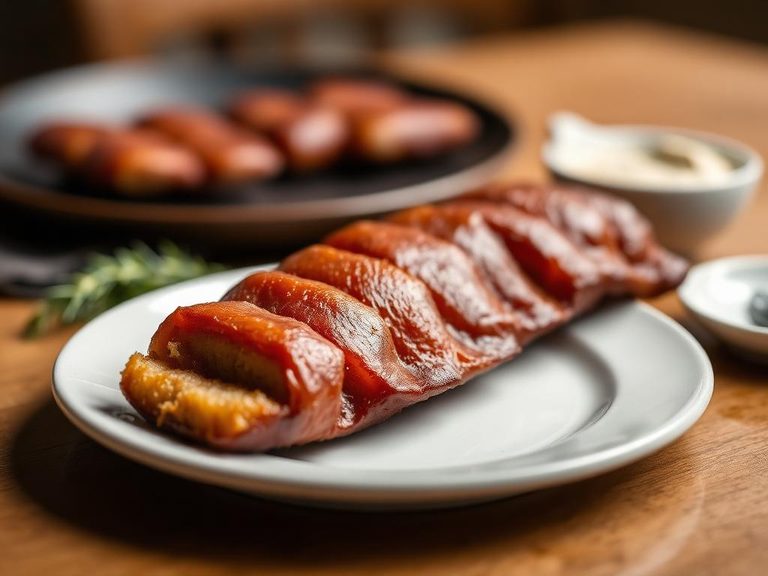 Smoked Beaver Tail (a traditional Indigenous and frontier preparation)
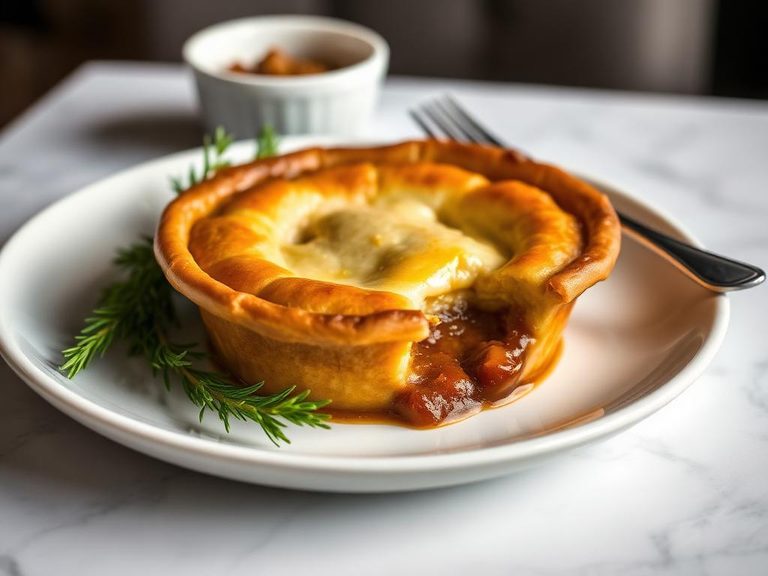 Beaver Pot Pie (a hearty, savory pie filling)
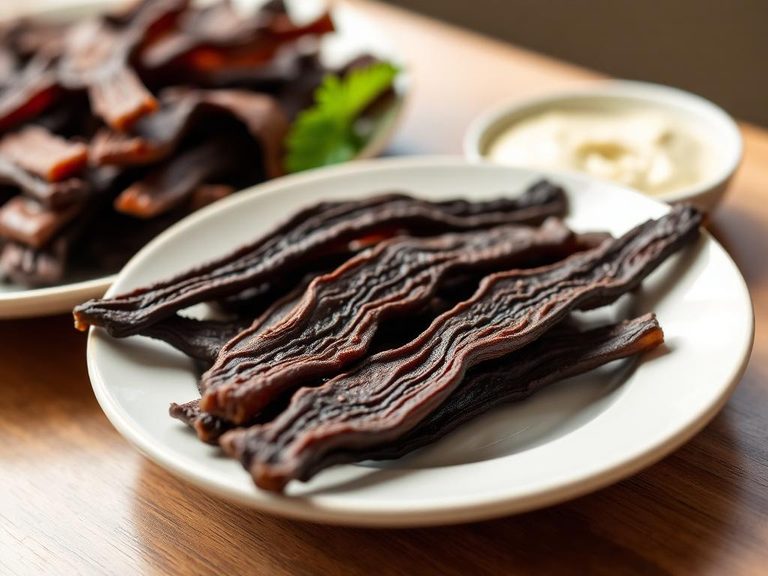 Beaver Jerky (a preserved, dried snack)
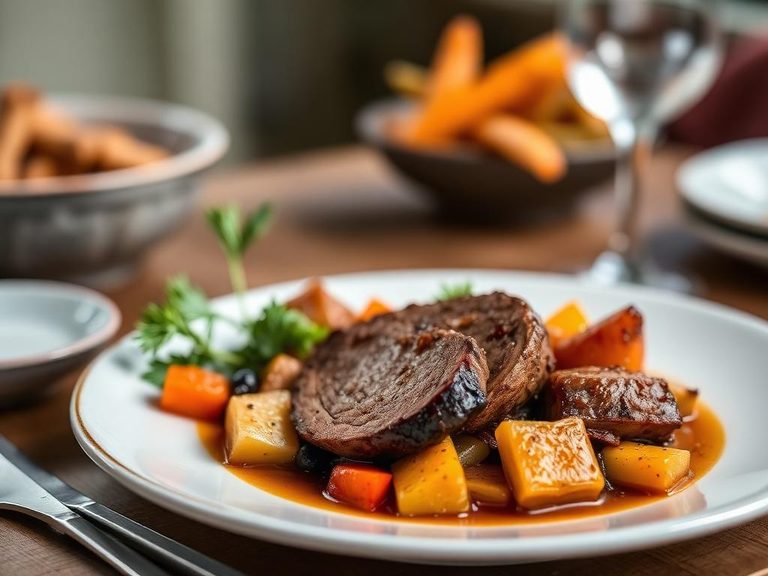 Beaver Roast with Root Vegetables (a slow-cooked, rustic meal)
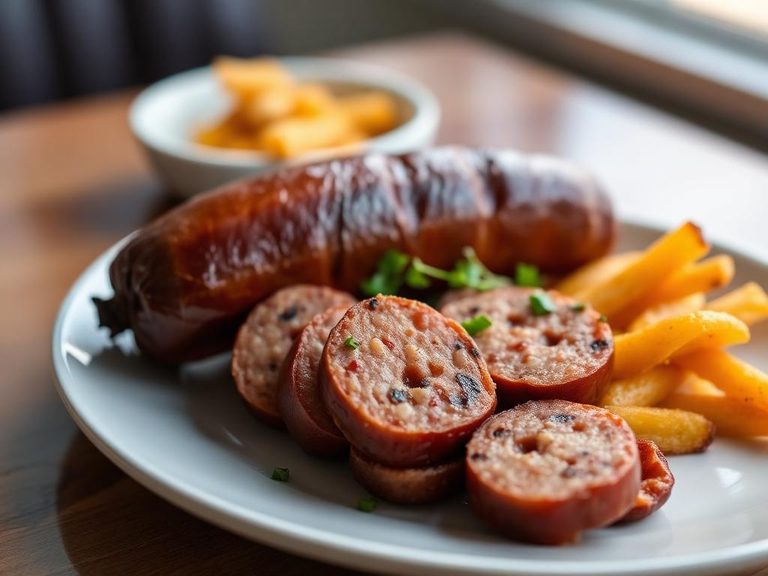 Beaver Sausage (a seasoned, ground meat preparation)
🌍 Where it's eaten
💡 Did you know?
Beaver tails, the actual tail, are a traditional delicacy in some cultures and are often roasted or smoked; they are rich in fat and have a gelatinous, chewy texture, making them a prized source of calories and flavor in cold climates.
Full nutrition (USDA data · scales with serving)
| Water | 71.0 g |
| Energy | 146 kcal |
| Energy | 611 kj |
| Protein | 24.1 g |
| Total lipid (fat) | 4.8 g |
| Ash | 1.0 g |
| Carbohydrate, by difference | 0.00 g |
| Fiber, total dietary | 0.00 g |
| Calcium, Ca | 15.0 mg |
| Iron, Fe | 6.9 mg |
| Magnesium, Mg | 25.0 mg |
| Phosphorus, P | 237 mg |
| Potassium, K | 348 mg |
| Sodium, Na | 51.0 mg |
| Selenium, Se | 26.6 ug |
| Vitamin C, total ascorbic acid | 2.0 mg |
| Thiamin | 0.06 mg |
| Riboflavin | 0.22 mg |
| Niacin | 1.9 mg |
| Vitamin A, RAE | 0.00 ug |
| Retinol | 0.00 ug |
| Vitamin A, IU | 0.00 iu |
Fat & fatty acid profile (per 100g)
Estimated from Game meat, deer, top round, separable lean only, 1" steak, cooked, broiled — USDA does not publish this profile for Game meat.
| Fatty acids, total saturated | 1.0 g |
| SFA 4:0 | 0.00 g |
| SFA 6:0 | 0.00 g |
| SFA 8:0 | 0.00 g |
| SFA 10:0 | 0.00 g |
| SFA 12:0 | 0.00 g |
| SFA 14:0 | 0.07 g |
| SFA 15:0 | 0.03 g |
| SFA 16:0 | 0.41 g |
| SFA 17:0 | 0.03 g |
| SFA 18:0 | 0.49 g |
| SFA 20:0 | 0.01 g |
| SFA 22:0 | 0.00 g |
| Fatty acids, total monounsaturated | 0.41 g |
| MUFA 14:1 | 0.01 g |
| MUFA 15:1 | 0.00 g |
| MUFA 16:1 | 0.03 g |
| MUFA 17:1 | 0.01 g |
| MUFA 18:1 | 0.37 g |
| MUFA 20:1 | 0.00 g |
| MUFA 22:1 | 0.00 g |
| Fatty acids, total polyunsaturated | 0.12 g |
| PUFA 18:2 | 0.07 g |
| PUFA 18:3 | 0.03 g |
| PUFA 18:3 n-6 c,c,c | 0.00 g |
| PUFA 18:4 | 0.00 g |
| PUFA 20:2 n-6 c,c | 0.00 g |
| PUFA 20:3 | 0.00 g |
| PUFA 20:4 | 0.02 g |
| PUFA 20:5 n-3 (EPA) | 0.00 g |
| PUFA 22:5 n-3 (DPA) | 0.00 g |
| PUFA 22:6 n-3 (DHA) | 0.00 g |
| Cholesterol | 85.0 mg |
Amino acid profile (per 100g)
| Threonine | 0.92 g |
| Isoleucine | 1.0 g |
| Leucine | 1.9 g |
| Lysine | 2.2 g |
| Methionine | 0.55 g |
| Phenylalanine | 0.98 g |
| Tyrosine | 0.75 g |
| Valine | 0.98 g |
| Arginine | 1.5 g |
| Histidine | 0.95 g |
| Alanine | 1.1 g |
| Aspartic acid | 1.9 g |
| Glutamic acid | 3.4 g |
| Glycine | 0.91 g |
| Proline | 0.86 g |
| Serine | 0.80 g |
FAQ
What does beaver meat taste like?
Beaver meat has a rich, dark flavor often compared to a cross between beef and rabbit, with a subtle sweetness and an earthy, gamey undertone. Its texture is fine-grained and tender when slow-cooked.
Is beaver meat safe to eat?
Yes, beaver meat is safe to eat when properly handled, cooked to an internal temperature of at least 165°F (74°C), and sourced from clean, uncontaminated environments. It is a traditional food in many cultures.
How do you cook beaver meat to make it tender?
To tenderize beaver, use slow-cooking methods like braising, stewing, or smoking. Marinating it in acidic liquids (like vinegar or wine) or enzymatic marinades (like pineapple juice) can also help break down the tough fibers.
Nutrient density (calculated · NRF9.3)
Nutrient Rich Foods index: beneficial nutrients (protein, fiber, vitamins, minerals) minus saturated fat, added sugar & sodium, per 100 kcal.
NRF9.3 index — Fulgoni, Keast & Drewnowski, 2009. Computed from USDA nutrients.
Weight-loss friendliness (composite index)
Energy density 1.46 kcal/g · 66% calories from protein · 0.0 g fiber · 0.0 g sugar per 100 g.
Composite of energy density (Rolls et al., 1999), protein & fiber satiety, minus sugar. A calculated heuristic — ranks satiety-per-calorie, not a clinical measure.
Dietary load (calculated from USDA values)
Potential renal acid load. Positive = acid-forming, negative = alkaline-forming.
Sodium-to-potassium ratio: 0.15 (lower is better — aim for ≤ 1)
Sodium:potassium per WHO potassium guidance. Computed from USDA nutrients.