

Baby Toddler juice, mixed fruit
Common food

Photo: Wikipedia
This is a sweet, smooth, and brightly colored beverage designed specifically for infants and toddlers, typically made from a blend of fruit juices like apple, pear, and grape. It has a thin, watery texture and a very sweet taste, with almost no fat, protein, or fiber. Its primary nutritional contribution is quick energy from simple sugars.
Calorie split: 0% protein · 98% carbs · 2% fat
↓ Full nutrition💚 Why it's loved
Parents appreciate it as a familiar, palatable option to soothe fussiness or supplement hydration during meals. Its consistent, mild sweetness makes it a reliable crowd-pleaser for toddlers.
⚠️ Watch-outs & how to enjoy it better
The high sugar content (over 10g per 100g) with negligible fiber can contribute to tooth decay and may displace more nutrient-dense foods. For children managing blood sugar or weight, it's best offered occasionally and always with a meal containing protein or fat (like cheese or yogurt) to slow sugar absorption. Diluting it with water is another effective strategy.
Key benefits
- Provides quick, easily digestible energy from natural fruit sugars.
- Can be a convenient way to encourage fluid intake in picky drinkers.
- Often fortified with Vitamin C, which supports immune function.
- Serves as a mild introduction to fruit flavors for young palates.
🍽️ Popular dishes
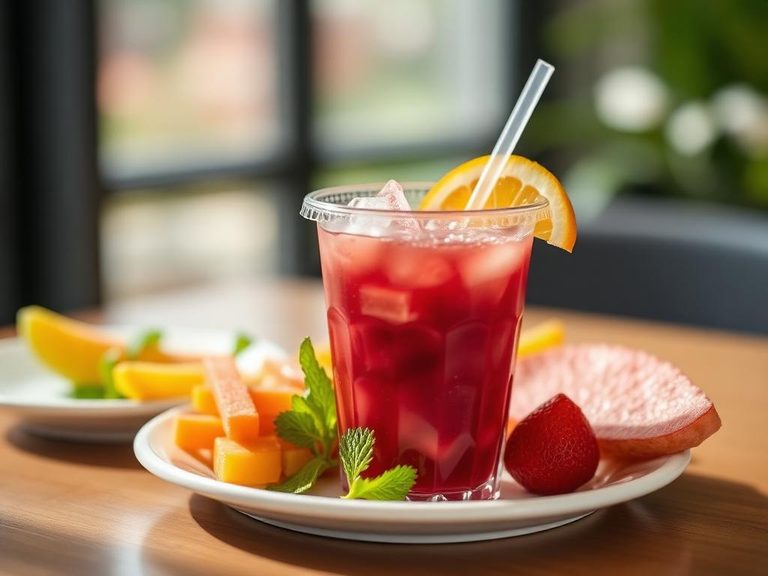
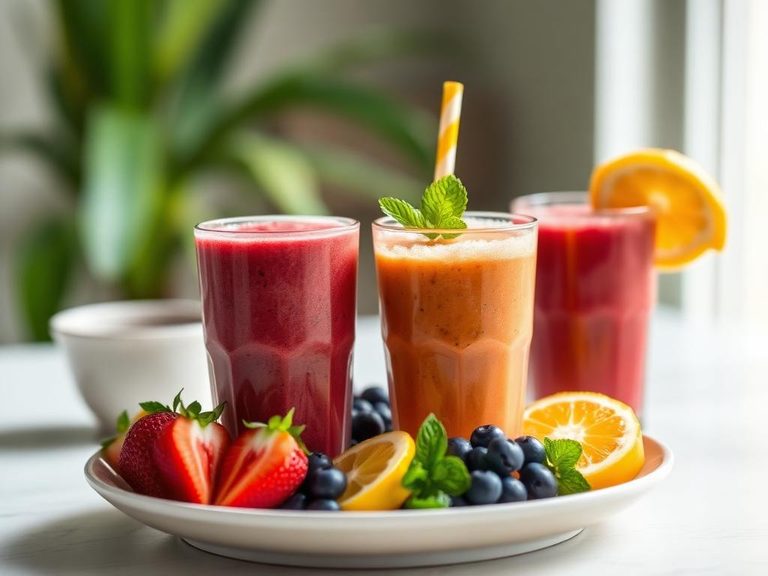
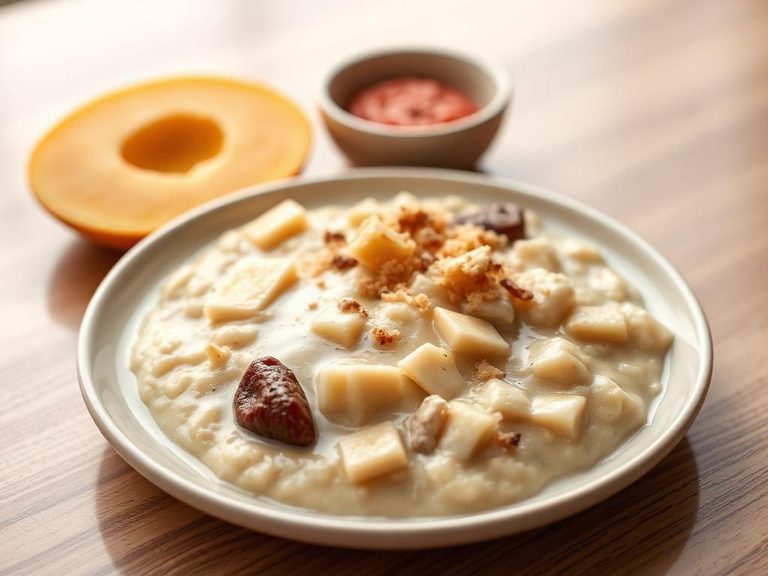
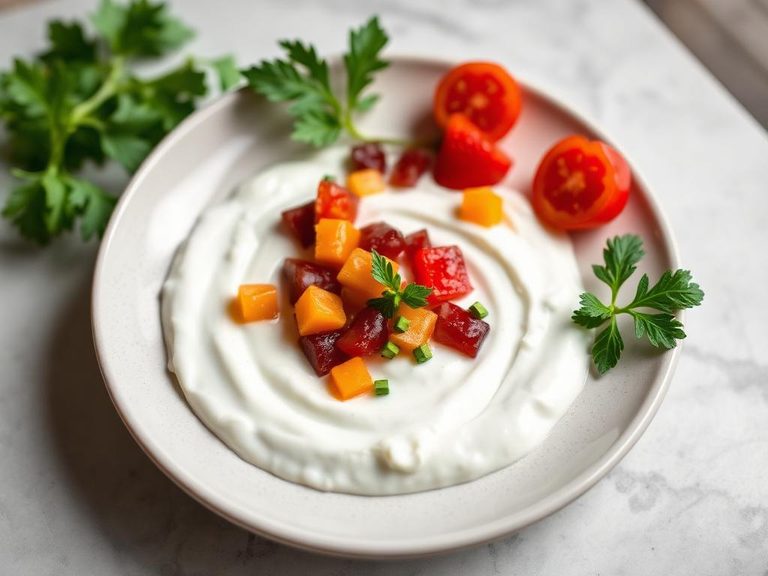
🌍 Where it's eaten
💡 Did you know?
The 'mixed fruit' blend is often standardized to ensure a consistent taste and color year-round, regardless of seasonal fruit availability.
Full nutrition (USDA data · scales with serving)
| Water | 88.0 g |
| Energy | 47.0 kcal |
| Protein | 0.00 g |
| Total lipid (fat) | 0.10 g |
| Carbohydrate, by difference | 11.7 g |
| Fiber, total dietary | 0.10 g |
| Total Sugars | 10.7 g |
| Calcium, Ca | 4.0 mg |
| Iron, Fe | 0.57 mg |
| Magnesium, Mg | 3.0 mg |
| Phosphorus, P | 5.0 mg |
| Potassium, K | 91.0 mg |
| Sodium, Na | 8.0 mg |
| Zinc, Zn | 0.03 mg |
| Copper, Cu | 0.04 mg |
| Selenium, Se | 0.10 ug |
| Vitamin C, total ascorbic acid | 33.8 mg |
| Thiamin | 0.01 mg |
| Riboflavin | 0.02 mg |
| Niacin | 0.08 mg |
| Vitamin B-6 | 0.03 mg |
| Folate, total | 0.00 ug |
| Folic acid | 0.00 ug |
| Folate, food | 0.00 ug |
| Folate, DFE | 0.00 ug |
| Choline, total | 1.8 mg |
| Vitamin B-12 | 0.00 ug |
| Vitamin B-12, added | 0.00 ug |
| Vitamin A, RAE | 1.0 ug |
| Retinol | 0.00 ug |
| Carotene, beta | 8.0 ug |
| Carotene, alpha | 0.00 ug |
| Cryptoxanthin, beta | 6.0 ug |
| Lycopene | 0.00 ug |
| Lutein + zeaxanthin | 16.0 ug |
| Vitamin E (alpha-tocopherol) | 0.60 mg |
| Vitamin E, added | 0.00 mg |
| Vitamin D (D2 + D3) | 0.00 ug |
| Vitamin K (phylloquinone) | 0.00 ug |
| Alcohol, ethyl | 0.00 g |
| Caffeine | 0.00 mg |
| Theobromine | 0.00 mg |
Fat & fatty acid profile (per 100g)
| Fatty acids, total saturated | 0.02 g |
| SFA 4:0 | 0.00 g |
| SFA 6:0 | 0.00 g |
| SFA 8:0 | 0.00 g |
| SFA 10:0 | 0.00 g |
| SFA 12:0 | 0.00 g |
| SFA 14:0 | 0.00 g |
| SFA 16:0 | 0.02 g |
| SFA 18:0 | 0.00 g |
| Fatty acids, total monounsaturated | 0.00 g |
| MUFA 16:1 | 0.00 g |
| MUFA 18:1 | 0.00 g |
| MUFA 20:1 | 0.00 g |
| MUFA 22:1 | 0.00 g |
| Fatty acids, total polyunsaturated | 0.03 g |
| PUFA 18:2 | 0.03 g |
| PUFA 18:3 | 0.00 g |
| PUFA 18:4 | 0.00 g |
| PUFA 20:4 | 0.00 g |
| PUFA 20:5 n-3 (EPA) | 0.00 g |
| PUFA 22:5 n-3 (DPA) | 0.00 g |
| PUFA 22:6 n-3 (DHA) | 0.00 g |
| Cholesterol | 0.00 mg |
Amino acid profile (per 100g)
Estimated from Babyfood, dinner, chicken stew, toddler — USDA does not publish this profile for Baby Toddler juice.
| Tryptophan | 0.06 g |
| Threonine | 0.22 g |
| Isoleucine | 0.26 g |
| Leucine | 0.41 g |
| Lysine | 0.41 g |
| Methionine | 0.11 g |
| Cystine | 0.05 g |
| Phenylalanine | 0.21 g |
| Tyrosine | 0.17 g |
| Valine | 0.29 g |
| Arginine | 0.33 g |
| Histidine | 0.13 g |
| Alanine | 0.30 g |
| Aspartic acid | 0.47 g |
| Glutamic acid | 0.90 g |
| Glycine | 0.29 g |
| Proline | 0.35 g |
| Serine | 0.21 g |
FAQ
Is this the same as giving my baby real fruit?
No. Juice lacks the dietary fiber, most vitamins, and chewing satisfaction of whole fruit. Pediatric guidelines recommend offering whole fruits first.
How much is safe for a toddler?
Major health organizations recommend no more than 4 ounces (about 120ml) per day for toddlers aged 1-3, served with a meal to protect teeth.
What does 'from concentrate' mean on the label?
It means water was removed from the juice for transport and later added back. Nutritionally, it is very similar to juice not from concentrate.
Nutrient density (calculated · NRF9.3)
Nutrient Rich Foods index: beneficial nutrients (protein, fiber, vitamins, minerals) minus saturated fat, added sugar & sodium, per 100 kcal.
NRF9.3 index — Fulgoni, Keast & Drewnowski, 2009. Computed from USDA nutrients.
Weight-loss friendliness (composite index)
Energy density 0.47 kcal/g · 0% calories from protein · 0.1 g fiber · 10.7 g sugar per 100 g.
Composite of energy density (Rolls et al., 1999), protein & fiber satiety, minus sugar. A calculated heuristic — ranks satiety-per-calorie, not a clinical measure.
Dietary load (calculated from USDA values)
Potential renal acid load. Positive = acid-forming, negative = alkaline-forming.
Sodium-to-potassium ratio: 0.09 (lower is better — aim for ≤ 1)
Sodium:potassium per WHO potassium guidance. Computed from USDA nutrients.