

Baby Toddler crackers
Common food

Photo: Wikipedia
These are light, crispy, and mildly sweet biscuits specifically designed for infants and toddlers transitioning to solid foods. They have a dry, melt-in-the-mouth texture that softens quickly with saliva, making them easy for little gums to manage. Nutritionally, they are a dense source of carbohydrate energy but are notably low in fat and contain no dietary fiber.
Calorie split: 13% protein · 85% carbs · 2% fat
↓ Full nutrition💚 Why it's loved
Parents love them for their simplicity and reliability as a distraction or quick snack during outings. The mild, universally palatable flavor is rarely rejected by young children, and their uniform shape is perfect for tiny hands learning to self-feed.
⚠️ Watch-outs & how to enjoy it better
The high carbohydrate and sugar content with zero fiber can lead to quick energy spikes and subsequent crashes, and offers little sustained satiety. To counteract this, always pair them with a source of protein or healthy fat like mashed avocado, full-fat yogurt, or a soft cheese to balance the blood sugar response and add nutritional value.
Key benefits
- Supports fine motor skill development through grasping
- Provides quick, easily digestible energy from carbohydrates
- Typically fortified with iron for early childhood needs
- Convenient, portable, and mess-free for on-the-go snacking
- Often designed to dissolve safely to reduce choking risk
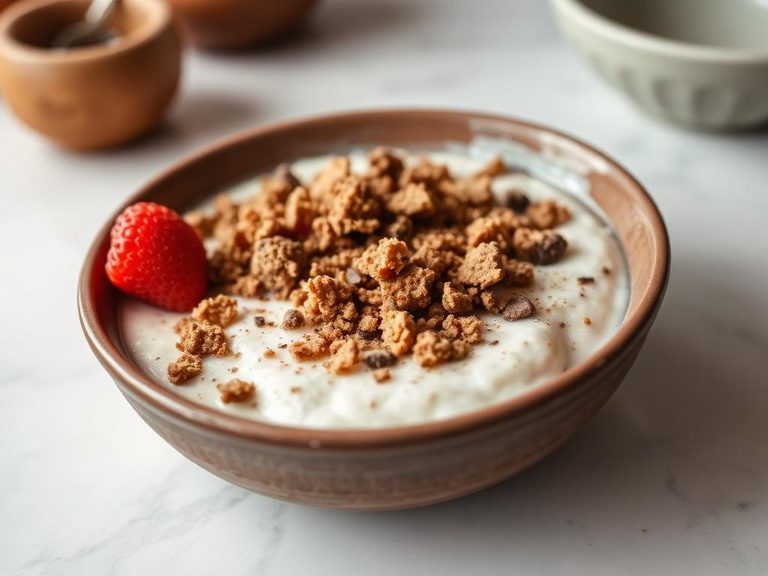
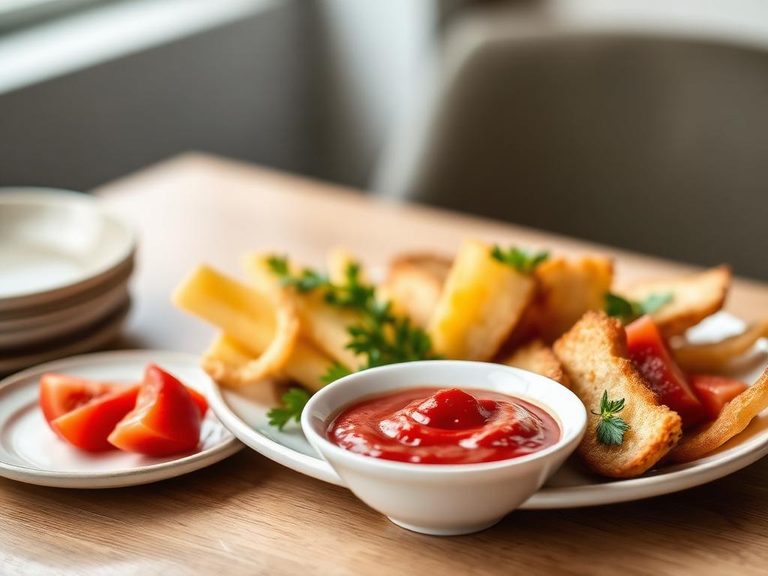
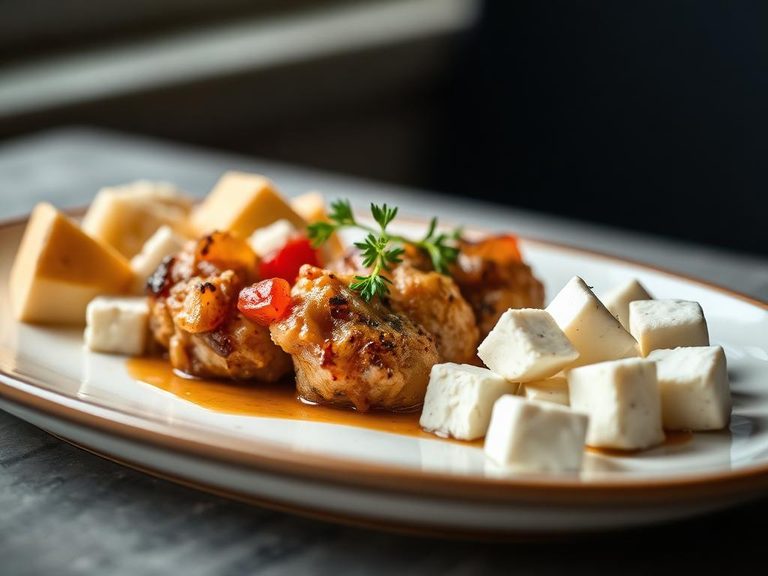
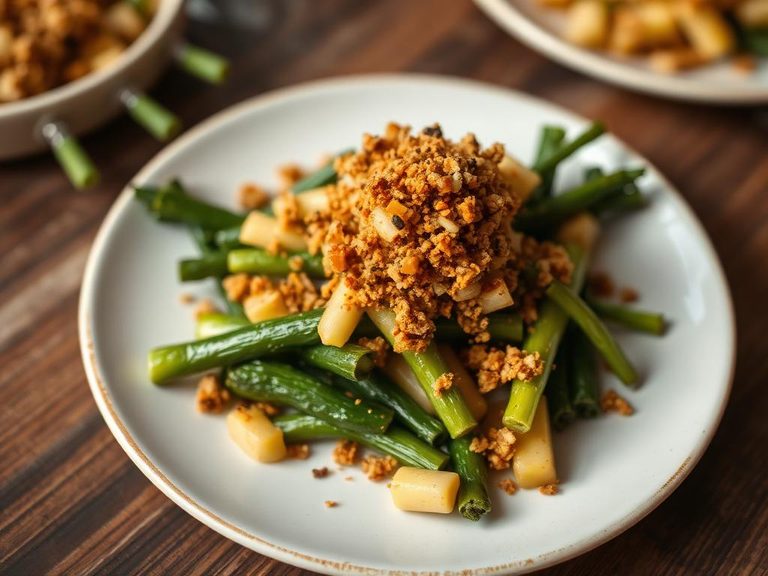
🍽️ Popular dishes
🌍 Where it's eaten
💡 Did you know?
Many baby crackers are engineered with a specific porous structure that allows them to absorb saliva rapidly, transforming from a solid to a soft paste within seconds in a baby's mouth.
Full nutrition (USDA data · scales with serving)
| Water | 2.4 g |
| Energy | 391 kcal |
| Protein | 12.5 g |
| Total lipid (fat) | 0.87 g |
| Carbohydrate, by difference | 83.2 g |
| Fiber, total dietary | 0.00 g |
| Total Sugars | 12.5 g |
| Calcium, Ca | 0.00 mg |
| Iron, Fe | 0.00 mg |
| Magnesium, Mg | 47.0 mg |
| Phosphorus, P | 127 mg |
| Potassium, K | 504 mg |
| Sodium, Na | 313 mg |
| Zinc, Zn | 0.65 mg |
| Copper, Cu | 0.16 mg |
| Selenium, Se | 8.0 ug |
| Vitamin C, total ascorbic acid | 0.00 mg |
| Thiamin | 0.17 mg |
| Riboflavin | 0.04 mg |
| Niacin | 2.9 mg |
| Vitamin B-6 | 0.57 mg |
| Folate, total | 14.0 ug |
| Folic acid | 0.00 ug |
| Folate, food | 14.0 ug |
| Folate, DFE | 14.0 ug |
| Choline, total | 21.3 mg |
| Vitamin B-12 | 0.00 ug |
| Vitamin B-12, added | 0.00 ug |
| Vitamin A, RAE | 0.00 ug |
| Retinol | 0.00 ug |
| Carotene, beta | 0.00 ug |
| Carotene, alpha | 0.00 ug |
| Cryptoxanthin, beta | 0.00 ug |
| Lycopene | 0.00 ug |
| Lutein + zeaxanthin | 0.00 ug |
| Vitamin E (alpha-tocopherol) | 0.17 mg |
| Vitamin E, added | 0.00 mg |
| Vitamin D (D2 + D3) | 0.00 ug |
| Vitamin K (phylloquinone) | 0.00 ug |
| Alcohol, ethyl | 0.00 g |
| Caffeine | 0.00 mg |
| Theobromine | 0.00 mg |
Fat & fatty acid profile (per 100g)
| Fatty acids, total saturated | 0.24 g |
| SFA 4:0 | 0.00 g |
| SFA 6:0 | 0.00 g |
| SFA 8:0 | 0.00 g |
| SFA 10:0 | 0.00 g |
| SFA 12:0 | 0.01 g |
| SFA 14:0 | 0.01 g |
| SFA 16:0 | 0.20 g |
| SFA 18:0 | 0.02 g |
| Fatty acids, total monounsaturated | 0.22 g |
| MUFA 16:1 | 0.00 g |
| MUFA 18:1 | 0.22 g |
| MUFA 20:1 | 0.00 g |
| MUFA 22:1 | 0.00 g |
| Fatty acids, total polyunsaturated | 0.26 g |
| PUFA 18:2 | 0.21 g |
| PUFA 18:3 | 0.05 g |
| PUFA 18:4 | 0.00 g |
| PUFA 20:4 | 0.00 g |
| PUFA 20:5 n-3 (EPA) | 0.00 g |
| PUFA 22:5 n-3 (DPA) | 0.00 g |
| PUFA 22:6 n-3 (DHA) | 0.00 g |
| Cholesterol | 0.00 mg |
Amino acid profile (per 100g)
Estimated from Babyfood, dinner, chicken stew, toddler — USDA does not publish this profile for Baby Toddler crackers.
| Tryptophan | 0.06 g |
| Threonine | 0.22 g |
| Isoleucine | 0.26 g |
| Leucine | 0.41 g |
| Lysine | 0.41 g |
| Methionine | 0.11 g |
| Cystine | 0.05 g |
| Phenylalanine | 0.21 g |
| Tyrosine | 0.17 g |
| Valine | 0.29 g |
| Arginine | 0.33 g |
| Histidine | 0.13 g |
| Alanine | 0.30 g |
| Aspartic acid | 0.47 g |
| Glutamic acid | 0.90 g |
| Glycine | 0.29 g |
| Proline | 0.35 g |
| Serine | 0.21 g |
FAQ
At what age can my baby start eating these crackers?
Most brands recommend them for babies who can sit up unassisted and are starting to chew, typically around 8-10 months. Always check the specific product's age guidance.
Are these a healthy snack choice?
They are a convenient, energy-dense snack but are low in nutrients like fiber and healthy fats. They are best used occasionally and always paired with protein or fat for a more balanced mini-meal.
How should I store them to keep them fresh?
Once opened, store in an airtight container at room temperature to maintain crispness. Avoid refrigeration, as it can introduce moisture and make them stale.
Nutrient density (calculated · NRF9.3)
Nutrient Rich Foods index: beneficial nutrients (protein, fiber, vitamins, minerals) minus saturated fat, added sugar & sodium, per 100 kcal.
NRF9.3 index — Fulgoni, Keast & Drewnowski, 2009. Computed from USDA nutrients.
Weight-loss friendliness (composite index)
Energy density 3.91 kcal/g · 13% calories from protein · 0.0 g fiber · 12.5 g sugar per 100 g.
Composite of energy density (Rolls et al., 1999), protein & fiber satiety, minus sugar. A calculated heuristic — ranks satiety-per-calorie, not a clinical measure.
Dietary load (calculated from USDA values)
Potential renal acid load. Positive = acid-forming, negative = alkaline-forming.
Sodium-to-potassium ratio: 0.62 (lower is better — aim for ≤ 1)
Sodium:potassium per WHO potassium guidance. Computed from USDA nutrients.