

Baby Toddler cereal, oatmeal with fruit, dry
Common food
This is a finely milled, dry oatmeal cereal fortified with fruit powders, designed for babies and toddlers. It has a smooth, porridge-like texture when mixed with milk or water, offering a mild, naturally sweet flavor from the oats and fruit. Nutritionally, it's a concentrated source of energy and carbohydrates, with a notable protein boost for a grain-based product.
Calorie split: 11% protein · 75% carbs · 14% fat
↓ Full nutrition💚 Why it's loved
Parents love it for its convenience and mild, palatable taste that even picky eaters often accept. Its versatility allows it to be easily mixed with breast milk, formula, or mashed fruits and vegetables to customize flavor and nutrition.
⚠️ Watch-outs & how to enjoy it better
The high carbohydrate and sugar content (from both natural and added fruit) can cause rapid blood-sugar spikes if served alone. To counteract this, always pair it with a source of protein or fat, like stirring in full-fat yogurt, nut butter, or serving alongside scrambled eggs. Those with a family history of celiac disease should ensure it's certified gluten-free, as oats are often processed in facilities with wheat.
Key benefits
- Excellent source of energy for active toddlers
- Provides soluble fiber from oats for digestive health
- Fortified with essential vitamins and minerals for growth
- Quick and convenient base for a balanced meal
- Offers a gentle introduction to solid foods
🍽️ Popular dishes
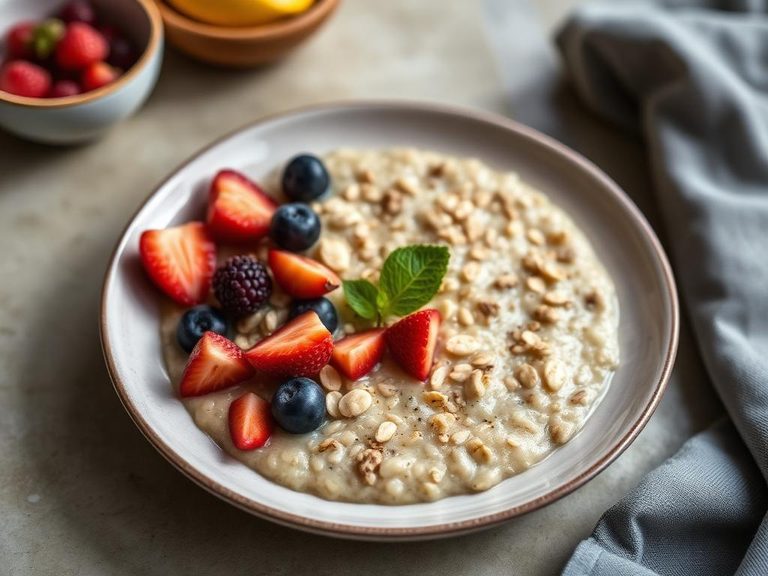
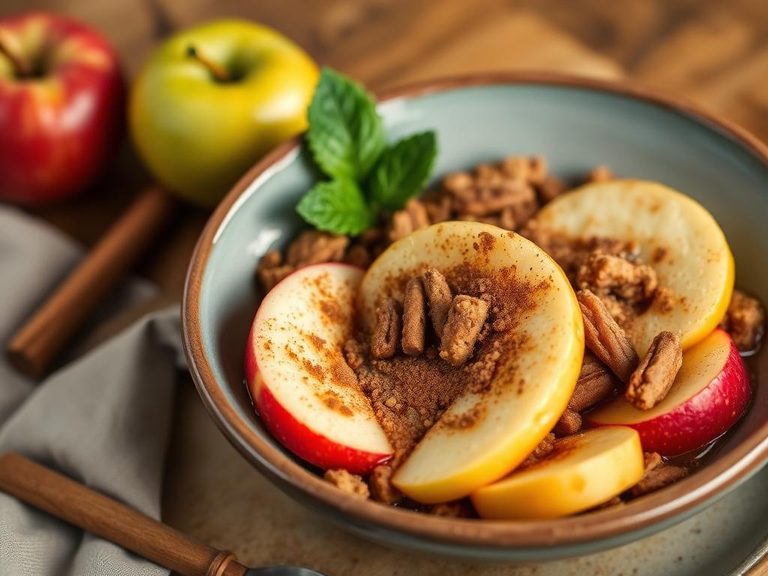
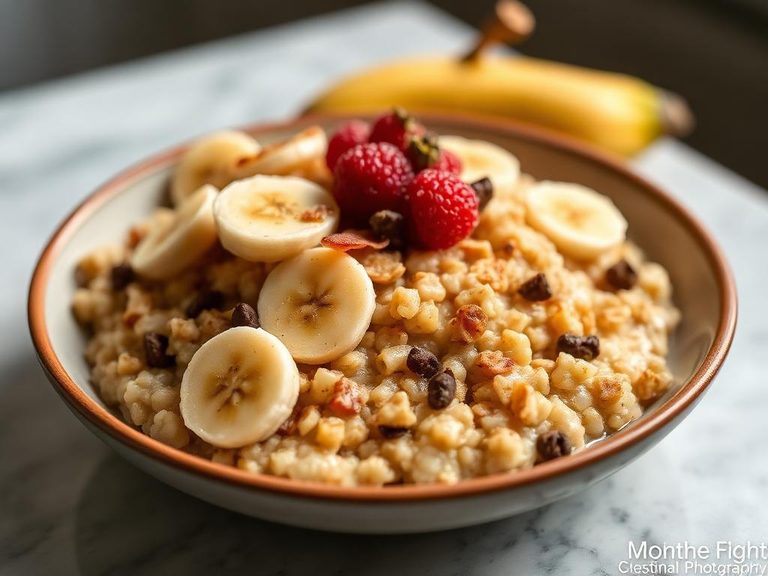
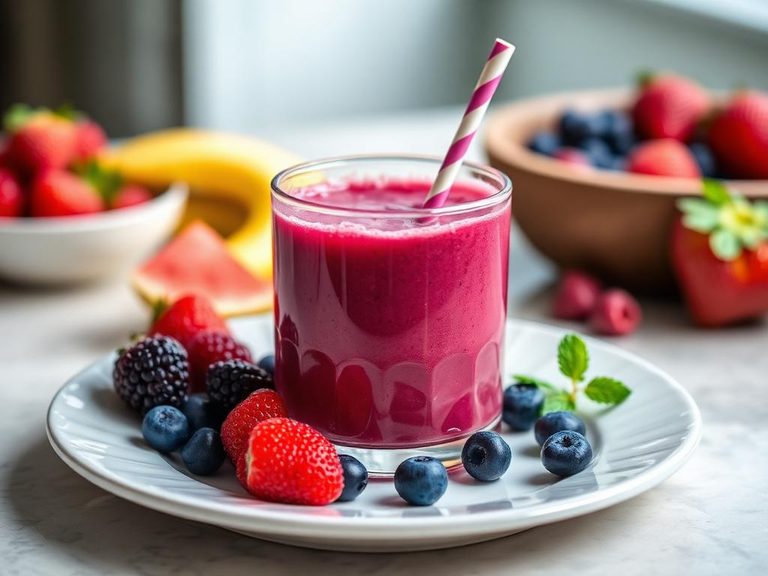
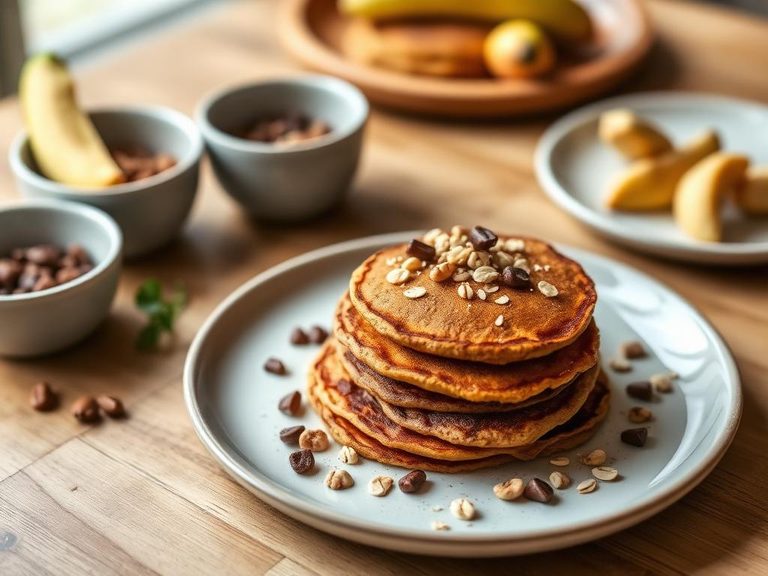
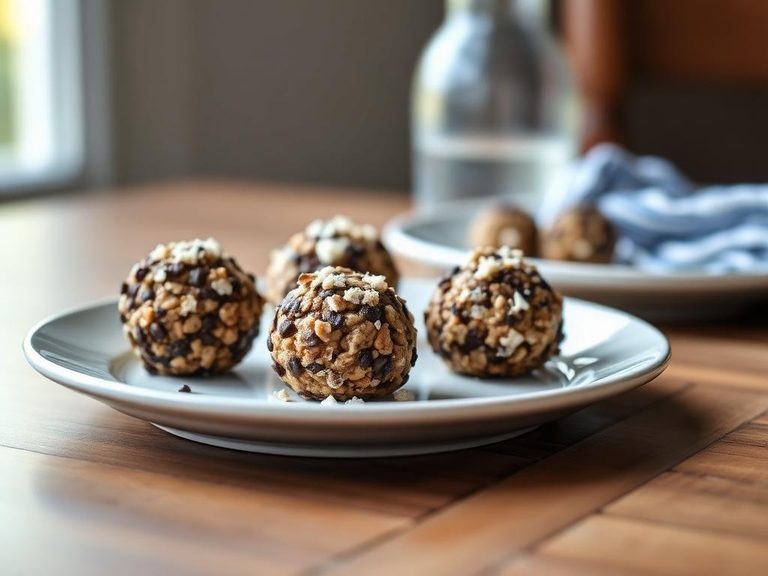
🌍 Where it's eaten
💡 Did you know?
The process of making this cereal often involves 'extrusion,' where the oat mixture is cooked under high pressure and forced through a die, which instantly puffs and dries it into the fine flakes or powder you see in the box.
Full nutrition (USDA data · scales with serving)
| Water | 4.5 g |
| Energy | 392 kcal |
| Protein | 10.6 g |
| Total lipid (fat) | 6.1 g |
| Carbohydrate, by difference | 74.2 g |
| Fiber, total dietary | 7.4 g |
| Total Sugars | 13.4 g |
| Calcium, Ca | 1103 mg |
| Iron, Fe | 61.0 mg |
| Magnesium, Mg | 110 mg |
| Phosphorus, P | 484 mg |
| Potassium, K | 596 mg |
| Sodium, Na | 20.0 mg |
| Zinc, Zn | 12.1 mg |
| Copper, Cu | 0.42 mg |
| Selenium, Se | 22.4 ug |
| Vitamin C, total ascorbic acid | 55.7 mg |
| Thiamin | 1.4 mg |
| Riboflavin | 1.5 mg |
| Niacin | 20.4 mg |
| Vitamin B-6 | 0.83 mg |
| Folate, total | 235 ug |
| Folic acid | 201 ug |
| Folate, food | 34.0 ug |
| Folate, DFE | 377 ug |
| Choline, total | 26.6 mg |
| Vitamin B-12 | 0.76 ug |
| Vitamin B-12, added | 0.76 ug |
| Vitamin A, RAE | 1.0 ug |
| Retinol | 0.00 ug |
| Carotene, beta | 5.0 ug |
| Carotene, alpha | 5.0 ug |
| Cryptoxanthin, beta | 0.00 ug |
| Lycopene | 0.00 ug |
| Lutein + zeaxanthin | 180 ug |
| Vitamin E (alpha-tocopherol) | 11.6 mg |
| Vitamin E, added | 11.2 mg |
| Vitamin D (D2 + D3) | 12.1 ug |
| Vitamin K (phylloquinone) | 1.4 ug |
| Alcohol, ethyl | 0.00 g |
| Caffeine | 0.00 mg |
| Theobromine | 0.00 mg |
Fat & fatty acid profile (per 100g)
| Fatty acids, total saturated | 0.83 g |
| SFA 4:0 | 0.00 g |
| SFA 6:0 | 0.00 g |
| SFA 8:0 | 0.00 g |
| SFA 10:0 | 0.00 g |
| SFA 12:0 | 0.00 g |
| SFA 14:0 | 0.01 g |
| SFA 16:0 | 0.73 g |
| SFA 18:0 | 0.06 g |
| Fatty acids, total monounsaturated | 1.5 g |
| MUFA 16:1 | 0.01 g |
| MUFA 18:1 | 1.4 g |
| MUFA 20:1 | 0.03 g |
| MUFA 22:1 | 0.00 g |
| Fatty acids, total polyunsaturated | 1.7 g |
| PUFA 18:2 | 1.6 g |
| PUFA 18:3 | 0.06 g |
| PUFA 18:4 | 0.00 g |
| PUFA 20:4 | 0.00 g |
| PUFA 20:5 n-3 (EPA) | 0.00 g |
| PUFA 22:5 n-3 (DPA) | 0.00 g |
| PUFA 22:6 n-3 (DHA) | 0.00 g |
| Cholesterol | 0.00 mg |
Amino acid profile (per 100g)
Estimated from Babyfood, dinner, chicken stew, toddler — USDA does not publish this profile for Baby Toddler cereal.
| Tryptophan | 0.06 g |
| Threonine | 0.22 g |
| Isoleucine | 0.26 g |
| Leucine | 0.41 g |
| Lysine | 0.41 g |
| Methionine | 0.11 g |
| Cystine | 0.05 g |
| Phenylalanine | 0.21 g |
| Tyrosine | 0.17 g |
| Valine | 0.29 g |
| Arginine | 0.33 g |
| Histidine | 0.13 g |
| Alanine | 0.30 g |
| Aspartic acid | 0.47 g |
| Glutamic acid | 0.90 g |
| Glycine | 0.29 g |
| Proline | 0.35 g |
| Serine | 0.21 g |
FAQ
Is this the same as regular oatmeal?
No. Baby/toddler cereal is typically more finely milled for easier digestion, often pre-cooked and dried, and fortified with specific nutrients like iron and zinc. Regular oatmeal (rolled or steel-cut) is less processed and has a coarser texture.
Can I use this in baking?
Absolutely! It can be used as a partial flour substitute in muffins, pancakes, or cookies to add fiber and nutrients. It will absorb more liquid than regular flour, so adjust your recipe accordingly.
How long does the prepared cereal last?
Once mixed, it should be served immediately or refrigerated and used within 24 hours. Discard any uneaten portion from the baby's bowl to prevent bacterial growth.
Nutrient density (calculated · NRF9.3)
Nutrient Rich Foods index: beneficial nutrients (protein, fiber, vitamins, minerals) minus saturated fat, added sugar & sodium, per 100 kcal.
NRF9.3 index — Fulgoni, Keast & Drewnowski, 2009. Computed from USDA nutrients.
Weight-loss friendliness (composite index)
Energy density 3.92 kcal/g · 11% calories from protein · 7.4 g fiber · 13.4 g sugar per 100 g.
Composite of energy density (Rolls et al., 1999), protein & fiber satiety, minus sugar. A calculated heuristic — ranks satiety-per-calorie, not a clinical measure.
Dietary load (calculated from USDA values)
Potential renal acid load. Positive = acid-forming, negative = alkaline-forming.
Sodium-to-potassium ratio: 0.03 (lower is better — aim for ≤ 1)
Sodium:potassium per WHO potassium guidance. Computed from USDA nutrients.