

Babyfood, cereal, oatmeal, with honey, dry
Whole food · Baby Foods

Photo: Wikipedia
This is a finely milled, dehydrated oatmeal powder designed for infant consumption, sweetened with a touch of honey. It has a mild, comforting oat flavor and a texture that transforms from a dry powder into a smooth, easily digestible paste when mixed with warm water, milk, or formula. Nutritionally, it's a concentrated source of energy and carbohydrates, providing a substantial calorie boost for growing babies.
Calorie split: 14% protein · 70% carbs · 16% fat
↓ Full nutrition💚 Why it's loved
Parents love it as a simple, reliable first food that's easy to prepare and generally well-accepted by babies. Its mild, slightly sweet oat taste is a gentle introduction to solid foods and can be easily customized with fruit or vegetable purees.
⚠️ Watch-outs & how to enjoy it better
The honey content, while minimal, means it is not suitable for infants under 12 months due to the risk of botulism. The high carbohydrate-to-fiber ratio (0g fiber) can cause rapid blood sugar spikes if not balanced. To counteract this, always mix it with a source of protein (like breast milk or formula) and fat (like a swirl of nut butter for older babies), and pair it with a fiber-rich fruit puree.
Key benefits
- Excellent source of quick energy from complex carbohydrates
- Provides a good amount of plant-based protein for growth
- Iron-fortified to support cognitive development
- Easy to digest for sensitive infant tummies
- Convenient, shelf-stable base for adding purees
🍽️ Popular dishes
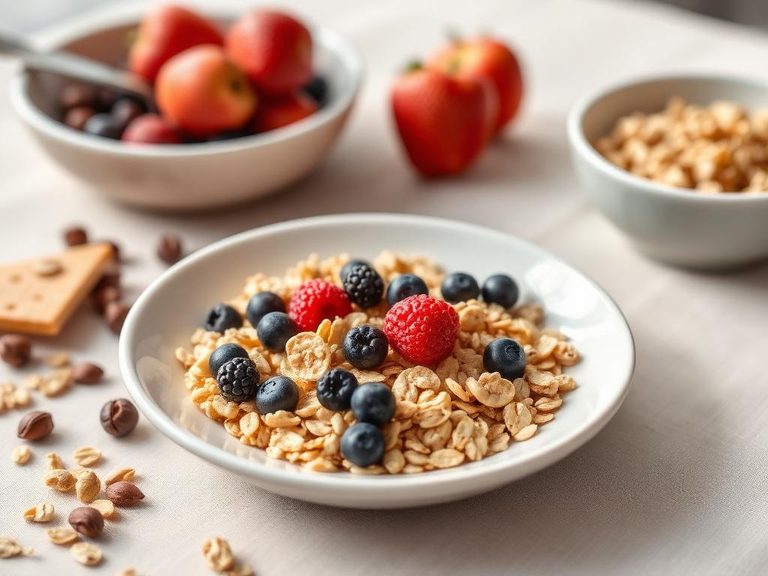
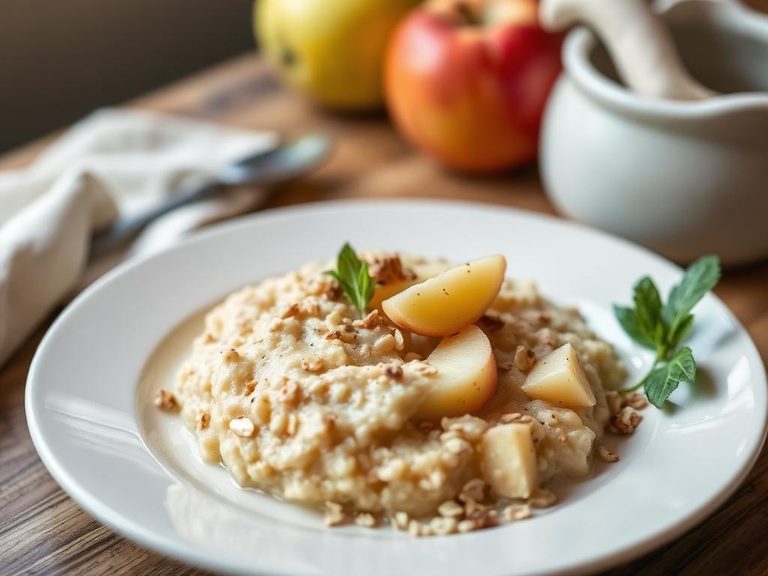
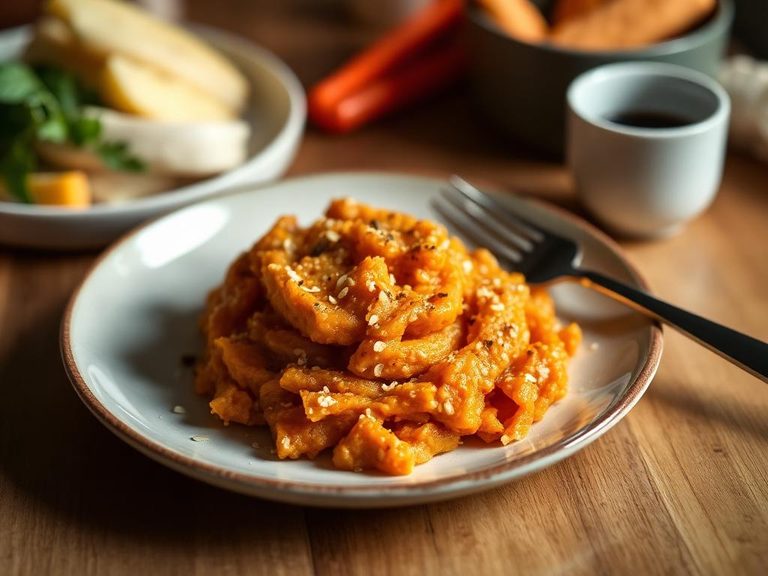
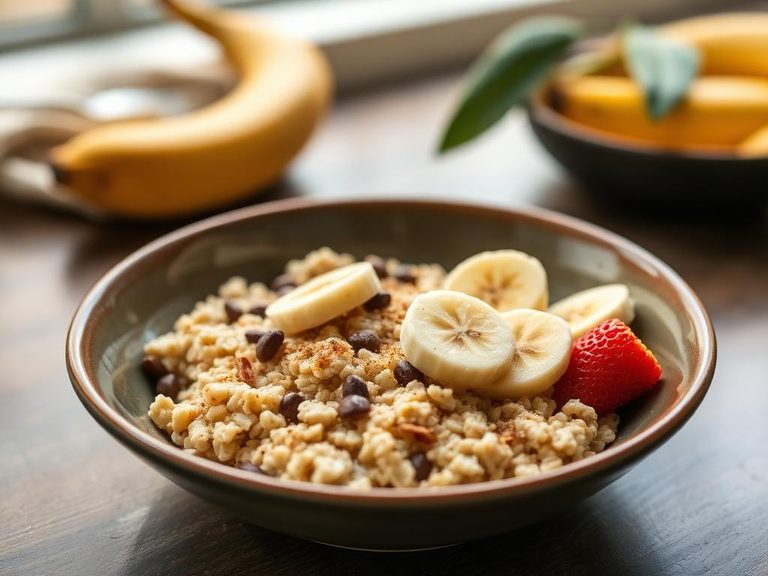
🌍 Where it's eaten
💡 Did you know?
The inclusion of honey in dry baby cereals is a relatively modern marketing choice; traditional homemade infant cereals used only grains and water or breast milk.
Full nutrition (USDA data · scales with serving)
| Water | 5.8 g |
| Energy | 391 kcal |
| Energy | 1636 kj |
| Protein | 13.5 g |
| Total lipid (fat) | 7.0 g |
| Ash | 4.4 g |
| Carbohydrate, by difference | 69.3 g |
| Calcium, Ca | 1154 mg |
| Iron, Fe | 67.2 mg |
| Magnesium, Mg | 146 mg |
| Phosphorus, P | 733 mg |
| Potassium, K | 259 mg |
| Sodium, Na | 47.0 mg |
| Zinc, Zn | 3.7 mg |
| Copper, Cu | 0.53 mg |
| Selenium, Se | 36.4 ug |
| Vitamin C, total ascorbic acid | 0.00 mg |
| Thiamin | 2.8 mg |
| Riboflavin | 2.8 mg |
| Niacin | 36.3 mg |
| Pantothenic acid | 1.5 mg |
| Vitamin B-6 | 0.15 mg |
| Folate, total | 35.0 ug |
| Folic acid | 0.00 ug |
| Folate, food | 35.0 ug |
| Folate, DFE | 35.0 ug |
| Vitamin B-12 | 0.00 ug |
| Vitamin A, RAE | 1.0 ug |
| Retinol | 0.00 ug |
| Vitamin A, IU | 23.0 iu |
Fat & fatty acid profile (per 100g)
Estimated from Babyfood, grape juice, no sugar, canned — USDA does not publish this profile for Babyfood.
| Fatty acids, total saturated | 0.00 g |
| SFA 4:0 | 0.00 g |
| SFA 6:0 | 0.00 g |
| SFA 8:0 | 0.00 g |
| SFA 10:0 | 0.00 g |
| SFA 12:0 | 0.00 g |
| SFA 14:0 | 0.00 g |
| SFA 16:0 | 0.00 g |
| SFA 18:0 | 0.00 g |
| Fatty acids, total monounsaturated | 0.00 g |
| MUFA 16:1 | 0.00 g |
| MUFA 18:1 | 0.00 g |
| MUFA 20:1 | 0.00 g |
| MUFA 22:1 | 0.00 g |
| Fatty acids, total polyunsaturated | 0.00 g |
| PUFA 18:2 | 0.00 g |
| PUFA 18:3 | 0.00 g |
| PUFA 18:4 | 0.00 g |
| PUFA 20:4 | 0.00 g |
| PUFA 20:5 n-3 (EPA) | 0.00 g |
| PUFA 22:5 n-3 (DPA) | 0.00 g |
| PUFA 22:6 n-3 (DHA) | 0.00 g |
| Cholesterol | 0.00 mg |
Amino acid profile (per 100g)
Estimated from Babyfood, grape juice, no sugar, canned — USDA does not publish this profile for Babyfood.
| Threonine | 0.02 g |
| Isoleucine | 0.01 g |
| Leucine | 0.02 g |
| Lysine | 0.02 g |
| Methionine | 0.03 g |
| Cystine | 0.01 g |
| Phenylalanine | 0.02 g |
| Tyrosine | 0.02 g |
| Valine | 0.02 g |
| Arginine | 0.06 g |
| Histidine | 0.03 g |
| Alanine | 0.04 g |
| Aspartic acid | 0.10 g |
| Glutamic acid | 0.18 g |
| Glycine | 0.03 g |
| Proline | 0.03 g |
| Serine | 0.04 g |
FAQ
Why does it have 0g of sugar listed if it contains honey?
Nutrition labels often round down values below 0.5g per serving. The honey provides a small amount of natural sugar, but it's minimal enough to be listed as 0g on the standard nutrition facts panel.
Can I make this cereal from scratch at home?
Yes. You can grind plain rolled oats into a fine powder using a blender or food processor. Cook it with water, milk, or formula. For babies over 1, you can stir in a tiny amount of honey for sweetness.
Is the oatmeal a common allergen?
Oats are naturally gluten-free but are often processed in facilities that handle wheat. For a baby with a confirmed gluten allergy or celiac disease, look for a certified gluten-free oatmeal cereal to avoid cross-contamination.
Nutrient density (calculated · NRF9.3)
Nutrient Rich Foods index: beneficial nutrients (protein, fiber, vitamins, minerals) minus saturated fat, added sugar & sodium, per 100 kcal.
NRF9.3 index — Fulgoni, Keast & Drewnowski, 2009. Computed from USDA nutrients.
Weight-loss friendliness (composite index)
Energy density 3.91 kcal/g · 14% calories from protein · 0.0 g fiber · 0.0 g sugar per 100 g.
Composite of energy density (Rolls et al., 1999), protein & fiber satiety, minus sugar. A calculated heuristic — ranks satiety-per-calorie, not a clinical measure.
Dietary load (calculated from USDA values)
Potential renal acid load. Positive = acid-forming, negative = alkaline-forming.
Sodium-to-potassium ratio: 0.18 (lower is better — aim for ≤ 1)
Sodium:potassium per WHO potassium guidance. Computed from USDA nutrients.