

Apple, dried
Common food

Photo: Wikipedia
Dried apple is a chewy, intensely sweet snack made by dehydrating fresh apples, concentrating their natural sugars and flavors into a dense, leathery texture. It offers a satisfying, candy-like sweetness with a subtle tartness and provides a significant source of dietary fiber, particularly pectin, which aids in digestion.
Calorie split: 1% protein · 98% carbs · 1% fat
↓ Full nutrition💚 Why it's loved
People love it for its intense, concentrated apple flavor that's both sweet and slightly tart, making it a perfect on-the-go snack or trail mix component. Its chewy texture and natural sweetness also make it a beloved ingredient in baking and a healthier alternative to candy.
⚠️ Watch-outs & how to enjoy it better
The high sugar content (57g per 100g) can cause rapid blood-sugar spikes, which is a concern for diabetics or those monitoring glucose levels. To counteract this, pair a small portion with a protein or fat source like nuts or cheese to slow sugar absorption, and practice strict portion control.
Key benefits
- Excellent source of dietary fiber (8.7g per 100g)
- Provides a quick, portable energy boost
- Contains antioxidants like quercetin and catechin
- Naturally fat-free and cholesterol-free
- Long shelf life for convenient storage
🍽️ Popular dishes

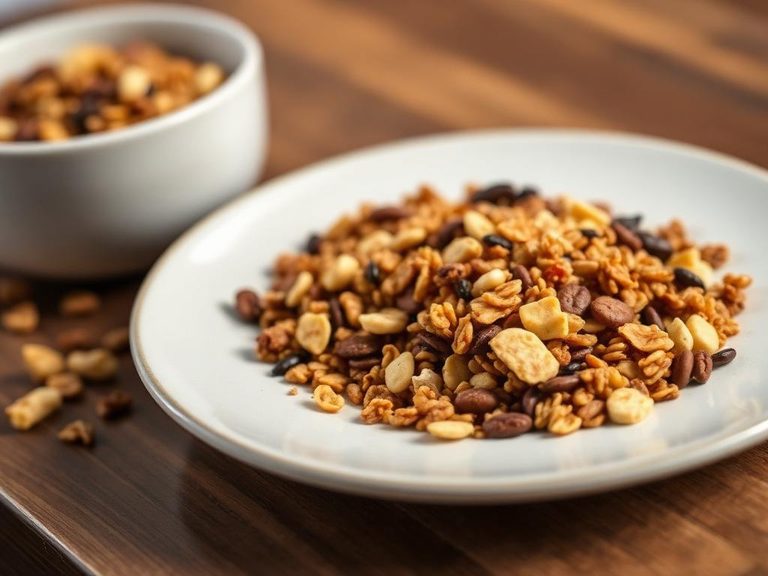

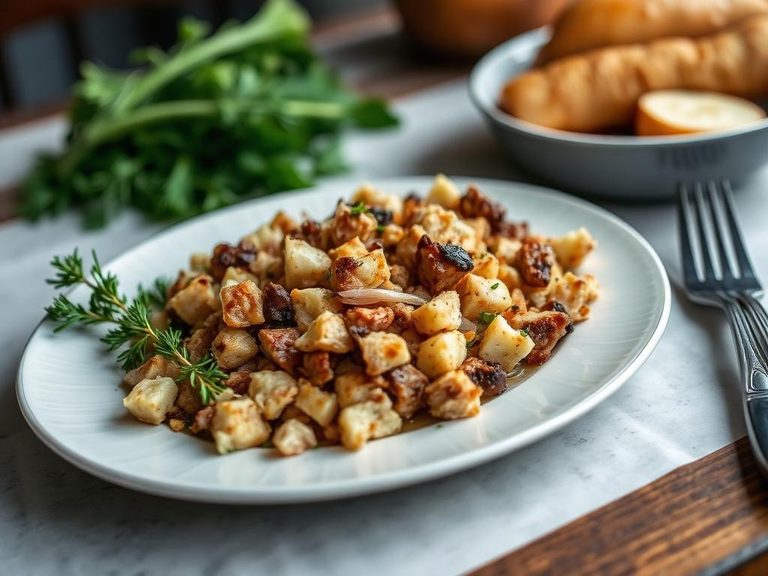
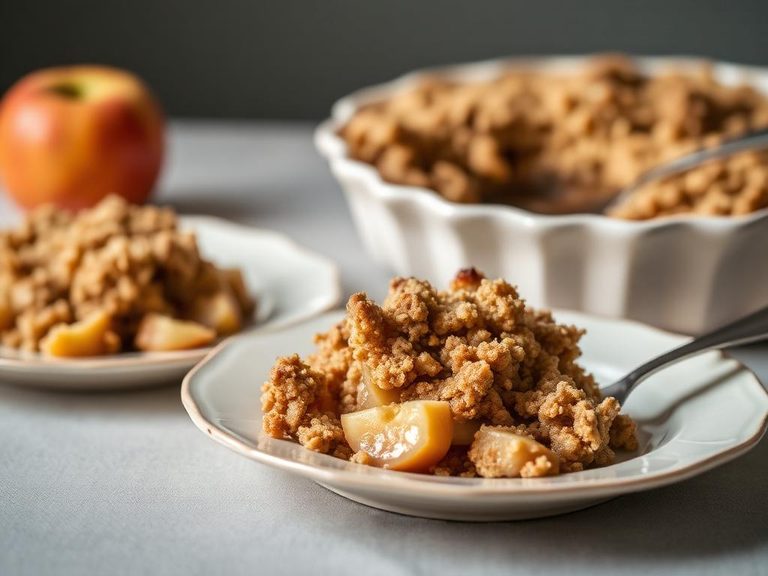
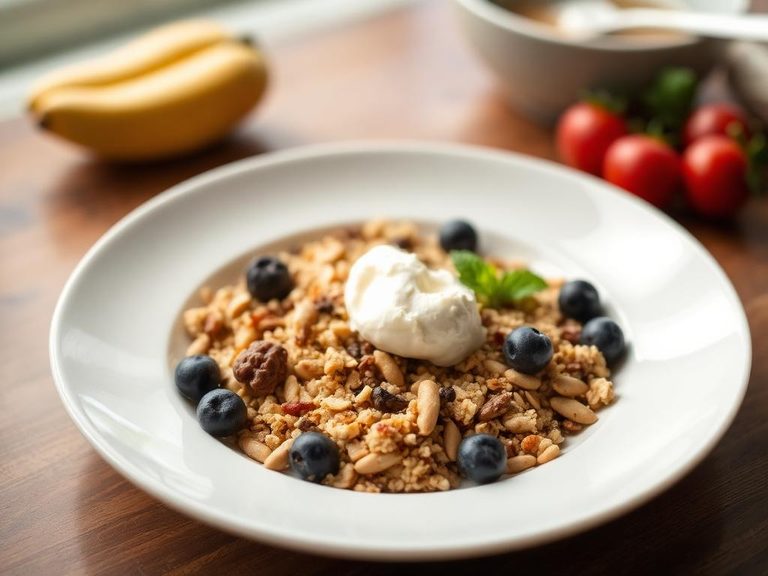
🌍 Where it's eaten
💡 Did you know?
Dried apples were a staple food for early American pioneers and on long sea voyages because they could last for years without spoiling, unlike fresh fruit.
Full nutrition (USDA data · scales with serving)
| Water | 31.8 g |
| Energy | 243 kcal |
| Protein | 0.93 g |
| Total lipid (fat) | 0.32 g |
| Carbohydrate, by difference | 65.9 g |
| Fiber, total dietary | 8.7 g |
| Total Sugars | 57.2 g |
| Calcium, Ca | 14.0 mg |
| Iron, Fe | 1.4 mg |
| Magnesium, Mg | 16.0 mg |
| Phosphorus, P | 38.0 mg |
| Potassium, K | 450 mg |
| Sodium, Na | 87.0 mg |
| Zinc, Zn | 0.20 mg |
| Copper, Cu | 0.19 mg |
| Selenium, Se | 1.3 ug |
| Vitamin C, total ascorbic acid | 3.9 mg |
| Thiamin | 0.00 mg |
| Riboflavin | 0.16 mg |
| Niacin | 0.93 mg |
| Vitamin B-6 | 0.13 mg |
| Folate, total | 0.00 ug |
| Folic acid | 0.00 ug |
| Folate, food | 0.00 ug |
| Folate, DFE | 0.00 ug |
| Choline, total | 17.6 mg |
| Vitamin B-12 | 0.00 ug |
| Vitamin B-12, added | 0.00 ug |
| Vitamin A, RAE | 0.00 ug |
| Retinol | 0.00 ug |
| Carotene, beta | 0.00 ug |
| Carotene, alpha | 0.00 ug |
| Cryptoxanthin, beta | 0.00 ug |
| Lycopene | 0.00 ug |
| Lutein + zeaxanthin | 18.0 ug |
| Vitamin E (alpha-tocopherol) | 0.53 mg |
| Vitamin E, added | 0.00 mg |
| Vitamin D (D2 + D3) | 0.00 ug |
| Vitamin K (phylloquinone) | 3.0 ug |
| Alcohol, ethyl | 0.00 g |
| Caffeine | 0.00 mg |
| Theobromine | 0.00 mg |
Fat & fatty acid profile (per 100g)
| Fatty acids, total saturated | 0.05 g |
| SFA 4:0 | 0.00 g |
| SFA 6:0 | 0.00 g |
| SFA 8:0 | 0.00 g |
| SFA 10:0 | 0.00 g |
| SFA 12:0 | 0.00 g |
| SFA 14:0 | 0.00 g |
| SFA 16:0 | 0.04 g |
| SFA 18:0 | 0.01 g |
| Fatty acids, total monounsaturated | 0.01 g |
| MUFA 16:1 | 0.00 g |
| MUFA 18:1 | 0.01 g |
| MUFA 20:1 | 0.00 g |
| MUFA 22:1 | 0.00 g |
| Fatty acids, total polyunsaturated | 0.09 g |
| PUFA 18:2 | 0.08 g |
| PUFA 18:3 | 0.02 g |
| PUFA 18:4 | 0.00 g |
| PUFA 20:4 | 0.00 g |
| PUFA 20:5 n-3 (EPA) | 0.00 g |
| PUFA 22:5 n-3 (DPA) | 0.00 g |
| PUFA 22:6 n-3 (DHA) | 0.00 g |
| Cholesterol | 0.00 mg |
Amino acid profile (per 100g)
Estimated from Pie, Dutch Apple, Commercially Prepared — USDA does not publish this profile for Apple.
| Tryptophan | 0.03 g |
| Threonine | 0.06 g |
| Isoleucine | 0.08 g |
| Leucine | 0.16 g |
| Lysine | 0.04 g |
| Methionine | 0.05 g |
| Cystine | 0.06 g |
| Phenylalanine | 0.10 g |
| Tyrosine | 0.05 g |
| Valine | 0.10 g |
| Arginine | 0.08 g |
| Histidine | 0.05 g |
| Alanine | 0.07 g |
| Aspartic acid | 0.12 g |
| Glutamic acid | 0.74 g |
| Glycine | 0.08 g |
| Proline | 0.25 g |
| Serine | 0.10 g |
FAQ
Are dried apples as healthy as fresh apples?
Dried apples retain most of the fiber and antioxidants of fresh apples, but the dehydration process concentrates the sugars and calories, making them much more energy-dense. They lack the high water content of fresh apples.
How should I store dried apples to keep them fresh?
Store them in an airtight container in a cool, dark place like a pantry for up to 6 months. For longer storage, keep them in the freezer, where they can last for over a year.
Can I rehydrate dried apples?
Yes, you can soak them in hot water, juice, or alcohol for 15-30 minutes to soften them for use in baking or cooking. They won't return to their original fresh texture but become plump and juicy.
Nutrient density (calculated · NRF9.3)
Nutrient Rich Foods index: beneficial nutrients (protein, fiber, vitamins, minerals) minus saturated fat, added sugar & sodium, per 100 kcal.
NRF9.3 index — Fulgoni, Keast & Drewnowski, 2009. Computed from USDA nutrients.
Weight-loss friendliness (composite index)
Energy density 2.43 kcal/g · 2% calories from protein · 8.7 g fiber · 57.2 g sugar per 100 g.
Composite of energy density (Rolls et al., 1999), protein & fiber satiety, minus sugar. A calculated heuristic — ranks satiety-per-calorie, not a clinical measure.
Dietary load (calculated from USDA values)
Potential renal acid load. Positive = acid-forming, negative = alkaline-forming.
Sodium-to-potassium ratio: 0.19 (lower is better — aim for ≤ 1)
Sodium:potassium per WHO potassium guidance. Computed from USDA nutrients.