

Almond butter, lower sodium
Common food

Photo: Wikipedia
Lower sodium almond butter is a rich, creamy paste made from finely ground roasted almonds with a reduced salt content. It offers a deep, nutty flavor and a smooth, spreadable texture that's slightly less salty than standard varieties. Nutritionally, it's a powerhouse of healthy monounsaturated fats, plant-based protein, and fiber.
Calorie split: 13% protein · 13% carbs · 74% fat
↓ Full nutrition💚 Why it's loved
People adore its luxuriously smooth, rich mouthfeel and versatile, deep nutty flavor that elevates both sweet and savory dishes. It's a beloved staple in health-conscious and culinary circles for its ability to add satisfying creaminess and nutrition.
⚠️ Watch-outs & how to enjoy it better
Due to its high calorie and fat density, overconsumption can hinder weight management goals. Those with tree nut allergies must avoid it entirely. To counteract, practice strict portion control (1-2 tablespoons) and use it as a nutrient-dense topping or ingredient rather than a standalone snack.
Key benefits
- Excellent source of heart-healthy monounsaturated fats
- High in plant-based protein for satiety and muscle support
- Rich in fiber to aid digestion and promote fullness
- Good source of vitamin E, an antioxidant that protects cells
- Contains magnesium for bone health and energy production
🍽️ Popular dishes

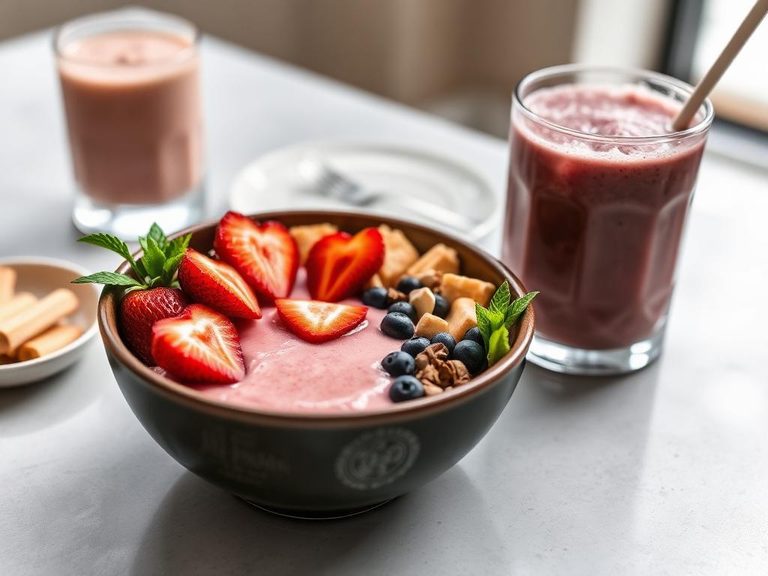
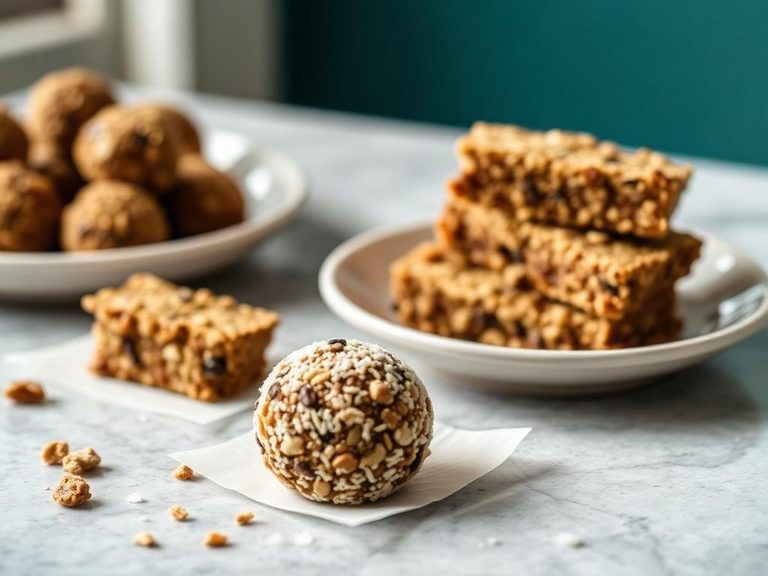
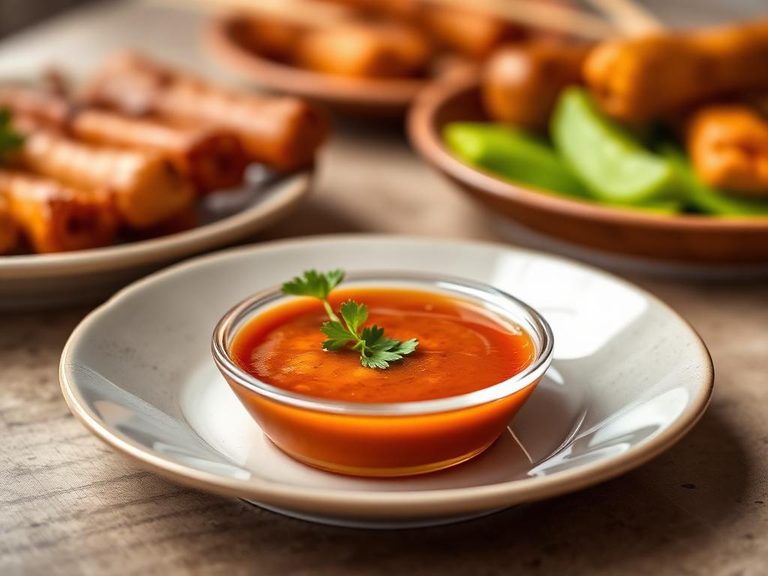
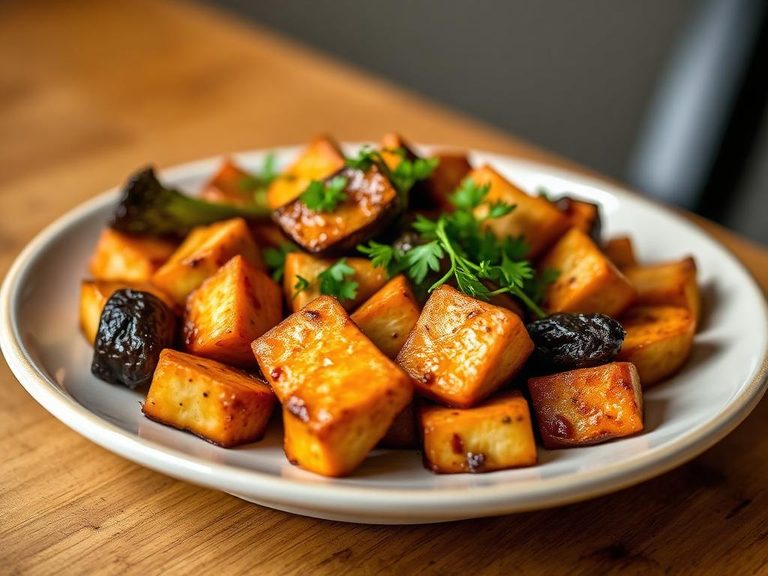
🌍 Where it's eaten
💡 Did you know?
Almonds are technically not nuts but seeds from the fruit of a tree in the same family as peaches and plums.
Full nutrition (USDA data · scales with serving)
| Water | 1.8 g |
| Energy | 645 kcal |
| Protein | 20.8 g |
| Total lipid (fat) | 53.0 g |
| Carbohydrate, by difference | 21.2 g |
| Fiber, total dietary | 9.7 g |
| Total Sugars | 4.4 g |
| Calcium, Ca | 264 mg |
| Iron, Fe | 4.1 mg |
| Magnesium, Mg | 268 mg |
| Phosphorus, P | 507 mg |
| Potassium, K | 745 mg |
| Sodium, Na | 1.0 mg |
| Zinc, Zn | 3.2 mg |
| Copper, Cu | 0.97 mg |
| Selenium, Se | 0.80 ug |
| Vitamin C, total ascorbic acid | 0.00 mg |
| Thiamin | 0.10 mg |
| Riboflavin | 0.94 mg |
| Niacin | 3.9 mg |
| Vitamin B-6 | 0.08 mg |
| Folate, total | 42.0 ug |
| Folic acid | 0.00 ug |
| Folate, food | 42.0 ug |
| Folate, DFE | 42.0 ug |
| Choline, total | 52.1 mg |
| Vitamin B-12 | 0.00 ug |
| Vitamin B-12, added | 0.00 ug |
| Vitamin A, RAE | 0.00 ug |
| Retinol | 0.00 ug |
| Carotene, beta | 1.0 ug |
| Carotene, alpha | 0.00 ug |
| Cryptoxanthin, beta | 0.00 ug |
| Lycopene | 0.00 ug |
| Lutein + zeaxanthin | 1.0 ug |
| Vitamin E (alpha-tocopherol) | 16.7 mg |
| Vitamin E, added | 0.00 mg |
| Vitamin D (D2 + D3) | 0.00 ug |
| Vitamin K (phylloquinone) | 0.00 ug |
| Alcohol, ethyl | 0.00 g |
| Caffeine | 0.00 mg |
| Theobromine | 0.00 mg |
Fat & fatty acid profile (per 100g)
| Fatty acids, total saturated | 4.3 g |
| SFA 4:0 | 0.00 g |
| SFA 6:0 | 0.00 g |
| SFA 8:0 | 0.00 g |
| SFA 10:0 | 0.00 g |
| SFA 12:0 | 0.00 g |
| SFA 14:0 | 0.01 g |
| SFA 16:0 | 3.3 g |
| SFA 18:0 | 0.82 g |
| Fatty acids, total monounsaturated | 34.7 g |
| MUFA 16:1 | 0.25 g |
| MUFA 18:1 | 34.3 g |
| MUFA 20:1 | 0.02 g |
| MUFA 22:1 | 0.00 g |
| Fatty acids, total polyunsaturated | 12.6 g |
| PUFA 18:2 | 12.6 g |
| PUFA 18:3 | 0.01 g |
| PUFA 18:4 | 0.00 g |
| PUFA 20:4 | 0.00 g |
| PUFA 20:5 n-3 (EPA) | 0.00 g |
| PUFA 22:5 n-3 (DPA) | 0.00 g |
| PUFA 22:6 n-3 (DHA) | 0.00 g |
| Cholesterol | 0.00 mg |
Amino acid profile (per 100g)
Estimated from Nuts, almond butter, plain, without salt added — USDA does not publish this profile for Almond butter.
| Tryptophan | 0.16 g |
| Threonine | 0.56 g |
| Isoleucine | 0.81 g |
| Leucine | 1.5 g |
| Lysine | 0.61 g |
| Methionine | 0.12 g |
| Cystine | 0.24 g |
| Phenylalanine | 1.1 g |
| Tyrosine | 0.59 g |
| Valine | 0.94 g |
| Arginine | 2.4 g |
| Histidine | 0.55 g |
| Alanine | 0.99 g |
| Aspartic acid | 2.4 g |
| Glutamic acid | 5.9 g |
| Glycine | 1.5 g |
| Proline | 0.92 g |
| Serine | 0.93 g |
FAQ
Is lower sodium almond butter healthier than regular?
Yes, it contains less added salt, which is beneficial for managing blood pressure and overall sodium intake, while retaining the same core nutrients.
Why does the oil separate in natural almond butter?
This is normal. Without stabilizers, the natural almond oil rises to the top. Simply stir it back in before use.
Can I use it in baking?
Absolutely. It can replace other nut butters or fats in many recipes, adding moisture, protein, and a rich nutty flavor to cookies, brownies, and muffins.
Nutrient density (calculated · NRF9.3)
Nutrient Rich Foods index: beneficial nutrients (protein, fiber, vitamins, minerals) minus saturated fat, added sugar & sodium, per 100 kcal.
NRF9.3 index — Fulgoni, Keast & Drewnowski, 2009. Computed from USDA nutrients.
Weight-loss friendliness (composite index)
Energy density 6.45 kcal/g · 13% calories from protein · 9.7 g fiber · 4.4 g sugar per 100 g.
Composite of energy density (Rolls et al., 1999), protein & fiber satiety, minus sugar. A calculated heuristic — ranks satiety-per-calorie, not a clinical measure.
Dietary load (calculated from USDA values)
Potential renal acid load. Positive = acid-forming, negative = alkaline-forming.
Sodium-to-potassium ratio: 0.00 (lower is better — aim for ≤ 1)
Sodium:potassium per WHO potassium guidance. Computed from USDA nutrients.