

Agave, cooked (Southwest)
Whole food · American Indian/Alaska Native Foods

Photo: Wikipedia
Cooked agave, often from the thick, fleshy leaves of the desert plant, transforms into a tender, slightly chewy morsel with a mild, sweet, and subtly vegetal flavor reminiscent of artichoke heart. Its texture softens significantly with cooking, becoming succulent and absorbent. Nutritionally, it's a notable source of dietary fiber, providing over a third of its weight in this gut-friendly nutrient.
Calorie split: 3% protein · 95% carbs · 2% fat
↓ Full nutrition💚 Why it's loved
People love cooked agave for its unique, versatile texture that readily absorbs savory sauces and spices, making it a staple in hearty stews and braises. It's deeply embedded in Southwestern and Mexican culinary traditions, often associated with rustic, comforting home cooking.
⚠️ Watch-outs & how to enjoy it better
Its high natural sugar content (20.87g per 100g) can cause rapid blood sugar spikes, making it a concern for diabetics or those monitoring glycemic response. To mitigate this, always pair it with a source of protein (like beans or meat) or healthy fat (like avocado or cheese) to slow sugar absorption. Portion control is also key.
Key benefits
- Excellent source of dietary fiber (10.6g per 100g)
- Very low in fat (0.29g per 100g)
- Provides a moderate amount of natural sugars for energy
- Contains prebiotic compounds that may support gut health
- Used in traditional medicine for various ailments
🍽️ Popular dishes
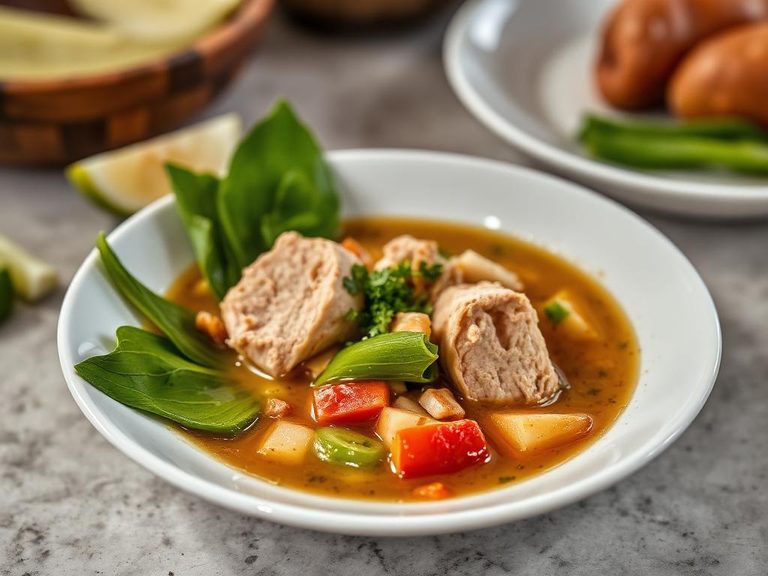

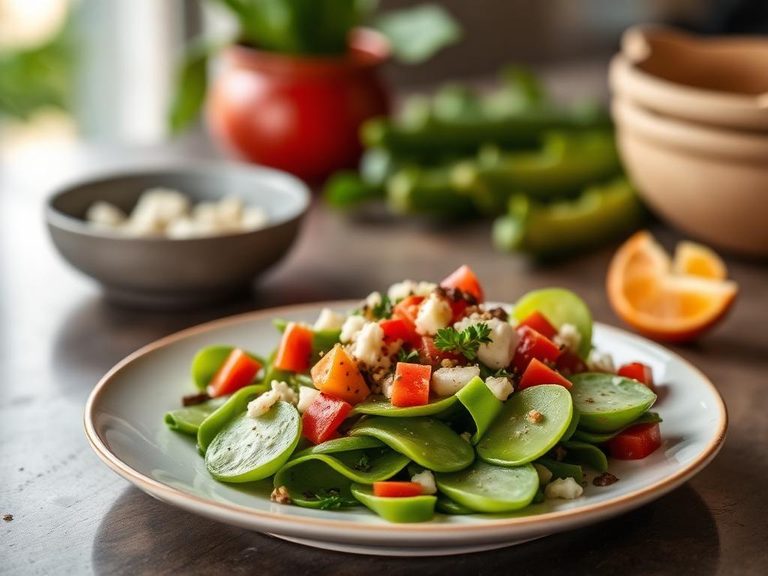
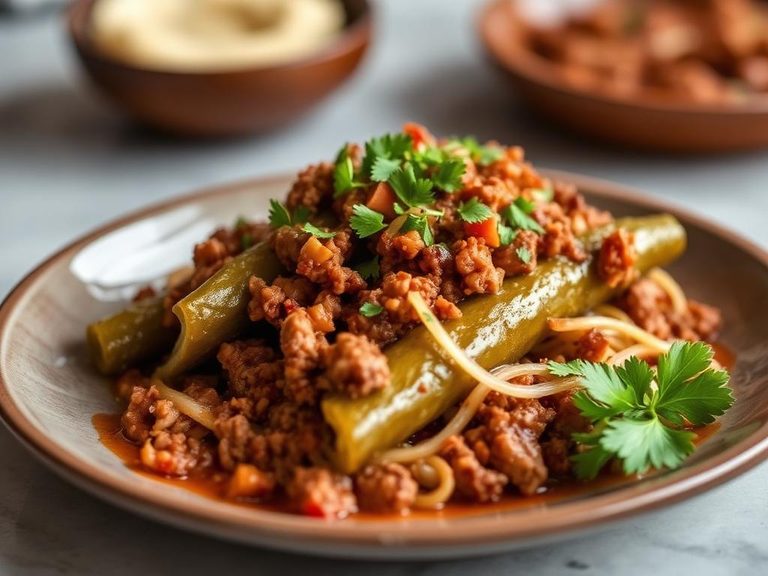
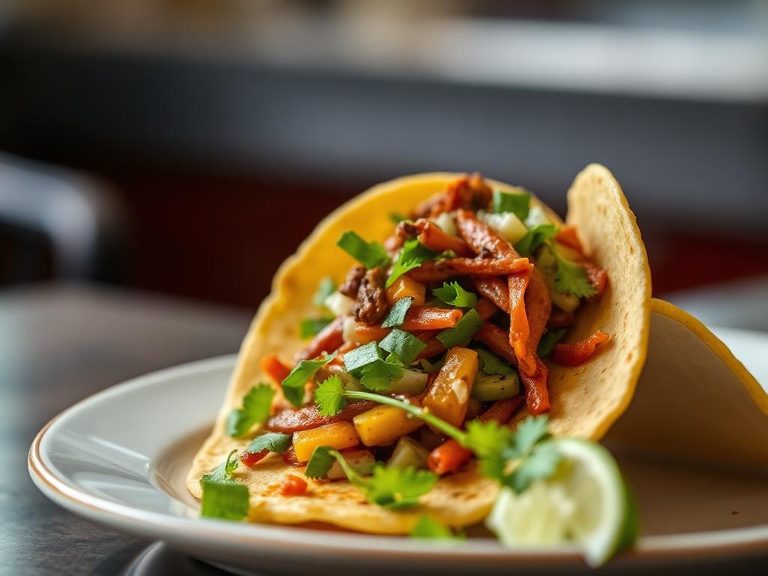
🌍 Where it's eaten
💡 Did you know?
The agave plant used for food (often called nopal) is the same genus as the plant used to produce tequila and mezcal, but different species are cultivated for each purpose.
Full nutrition (USDA data · scales with serving)
| Water | 65.4 g |
| Energy | 135 kcal |
| Energy | 563 kj |
| Protein | 0.99 g |
| Total lipid (fat) | 0.29 g |
| Ash | 1.3 g |
| Carbohydrate, by difference | 32.0 g |
| Fiber, total dietary | 10.6 g |
| Total Sugars | 20.9 g |
| Sucrose | 1.7 g |
| Glucose | 1.6 g |
| Fructose | 17.6 g |
| Lactose | 0.00 g |
| Maltose | 0.00 g |
| Galactose | 0.00 g |
| Starch | 0.24 g |
| Calcium, Ca | 460 mg |
| Iron, Fe | 3.5 mg |
| Magnesium, Mg | 39.0 mg |
| Phosphorus, P | 9.0 mg |
| Potassium, K | 59.0 mg |
| Sodium, Na | 13.0 mg |
| Zinc, Zn | 0.25 mg |
| Copper, Cu | 0.11 mg |
| Manganese, Mn | 0.14 mg |
| Selenium, Se | 0.20 ug |
| Vitamin C, total ascorbic acid | 0.30 mg |
| Thiamin | 0.01 mg |
| Riboflavin | 0.10 mg |
| Niacin | 0.16 mg |
| Pantothenic acid | 0.04 mg |
| Vitamin B-6 | 0.09 mg |
| Folate, total | 3.0 ug |
| Folic acid | 0.00 ug |
| Folate, food | 3.0 ug |
| Folate, DFE | 3.0 ug |
| Choline, total | 8.8 mg |
| Betaine | 0.40 mg |
| Vitamin B-12 | 0.00 ug |
| Vitamin B-12, added | 0.00 ug |
| Vitamin A, RAE | 6.0 ug |
| Retinol | 0.00 ug |
| Carotene, beta | 68.0 ug |
| Carotene, alpha | 0.00 ug |
| Cryptoxanthin, beta | 0.00 ug |
| Vitamin A, IU | 113 iu |
| Lycopene | 0.00 ug |
| Vitamin E (alpha-tocopherol) | 0.36 mg |
| Vitamin E, added | 0.00 mg |
| Tocopherol, beta | 0.00 mg |
| Tocopherol, gamma | 0.00 mg |
| Tocopherol, delta | 0.00 mg |
| Tocotrienol, alpha | 0.00 mg |
| Tocotrienol, beta | 0.00 mg |
| Tocotrienol, gamma | 0.00 mg |
| Tocotrienol, delta | 0.00 mg |
| Vitamin D (D2 + D3), International Units | 0.00 iu |
| Vitamin D (D2 + D3) | 0.00 ug |
| Vitamin K (phylloquinone) | 4.9 ug |
| Vitamin K (Dihydrophylloquinone) | 0.00 ug |
| Alcohol, ethyl | 0.00 g |
| Caffeine | 0.00 mg |
| Theobromine | 0.00 mg |
Fat & fatty acid profile (per 100g)
| Cholesterol | 0.00 mg |
Amino acid profile (per 100g)
Estimated from Agave, raw (Southwest) — USDA does not publish this profile for Agave.
| Tryptophan | 0.01 g |
| Threonine | 0.01 g |
| Isoleucine | 0.01 g |
| Leucine | 0.03 g |
| Lysine | 0.03 g |
| Methionine | 0.01 g |
| Cystine | 0.01 g |
| Phenylalanine | 0.02 g |
| Tyrosine | 0.01 g |
| Valine | 0.02 g |
| Arginine | 0.11 g |
| Histidine | 0.01 g |
| Alanine | 0.02 g |
| Aspartic acid | 0.04 g |
| Glutamic acid | 0.05 g |
| Glycine | 0.02 g |
| Proline | 0.01 g |
| Serine | 0.02 g |
FAQ
What does cooked agave taste like?
It has a mild, slightly sweet, and vegetal flavor, often compared to green beans or asparagus, with a tender, succulent texture that soaks up surrounding flavors.
Is cooked agave healthy?
It is an excellent source of fiber and low in fat, but its high natural sugar content means it should be eaten in moderation, especially by those managing blood sugar levels.
How is it different from raw agave?
Raw agave is very tough and fibrous. Cooking (boiling, grilling, or sautéing) breaks down the fibers, making it tender, palatable, and easier to digest.
Nutrient density (calculated · NRF9.3)
Nutrient Rich Foods index: beneficial nutrients (protein, fiber, vitamins, minerals) minus saturated fat, added sugar & sodium, per 100 kcal.
NRF9.3 index — Fulgoni, Keast & Drewnowski, 2009. Computed from USDA nutrients.
Weight-loss friendliness (composite index)
Energy density 1.35 kcal/g · 3% calories from protein · 10.6 g fiber · 20.9 g sugar per 100 g.
Composite of energy density (Rolls et al., 1999), protein & fiber satiety, minus sugar. A calculated heuristic — ranks satiety-per-calorie, not a clinical measure.
Dietary load (calculated from USDA values)
Potential renal acid load. Positive = acid-forming, negative = alkaline-forming.
Sodium-to-potassium ratio: 0.22 (lower is better — aim for ≤ 1)
Sodium:potassium per WHO potassium guidance. Computed from USDA nutrients.