Soup, cream of potato, canned, condensed
Whole food · Soups, Sauces, and Gravies
This is a smooth, velvety pantry staple made from pureed potatoes, cream, and a touch of seasoning, offering a mild, comforting flavor and a luxuriously thick texture straight from the can. It's a calorie-efficient base, providing a quick source of energy primarily from its carbohydrate content.
💚 Why it's loved
People love it for its nostalgic, creamy comfort and its incredible versatility as a base for countless quick meals, from chowders to casseroles. It embodies a simple, satisfying warmth that's easy to prepare on a busy day.
⚠️ Watch-outs & how to enjoy it better
The condensed form is often high in sodium, which can be a concern for those monitoring salt intake. It can also cause blood-sugar spikes due to its refined carbohydrate base. To counteract this, pair it with a source of protein (like canned tuna or beans) and healthy fats (a swirl of olive oil or avocado) to slow digestion, and consider diluting it with water or milk to reduce sodium concentration per serving.
Key benefits
- Quick and convenient meal starter
- Good source of energy from complex carbohydrates
- Contains dietary fiber for digestive health
- Low in fat per serving
- Long shelf life reduces food waste
🍽️ Popular dishes
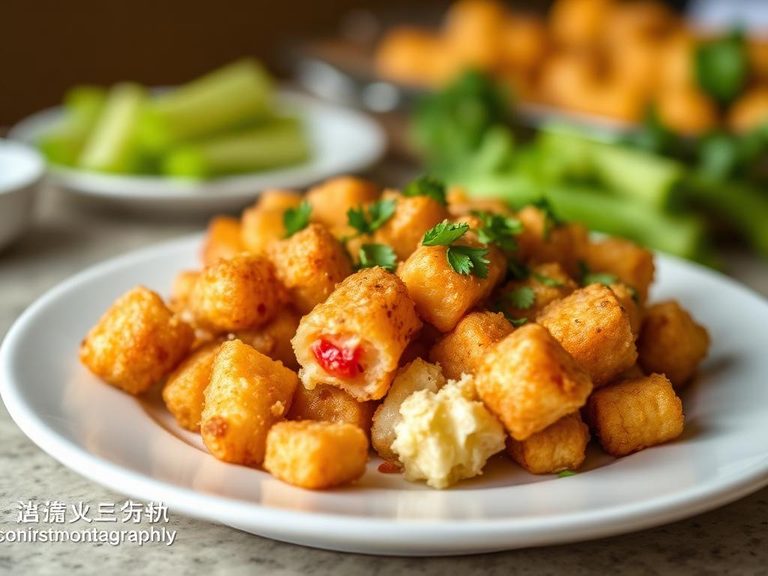
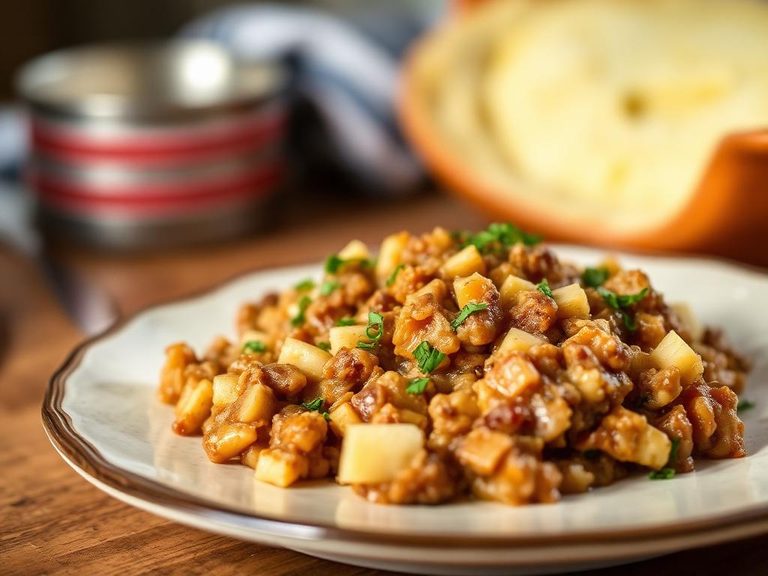
🌍 Where it's eaten
💡 Did you know?
The condensed soup can was invented by a Canadian inventor in 1897, revolutionizing food storage and making creamy soups a year-round staple rather than a seasonal luxury.
Full nutrition (scales with serving)
| Water | 82.0 g |
| Energy | 74.0 kcal |
| Energy | 308 kj |
| Protein | 1.5 g |
| Total lipid (fat) | 1.9 g |
| Ash | 1.8 g |
| Carbohydrate, by difference | 12.8 g |
| Fiber, total dietary | 1.3 g |
| Total Sugars | 1.4 g |
| Calcium, Ca | 17.0 mg |
| Iron, Fe | 0.34 mg |
| Magnesium, Mg | 13.0 mg |
| Phosphorus, P | 41.0 mg |
| Potassium, K | 165 mg |
| Sodium, Na | 604 mg |
| Zinc, Zn | 0.15 mg |
| Copper, Cu | 0.20 mg |
| Manganese, Mn | 0.30 mg |
| Selenium, Se | 1.9 ug |
| Vitamin C, total ascorbic acid | 0.20 mg |
| Thiamin | 0.03 mg |
| Riboflavin | 0.03 mg |
| Niacin | 0.43 mg |
| Pantothenic acid | 0.70 mg |
| Vitamin B-6 | 0.03 mg |
| Folate, total | 2.0 ug |
| Folic acid | 0.00 ug |
| Folate, food | 2.0 ug |
| Folate, DFE | 2.0 ug |
| Choline, total | 8.7 mg |
| Vitamin B-12 | 0.04 ug |
| Vitamin B-12, added | 0.00 ug |
| Vitamin A, RAE | 19.0 ug |
| Retinol | 19.0 ug |
| Carotene, beta | 4.0 ug |
| Carotene, alpha | 0.00 ug |
| Cryptoxanthin, beta | 0.00 ug |
| Vitamin A, IU | 68.0 iu |
| Lycopene | 0.00 ug |
| Lutein + zeaxanthin | 5.0 ug |
| Vitamin E (alpha-tocopherol) | 0.07 mg |
| Vitamin E, added | 0.00 mg |
| Vitamin D (D2 + D3), International Units | 0.00 iu |
| Vitamin D (D2 + D3) | 0.00 ug |
| Vitamin K (phylloquinone) | 1.1 ug |
| Alcohol, ethyl | 0.00 g |
| Caffeine | 0.00 mg |
| Theobromine | 0.00 mg |
Fat & fatty acid profile (per 100g)
| Fatty acids, total saturated | 0.97 g |
| SFA 4:0 | 0.09 g |
| SFA 6:0 | 0.04 g |
| SFA 8:0 | 0.02 g |
| SFA 10:0 | 0.04 g |
| SFA 12:0 | 0.04 g |
| SFA 14:0 | 0.14 g |
| SFA 16:0 | 0.42 g |
| SFA 18:0 | 0.15 g |
| Fatty acids, total monounsaturated | 0.44 g |
| MUFA 16:1 | 0.02 g |
| MUFA 18:1 | 0.39 g |
| MUFA 20:1 | 0.00 g |
| MUFA 22:1 | 0.00 g |
| Fatty acids, total polyunsaturated | 0.33 g |
| PUFA 18:2 | 0.30 g |
| PUFA 18:3 | 0.03 g |
| PUFA 18:4 | 0.00 g |
| PUFA 20:4 | 0.00 g |
| PUFA 20:5 n-3 (EPA) | 0.00 g |
| PUFA 22:5 n-3 (DPA) | 0.00 g |
| PUFA 22:6 n-3 (DHA) | 0.00 g |
| Cholesterol | 1.0 mg |
Amino acid profile (per 100g)
| Tryptophan | 0.02 g |
| Threonine | 0.05 g |
| Isoleucine | 0.06 g |
| Leucine | 0.09 g |
| Lysine | 0.07 g |
| Methionine | 0.02 g |
| Cystine | 0.02 g |
| Phenylalanine | 0.07 g |
| Tyrosine | 0.05 g |
| Valine | 0.07 g |
| Arginine | 0.06 g |
| Histidine | 0.03 g |
| Alanine | 0.04 g |
| Aspartic acid | 0.20 g |
| Glutamic acid | 0.33 g |
| Glycine | 0.04 g |
| Proline | 0.10 g |
| Serine | 0.07 g |
FAQ
How do I use condensed soup in a recipe?
Typically, you dilute it with an equal amount of water or milk. For example, one can of condensed soup mixed with one can of water makes about two servings of ready-to-eat soup. It's also used undiluted as a thickener in casseroles and sauces.
Is it gluten-free?
Not always. Many brands use wheat flour as a thickener. Always check the label for 'wheat' in the ingredients list or look for a certified gluten-free version if you have celiac disease or sensitivity.
Can I make it healthier from the can?
Yes. Dilute it with low-sodium broth or milk instead of water, stir in extra vegetables like peas or corn, and top with lean protein like shredded chicken. This boosts nutrients and fiber while controlling sodium.