Snacks, banana chips
Whole food · Snacks

Photo: Wikipedia
Banana chips are thinly sliced bananas deep-fried until golden and crisp, often coated in a light sugar syrup for extra sweetness. They deliver a satisfying crunch with a concentrated banana flavor, balancing caramelized sweetness with a subtle, earthy undertone. Nutritionally, they are a dense energy source, high in carbohydrates and fats, with a modest amount of fiber.
💚 Why it's loved
People love banana chips for their addictive, crunchy texture and the intense, sweet banana flavor that's more pronounced than fresh fruit. They are a versatile snack, enjoyed on their own, as a topping for yogurt or cereal, or as a component in trail mixes.
⚠️ Watch-outs & how to enjoy it better
The deep-frying process significantly increases the fat and calorie content, and the added sugar coating can lead to rapid blood-sugar spikes. Those monitoring their calorie intake, managing diabetes, or watching their fat consumption should practice strict portion control. To counteract this, pair a small serving with a source of protein or healthy fat (like a handful of nuts or a cheese stick) to help slow sugar absorption and increase satiety.
Key benefits
- Provides quick, dense energy from carbohydrates and fats.
- Contains dietary fiber which can aid in digestion.
- Offers small amounts of potassium and vitamin B6 from the banana base.
- Serves as a portable, shelf-stable snack with a long shelf life.
🍽️ Popular dishes
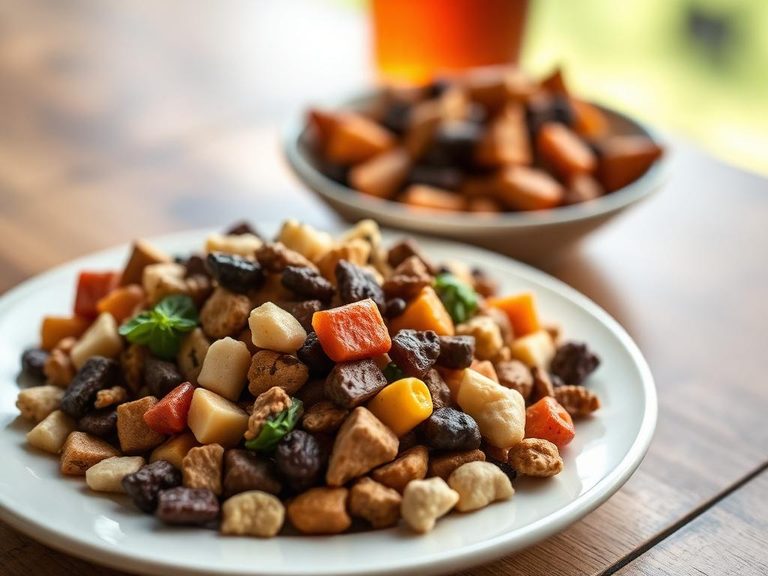
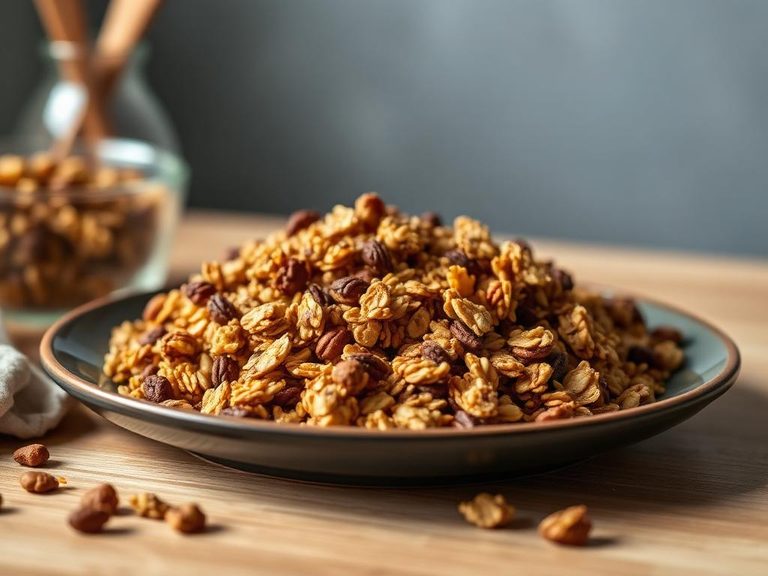
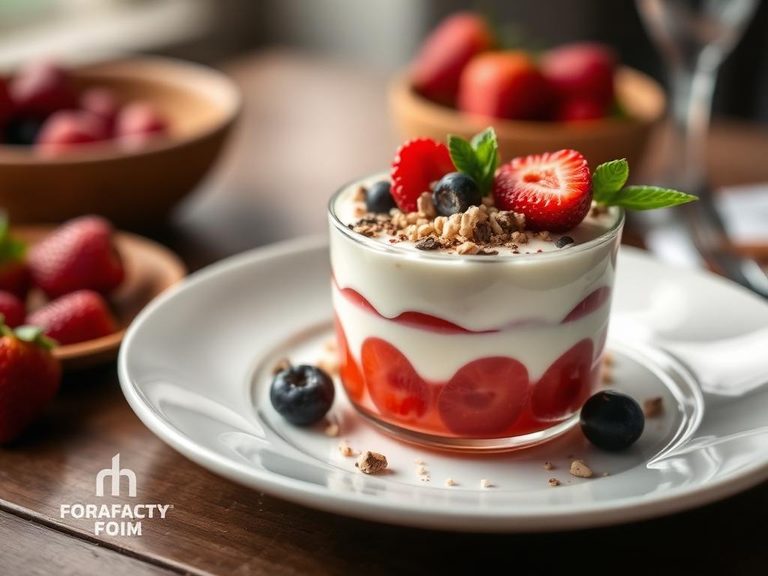
🌍 Where it's eaten
💡 Did you know?
In the Philippines, where they are a major product, banana chips are often made from the native 'Saba' banana variety, which is starchier and holds up better to frying than the common dessert banana.
Full nutrition (scales with serving)
| Water | 4.3 g |
| Energy | 519 kcal |
| Energy | 2170 kj |
| Protein | 2.3 g |
| Total lipid (fat) | 33.6 g |
| Ash | 1.4 g |
| Carbohydrate, by difference | 58.4 g |
| Fiber, total dietary | 7.7 g |
| Total Sugars | 35.3 g |
| Calcium, Ca | 18.0 mg |
| Iron, Fe | 1.3 mg |
| Magnesium, Mg | 76.0 mg |
| Phosphorus, P | 56.0 mg |
| Potassium, K | 536 mg |
| Sodium, Na | 6.0 mg |
| Zinc, Zn | 0.75 mg |
| Copper, Cu | 0.20 mg |
| Manganese, Mn | 1.6 mg |
| Selenium, Se | 1.5 ug |
| Vitamin C, total ascorbic acid | 6.3 mg |
| Thiamin | 0.09 mg |
| Riboflavin | 0.02 mg |
| Niacin | 0.71 mg |
| Pantothenic acid | 0.62 mg |
| Vitamin B-6 | 0.26 mg |
| Folate, total | 14.0 ug |
| Folic acid | 0.00 ug |
| Folate, food | 14.0 ug |
| Folate, DFE | 14.0 ug |
| Choline, total | 21.3 mg |
| Vitamin B-12 | 0.00 ug |
| Vitamin B-12, added | 0.00 ug |
| Vitamin A, RAE | 4.0 ug |
| Retinol | 0.00 ug |
| Carotene, beta | 34.0 ug |
| Carotene, alpha | 32.0 ug |
| Cryptoxanthin, beta | 0.00 ug |
| Vitamin A, IU | 83.0 iu |
| Lycopene | 0.00 ug |
| Lutein + zeaxanthin | 46.0 ug |
| Vitamin E (alpha-tocopherol) | 0.24 mg |
| Vitamin E, added | 0.00 mg |
| Vitamin D (D2 + D3), International Units | 0.00 iu |
| Vitamin D (D2 + D3) | 0.00 ug |
| Vitamin K (phylloquinone) | 1.3 ug |
| Alcohol, ethyl | 0.00 g |
| Caffeine | 0.00 mg |
| Theobromine | 0.00 mg |
Fat & fatty acid profile (per 100g)
| Fatty acids, total saturated | 29.0 g |
| SFA 4:0 | 0.00 g |
| SFA 6:0 | 0.20 g |
| SFA 8:0 | 2.5 g |
| SFA 10:0 | 2.0 g |
| SFA 12:0 | 14.9 g |
| SFA 14:0 | 5.6 g |
| SFA 16:0 | 2.8 g |
| SFA 18:0 | 0.94 g |
| Fatty acids, total monounsaturated | 1.9 g |
| MUFA 16:1 | 0.00 g |
| MUFA 18:1 | 1.9 g |
| MUFA 20:1 | 0.00 g |
| MUFA 22:1 | 0.00 g |
| Fatty acids, total polyunsaturated | 0.63 g |
| PUFA 18:2 | 0.62 g |
| PUFA 18:3 | 0.01 g |
| PUFA 18:4 | 0.00 g |
| PUFA 20:4 | 0.00 g |
| PUFA 20:5 n-3 (EPA) | 0.00 g |
| PUFA 22:5 n-3 (DPA) | 0.00 g |
| PUFA 22:6 n-3 (DHA) | 0.00 g |
| Cholesterol | 0.00 mg |
Amino acid profile (per 100g)
| Tryptophan | 0.03 g |
| Threonine | 0.08 g |
| Isoleucine | 0.07 g |
| Leucine | 0.16 g |
| Lysine | 0.11 g |
| Methionine | 0.02 g |
| Cystine | 0.04 g |
| Phenylalanine | 0.09 g |
| Tyrosine | 0.05 g |
| Valine | 0.10 g |
| Arginine | 0.10 g |
| Histidine | 0.18 g |
| Alanine | 0.09 g |
| Aspartic acid | 0.25 g |
| Glutamic acid | 0.25 g |
| Glycine | 0.08 g |
| Proline | 0.09 g |
| Serine | 0.10 g |
FAQ
Are banana chips healthier than potato chips?
Not necessarily. While they come from fruit, the deep-frying and sugar coating make them comparable to potato chips in calories and fat. Their main advantage is a slightly higher fiber content and trace minerals from the banana.
Why are some banana chips yellow and others brown?
The color depends on the banana variety, ripeness, and frying process. Lighter chips are often from less ripe bananas or fried at lower temperatures. Darker, brownish chips are typically more caramelized due to higher sugar content or longer frying time.
Can I make baked banana chips at home for a healthier version?
Yes, you can. Slice bananas thinly, toss with a small amount of oil and optional spices (like cinnamon), and bake at a low temperature (around 200°F/95°C) for 1-2 hours until crisp. This dramatically reduces the fat content compared to deep-frying.