Squash, summer, zucchini, includes skin, frozen, unprepared
Whole food · Vegetables and Vegetable Products

Photo: Wikipedia
Frozen zucchini, including its skin, is a flash-frozen summer squash that retains a surprisingly firm, slightly crisp texture when cooked, with a mild, subtly sweet, and earthy flavor. Nutritionally, it's a low-calorie powerhouse, packing over a gram of fiber and a notable amount of sugar into each 100g serving, making it a smart, nutrient-dense addition to any meal.
💚 Why it's loved
People love frozen zucchini for its incredible convenience and year-round availability, allowing for quick, no-prep additions to soups, stews, and sautés. Its mild flavor makes it a versatile canvas that readily absorbs the tastes of herbs, spices, and sauces it's cooked with.
⚠️ Watch-outs & how to enjoy it better
If overcooked, frozen zucchini can become mushy and waterlogged, diluting the flavor of a dish. To counteract this, add it directly to simmering liquids or quickly sauté it from frozen; avoid boiling it in excess water. Its natural sugars, while modest, can contribute to blood sugar rise in very large portions, so pairing it with a source of protein or healthy fat (like beans, chicken, or olive oil) can help balance a meal.
Key benefits
- Extremely low in calories (17 kcal per 100g)
- Good source of dietary fiber (1.3g per 100g)
- Naturally low in fat (0.13g per 100g)
- Provides a modest amount of plant-based protein (1.16g per 100g)
- Contains natural sugars for a touch of sweetness without added sweeteners
🍽️ Popular dishes
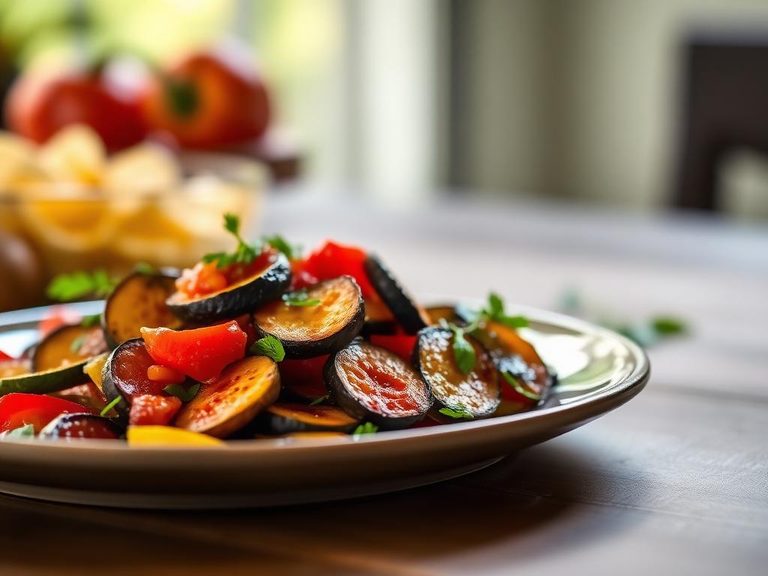
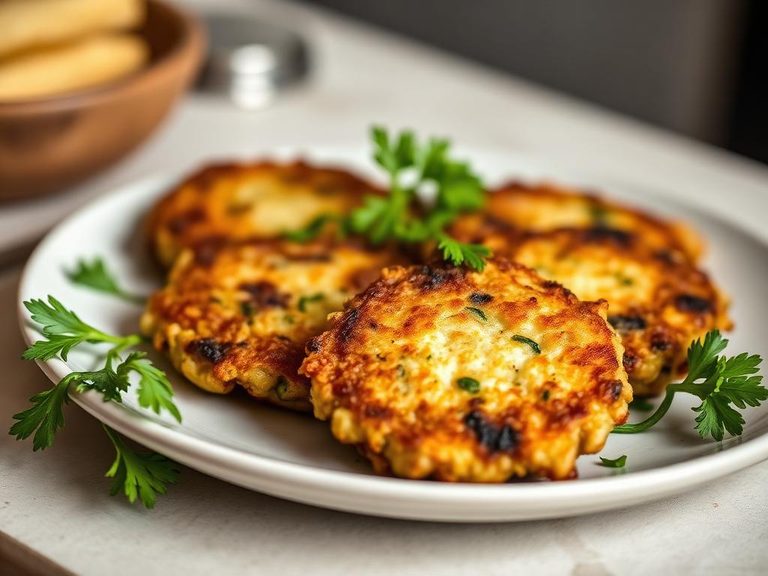
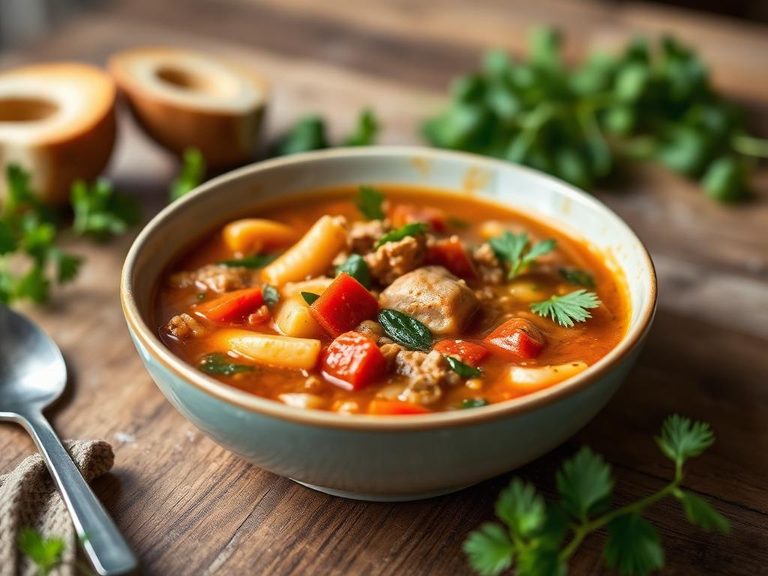
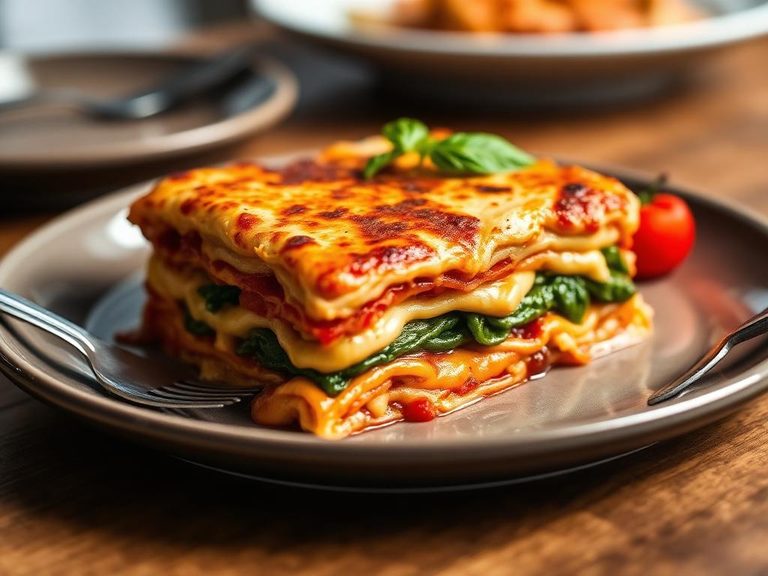
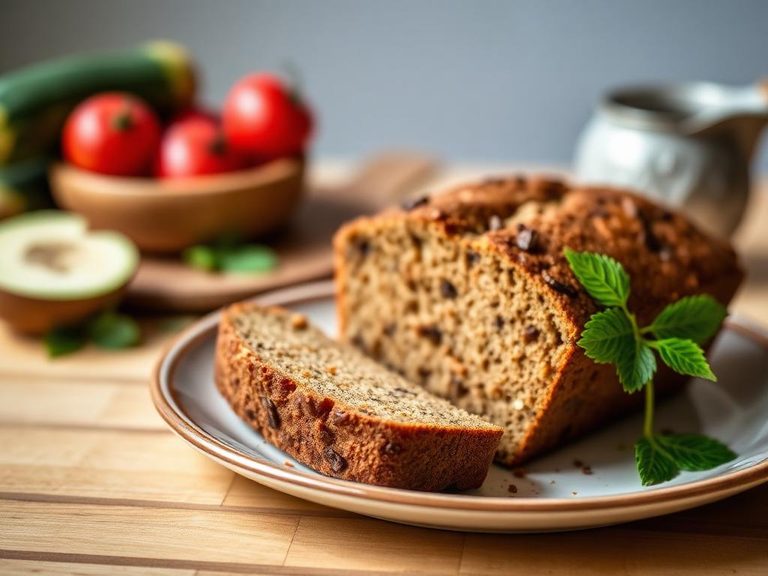
🌍 Where it's eaten
💡 Did you know?
The word 'zucchini' comes from the Italian 'zucchina,' meaning a small squash, which itself derives from 'zucca,' meaning pumpkin or gourd.
Full nutrition (scales with serving)
| Water | 94.7 g |
| Energy | 17.0 kcal |
| Energy | 70.0 kj |
| Protein | 1.2 g |
| Total lipid (fat) | 0.13 g |
| Ash | 0.43 g |
| Carbohydrate, by difference | 3.6 g |
| Fiber, total dietary | 1.3 g |
| Total Sugars | 1.7 g |
| Calcium, Ca | 18.0 mg |
| Iron, Fe | 0.51 mg |
| Magnesium, Mg | 13.0 mg |
| Phosphorus, P | 28.0 mg |
| Potassium, K | 218 mg |
| Sodium, Na | 2.0 mg |
| Zinc, Zn | 0.21 mg |
| Copper, Cu | 0.05 mg |
| Manganese, Mn | 0.24 mg |
| Selenium, Se | 0.20 ug |
| Vitamin C, total ascorbic acid | 5.3 mg |
| Thiamin | 0.05 mg |
| Riboflavin | 0.04 mg |
| Niacin | 0.43 mg |
| Pantothenic acid | 0.30 mg |
| Vitamin B-6 | 0.05 mg |
| Folate, total | 10.0 ug |
| Folic acid | 0.00 ug |
| Folate, food | 10.0 ug |
| Folate, DFE | 10.0 ug |
| Vitamin B-12 | 0.00 ug |
| Vitamin A, RAE | 10.0 ug |
| Retinol | 0.00 ug |
| Carotene, beta | 119 ug |
| Carotene, alpha | 0.00 ug |
| Cryptoxanthin, beta | 0.00 ug |
| Vitamin A, IU | 198 iu |
| Lycopene | 0.00 ug |
| Lutein + zeaxanthin | 2102 ug |
| Vitamin E (alpha-tocopherol) | 0.12 mg |
| Vitamin D (D2 + D3), International Units | 0.00 iu |
| Vitamin D (D2 + D3) | 0.00 ug |
| Vitamin K (phylloquinone) | 4.2 ug |
| Alcohol, ethyl | 0.00 g |
Fat & fatty acid profile (per 100g)
| Fatty acids, total saturated | 0.03 g |
| SFA 4:0 | 0.00 g |
| SFA 6:0 | 0.00 g |
| SFA 8:0 | 0.00 g |
| SFA 10:0 | 0.00 g |
| SFA 12:0 | 0.00 g |
| SFA 14:0 | 0.00 g |
| SFA 16:0 | 0.02 g |
| SFA 18:0 | 0.00 g |
| Fatty acids, total monounsaturated | 0.01 g |
| MUFA 16:1 | 0.00 g |
| MUFA 18:1 | 0.01 g |
| MUFA 20:1 | 0.00 g |
| MUFA 22:1 | 0.00 g |
| Fatty acids, total polyunsaturated | 0.06 g |
| PUFA 18:2 | 0.02 g |
| PUFA 18:3 | 0.04 g |
| PUFA 18:4 | 0.00 g |
| PUFA 20:4 | 0.00 g |
| PUFA 20:5 n-3 (EPA) | 0.00 g |
| PUFA 22:5 n-3 (DPA) | 0.00 g |
| PUFA 22:6 n-3 (DHA) | 0.00 g |
| Fatty acids, total trans | 0.00 g |
| Cholesterol | 0.00 mg |
Amino acid profile (per 100g)
| Tryptophan | 0.01 g |
| Threonine | 0.03 g |
| Isoleucine | 0.04 g |
| Leucine | 0.07 g |
| Lysine | 0.06 g |
| Methionine | 0.02 g |
| Cystine | 0.01 g |
| Phenylalanine | 0.04 g |
| Tyrosine | 0.03 g |
| Valine | 0.05 g |
| Arginine | 0.05 g |
| Histidine | 0.03 g |
| Alanine | 0.06 g |
| Aspartic acid | 0.14 g |
| Glutamic acid | 0.12 g |
| Glycine | 0.04 g |
| Proline | 0.04 g |
| Serine | 0.05 g |
FAQ
Do I need to thaw frozen zucchini before cooking?
Not necessarily. For soups, stews, or sauces, you can often add it directly from the freezer. For sautés or roasting to get some color, thawing and patting it dry can help reduce excess moisture and improve texture.
Why is my cooked frozen zucchini so watery?
Frozen vegetables contain ice crystals that break down cell walls, releasing more water upon cooking. To minimize this, avoid overcooking, and consider adding it later in the cooking process or sautéing it quickly over high heat.
Is the skin on frozen zucchini edible?
Yes, the skin is perfectly edible and is where much of the fiber and nutrients are concentrated. It's typically left on for frozen zucchini products.