

Veal, Australian, rib, rib roast, separable lean only, raw
Whole food · Lamb, Veal, and Game Products

Photo: Wikipedia
This is a premium, lean cut of raw veal from the rib section of Australian cattle, prized for its delicate, mild flavor and tender, fine-grained texture. Nutritionally, it's a powerhouse of high-quality protein with very little fat, making it a lean foundation for elegant roasts or steaks. Its pale pink color and subtle sweetness distinguish it from more robust beef cuts.
Calorie split: 65% protein · 4% carbs · 31% fat
↓ Full nutrition💚 Why it's loved
Chefs and home cooks love it for its refined, buttery flavor that acts as a perfect canvas for sauces, herbs, and marinades. Its tenderness and quick cooking time make it ideal for both classic Sunday roasts and elegant weeknight meals.
⚠️ Watch-outs & how to enjoy it better
Its mild flavor can be lost under overpowering seasonings, and its lean nature means it can dry out if overcooked. Those monitoring red meat intake should be mindful of portion sizes. To counteract dryness, use a meat thermometer, baste during cooking, and consider a quick sear followed by a lower oven temperature.
Key benefits
- Excellent source of complete, high-quality protein for muscle maintenance.
- Very low in fat, especially saturated fat, compared to many other red meats.
- Rich in essential minerals like zinc and iron in a highly bioavailable form.
- Contains B vitamins, particularly B12, crucial for nerve function and energy.
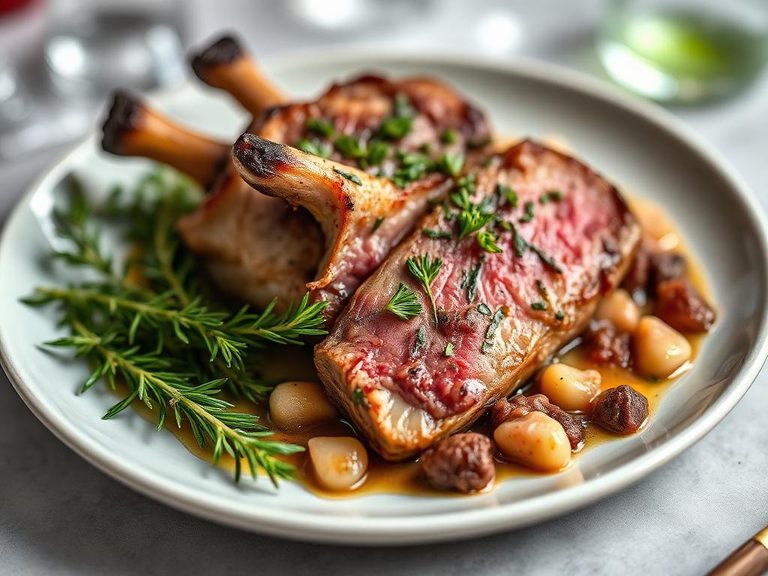
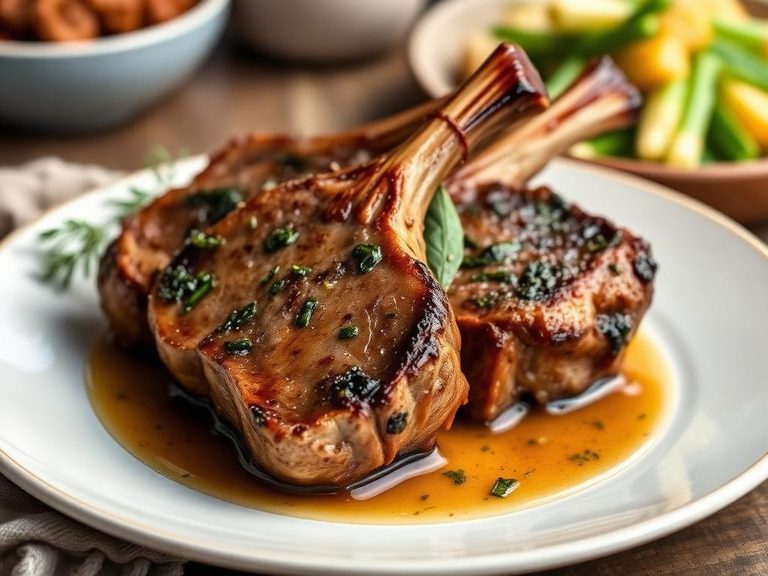
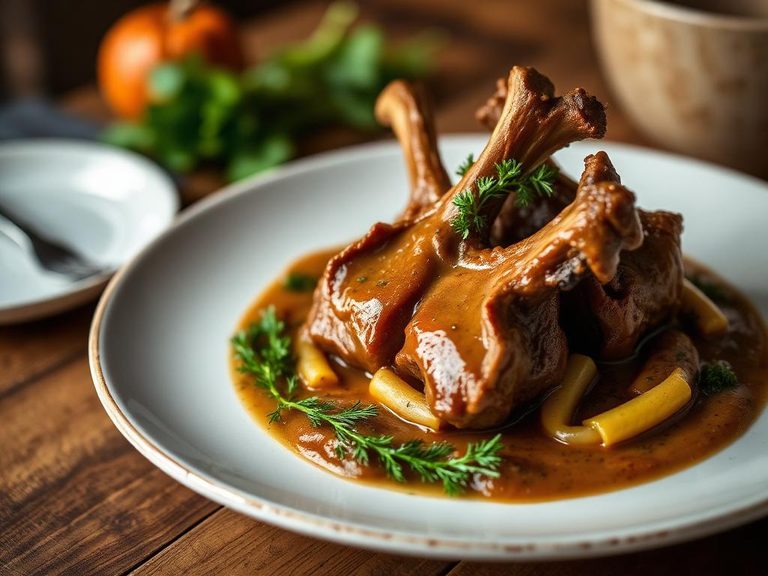
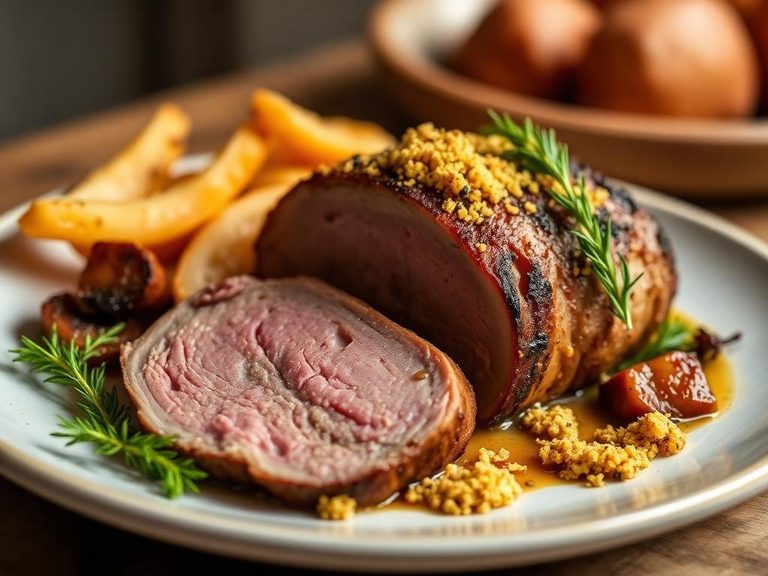
🍽️ Popular dishes
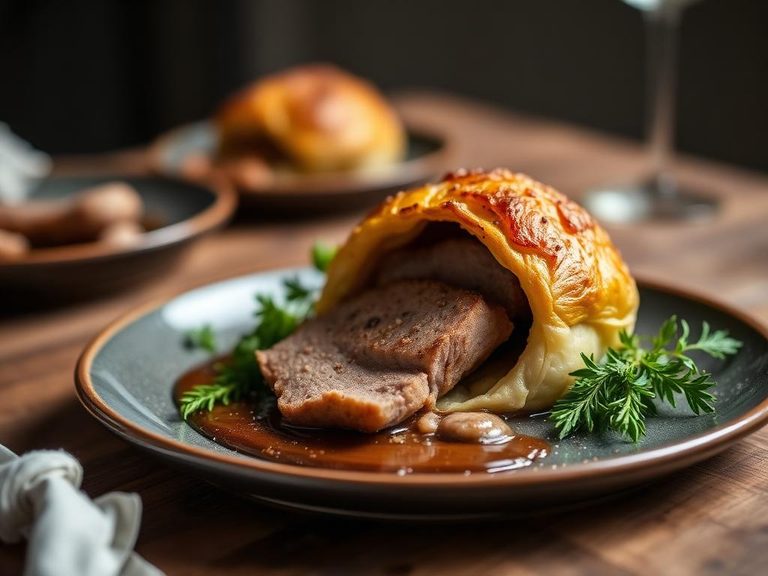
🌍 Where it's eaten
💡 Did you know?
Veal from the rib section is often considered the most tender and flavorful cut, sometimes referred to as the 'rack of veal' when the bones are frenched for presentation.
Full nutrition (USDA data · scales with serving)
| Water | 71.3 g |
| Energy | 134 kcal |
| Energy | 561 kj |
| Protein | 21.7 g |
| Total lipid (fat) | 4.6 g |
| Ash | 1.0 g |
| Carbohydrate, by difference | 1.4 g |
| Fiber, total dietary | 0.00 g |
| Total Sugars | 0.00 g |
| Calcium, Ca | 10.0 mg |
| Iron, Fe | 1.6 mg |
| Sodium, Na | 83.0 mg |
| Vitamin C, total ascorbic acid | 0.00 mg |
| Vitamin A, RAE | 0.00 ug |
| Retinol | 0.00 ug |
| Carotene, beta | 0.00 ug |
| Carotene, alpha | 0.00 ug |
| Cryptoxanthin, beta | 0.00 ug |
| Vitamin A, IU | 0.00 iu |
| Lycopene | 0.00 ug |
| Lutein + zeaxanthin | 0.00 ug |
| Alcohol, ethyl | 0.00 g |
| Caffeine | 0.00 mg |
| Theobromine | 0.00 mg |
Fat & fatty acid profile (per 100g)
| Fatty acids, total saturated | 2.1 g |
| SFA 4:0 | 0.00 g |
| SFA 6:0 | 0.00 g |
| SFA 10:0 | 0.01 g |
| SFA 12:0 | 0.01 g |
| SFA 14:0 | 0.16 g |
| SFA 15:0 | 0.03 g |
| SFA 16:0 | 1.1 g |
| SFA 17:0 | 0.05 g |
| SFA 18:0 | 0.70 g |
| SFA 20:0 | 0.01 g |
| SFA 22:0 | 0.01 g |
| Fatty acids, total monounsaturated | 1.8 g |
| MUFA 14:1 | 0.04 g |
| MUFA 16:1 | 0.12 g |
| MUFA 18:1 | 1.7 g |
| MUFA 18:1 c | 1.5 g |
| MUFA 20:1 | 0.01 g |
| Fatty acids, total polyunsaturated | 0.36 g |
| PUFA 18:2 | 0.12 g |
| PUFA 18:2 n-6 c,c | 0.07 g |
| PUFA 18:3 | 0.03 g |
| PUFA 18:3 n-3 c,c,c (ALA) | 0.03 g |
| PUFA 18:3i | 0.01 g |
| PUFA 18:4 | 0.00 g |
| PUFA 20:4 | 0.18 g |
| PUFA 20:5 n-3 (EPA) | 0.01 g |
| PUFA 22:5 n-3 (DPA) | 0.02 g |
| Fatty acids, total trans | 0.24 g |
| Fatty acids, total trans-monoenoic | 0.19 g |
| TFA 18:1 t | 0.19 g |
| TFA 18:2 t not further defined | 0.05 g |
| Fatty acids, total trans-polyenoic | 0.05 g |
| Cholesterol | 58.0 mg |
Amino acid profile (per 100g)
| Tryptophan | 0.22 g |
| Threonine | 0.95 g |
| Isoleucine | 1.1 g |
| Leucine | 1.7 g |
| Lysine | 1.8 g |
| Methionine | 0.51 g |
| Cystine | 0.24 g |
| Phenylalanine | 0.88 g |
| Tyrosine | 0.69 g |
| Valine | 1.2 g |
| Arginine | 1.3 g |
| Histidine | 0.79 g |
| Alanine | 1.3 g |
| Aspartic acid | 1.9 g |
| Glutamic acid | 3.4 g |
| Glycine | 1.1 g |
| Proline | 0.91 g |
| Serine | 0.81 g |
| Hydroxyproline | 0.11 g |
FAQ
How is Australian veal different from other veal?
Australian veal is typically from dairy breed calves raised for a longer period on a grain and pasture diet, resulting in a slightly deeper color and more developed flavor compared to very young, milk-fed veal from some European traditions.
What's the best way to cook this lean cut without drying it out?
The key is to avoid overcooking. Sear it first for color, then finish with a quick roast or grill to an internal temperature of 145°F (63°C) for medium-rare. Letting it rest after cooking is crucial for juiciness.
Can I substitute this for beef rib roast in recipes?
Yes, but with adjustments. Veal cooks faster and has a milder flavor. Reduce cooking time by about a third and consider using richer sauces or marinades to complement its subtlety.
Nutrient density (calculated · NRF9.3)
Nutrient Rich Foods index: beneficial nutrients (protein, fiber, vitamins, minerals) minus saturated fat, added sugar & sodium, per 100 kcal.
NRF9.3 index — Fulgoni, Keast & Drewnowski, 2009. Computed from USDA nutrients.
Weight-loss friendliness (composite index)
Energy density 1.34 kcal/g · 65% calories from protein · 0.0 g fiber · 0.0 g sugar per 100 g.
Composite of energy density (Rolls et al., 1999), protein & fiber satiety, minus sugar. A calculated heuristic — ranks satiety-per-calorie, not a clinical measure.