

Turnip greens, frozen, unprepared
Whole food · Vegetables and Vegetable Products

Photo: Wikipedia
Frozen turnip greens are the tender, dark-green leaves of the turnip plant, harvested at peak freshness and flash-frozen to preserve their robust, earthy flavor and slightly silky texture after cooking. Nutritionally, they are a low-calorie powerhouse, delivering over 2 grams of fiber and a notable dose of plant-based protein per 100g serving. Their vibrant color signals a wealth of antioxidants and phytonutrients.
Calorie split: 36% protein · 54% carbs · 10% fat
↓ Full nutrition💚 Why it's loved
People love turnip greens for their deep, slightly peppery and mineral-rich flavor that forms the soulful base of many comforting stews and side dishes. Their ability to absorb savory seasonings and broths makes them incredibly versatile in both traditional and modern cooking.
⚠️ Watch-outs & how to enjoy it better
Some may find the natural bitterness or sulfurous notes of turnip greens too strong, and they contain oxalates which can affect mineral absorption. To counteract bitterness, cook with a splash of acid like vinegar or lemon juice, or pair with a fatty ingredient like bacon or olive oil. To reduce oxalate content, blanch the greens in boiling water for a minute before using in recipes.
Key benefits
- Excellent source of dietary fiber for digestive health.
- Provides plant-based protein for muscle maintenance.
- Very low in calories and fat, supporting weight management.
- Rich in vitamins A, C, and K from the dark leafy greens.
- Contains antioxidants like beta-carotene and lutein.
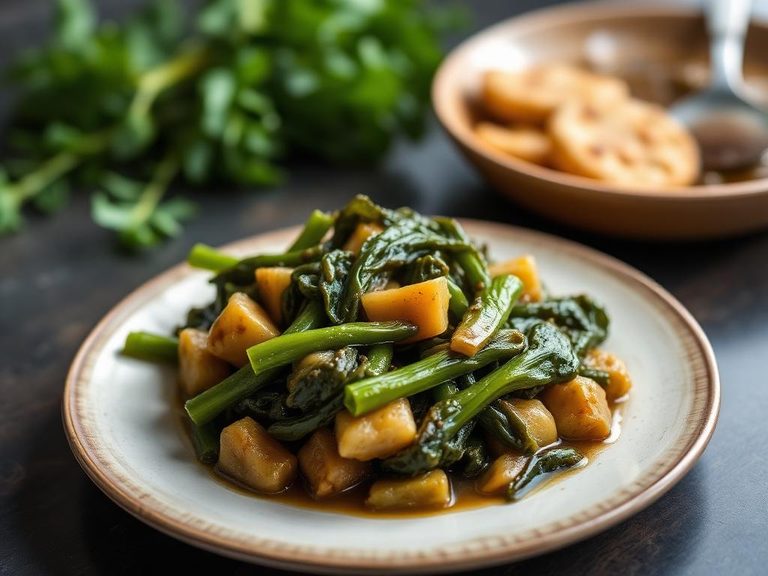
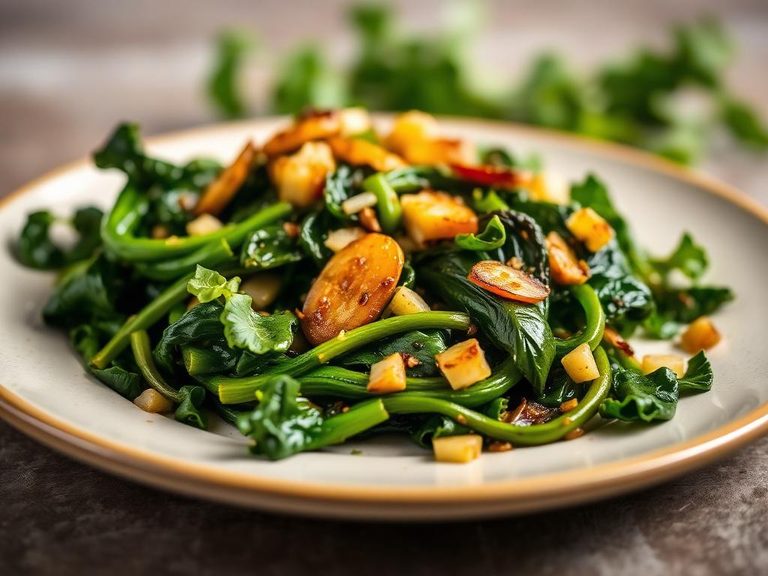
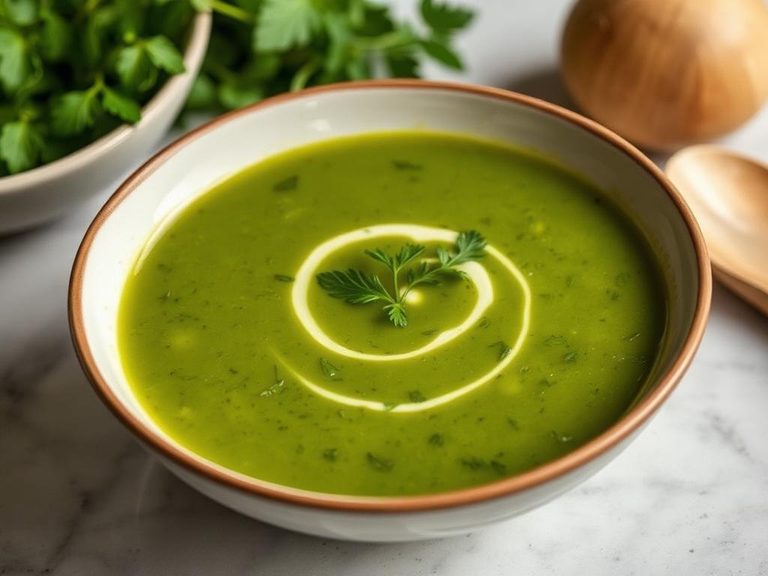
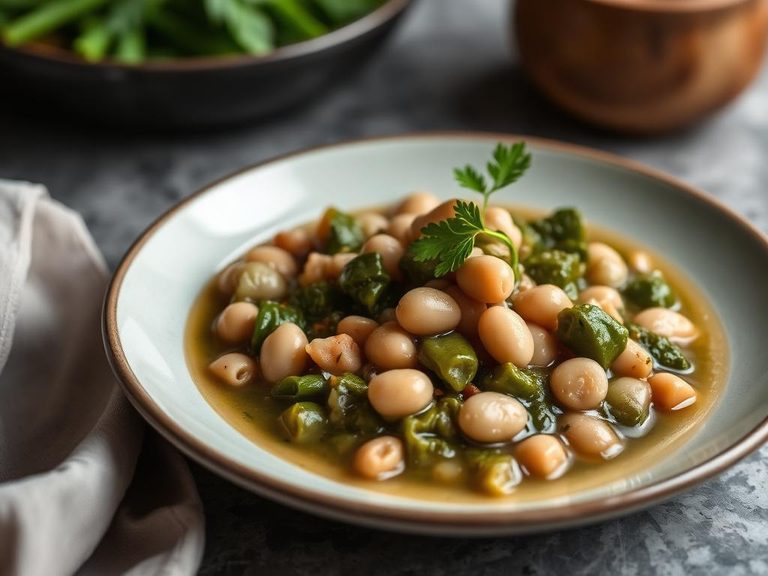
🍽️ Popular dishes
🌍 Where it's eaten
💡 Did you know?
The frozen form of turnip greens often retains more vitamin C than their fresh counterparts, as the rapid freezing process locks in nutrients that can degrade during the extended storage and transport of fresh greens.
Full nutrition (USDA data · scales with serving)
| Water | 92.9 g |
| Energy | 22.0 kcal |
| Energy | 92.0 kj |
| Protein | 2.5 g |
| Total lipid (fat) | 0.31 g |
| Ash | 0.62 g |
| Carbohydrate, by difference | 3.7 g |
| Fiber, total dietary | 2.5 g |
| Calcium, Ca | 118 mg |
| Iron, Fe | 1.5 mg |
| Magnesium, Mg | 27.0 mg |
| Phosphorus, P | 27.0 mg |
| Potassium, K | 184 mg |
| Sodium, Na | 12.0 mg |
| Zinc, Zn | 0.17 mg |
| Copper, Cu | 0.06 mg |
| Manganese, Mn | 0.37 mg |
| Selenium, Se | 0.90 ug |
| Vitamin C, total ascorbic acid | 26.8 mg |
| Thiamin | 0.04 mg |
| Riboflavin | 0.09 mg |
| Niacin | 0.38 mg |
| Pantothenic acid | 0.14 mg |
| Vitamin B-6 | 0.10 mg |
| Folate, total | 74.0 ug |
| Folic acid | 0.00 ug |
| Folate, food | 74.0 ug |
| Folate, DFE | 74.0 ug |
| Vitamin B-12 | 0.00 ug |
| Vitamin A, RAE | 309 ug |
| Retinol | 0.00 ug |
| Vitamin A, IU | 6184 iu |
| Vitamin D (D2 + D3), International Units | 0.00 iu |
| Vitamin D (D2 + D3) | 0.00 ug |
| Alcohol, ethyl | 0.00 g |
Fat & fatty acid profile (per 100g)
| Fatty acids, total saturated | 0.07 g |
| SFA 4:0 | 0.00 g |
| SFA 6:0 | 0.00 g |
| SFA 8:0 | 0.00 g |
| SFA 10:0 | 0.00 g |
| SFA 12:0 | 0.00 g |
| SFA 14:0 | 0.00 g |
| SFA 16:0 | 0.06 g |
| SFA 18:0 | 0.01 g |
| Fatty acids, total monounsaturated | 0.02 g |
| MUFA 16:1 | 0.01 g |
| MUFA 18:1 | 0.01 g |
| MUFA 20:1 | 0.00 g |
| MUFA 22:1 | 0.00 g |
| Fatty acids, total polyunsaturated | 0.13 g |
| PUFA 18:2 | 0.04 g |
| PUFA 18:3 | 0.09 g |
| PUFA 18:4 | 0.00 g |
| PUFA 20:4 | 0.00 g |
| PUFA 20:5 n-3 (EPA) | 0.00 g |
| PUFA 22:5 n-3 (DPA) | 0.00 g |
| PUFA 22:6 n-3 (DHA) | 0.00 g |
| Fatty acids, total trans | 0.00 g |
| Cholesterol | 0.00 mg |
Amino acid profile (per 100g)
| Tryptophan | 0.04 g |
| Threonine | 0.14 g |
| Isoleucine | 0.13 g |
| Leucine | 0.23 g |
| Lysine | 0.16 g |
| Methionine | 0.06 g |
| Cystine | 0.03 g |
| Phenylalanine | 0.15 g |
| Tyrosine | 0.10 g |
| Valine | 0.17 g |
| Arginine | 0.15 g |
| Histidine | 0.06 g |
| Alanine | 0.17 g |
| Aspartic acid | 0.26 g |
| Glutamic acid | 0.34 g |
| Glycine | 0.15 g |
| Proline | 0.12 g |
| Serine | 0.10 g |
FAQ
Do I need to thaw frozen turnip greens before cooking?
No, you can cook them directly from frozen. This is often recommended for dishes like soups or braises, as it helps retain their texture and prevents them from becoming too watery.
How do I reduce the bitterness of turnip greens?
Blanching them in boiling water for 1-2 minutes before sautéing or braising can help. Also, cooking them with a sweet element like a pinch of sugar or a savory fat like bacon drippings balances the flavor.
Are turnip greens the same as collard greens?
No, they are different plants, though both are leafy greens used in similar culinary ways. Turnip greens are from the turnip plant and have a more distinct, peppery flavor compared to the milder, earthier collard greens.
Nutrient density (calculated · NRF9.3)
Nutrient Rich Foods index: beneficial nutrients (protein, fiber, vitamins, minerals) minus saturated fat, added sugar & sodium, per 100 kcal.
NRF9.3 index — Fulgoni, Keast & Drewnowski, 2009. Computed from USDA nutrients.
Weight-loss friendliness (composite index)
Energy density 0.22 kcal/g · 45% calories from protein · 2.5 g fiber · 0.0 g sugar per 100 g.
Composite of energy density (Rolls et al., 1999), protein & fiber satiety, minus sugar. A calculated heuristic — ranks satiety-per-calorie, not a clinical measure.
Dietary load (calculated from USDA values)
Potential renal acid load. Positive = acid-forming, negative = alkaline-forming.
Sodium-to-potassium ratio: 0.07 (lower is better — aim for ≤ 1)
Sodium:potassium per WHO potassium guidance. Computed from USDA nutrients.