

Tea, hot, leaf, green, decaffeinated
Common food

Photo: Wikipedia
A delicate, pale-green infusion made from unoxidized Camellia sinensis leaves, known for its subtle, grassy, and slightly sweet flavor with a light, clean mouthfeel. With zero calories, protein, carbs, fat, fiber, or sugar per 100g, it is a pure, hydrating beverage that delivers a gentle caffeine-free lift. Its vibrant, vegetal aroma and smooth finish make it a staple for mindful sipping.
💚 Why it's loved
People love it for its clean, refreshing taste that pairs beautifully with light meals, desserts, or simply as a calming ritual. Its versatility allows it to be enjoyed hot or cold, and its cultural significance in East Asian traditions adds a layer of mindfulness and heritage.
⚠️ Watch-outs & how to enjoy it better
Some find the grassy or vegetal notes too mild or astringent, and it can be sensitive to over-steeping, which makes it bitter. For those with iron absorption concerns, the tannins in green tea can inhibit iron uptake, so it's best consumed between meals rather than with iron-rich foods.
Key benefits
- Rich in antioxidants like catechins and EGCG
- Supports hydration without added sugars or calories
- Contains L-theanine, which promotes calm alertness
- May support metabolic health and weight management
- Naturally caffeine-free, ideal for evening consumption
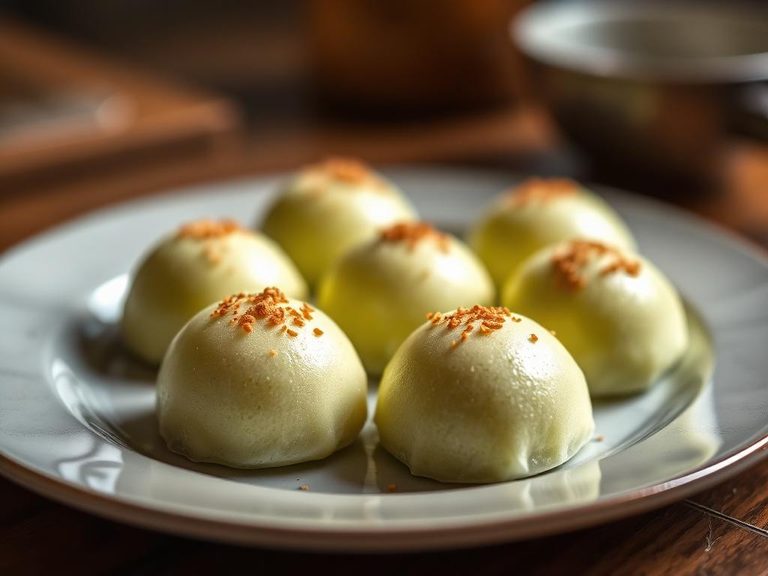
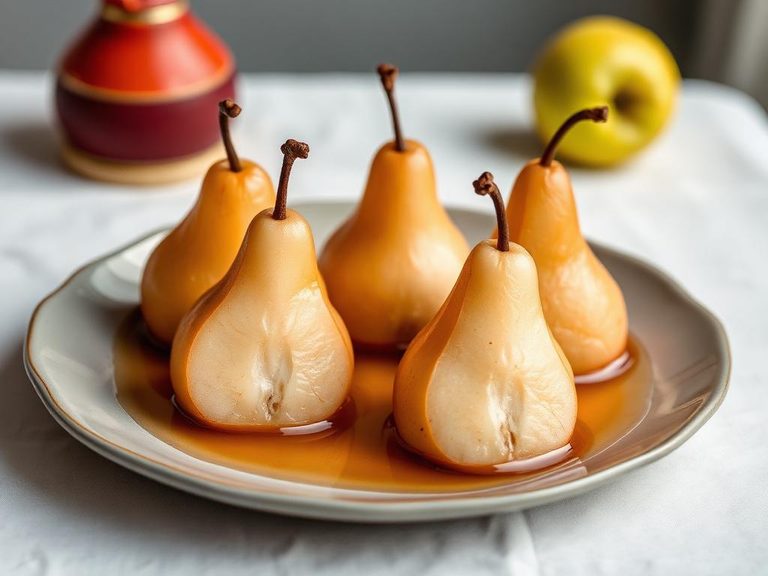
🍽️ Popular dishes
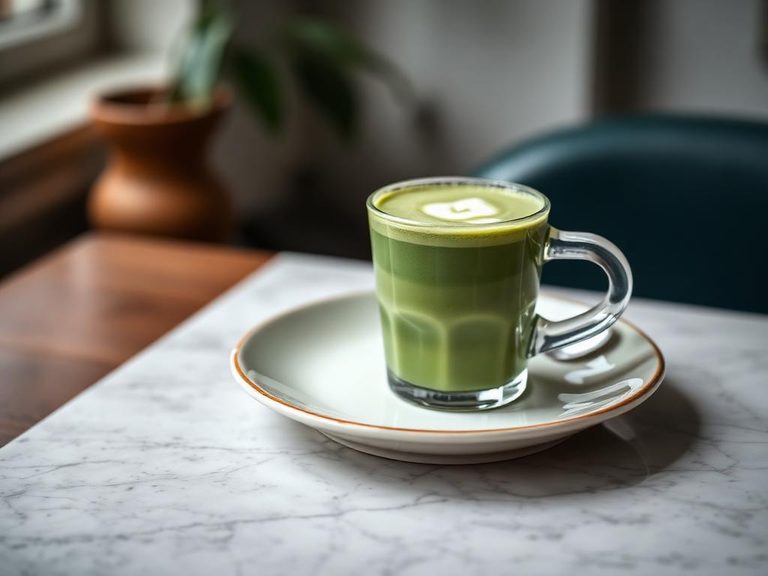
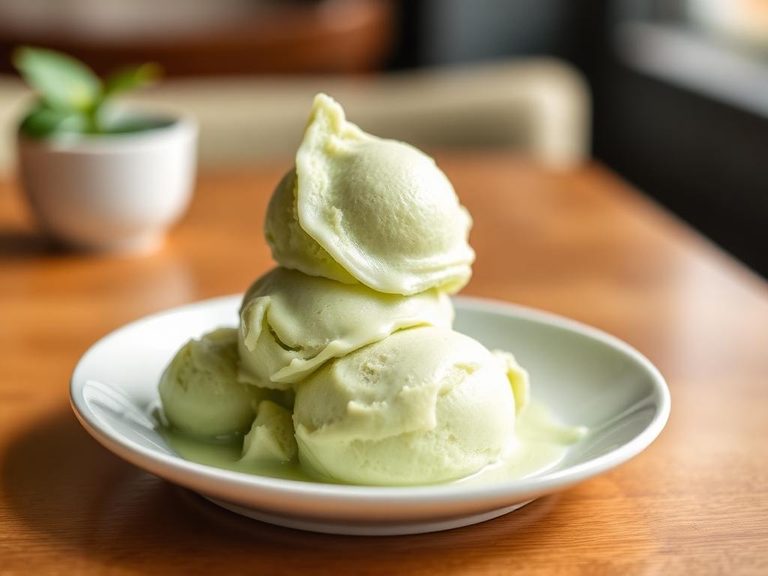
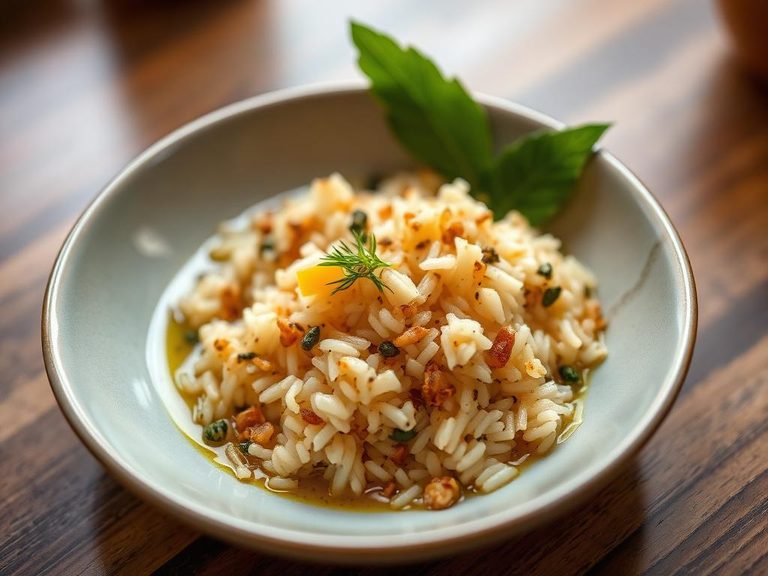
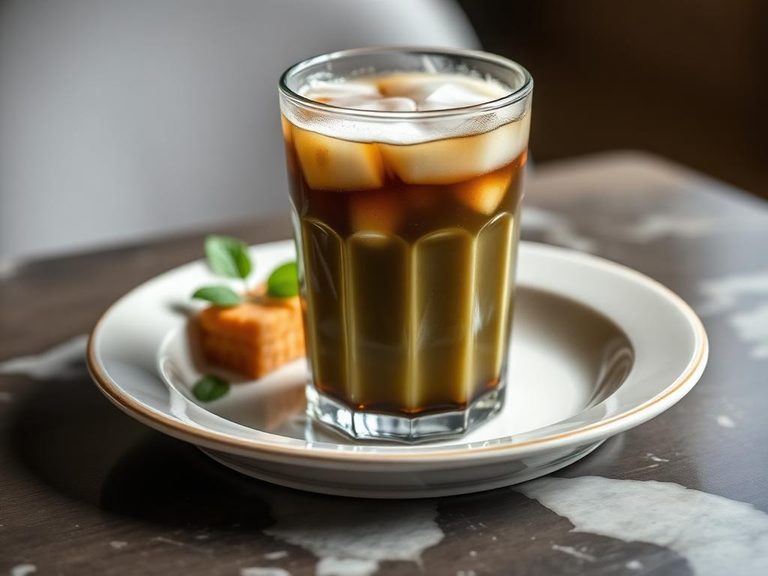
🌍 Where it's eaten
💡 Did you know?
Decaffeinated green tea still retains about 2-5% of its original caffeine, so it's not entirely caffeine-free, but it's significantly lower than regular green tea.
Full nutrition (USDA data · scales with serving)
| Water | 99.9 g |
| Energy | 0.00 kcal |
| Protein | 0.00 g |
| Total lipid (fat) | 0.00 g |
| Carbohydrate, by difference | 0.00 g |
| Fiber, total dietary | 0.00 g |
| Total Sugars | 0.00 g |
| Calcium, Ca | 0.00 mg |
| Iron, Fe | 0.00 mg |
| Magnesium, Mg | 1.0 mg |
| Phosphorus, P | 0.00 mg |
| Potassium, K | 15.0 mg |
| Sodium, Na | 0.00 mg |
| Zinc, Zn | 0.01 mg |
| Copper, Cu | 0.01 mg |
| Selenium, Se | 0.00 ug |
| Vitamin C, total ascorbic acid | 0.00 mg |
| Thiamin | 0.01 mg |
| Riboflavin | 0.06 mg |
| Niacin | 0.03 mg |
| Vitamin B-6 | 0.01 mg |
| Folate, total | 0.00 ug |
| Folic acid | 0.00 ug |
| Folate, food | 0.00 ug |
| Folate, DFE | 0.00 ug |
| Choline, total | 0.00 mg |
| Vitamin B-12 | 0.00 ug |
| Vitamin B-12, added | 0.00 ug |
| Vitamin A, RAE | 0.00 ug |
| Retinol | 0.00 ug |
| Carotene, beta | 0.00 ug |
| Carotene, alpha | 0.00 ug |
| Cryptoxanthin, beta | 0.00 ug |
| Lycopene | 0.00 ug |
| Lutein + zeaxanthin | 0.00 ug |
| Vitamin E (alpha-tocopherol) | 0.00 mg |
| Vitamin E, added | 0.00 mg |
| Vitamin D (D2 + D3) | 0.00 ug |
| Vitamin K (phylloquinone) | 0.00 ug |
| Alcohol, ethyl | 0.00 g |
| Caffeine | 0.00 mg |
| Theobromine | 0.00 mg |
Fat & fatty acid profile (per 100g)
| Fatty acids, total saturated | 0.00 g |
| SFA 4:0 | 0.00 g |
| SFA 6:0 | 0.00 g |
| SFA 8:0 | 0.00 g |
| SFA 10:0 | 0.00 g |
| SFA 12:0 | 0.00 g |
| SFA 14:0 | 0.00 g |
| SFA 16:0 | 0.00 g |
| SFA 18:0 | 0.00 g |
| Fatty acids, total monounsaturated | 0.00 g |
| MUFA 16:1 | 0.00 g |
| MUFA 18:1 | 0.00 g |
| MUFA 20:1 | 0.00 g |
| MUFA 22:1 | 0.00 g |
| Fatty acids, total polyunsaturated | 0.00 g |
| PUFA 18:2 | 0.00 g |
| PUFA 18:3 | 0.00 g |
| PUFA 18:4 | 0.00 g |
| PUFA 20:4 | 0.00 g |
| PUFA 20:5 n-3 (EPA) | 0.00 g |
| PUFA 22:5 n-3 (DPA) | 0.00 g |
| PUFA 22:6 n-3 (DHA) | 0.00 g |
| Cholesterol | 0.00 mg |
Amino acid profile (per 100g)
Estimated from Cookies, animal crackers (includes arrowroot, tea biscuits) — USDA does not publish this profile for Tea.
| Tryptophan | 0.10 g |
| Threonine | 0.19 g |
| Isoleucine | 0.26 g |
| Leucine | 0.47 g |
| Lysine | 0.24 g |
| Methionine | 0.12 g |
| Cystine | 0.15 g |
| Phenylalanine | 0.32 g |
| Tyrosine | 0.20 g |
| Valine | 0.30 g |
| Arginine | 0.26 g |
| Histidine | 0.14 g |
| Alanine | 0.21 g |
| Aspartic acid | 0.29 g |
| Glutamic acid | 2.3 g |
| Glycine | 0.23 g |
| Proline | 0.76 g |
| Serine | 0.36 g |
FAQ
Is decaffeinated green tea completely caffeine-free?
No, decaffeinated green tea typically retains 2-5% of its original caffeine, so it may contain 2-10 mg per cup, compared to 25-50 mg in regular green tea.
How does decaffeination affect the flavor and nutrients of green tea?
Decaffeination can slightly reduce the tea's antioxidant content and alter its flavor, making it milder and less astringent, but it still retains most of its beneficial compounds.
Can I drink decaffeinated green tea before bed?
Yes, it's generally safe for evening consumption due to its low caffeine content, but individuals sensitive to caffeine may want to avoid it close to bedtime.
Dietary load (calculated from USDA values)
Potential renal acid load. Positive = acid-forming, negative = alkaline-forming.
Sodium-to-potassium ratio: 0.00 (lower is better — aim for ≤ 1)
Sodium:potassium per WHO potassium guidance. Computed from USDA nutrients.