

Sunflower seeds, plain, unsalted
Common food

Photo: Wikipedia
Sunflower seeds are the edible kernels of the Helianthus annuus plant, prized for their satisfying crunch and mild, nutty, slightly earthy flavor. Nutritionally, they are a powerhouse, delivering nearly 50 grams of healthy fats and over 19 grams of plant-based protein per 100 grams, making them a dense source of energy and satiety.
Calorie split: 12% protein · 15% carbs · 72% fat
↓ Full nutrition💚 Why it's loved
People love them for their addictive, savory crunch and versatility as a snack, salad topper, or baking ingredient. They are a cultural staple in many regions, symbolizing sun and harvest, and are central to traditions like Ukrainian Christmas Eve supper.
⚠️ Watch-outs & how to enjoy it better
Their high fat content makes them very calorie-dense, which can be a concern for portion control. The hard outer shells can be a choking hazard for young children, and some individuals may have seed allergies. To mitigate, practice mindful portioning (e.g., pre-portion into small bowls) and opt for shelled versions for young kids.
Key benefits
- Excellent source of vitamin E, a key antioxidant.
- Rich in magnesium, supporting muscle and nerve function.
- Provides selenium, important for thyroid health.
- High in phytosterols, which may help manage cholesterol levels.
- Contains a good amount of dietary fiber.
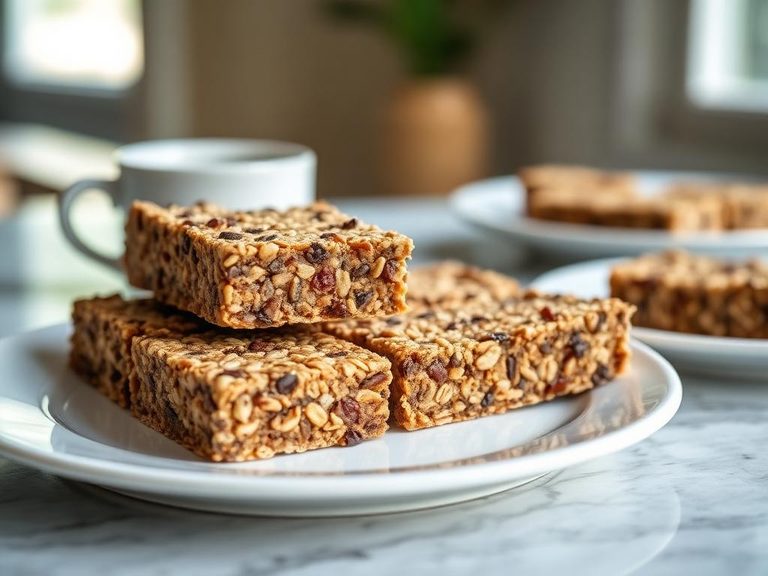
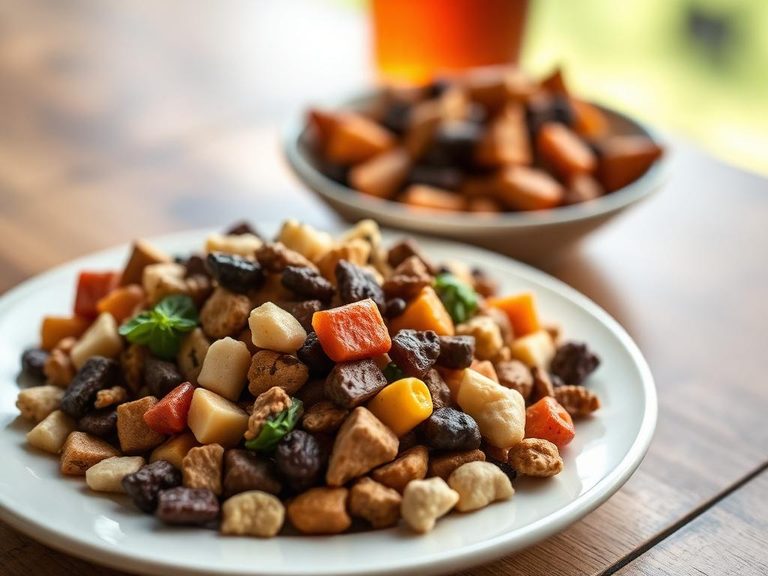
🍽️ Popular dishes
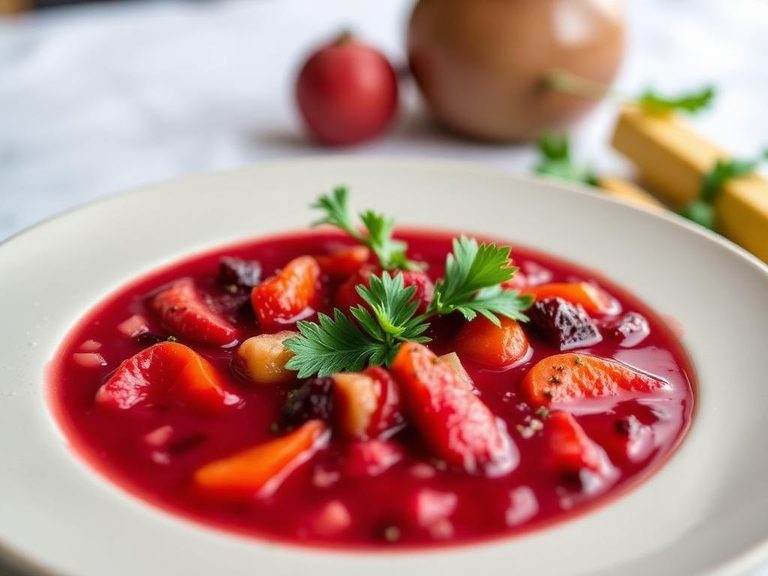
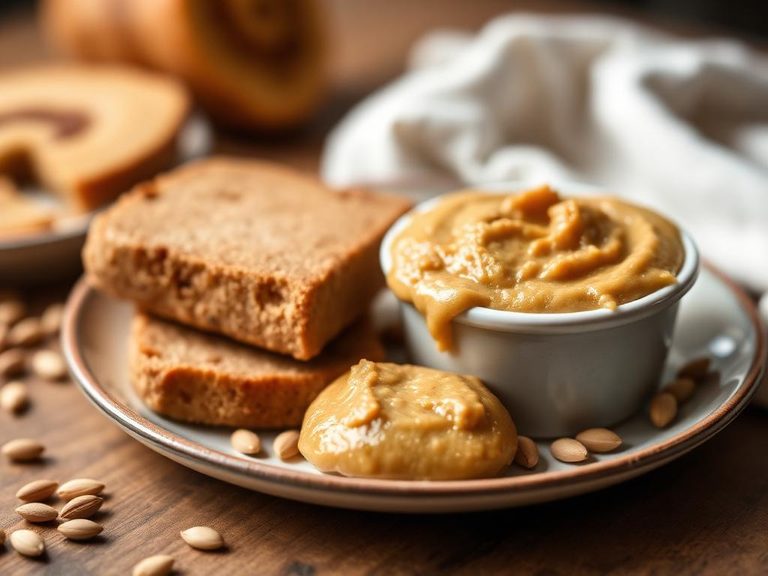
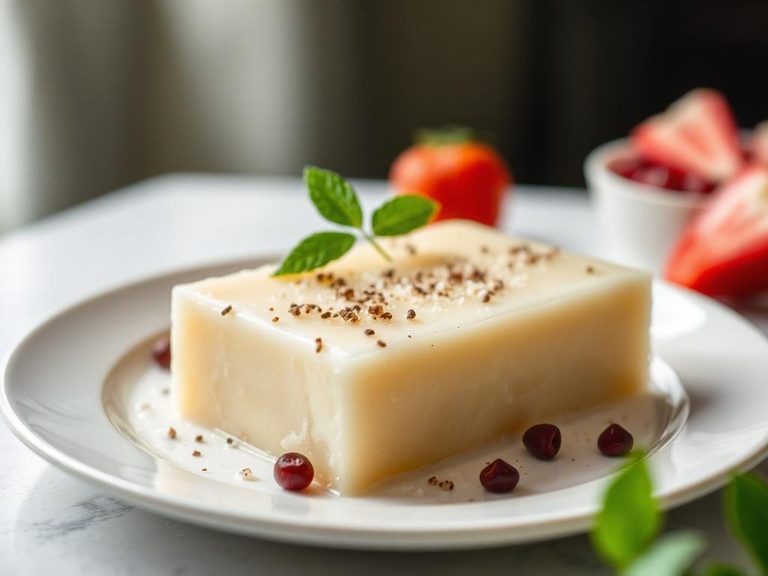
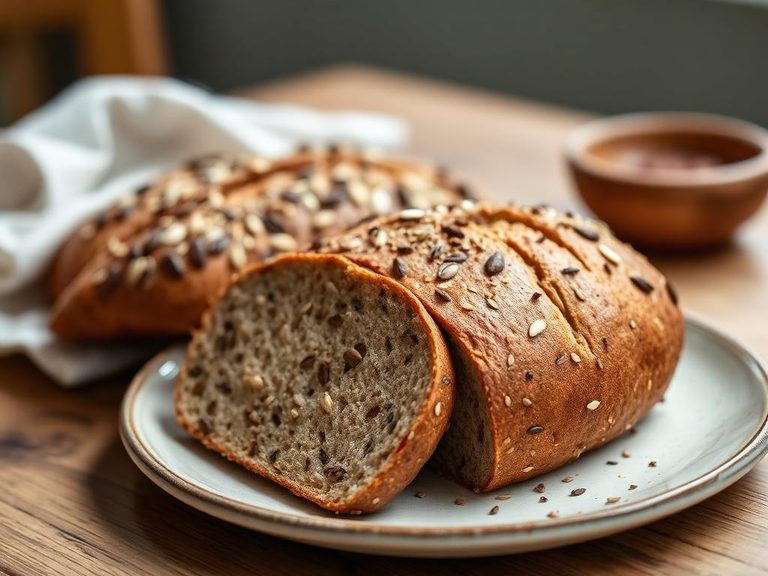
🌍 Where it's eaten
💡 Did you know?
A single sunflower head can contain up to 2,000 seeds, arranged in intersecting spiral patterns that follow the Fibonacci sequence, optimizing space for seed development.
Full nutrition (USDA data · scales with serving)
| Water | 1.2 g |
| Energy | 582 kcal |
| Protein | 19.3 g |
| Total lipid (fat) | 49.8 g |
| Carbohydrate, by difference | 24.1 g |
| Fiber, total dietary | 11.1 g |
| Total Sugars | 2.7 g |
| Calcium, Ca | 70.0 mg |
| Iron, Fe | 3.8 mg |
| Magnesium, Mg | 129 mg |
| Phosphorus, P | 1155 mg |
| Potassium, K | 850 mg |
| Sodium, Na | 3.0 mg |
| Zinc, Zn | 5.3 mg |
| Copper, Cu | 1.8 mg |
| Selenium, Se | 79.3 ug |
| Vitamin C, total ascorbic acid | 1.4 mg |
| Thiamin | 0.11 mg |
| Riboflavin | 0.25 mg |
| Niacin | 7.0 mg |
| Vitamin B-6 | 0.80 mg |
| Folate, total | 237 ug |
| Folic acid | 0.00 ug |
| Folate, food | 237 ug |
| Folate, DFE | 237 ug |
| Choline, total | 55.1 mg |
| Vitamin B-12 | 0.00 ug |
| Vitamin B-12, added | 0.00 ug |
| Vitamin A, RAE | 0.00 ug |
| Retinol | 0.00 ug |
| Carotene, beta | 5.0 ug |
| Carotene, alpha | 0.00 ug |
| Cryptoxanthin, beta | 0.00 ug |
| Lycopene | 0.00 ug |
| Lutein + zeaxanthin | 0.00 ug |
| Vitamin E (alpha-tocopherol) | 26.1 mg |
| Vitamin E, added | 0.00 mg |
| Vitamin D (D2 + D3) | 0.00 ug |
| Vitamin K (phylloquinone) | 2.7 ug |
| Alcohol, ethyl | 0.00 g |
| Caffeine | 0.00 mg |
| Theobromine | 0.00 mg |
Fat & fatty acid profile (per 100g)
| Fatty acids, total saturated | 5.2 g |
| SFA 4:0 | 0.00 g |
| SFA 6:0 | 0.00 g |
| SFA 8:0 | 0.00 g |
| SFA 10:0 | 0.00 g |
| SFA 12:0 | 0.00 g |
| SFA 14:0 | 0.05 g |
| SFA 16:0 | 2.8 g |
| SFA 18:0 | 2.2 g |
| Fatty acids, total monounsaturated | 9.5 g |
| MUFA 16:1 | 0.05 g |
| MUFA 18:1 | 9.4 g |
| MUFA 20:1 | 0.05 g |
| MUFA 22:1 | 0.00 g |
| Fatty acids, total polyunsaturated | 32.9 g |
| PUFA 18:2 | 32.8 g |
| PUFA 18:3 | 0.07 g |
| PUFA 18:4 | 0.00 g |
| PUFA 20:4 | 0.00 g |
| PUFA 20:5 n-3 (EPA) | 0.00 g |
| PUFA 22:5 n-3 (DPA) | 0.00 g |
| PUFA 22:6 n-3 (DHA) | 0.00 g |
| Cholesterol | 0.00 mg |
Amino acid profile (per 100g)
Estimated from Seeds, sunflower seed kernels, oil roasted, with salt added — USDA does not publish this profile for Sunflower seeds.
| Tryptophan | 0.31 g |
| Threonine | 0.82 g |
| Isoleucine | 1.0 g |
| Leucine | 1.5 g |
| Lysine | 0.82 g |
| Methionine | 0.43 g |
| Cystine | 0.40 g |
| Phenylalanine | 1.0 g |
| Tyrosine | 0.59 g |
| Valine | 1.2 g |
| Arginine | 2.1 g |
| Histidine | 0.56 g |
| Alanine | 0.98 g |
| Aspartic acid | 2.2 g |
| Glutamic acid | 4.9 g |
| Glycine | 1.3 g |
| Proline | 1.0 g |
| Serine | 0.95 g |
FAQ
Are sunflower seeds a good source of protein?
Yes, they are an excellent plant-based protein source, providing about 19 grams per 100 grams, which is comparable to many legumes and nuts.
Why do some sunflower seeds make your mouth feel dry or weird?
This is often due to tannins in the seed coat, especially in the black-striped varieties. Rinsing the seeds before eating or choosing pre-shelled, roasted versions can reduce this effect.
What's the difference between sunflower seeds and kernels?
Kernels are the soft, edible inner part. 'Sunflower seeds' typically refer to the whole seed with the hard, inedible outer hull still attached.
Nutrient density (calculated · NRF9.3)
Nutrient Rich Foods index: beneficial nutrients (protein, fiber, vitamins, minerals) minus saturated fat, added sugar & sodium, per 100 kcal.
NRF9.3 index — Fulgoni, Keast & Drewnowski, 2009. Computed from USDA nutrients.
Weight-loss friendliness (composite index)
Energy density 5.82 kcal/g · 13% calories from protein · 11.1 g fiber · 2.7 g sugar per 100 g.
Composite of energy density (Rolls et al., 1999), protein & fiber satiety, minus sugar. A calculated heuristic — ranks satiety-per-calorie, not a clinical measure.
Dietary load (calculated from USDA values)
Potential renal acid load. Positive = acid-forming, negative = alkaline-forming.
Sodium-to-potassium ratio: 0.00 (lower is better — aim for ≤ 1)
Sodium:potassium per WHO potassium guidance. Computed from USDA nutrients.