

Seeds, sunflower seed, kernel, raw
Whole food · Nut and Seed Products
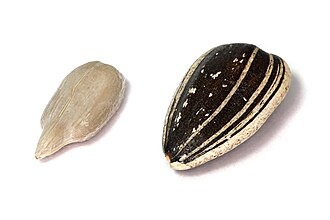
Photo: Wikipedia
Sunflower seed kernels are the tender, nutty hearts of the sunflower seed, boasting a satisfying crunch and a rich, slightly sweet flavor. These tiny powerhouses are a nutritional marvel, packed with healthy fats, protein, and a wealth of vitamins and minerals like vitamin E and magnesium.
Calorie split: 12% protein · 16% carbs · 72% fat
↓ Full nutrition💚 Why it's loved
People adore sunflower seeds for their addictive, savory crunch and their incredible versatility as a snack, salad topper, or baking ingredient. They are a beloved staple in many cultures, often enjoyed roasted and salted at baseball games or as a key component in traditional European and Middle Eastern dishes.
⚠️ Watch-outs & how to enjoy it better
While nutritious, sunflower seeds are calorie-dense, and overconsumption can lead to excess calorie intake; portion control is key. They are also a common allergen, and some individuals may experience digestive discomfort due to their fiber content. To mitigate, start with small portions, pair with a protein or fat source to enhance satiety, and ensure they are stored properly to prevent rancidity.
Key benefits
- Excellent source of vitamin E, a powerful antioxidant
- Rich in magnesium, supporting bone health and nerve function
- High in healthy polyunsaturated and monounsaturated fats
- Good plant-based source of protein and fiber
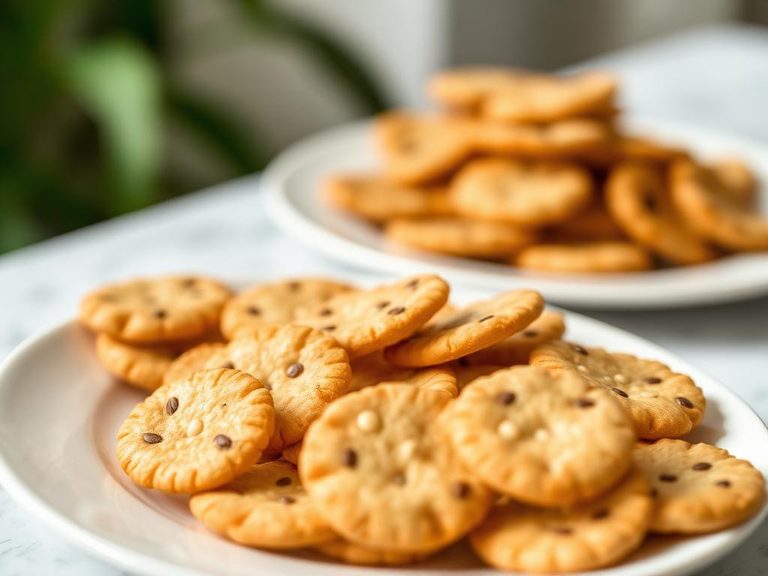
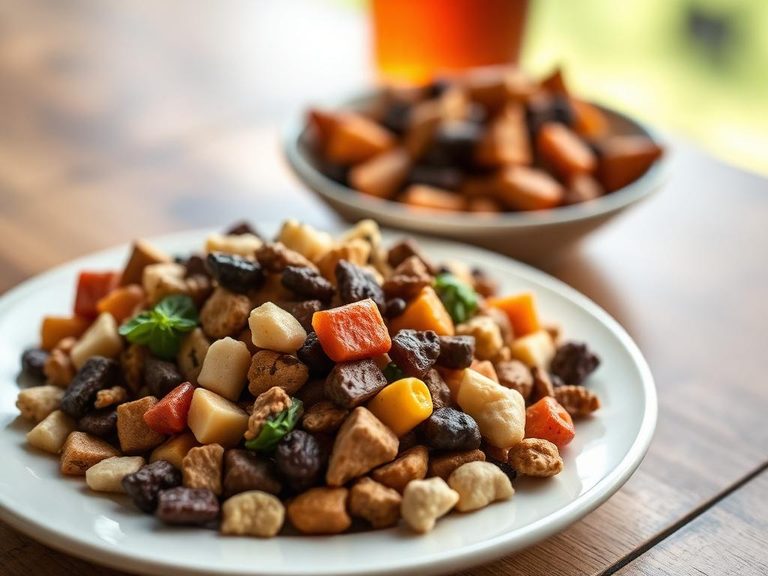
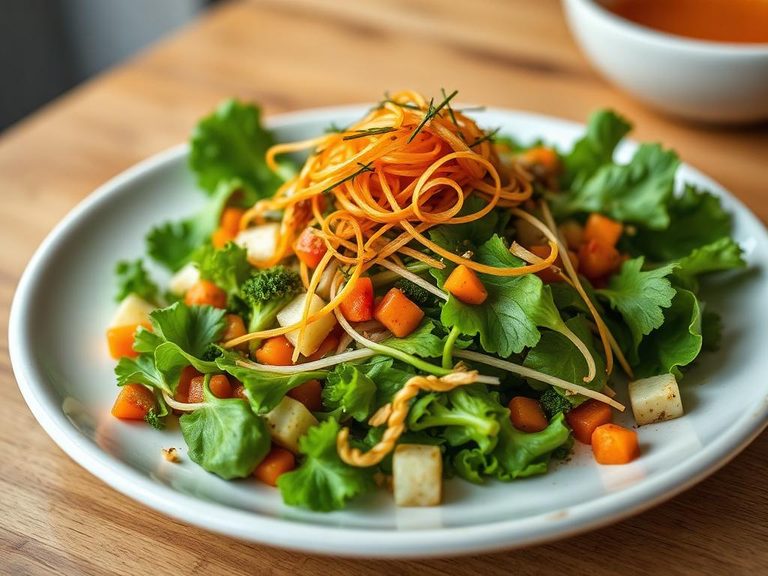
🍽️ Popular dishes
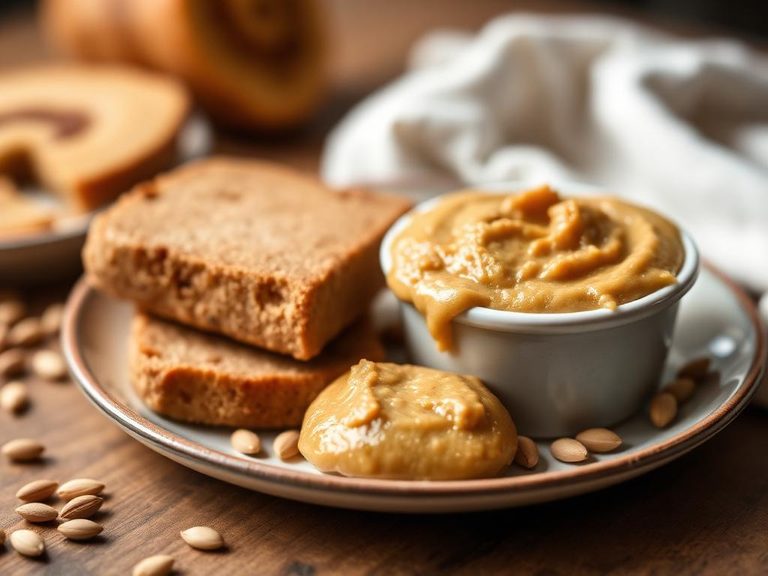
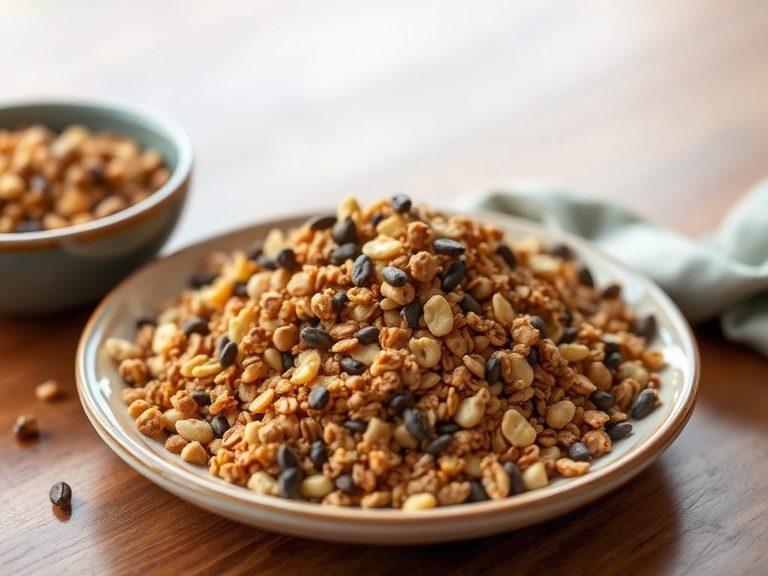
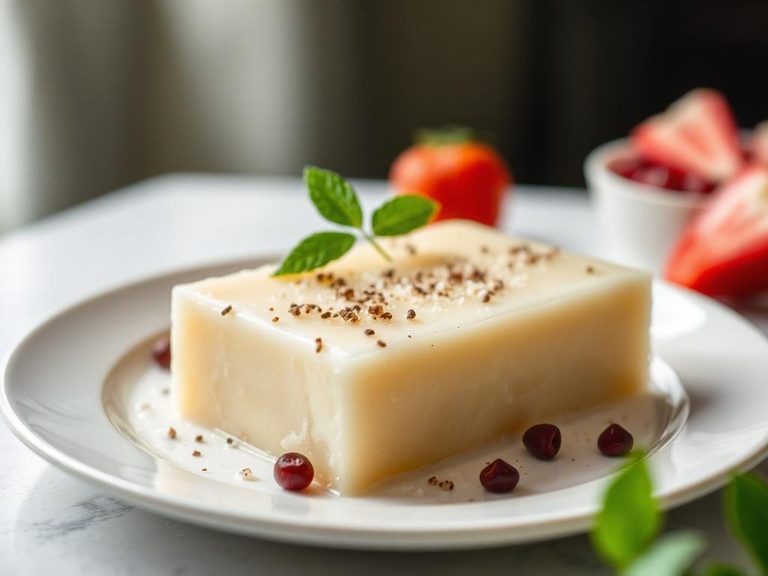
🌍 Where it's eaten
💡 Did you know?
The sunflower is one of the only plants in the world where the flower head actually tracks the sun across the sky, a phenomenon called heliotropism, which helps maximize seed production.
Full nutrition (USDA data · scales with serving)
| Water | 4.9 g |
| Energy (Atwater General Factors) | 609 kcal |
| Energy (Atwater Specific Factors) | 571 kcal |
| Nitrogen | 3.6 g |
| Protein | 18.9 g |
| Total lipid (fat) | 48.4 g |
| Ash | 3.3 g |
| Carbohydrate, by difference | 24.5 g |
| Fiber, total dietary | 7.2 g |
| Calcium, Ca | 116 mg |
| Iron, Fe | 4.4 mg |
| Magnesium, Mg | 302 mg |
| Phosphorus, P | 732 mg |
| Potassium, K | 657 mg |
| Sodium, Na | 0.00 mg |
| Zinc, Zn | 5.6 mg |
| Copper, Cu | 1.9 mg |
| Manganese, Mn | 2.6 mg |
| Selenium, Se | 17.8 ug |
Fat & fatty acid profile (per 100g)
Estimated from Seeds, sisymbrium sp. seeds, whole, dried — USDA does not publish this profile for Seeds.
| Fatty acids, total saturated | 0.90 g |
| SFA 16:0 | 0.62 g |
| SFA 18:0 | 0.13 g |
| Fatty acids, total monounsaturated | 1.5 g |
| MUFA 16:1 | 0.04 g |
| MUFA 18:1 | 0.84 g |
| MUFA 20:1 | 0.35 g |
| MUFA 22:1 | 0.26 g |
| Fatty acids, total polyunsaturated | 2.0 g |
| PUFA 18:2 | 0.57 g |
| PUFA 18:3 | 1.5 g |
| Cholesterol | 0.00 mg |
Amino acid profile (per 100g)
Estimated from Seeds, sisymbrium sp. seeds, whole, dried — USDA does not publish this profile for Seeds.
| Tryptophan | 0.27 g |
| Threonine | 0.69 g |
| Isoleucine | 0.65 g |
| Leucine | 1.2 g |
| Lysine | 0.81 g |
| Methionine | 0.31 g |
| Cystine | 0.24 g |
| Phenylalanine | 0.58 g |
| Tyrosine | 0.42 g |
| Valine | 0.70 g |
| Arginine | 0.80 g |
| Histidine | 0.33 g |
| Alanine | 0.69 g |
| Aspartic acid | 1.5 g |
| Glutamic acid | 1.8 g |
| Glycine | 0.70 g |
| Proline | 0.67 g |
| Serine | 0.48 g |
FAQ
Are sunflower seeds a good source of protein?
Yes, they are a good plant-based source of protein, providing about 19 grams per 100g, which is substantial for a seed.
What is the best way to store sunflower seeds?
Store them in an airtight container in a cool, dark place, or in the refrigerator or freezer to prevent the oils from going rancid.
Can I eat sunflower seeds if I have a nut allergy?
Sunflower seeds are seeds, not nuts, and are generally safe for people with nut allergies. However, cross-contamination can occur, so always check labels and consult with an allergist.
Nutrient density (calculated · NRF9.3)
Nutrient Rich Foods index: beneficial nutrients (protein, fiber, vitamins, minerals) minus saturated fat, added sugar & sodium, per 100 kcal.
NRF9.3 index — Fulgoni, Keast & Drewnowski, 2009. Computed from USDA nutrients.
Weight-loss friendliness (composite index)
Energy density 6.09 kcal/g · 12% calories from protein · 7.2 g fiber · 0.0 g sugar per 100 g.
Composite of energy density (Rolls et al., 1999), protein & fiber satiety, minus sugar. A calculated heuristic — ranks satiety-per-calorie, not a clinical measure.
Dietary load (calculated from USDA values)
Potential renal acid load. Positive = acid-forming, negative = alkaline-forming.
Sodium-to-potassium ratio: 0.00 (lower is better — aim for ≤ 1)
Sodium:potassium per WHO potassium guidance. Computed from USDA nutrients.