

Spices, tarragon, dried
Whole food · Spices and Herbs

Photo: Wikipedia
Dried tarragon is the crumbled, aromatic leaf of the perennial herb Artemisia dracunculus, prized for its potent, sweet-anise flavor with subtle notes of licorice, mint, and vanilla. Its texture is fine and flaky, and it delivers a surprisingly high protein content for a dried herb, making it a nutrient-dense seasoning.
Calorie split: 26% protein · 56% carbs · 18% fat
↓ Full nutrition💚 Why it's loved
People love tarragon for its distinctive, sophisticated flavor that instantly elevates classic French sauces, creamy dressings, and egg dishes. It's a cornerstone of fines herbes and a symbol of elegant, herb-forward cooking.
⚠️ Watch-outs & how to enjoy it better
Its strong, distinct flavor can be polarizing and overpower if used excessively. As a dried herb, it is calorie-dense compared to fresh, so mindful portioning is key. To counteract this, use it as a finishing spice or infuse it into oils or vinegars to distribute its flavor more evenly.
Key benefits
- Excellent source of plant-based protein (22.77g per 100g).
- High in dietary fiber (7.4g per 100g) for digestive health.
- Rich in antioxidants like eugenol and rutin.
- Provides essential minerals such as potassium and iron.
- Adds complex flavor without added sugar or sodium.
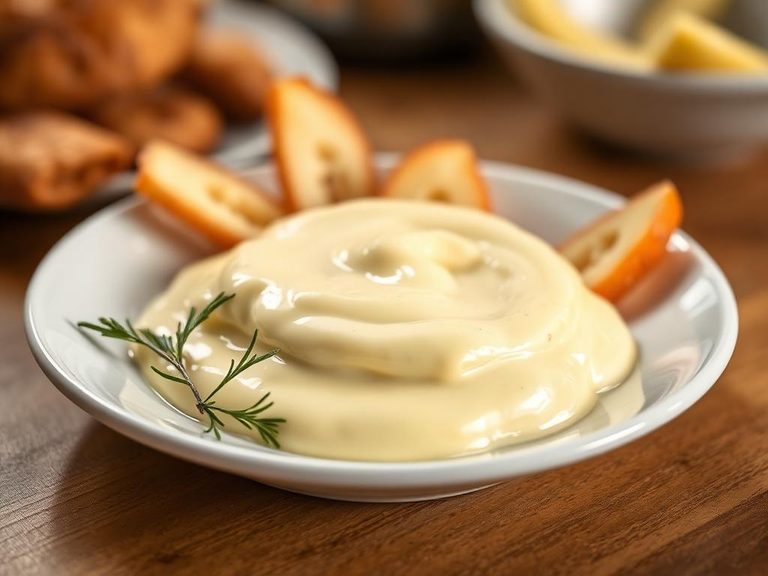
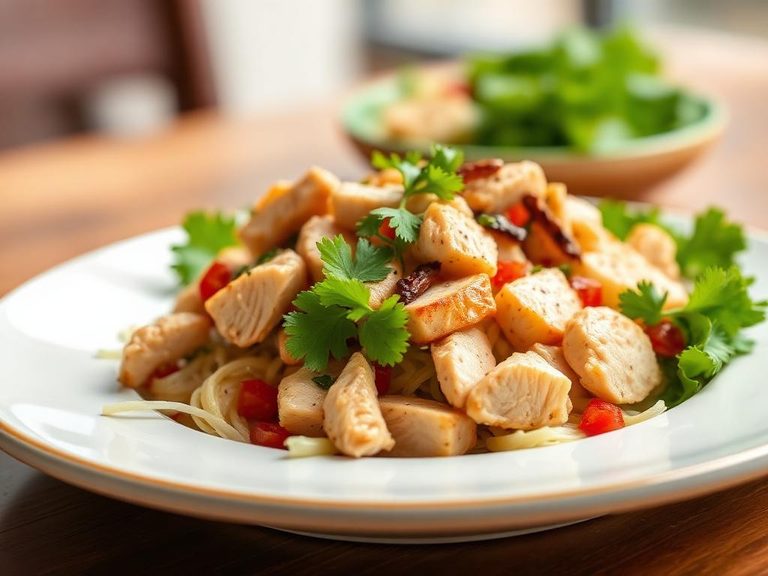
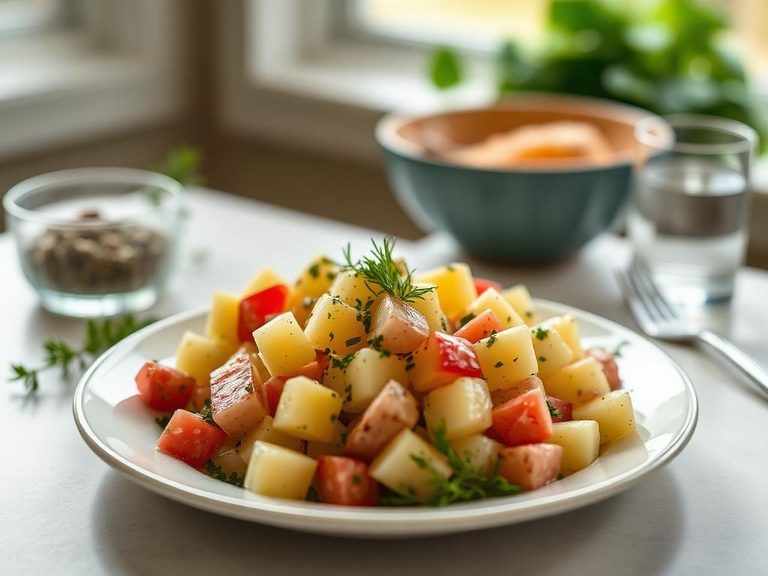
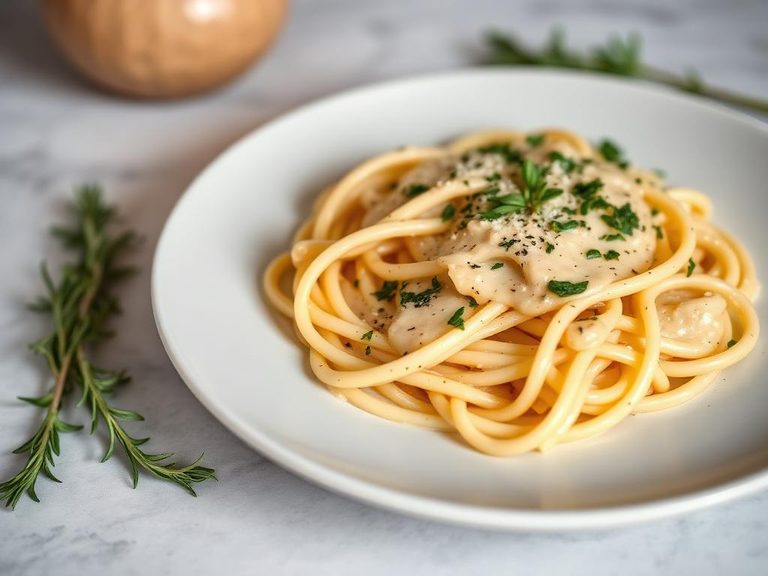
🍽️ Popular dishes
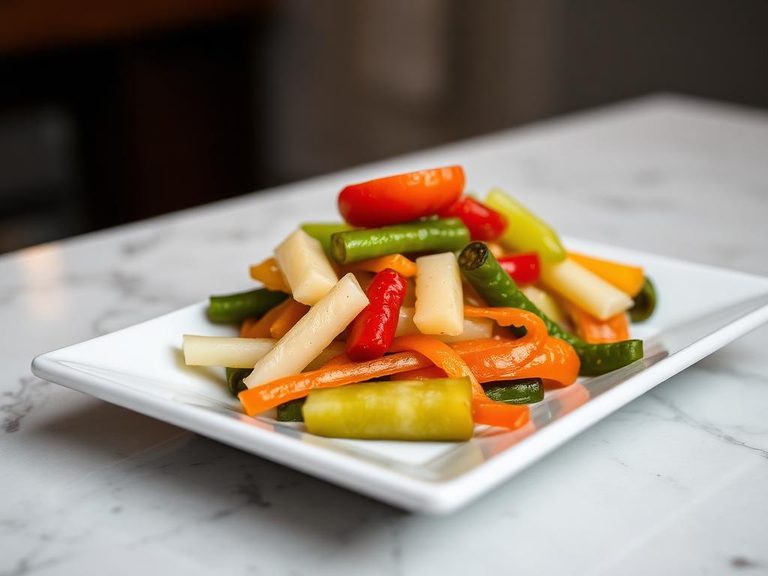
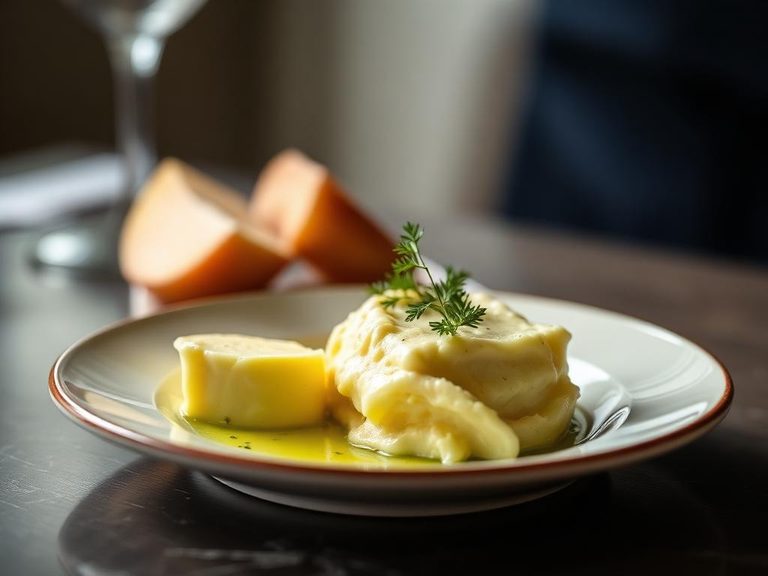
🌍 Where it's eaten
💡 Did you know?
The name 'tarragon' comes from the French 'estragon,' which itself derives from the Arabic 'tarkhūn,' and the herb was historically called 'dragon's wort' due to a folk belief that its roots could cure snakebites.
Full nutrition (USDA data · scales with serving)
| Water | 7.7 g |
| Energy | 295 kcal |
| Energy | 1236 kj |
| Protein | 22.8 g |
| Total lipid (fat) | 7.2 g |
| Ash | 12.0 g |
| Carbohydrate, by difference | 50.2 g |
| Fiber, total dietary | 7.4 g |
| Calcium, Ca | 1139 mg |
| Iron, Fe | 32.3 mg |
| Magnesium, Mg | 347 mg |
| Phosphorus, P | 313 mg |
| Potassium, K | 3020 mg |
| Sodium, Na | 62.0 mg |
| Zinc, Zn | 3.9 mg |
| Copper, Cu | 0.68 mg |
| Manganese, Mn | 8.0 mg |
| Selenium, Se | 4.4 ug |
| Vitamin C, total ascorbic acid | 50.0 mg |
| Thiamin | 0.25 mg |
| Riboflavin | 1.3 mg |
| Niacin | 8.9 mg |
| Vitamin B-6 | 2.4 mg |
| Folate, total | 274 ug |
| Folic acid | 0.00 ug |
| Folate, food | 274 ug |
| Folate, DFE | 274 ug |
| Vitamin B-12 | 0.00 ug |
| Vitamin A, RAE | 210 ug |
| Retinol | 0.00 ug |
| Vitamin A, IU | 4200 iu |
| Vitamin D (D2 + D3), International Units | 0.00 iu |
| Vitamin D (D2 + D3) | 0.00 ug |
| Alcohol, ethyl | 0.00 g |
| Caffeine | 0.00 mg |
| Theobromine | 0.00 mg |
Fat & fatty acid profile (per 100g)
| Fatty acids, total saturated | 1.9 g |
| SFA 4:0 | 0.00 g |
| SFA 6:0 | 0.00 g |
| SFA 8:0 | 0.00 g |
| SFA 10:0 | 0.03 g |
| SFA 12:0 | 0.01 g |
| SFA 14:0 | 0.12 g |
| SFA 16:0 | 1.2 g |
| SFA 18:0 | 0.41 g |
| Fatty acids, total monounsaturated | 0.47 g |
| MUFA 16:1 | 0.11 g |
| MUFA 18:1 | 0.36 g |
| MUFA 20:1 | 0.00 g |
| MUFA 22:1 | 0.00 g |
| Fatty acids, total polyunsaturated | 3.7 g |
| PUFA 18:2 | 0.74 g |
| PUFA 18:3 | 3.0 g |
| PUFA 18:4 | 0.00 g |
| PUFA 20:4 | 0.00 g |
| PUFA 20:5 n-3 (EPA) | 0.00 g |
| PUFA 22:5 n-3 (DPA) | 0.00 g |
| PUFA 22:6 n-3 (DHA) | 0.00 g |
| Fatty acids, total trans | 0.00 g |
| Cholesterol | 0.00 mg |
| Phytosterols | 81.0 mg |
Amino acid profile (per 100g)
Estimated from Spices, garlic powder — USDA does not publish this profile for Spices.
| Tryptophan | 0.12 g |
| Threonine | 0.37 g |
| Isoleucine | 0.41 g |
| Leucine | 0.73 g |
| Lysine | 0.77 g |
| Methionine | 0.11 g |
| Cystine | 0.25 g |
| Phenylalanine | 0.53 g |
| Tyrosine | 0.45 g |
| Valine | 0.67 g |
| Arginine | 3.4 g |
| Histidine | 0.26 g |
| Alanine | 0.48 g |
| Aspartic acid | 1.9 g |
| Glutamic acid | 3.7 g |
| Glycine | 0.53 g |
| Proline | 1.4 g |
| Serine | 0.51 g |
| Hydroxyproline | 0.00 g |
FAQ
How much dried tarragon should I use in place of fresh?
A general rule is to use 1 teaspoon of dried tarragon for every 1 tablespoon of fresh tarragon called for in a recipe, as drying concentrates the flavor.
Is dried tarragon as good as fresh?
Dried tarragon has a more concentrated, slightly more hay-like flavor and is excellent for cooked dishes and infusions. Fresh tarragon has a brighter, more delicate anise note and is preferred for garnishes and cold preparations.
What is the best way to store dried tarragon?
Store it in an airtight container in a cool, dark place like a pantry. It will maintain its best flavor for about 1-2 years, though it will gradually lose potency.
Nutrient density (calculated · NRF9.3)
Nutrient Rich Foods index: beneficial nutrients (protein, fiber, vitamins, minerals) minus saturated fat, added sugar & sodium, per 100 kcal.
NRF9.3 index — Fulgoni, Keast & Drewnowski, 2009. Computed from USDA nutrients.
Weight-loss friendliness (composite index)
Energy density 2.95 kcal/g · 31% calories from protein · 7.4 g fiber · 0.0 g sugar per 100 g.
Composite of energy density (Rolls et al., 1999), protein & fiber satiety, minus sugar. A calculated heuristic — ranks satiety-per-calorie, not a clinical measure.
Dietary load (calculated from USDA values)
Potential renal acid load. Positive = acid-forming, negative = alkaline-forming.
Sodium-to-potassium ratio: 0.02 (lower is better — aim for ≤ 1)
Sodium:potassium per WHO potassium guidance. Computed from USDA nutrients.