

Pickled vegetables
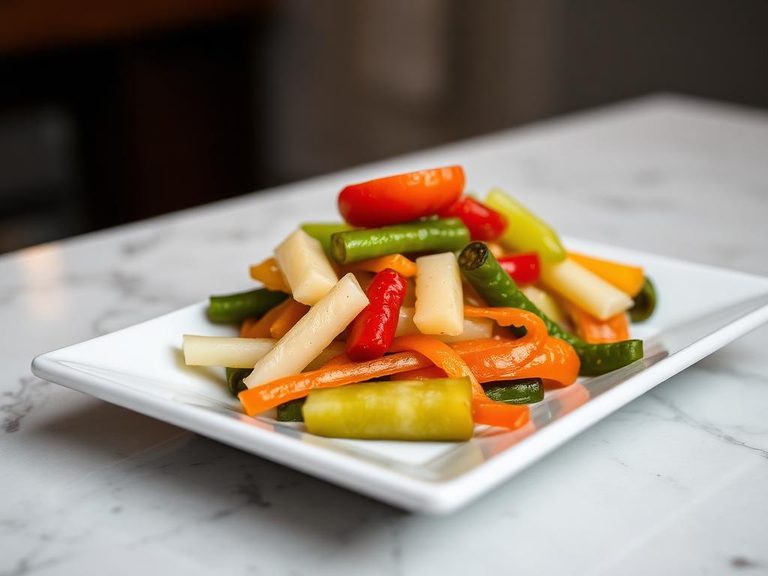
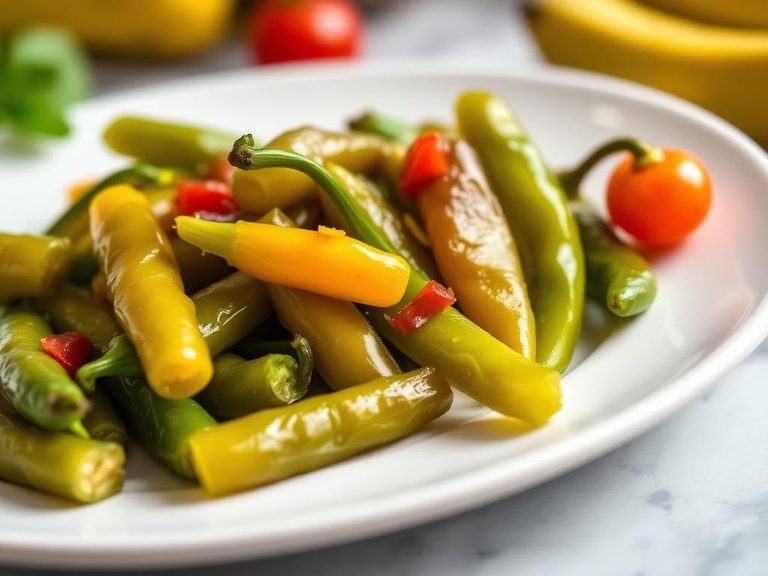
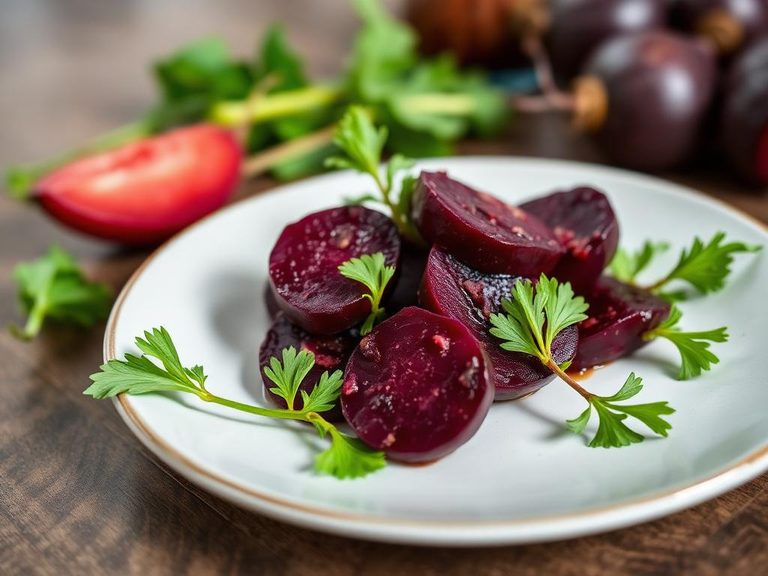
Pickled vegetables are a diverse category of preserved foods made by fermenting or brining vegetables in a salt, vinegar, or sugar solution. Common ingredients include cabbage, cucumbers, carrots, and peppers, with regional variations found worldwide, from Chinese suan cai to German sauerkraut.
🍳 View the full Pickled vegetables recipe →
🍽️ Nutrition at a glance
Generally low in calories, fat, and protein, pickled vegetables are primarily a source of carbohydrates from the vegetables themselves and any added sugars. They are notable for providing probiotics (if fermented), vitamin K, and some B vitamins, though sodium content can be high.
Nutrition breakdown
| Calories | 30 kcal |
| Protein | 1.5 g |
| Carbs | 5 g |
| Fat | 0.5 g |
| Fiber | 2 g |
| Sugar | 2 g |
| Sodium | 1200 mg |
| Sodium | 1200 mg |
| Potassium | 150 mg |
| Vitamin C | 10 mg |
| Vitamin K | 20 mcg |
| Iron | 1.5 mg |
| Calcium | 50 mg |
| Magnesium | 15 mg |
| Manganese | 0.2 mg |
Per 1 cup (150 g) · estimated, varies by recipe
💡 What's interesting
The fermentation process not only preserves the vegetables but also creates beneficial probiotics that support gut health, making them a traditional food for digestion in many cultures. Their tangy, umami-rich flavor makes them a versatile condiment that can enhance a wide variety of dishes.
🍽️ Related dishes
AI estimate may be inaccurate · Terms