

Snack cake, chocolate
Common food

Photo: Wikipedia
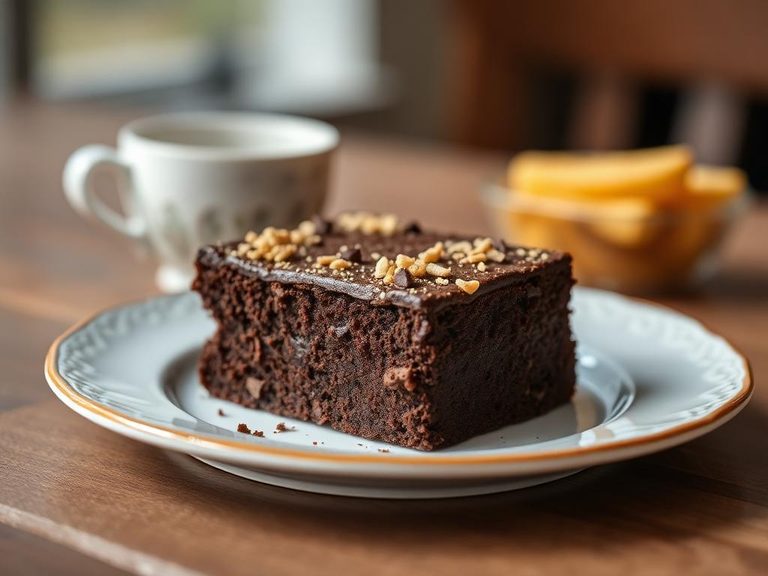
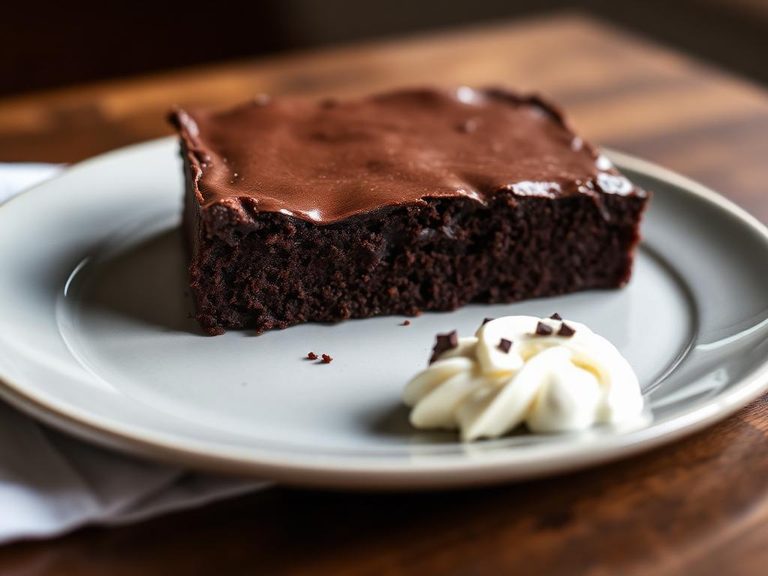
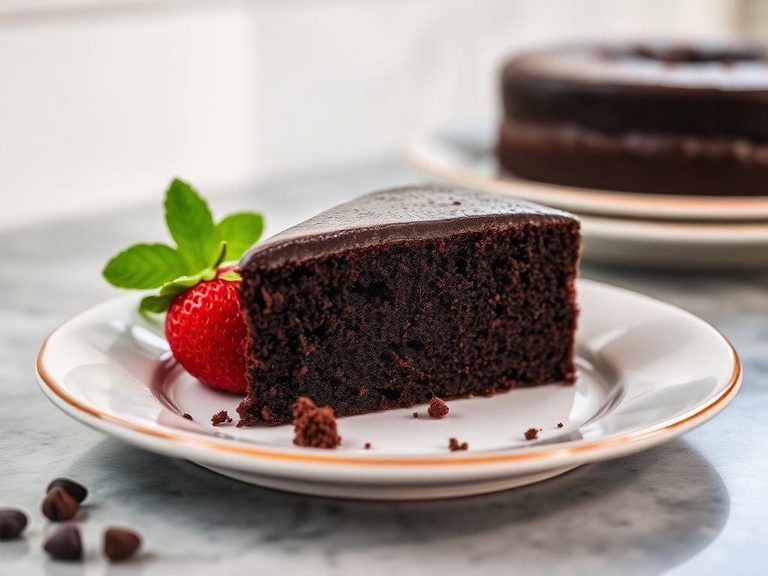
A soft, spongy cake layered or coated in a smooth, sweet chocolate frosting, often with a moist, tender crumb. It delivers a classic, comforting chocolate-sugar rush with a rich, creamy texture from the frosting. Nutritionally, it is a high-carb, high-sugar treat, providing quick energy but little protein or fiber.
Calorie split: 4% protein · 60% carbs · 36% fat
↓ Full nutrition💚 Why it's loved
People love it for the nostalgic, comforting combination of soft cake and rich chocolate frosting, evoking childhood birthday parties and school snacks. Its portability and consistent, sweet flavor make it a go-to for a quick dessert or coffee break.
⚠️ Watch-outs & how to enjoy it better
Its high sugar and refined carb content can lead to rapid blood-sugar spikes and subsequent energy crashes, making it a poor choice for those managing diabetes or insulin resistance. To counteract this, pair a small portion with a source of protein or healthy fat (like a handful of nuts or Greek yogurt) to slow sugar absorption and increase satiety.
Key benefits
- Quick source of energy from carbohydrates
- Provides a small amount of dietary fiber
- Contains some iron from cocoa in the frosting
- Offers a convenient, portion-controlled sweet treat
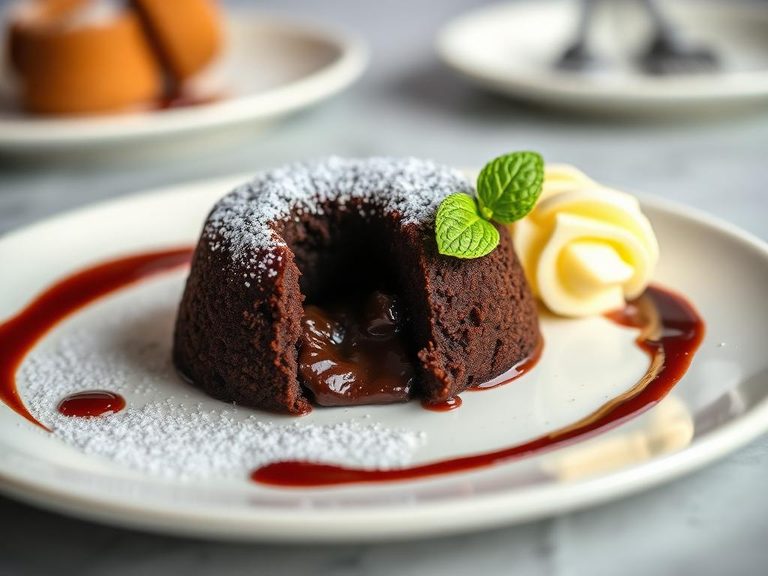
🍽️ Popular dishes


🌍 Where it's eaten
💡 Did you know?
The iconic 'snack cake' format, with its individually wrapped, shelf-stable form, was popularized in the U.S. in the 1960s, revolutionizing how cake was consumed by making it a portable, everyday item rather than just a special-occasion dessert.
Full nutrition (USDA data · scales with serving)
| Water | 18.6 g |
| Energy | 399 kcal |
| Protein | 3.6 g |
| Total lipid (fat) | 15.9 g |
| Carbohydrate, by difference | 60.3 g |
| Fiber, total dietary | 3.2 g |
| Total Sugars | 37.8 g |
| Calcium, Ca | 116 mg |
| Iron, Fe | 3.6 mg |
| Magnesium, Mg | 36.0 mg |
| Phosphorus, P | 87.0 mg |
| Potassium, K | 176 mg |
| Sodium, Na | 332 mg |
| Zinc, Zn | 1.0 mg |
| Copper, Cu | 0.30 mg |
| Selenium, Se | 3.4 ug |
| Vitamin C, total ascorbic acid | 1.9 mg |
| Thiamin | 0.04 mg |
| Riboflavin | 0.07 mg |
| Niacin | 0.93 mg |
| Vitamin B-6 | 0.14 mg |
| Folate, total | 26.0 ug |
| Folic acid | 13.0 ug |
| Folate, food | 13.0 ug |
| Folate, DFE | 35.0 ug |
| Choline, total | 20.6 mg |
| Vitamin B-12 | 0.06 ug |
| Vitamin B-12, added | 0.00 ug |
| Vitamin A, RAE | 1.0 ug |
| Retinol | 1.0 ug |
| Carotene, beta | 0.00 ug |
| Carotene, alpha | 0.00 ug |
| Cryptoxanthin, beta | 0.00 ug |
| Lycopene | 0.00 ug |
| Lutein + zeaxanthin | 3.0 ug |
| Vitamin E (alpha-tocopherol) | 1.1 mg |
| Vitamin E, added | 0.00 mg |
| Vitamin D (D2 + D3) | 0.00 ug |
| Vitamin K (phylloquinone) | 10.6 ug |
| Alcohol, ethyl | 0.00 g |
| Caffeine | 6.0 mg |
| Theobromine | 215 mg |
Fat & fatty acid profile (per 100g)
| Fatty acids, total saturated | 4.9 g |
| SFA 4:0 | 0.00 g |
| SFA 6:0 | 0.00 g |
| SFA 8:0 | 0.00 g |
| SFA 10:0 | 0.00 g |
| SFA 12:0 | 0.01 g |
| SFA 14:0 | 0.16 g |
| SFA 16:0 | 2.6 g |
| SFA 18:0 | 1.9 g |
| Fatty acids, total monounsaturated | 8.5 g |
| MUFA 16:1 | 0.12 g |
| MUFA 18:1 | 8.3 g |
| MUFA 20:1 | 0.02 g |
| MUFA 22:1 | 0.00 g |
| Fatty acids, total polyunsaturated | 1.8 g |
| PUFA 18:2 | 1.6 g |
| PUFA 18:3 | 0.17 g |
| PUFA 18:4 | 0.00 g |
| PUFA 20:4 | 0.00 g |
| PUFA 20:5 n-3 (EPA) | 0.00 g |
| PUFA 22:5 n-3 (DPA) | 0.00 g |
| PUFA 22:6 n-3 (DHA) | 0.00 g |
| Cholesterol | 0.00 mg |
Amino acid profile (per 100g)
Estimated from Snacks, rice cakes, brown rice, sesame seed — USDA does not publish this profile for Snack cake.
| Tryptophan | 0.10 g |
| Threonine | 0.28 g |
| Isoleucine | 0.32 g |
| Leucine | 0.63 g |
| Lysine | 0.29 g |
| Methionine | 0.17 g |
| Cystine | 0.09 g |
| Phenylalanine | 0.39 g |
| Tyrosine | 0.29 g |
| Valine | 0.44 g |
| Arginine | 0.59 g |
| Histidine | 0.19 g |
| Alanine | 0.44 g |
| Aspartic acid | 0.71 g |
| Glutamic acid | 1.6 g |
| Glycine | 0.38 g |
| Proline | 0.35 g |
| Serine | 0.39 g |
FAQ
Is snack cake the same as a regular chocolate cake?
Not exactly. A snack cake is a specific category of pre-packaged, single-serving cake designed for portability and shelf stability. It's often softer, sweeter, and more processed than a homemade chocolate cake, which can vary widely in recipe and texture.
Why does snack cake have so much sugar?
Sugar is a key ingredient for preservation, texture (moistness), and the intensely sweet flavor profile that defines the product. The 37.76g of sugar per 100g is primarily from added sugars in both the cake batter and the frosting.
Can I eat snack cake as part of a balanced diet?
Yes, but in moderation. Due to its high sugar and calorie density, it should be treated as an occasional treat rather than a staple. Balancing it with nutrient-dense foods and controlling portion size are key.
Nutrient density (calculated · NRF9.3)
Nutrient Rich Foods index: beneficial nutrients (protein, fiber, vitamins, minerals) minus saturated fat, added sugar & sodium, per 100 kcal.
NRF9.3 index — Fulgoni, Keast & Drewnowski, 2009. Computed from USDA nutrients.
Weight-loss friendliness (composite index)
Energy density 3.99 kcal/g · 4% calories from protein · 3.2 g fiber · 37.8 g sugar per 100 g.
Composite of energy density (Rolls et al., 1999), protein & fiber satiety, minus sugar. A calculated heuristic — ranks satiety-per-calorie, not a clinical measure.
Dietary load (calculated from USDA values)
Potential renal acid load. Positive = acid-forming, negative = alkaline-forming.
Sodium-to-potassium ratio: 1.89 (lower is better — aim for ≤ 1)
Sodium:potassium per WHO potassium guidance. Computed from USDA nutrients.